
For home planting, you can choose garlic varieties such as Alkor, German, Lyubasha, and others. Each variety has its own advantages and characteristics. However, to obtain a good harvest, certain conditions must be met. Let's find out which garlic variety is the largest and most productive.
Alcor
When choosing garlic varieties for planting, consider Alcor. This mid-season winter crop can produce a good harvest. Its stems can reach a height of up to 1 m. It's recommended for planting in large areas; it's easy to harvest.
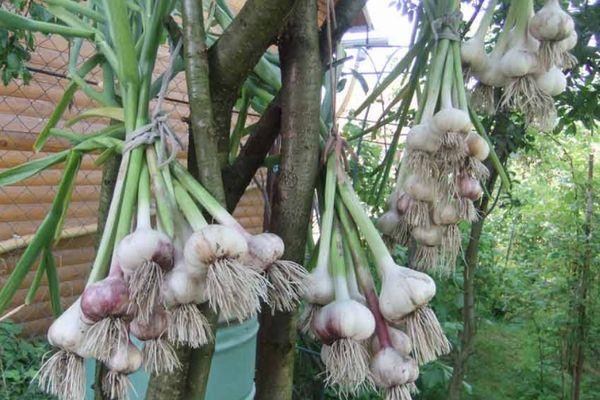
Each stem bears 8-12 long green leaves. A bulb may contain 4-5 cloves, but they are very large and fleshy, covered with pinkish scales. Each bulb weighs approximately 20-30 g.
This variety has a number of advantages:
- It's unfussy. It thrives in any soil. Therefore, it's common in various parts of Russia, Belarus, and Ukraine.
- It produces very good yields. Up to 3-3.5 tons of garlic can be harvested from 1 hectare.
- It has high resistance to all diseases.
- Very tasty and healthy, contains a large number of nutritional components.
This garlic variety is planted in early autumn. Plant in dug soil, spacing the cloves 15 cm apart and rows 20 cm apart. The hole should be 4-5 cm deep. A small amount of sand can be added to the holes to prevent waterlogging. Garlic tolerates winter well and does not rot. Harvest after the dry leaves have fallen.
Garkua
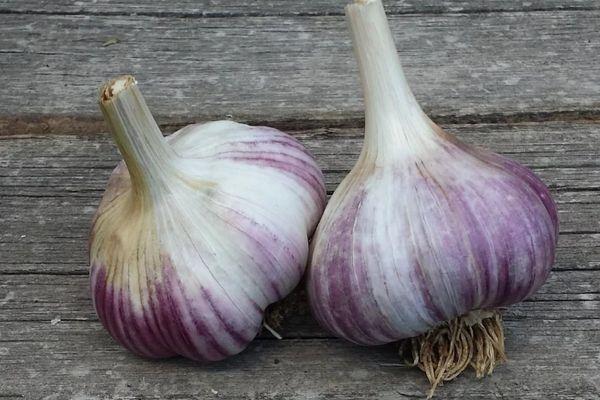
This winter garlic, bred in France, is frost-resistant and ripens in June. The bulb is large, but the cloves are small, and there can be up to 18 of them. The flesh is dense, slightly spicy, and the cloves are covered with a pink skin.
This variety boasts the following advantages: high productivity, winter hardiness (it can withstand temperatures down to -20 degrees Celsius, but it must be covered for the winter), and disease resistance. Furthermore, it's easy to grow and can even be grown in loamy soils.
Plant in the ground at the end of September. The planting area is dug up beforehand, and fertilizer and straw are added. Fresh manure is not recommended for fertilizer; only composted manure can be used.
Healthy cloves with no signs of rot are selected for planting. The distance between rows is 40 cm, and between cloves, 20 cm. Peas can be planted in the spaces between rows.
After the shoots emerge, remove the soil crust with a rake. It is also recommended to loosen the soil after each watering. Weed the garlic 2-3 times a month. After harvesting, trim the garlic heads from the shoots and store them in a dry place.
Harpek
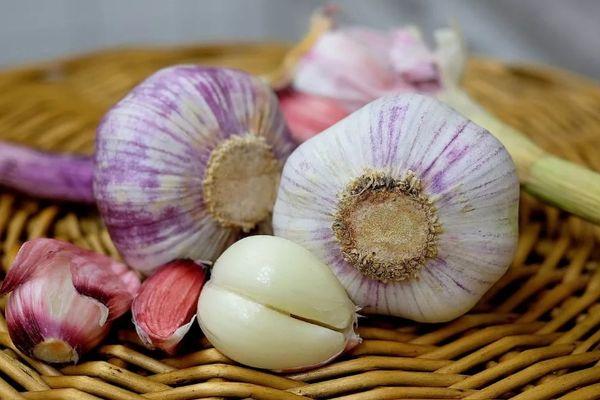
Another common variety with an unusual name is Garpek, of Spanish origin. This winter variety produces a high yield. The bulb is large, weighing 25-30 g, with a large number (up to 16) of medium-sized cloves. The garlic flesh is dense and slightly spicy.
This variety has some advantages:
- tolerates winter well;
- does not rot with frequent temperature changes;
- 98% of planted cloves germinate.
However, garlic is characterized by moderate disease resistance. Therefore, additional measures aimed at strengthening the immune system may be necessary.
Garlic can be grown in the Volga and Central Russian regions. Garlic is planted in September, so the plot should be prepared in August. During the growing season, it needs to be weeded regularly and the soil loosened. The garlic stem produces shoots. These should be trimmed with scissors or pulled off. Otherwise, the heads will not grow and will remain small. After harvesting, the crop should be dried in a dry, dark place for several days before trimming the shoots.
Hermann
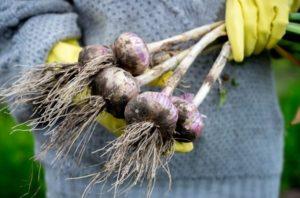
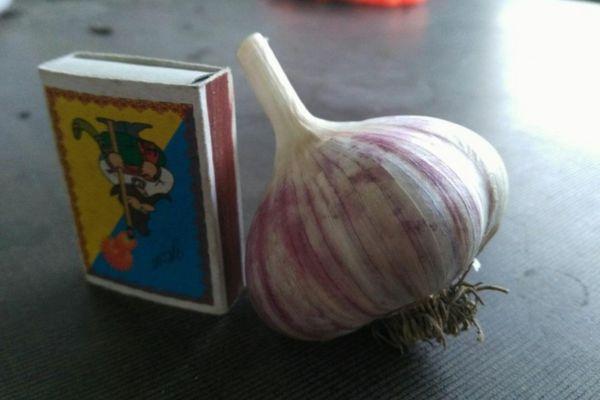
This garlic variety is a winter variety. Its distinctive feature is its slightly flattened bulb, containing 6-7 large cloves. The flesh is creamy and quite pungent, and the cloves are covered with lilac scales. The leaves are oblong, green, and have a medium-thick waxy coating.
The plant is grown in the same way as other varieties. However, to obtain a good harvest, it requires specific conditions:
- Temperature regulation. It is advisable to grow this garlic variety in a greenhouse. During germination, it requires a temperature of 18-20 degrees Celsius, and during active growth, 23-26 degrees Celsius. If the temperature is not maintained, the bulbs will slow down and may begin to rot.
- Moisture. Water the plant evenly and moderately. Avoid overwatering, as this can lead to rot.
- Trimming the stems. It is recommended to remove them with scissors or a sharp knife. Removing them can damage the plant.
- Fertilizing the soil. Before planting, dig up the soil and add one bucket of wood ash. You can also fertilize the soil with stale manure, but about 10 months before planting the garlic.
Following the above recommendations will help you grow large bulbs and avoid plant diseases. Garlic stores very well, provided it's stored properly, for up to 8 months. It's recommended to store it in a dry, ventilated area.
Gribovsky Jubilee
This variety was developed from wild garlic through extensive selective breeding. This makes it highly disease-resistant.
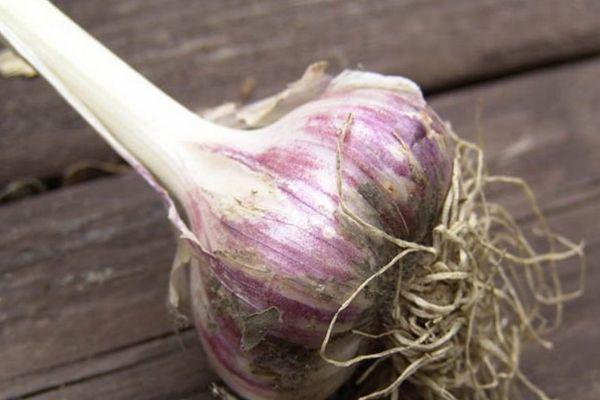
This variety of garlic is classified as a winter garlic. It is mid-late, with a growing period of approximately 100 days. Its pulp contains 41% dry matter, so it is used in dried form for making seasonings. Gribovsky Yubileiny is very pungent, making it highly prized.
The head is slightly flattened, weighs 20-40 g, and contains up to 11 cloves. The garlic is firm, making it easy to transport and maintains a marketable appearance.
The plant is easy to grow and adapts to a variety of environmental conditions. It doesn't require greenhouse cultivation and is rarely affected by diseases and pests. This makes this variety very common in the CIS countries.
Komsomolets
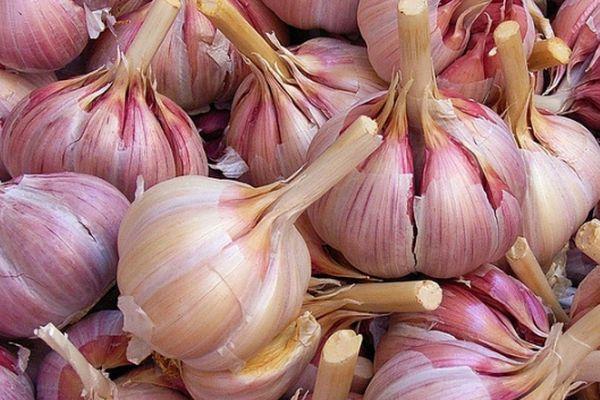
This is one of the best winter garlic varieties. The bulb is large, containing 6-13 cloves with firm flesh. It weighs quite a bit, reaching up to 30 g. It has a very pungent flavor.
This mid-season, bolting plant has long, green leaves covered with a light waxy coating. The period from germination to harvest is approximately 120 days.
Choose a well-lit location for planting. In the shade, the heads will be small, and the cloves will not have such a pungent flavor. Sandy loam soil is suitable for this plant. Only large cloves with no signs of rot can be used as planting material. They should be planted in the ground in September or October. After this, the bed should be insulated with sawdust. In the spring, remove the sawdust and moisten the soil.
After sprouting, garlic requires regular weeding, watering, and loosening of the soil. Watering should be stopped a month before harvest. Harvest garlic when two-thirds of its shoots have turned yellow.
Lyubasha
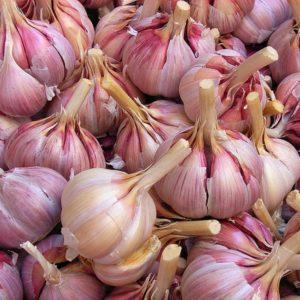
Is giant variety of garlicThis is a fairly large plant, as its stem reaches 1-1.2 m, and in some plants even 1.5 m. The leaves are long, green, with a medium waxy coating.
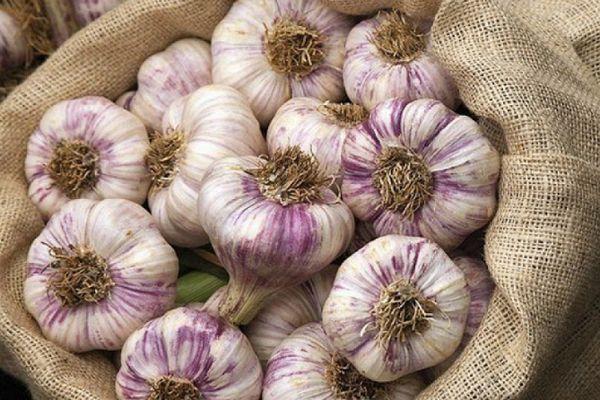
The head is round and very large, its weight can reach 80-120 g. The record weight of one bulb of this garlic variety was 375 g. One head contains 5-7 cloves covered with light pink scales.
This variety is rarely susceptible to disease, is pest-resistant, and has a long shelf life. It stores well for up to 10-11 months. It can be propagated by aerial bulblets or individual cloves. Planting material must be sorted and treated with special compounds to prevent the proliferation of pathogenic microorganisms. Planting cloves has a drawback: after just 2-3 years, the garlic yield may decrease.
baby bison
Zubrenok garlic was bred in Russia and is a winter bolting variety. It is mid-season, with a growth period of 94-105 days.
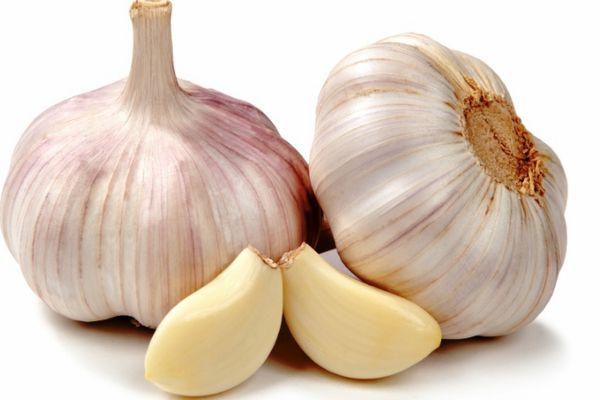
The leaves are dark green, and the bush grows to a height of approximately 50 cm. The plant produces large bulbs with 5-6 cloves covered with white scales. Each bulb weighs 60-70 g. The flesh is dense, juicy, and quite spicy.
The plant can be propagated by cloves, single-cloves, and bulblets. The planting material should be renewed every four years to prevent the garlic from degenerating. Garlic is usually planted from late October to early December, depending on the weather. The first shoots appear in the spring, when the soil temperature warms up to 7°C (44°F).
This variety produces a medium yield—approximately 1.2 kg of garlic per square meter. It has excellent shelf life; the bulbs can be stored until the New Year without rotting. They can be eaten fresh, added to preserves, and added to various dishes.
Messidor
This early and very productive garlic variety, bred in Holland, does not bolt. It can be grown in garden plots or over large areas. The plant is easily dug from the ground, and mechanical harvesting is possible if necessary.
Garlic is winter-hardy, but without snow, it can only withstand temperatures down to -15 degrees Celsius. Therefore, the planting site must be well insulated. Wood shavings, burlap, and corn shoots can be used as mulch.
Here are the main characteristics of the variety with a description:
- good taste, classified as semi-sharp;
- resistance to various garlic diseases;
- long-term storage in a dry place;
- high yield - up to 500 kg per hundred square meters.
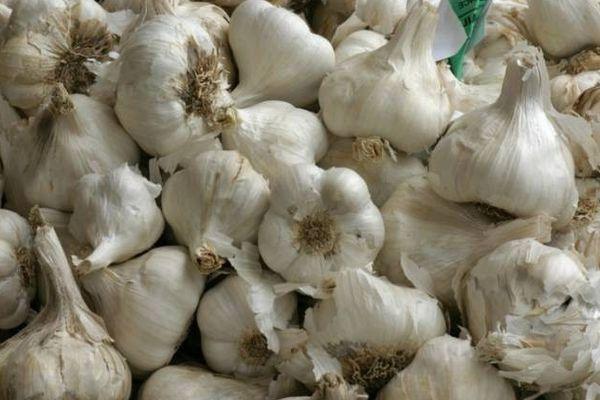
A head of garlic is very large, containing up to 14 cloves, each weighing approximately 6-8 g. This is an easy-to-grow plant that will thrive in any soil. However, its yield is higher when planted in loamy soil.
Petrovsky
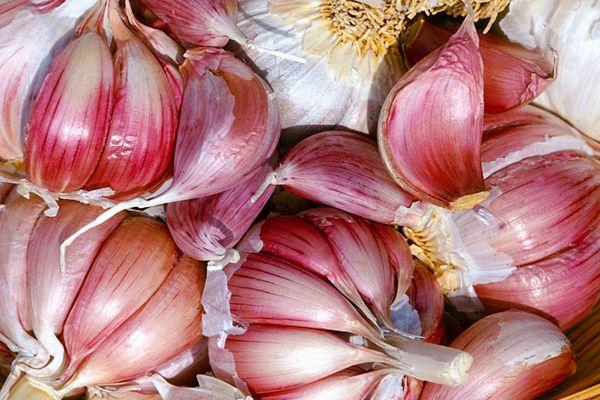
Winter garlic varieties are recommended to be planted in the fall. They will yield a smaller harvest if planted in the spring. Petrovsky is a mid-season winter variety that produces stems. The bulbs are round but slightly flattened. Each bulb weighs approximately 75 g and contains 7-8 cloves.
This variety has the following advantages:
- it is resistant to diseases and is practically not affected by pests;
- very tasty, spicy, therefore appreciated by gourmets;
- characterized by good productivity;
- has good keeping quality.
To ensure a good harvest, garlic is recommended to be planted in well-cultivated, highly fertile soils—loamy, non-acidic soils are ideal. It's not recommended to replant garlic in the same spot more than once every four years. It's best to plant cucurbits, legumes, and cabbage in the same area before planting garlic.
The optimal location for garlic is a dry spot with full sunlight. Begin preparing the beds in mid-August. Dig over the soil and add compost and straw.
Plant the cloves or bulblets in the soil a month before the cold weather sets in (September-October). This will give the plants time to establish roots. In the spring, remove the mulch, and loosen the soil after the first shoots appear. Water throughout May-June, stopping 20 days before harvest. Harvest the garlic when two-thirds of its shoots have turned yellow.
Dubkovsky
Dubkovsky garlic can be grown indoors in small plots. It is a winter-bolting plant that can be propagated by cloves, single cloves, or bulblets. The growing season lasts 98-114 days. The bulbs are flat-rounded, covered with three layers of outer scales. One bulb contains 10-12 medium-sized cloves, covered with dense white scales. The flesh is very juicy, pungent, with a pleasant garlic aroma.
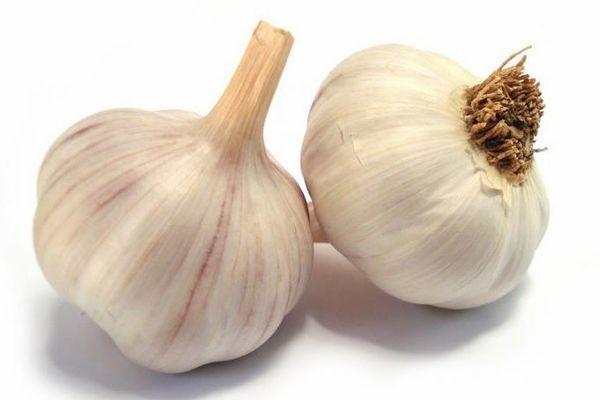
The variety has the following advantages:
- It produces high yields - up to 300 kg per hundred square meters.
- It has high frost resistance, withstanding temperatures down to -25 degrees Celsius.
- It has excellent shelf life and can be stored for up to 10 months. After harvesting, the shoots should be trimmed and stored in a dry place.
- Resistant to pathogenic microorganisms. Not affected by white rot.
However, the plant does have a drawback: it is often damaged by nematodes. Therefore, it should be treated with specialized insecticides.
Garlic is suitable for canning. Canned garlic does not explode and can be stored for several years.
Polesie souvenir
It was bred in Belarus. The result is a variety with the best qualities: good yield, excellent flavor, and long shelf life. This variety can be grown indoors and is also suitable for planting in large areas.
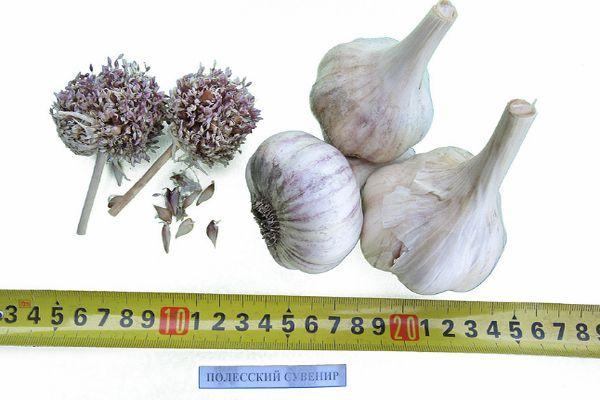
The leaves are dark green, up to 60 cm long. Typically, there are about 10 leaves on a single shoot. Approximately 35 days after germination, shoots appear, and after some time, aerial heads containing purple seeds form at the top of these shoots.
The bulbs are quite large, oval-shaped, and can weigh up to 150 g. They contain 6-7 medium-sized cloves. The flesh is dense, beige, and can be spicy or semi-spicy.
Seeds or cloves are planted in the soil in August-September. It is recommended to soak them in a weak solution of potassium permanganate 10 days before planting. This will prevent the seeds from rotting.
The soil in the area also needs to be properly prepared. To do this, dig it up to the depth of one spade. Then add fertilizer—compost and wood ash. The plant needs to be watered regularly. It responds best to drip irrigation.
It should also be weeded and the soil should be loosened to ensure good aeration.
Saved
This winter garlic variety produces stems. It is grown in Russia, Ukraine, Moldova, and Belarus.
Before planting, you should study the characteristics of Spas garlic:
- It has a long shelf life—up to 10 months. Store in a dry place. Avoid storing garlic in boxes or plastic bags. This can cause condensation, which can lead to increased humidity and rotting of the bulbs.
- The plant produces a large number of aerial bulblets, or bulblets, which can be used for planting.
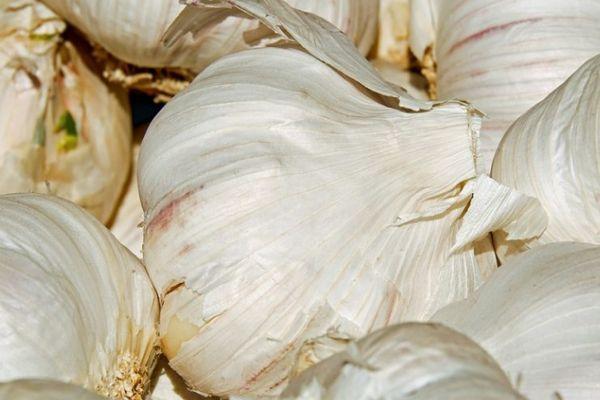
- The bulbs are round and contain 8 cloves with a simple structure. Each bulb weighs 60-100 g. The cloves are covered with purple scales.
- The growth period lasts 110-112 days.
The plant should be grown in open ground. To prevent clove rot, mulch the soil after planting. For good harvests, regularly fertilize, weed, and loosen the soil.
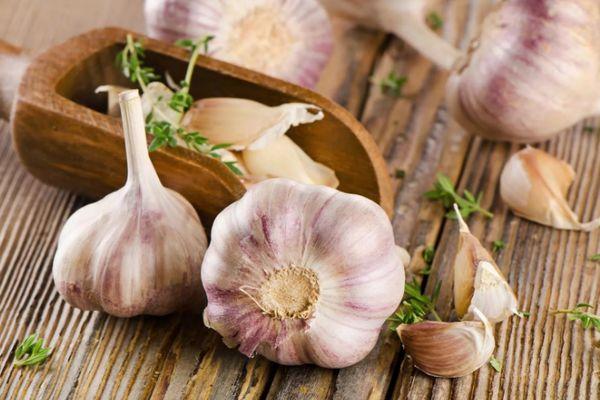
This variety has a versatile use. It can be eaten fresh, added to dishes, or used in canning. Even the green leaves are edible; they have a distinct garlicky aroma. Some people also prepare the shoots by adding them to potatoes.
Thus, there are many varieties of garlic. They require similar care, but yield different yields. If you're just planting garlic for yourself, the variety isn't really important. However, if you need to plant large quantities for sale, it's best to choose varieties with a good yield.
Related posts:
 How to propagate and grow peas, cultivation technology, and care in open ground
 How to properly plant peas in a greenhouse and open ground
 Garlic cultivation technology in open ground, planting times, and care guidelines for a good harvest
 How to properly grow and care for spring garlic in open ground and when to tie it into knots
 When can spring garlic be harvested in 2025? Harvesting from the garden and storage
 When to dig up garlic in the Moscow region in 2025
 The best grape varieties for growing in the Urals, planting and care rules in summer
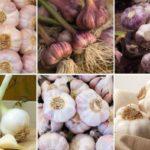 Winter garlic cultivation technology, large varieties and cultivation rules
No matter how good a garlic variety is, it requires proper care. Fertilizer should be added to the soil in any case. I use a bioactivator every year.BioGrow", has never let me down.