
Rocambole garlic is an unusual garlic variety distinguished from others by the size of its roots. Some gardeners call it "onion garlic" because the ripe garlic resembles an onion. Before planting this plant in your garden, you should familiarize yourself with its characteristics and basic planting guidelines.
Giant garlic
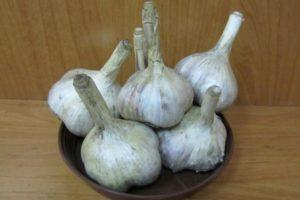
Giant garlic was known as far back as the 19th century. This is confirmed by the book "The Russian Gardener," a popular vegetable gardener published in the 19th century. At that time, few farmers grew this giant variety, but today it's quite common in gardens, as it's common among gardeners. Housewives use it in cooking and add it to various dishes to add a spicier, more flavorful taste.
Rocambole is known by various names. For example, many gardeners call it elephant garlic. Others prefer to call it Egyptian garlic. However, there are also other names used by some vegetable growers:
- German;
- horse;
- Lebanese;
- snake.
Description
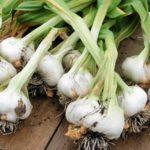
Large Rocambole garlic is a perennial vegetable that produces large bulbs weighing over 40-50 grams in the first year of cultivation. If grown in optimal conditions, the following year's harvest will increase to 80-100 grams. Harvesting is most often done two years after planting, but some prefer to wait three years. In this case, the garlic bulbs will weigh 150 grams.
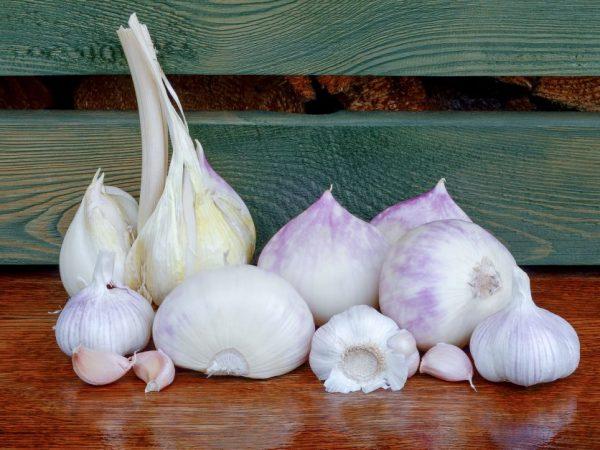
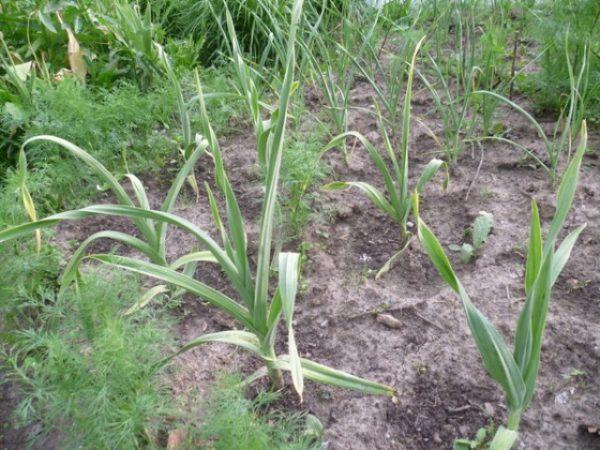
Mature bushes are covered with 7-9 leaves 1-2 cm wide, reaching a height of 55-65 cm. They, like the ripe fruits, are used in cooking and added to dishes.
To understand the benefits and harms of Rocambole garlic, it's important to familiarize yourself with its constituent components. The bulbs contain:
- oils;
- allicin;
- vitamins;
- iron;
- proteins.
All of the above-mentioned micronutrients make this vegetable beneficial. Regular consumption of this beneficial plant has a positive effect on the body's immune system.
Take a look Also
Types of Rocambole garlic
Before planting, it's important to research the main varieties of Rocambole garlic. This will help you choose the right variety for planting. There are two main varieties of Rocambole garlic, which are most commonly grown by gardeners.
The first variety is garlic, which was created by breeders based on garlic chives. This plant's distinctive features include small heads on the bushes, which later develop into flowers.
The second type of onion was created from grape onion varieties. This crop produces large heads weighing 30 grams. Garlic propagation is carried out vegetatively and therefore seeds are not required for this.
Reproduction
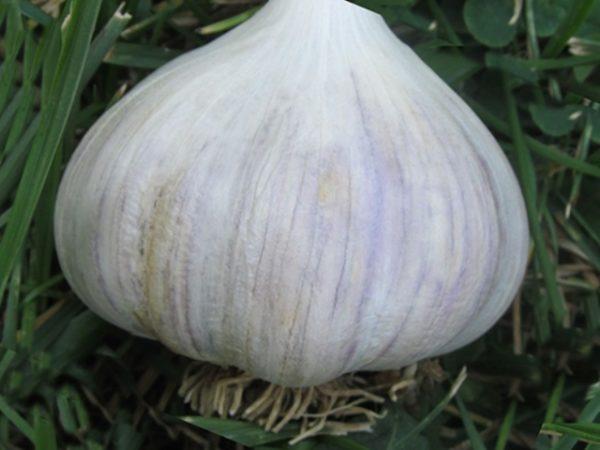
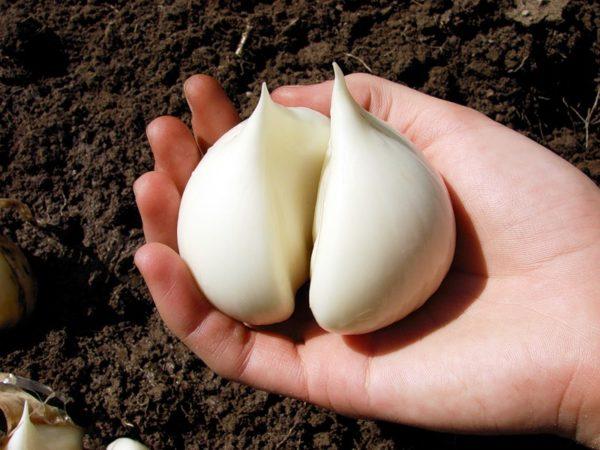
It's recommended to familiarize yourself with the propagation of Rocambole garlic in advance to avoid problems in the future. Cultivation is carried out using individual garlic cloves, which form within the main bulb. These cloves are the primary planting material needed for growing garlic bushes.
Before planting, each clove must be prepped. It's no secret that they are all covered with a special protective film. It's recommended to carefully remove this film to speed up germination. Some gardeners also treat them with solutions to stimulate growth.
However, there are other recommendations that will help you properly propagate Rocambole.
Soil cultivation and preparation for planting
Giant garlic should be grown in suitable locations. Experienced gardeners recommend planting it in a sunny area of the garden. Only areas with sufficient light will yield a good harvest.
When choosing a suitable site for garlic, pay attention to the soil. It should contain mineral microelements and compost. Therefore, if the soil lacks fertilizer, you'll have to add it yourself.
It's recommended to incorporate bone meal and sand into the soil. These components will improve the soil's looseness, which will help the garlic plants grow better.
It's recommended to prepare the plot for garlic planting in the fall, after harvesting. During preparation, the garden is dug, fertilized, and raked.
Planting rocambole in spring
Many people plant garlic cloves in the fall to harvest the bulbs in the spring. However, gardeners in southern regions can plant the seeds in the first half of spring. Before doing so, it's important to familiarize yourself with the basic recommendations to ensure proper planting:
- Before planting, the cloves are sorted by size to ensure uniform germination. Without pre-sorting, the seedlings will emerge at different times.
- Every square meter of the plot is fertilized with wood ash, well-ripened compost, and humus. After applying the fertilizer, all the beds are leveled with a rake.
- Before planting, disinfect the seed. To do this, disinfect the cloves in the refrigerator freezer for half an hour.
- After disinfection, all bulbs are planted in furrows 7-10 cm deep. The distance between planted bulbs should be 30-40 cm.
Planting rocambole in autumn
Garlic can be planted in the garden or nursery in the fall, a month before the onset of serious winter frosts. Planting is most often done in the first half of October, when the ground has not yet frozen solid. Within a few weeks, the planted cloves will have time to firmly root and sprout.
When planting Rocambole in the fall, it is best to follow these recommendations:
- Before planting, soak the seeds for 24 hours in a potassium permanganate solution. To prepare a disinfectant potassium permanganate solution, add 20-30 grams of the solution to a liter of water.
- When planting garlic, maintain optimal spacing between seedlings. Seedlings should be spaced 30 cm apart.
- The planted cloves are covered with a 4-5 cm layer of mulch. This will protect the plants from winter frosts.
Predecessors
Rocambole garlic grows well only in areas previously planted with suitable predecessor crops. These include zucchini, cucumbers, cabbage, and legumes, all of which were supplemented with compost. However, suitable predecessor crops include not only vegetables but also herbs. Garlic also grows well after rye, alfalfa, lupine, and rapeseed.
All of the above plants saturate the soil with nitrogen, organic matter and other mineral components that garlic needs.
Care
Garlic requires careful care to grow large, juicy roots. Without proper care, a good harvest will be impossible.
When caring for planted garlic seedlings, follow these recommendations:
- When the first shoots appear in the area, the soil around them is carefully loosened. This procedure is carried out when the shoots reach 10 cm in height.
- Although Rocambole seedlings tolerate drought well, they still require periodic watering. The soil should be moistened at least twice a week. Once the bulb formation period begins, watering should be doubled.
- If the surface of the leaves is covered with a light coating, the bushes need fertilizing. Experienced gardeners recommend adding nitrogen-rich fertilizer to the soil. Potassium-phosphorus fertilizers can also be used.
Take a look Also

Collection
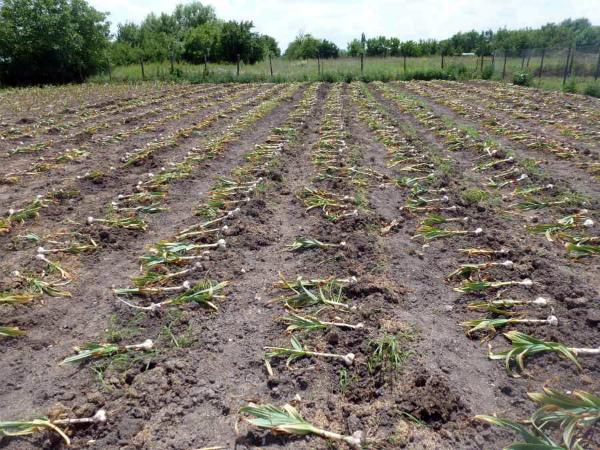
Garlic should be dug up when its lower leaves begin to yellow and dry out. If harvested later, the cloves will begin to crack and deteriorate. Therefore, it's recommended to periodically monitor the condition of the leaves to ensure you don't miss harvesting the roots.
When harvesting, the garlic is carefully dug up with a shovel. After harvesting, it is laid out in the sun to dry. For storage, garlic is transferred to the cellar. or another room with a temperature of 10-15 degrees.
Conclusion
Many gardeners grow Rocambole garlic. Before planting this variety, it's best to familiarize yourself with its description and the specifics of propagating it indoors.
Related posts:
 Description, cultivation, and agricultural technology of the garlic and onion hybrid Rocambole
 The best varieties and types of early and winter garlic with descriptions and names
 When can spring garlic be harvested in 2025? Harvesting from the garden and storage
 How to properly grow and care for spring garlic in open ground and when to tie it into knots
 Garlic cultivation technology in open ground, planting times, and care guidelines for a good harvest
 Features of planting and caring for family garlic, description of varieties, pest control
 Why does garlic turn blue and green when pickled, how to avoid this, and is it safe to eat?
 When to harvest winter garlic in Siberia, planting and storage times, varieties