
Few home cooks can live without garlic in their kitchen. This spicy vegetable adds flavor and aroma to dishes, boosts the body's defenses thanks to its antimicrobial properties, enhances the flavor of marinades and sauces, and is used fresh, pickled, and salted. Today, consumers increasingly complain about garlic cloves changing color after cooking. Why garlic turns blue during pickling is something we need to understand.
The main reasons why it turns blue or green
A definitive answer to why those delicious, creamy cloves of garlic suddenly turn dark blue or bright green remains elusive, even though the phenomenon was first documented over 50 years ago.
American food manufacturers encountered this problem when, in the 1950s, they launched industrial production of pureed peas, packaged in glass jars and containing acetic acid. The blue or green mass in the transparent containers alarmed consumers and, naturally, was rejected, with manufacturers contacting specialists to determine the cause of the color change.
Over many years of research, scientists have discovered that:
- If the integrity of the garlic cloves is compromised, the substances in its composition, interacting with the marinade containing acid, begin to participate in complex chemical reactions;
- the breakdown of alliin, which is found in large quantities in the vegetable and is responsible for its pungent taste, triggers the formation of sulfates and sulfides;

- Another reason for the appearance of a blue-green color is the presence of a large amount of copper in garlic, which is intensively released under the influence of the acid contained in the marinade;
- These chemical compounds color pickled garlic blue or green (remember the color of copper sulfate);
- The higher the alliin content in garlic cloves, the more intense the color will be.

However, blue or green discoloration of the slices in the marinade does not indicate an excess of harmful chemicals in the vegetable due to the excessive use of fertilizers or genetically modified organisms (GMOs), and is not an indicator of low product quality.
Garlic is a must-have in most homemade preserves, which require vinegar or citric acid. Don't be surprised if garlic, which contains a high amount of alliin, turns blue or green next to tomatoes or in jars of cucumbers.
The chemical reaction takes a long time to occur, so it doesn't change color immediately after canning, but it does become a source of concern for housewives after several months.
How do spices and seasonings affect color change?
Spices and seasonings that don't produce a pronounced acidic reaction don't alter the product's color. It can be safely combined with salt and herbs (dill, parsley, cilantro, celery). It doesn't change color when pickled, even during long-term storage.

That's why many housewives preserve garlic for future use, pickling it along with other herbs. Pepper, bay leaves, and other popular spices also don't affect the color of this favorite vegetable.
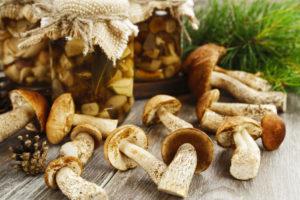
Mushrooms are an exception – they don't pair well with garlic and can turn it blue or green, quite a frightening sight. The misconception that onions change color if poisonous mushrooms are in a jar persists to this day, so strange-looking garlic cloves in a jar of mushrooms often force you to throw out the preserves.

It's best to add fresh garlic and onions after the jar of mushrooms has been opened - uncooked products contain more nutrients.
Important: it is preferable to consume the product fresh – it has antimicrobial properties and saturates the body with essential microelements.
The vegetable can turn green when fried, even if the cloves were cut into pieces and salted. To prevent this, add it to prepared dishes or use dried lard. The lard should be larded and stuffed with whole cloves to prevent discoloration.

Is it safe to eat blue garlic?
A vegetable that has changed color can be eaten without concern. Blue or green discoloration of the cloves does not indicate elevated nitrate levels, excess heavy metals, or other health risks.
It's mostly imported garlic from China or Spain that turns blue. It arrives in our markets already fully ripe, and the abundance of sunlight increases the vegetable's alliin content, significantly increasing the likelihood that it will turn green or blue when exposed to high temperatures or marinade. If you put aside the unusual aesthetic aspect of the product, it's perfectly safe to eat without any concerns about your health.

What to do to prevent garlic from turning blue
Following simple recommendations will allow you to obtain, when canned, appetizing slices of a normal color:
- For pickling, use young garlic that has not yet reached full ripeness.
- Marinate the cloves whole – do not cut even large pieces – contact with a knife increases the likelihood of discoloration.
- When preparing, cold marinades are preferable; exposure to boiling water increases the release of alliin.

- Long-term storage of vegetables before harvesting also contributes to the accumulation of the substance in the product, especially if it was stored in a cool warehouse.
- Use "local" garlic for winter preparations; harvest it immediately after harvesting.
- It's best to peel the mushrooms by hand for winter preservation, as a knife can damage the segments. You can also pickle them whole, after thoroughly washing them and leaving a bit of the skin on the bottom.
Young vegetables in a jar with tomatoes, cucumbers, and as an independent preparation, will remain beautiful and retain their usual color.

Choosing garlic correctly
The easiest way to prevent garlic cloves from turning blue is to choose young heads that haven't yet developed a thick skin. This vegetable can be pickled without separating it into cloves, just lightly peeled (removing the outer layer of skin). Beets are often added to such preparations.
Very tasty pickled green garlic shootsThey are eaten as a stand-alone dish or added to various salads. Jars of pickled young garlic cloves are quickly devoured, and the whole family loves this appetizer.
The color changes in canned products that have been sitting on the cellar shelf. Furthermore, if the marinade contains enough vinegar, the cloves won't turn blue.
When purchasing, choose firm, undamaged heads. Small garlic has a more refined flavor and aroma, so avoid choosing overly large specimens. Avoid buying sprouted garlic for winter storage.

How to properly pickle garlic so that it retains its color
To make delicious preserves, they are marinated immediately after harvesting. Before marinating, depending on the recipe, the heads are separated into segments, peeled, and blanched for 3 minutes. Whole heads are often marinated. In this case, they are not peeled completely; a thin layer of skin should be left on. Whole heads are blanched, just like cloves.
Before marinating, the garlic is soaked in cold water for a couple of hours – this also helps prevent the pickles from changing color later.
The vegetable is tightly packed into small jars; the slices are not cut off so as not to impair the taste of the product.
For pickling, use small sterilized glass jars.

It is very popular pickled garlic with beetsThe recipe is very simple:
- 0.5 kilograms of beets;
- a kilogram of peeled garlic cloves;
- one and a half tablespoons of salt and sugar;
- 100 grams of table vinegar;
- 300 milliliters of water.
The beets are grated and juiced. Salt, sugar, and water are then added, and the juice is brought to a vigorous boil for no more than 5 minutes. The garlic is carefully peeled without damaging the cloves, blanched, and rinsed with cold water. The product is tightly packed into clean, sterilized jars, filled with hot brine, and vinegar is added before sealing. The pickled garlic is stored in a cool cellar.
 Another interesting recipe: cooking Korean-style garlic in soy sauce.
For the snack you will need:
- 0.5 kilograms of peeled garlic cloves.
- 0.5 cups of table vinegar.
- 2 cups soy sauce.
Blanch the cloves, place them in clean, dry jars, cover with vinegar, and let them steep for a week. Then, drain the vinegar, and completely cover the cloves with soy sauce that has been boiled for 10 minutes. Seal with sterilized lids and store in a cool cellar. This makes an excellent appetizer for meat and fish dishes, served with the sauce, which has absorbed the flavor of the spicy vegetable.
To make salted preserves, the spicy vegetable is peeled and sprinkled with salt and spices, without using water, vinegar or lemon.
To prevent pickled garlic from turning green or blue, choose domestically grown vegetables, which contain significantly less alliin.
Of course, multicolored garlic isn't harmful to health and doesn't lose its flavor, but bright, beautiful jars with appetizing cloves are more familiar to our home cooks. Over time, you might come to terms with this surprising color, but perhaps these simple tips will help you avoid it.

Related posts:
 When can spring garlic be harvested in 2025? Harvesting from the garden and storage
 The best varieties and types of early and winter garlic with descriptions and names
 Why is the garlic in my garden growing small and not separating into cloves? What should I do?
 The 15 best ways to store garlic after digging it up at home
 How to properly grow and care for spring garlic in open ground and when to tie it into knots
 27 of the most delicious eggplant appetizer recipes for the winter
 How to properly dry winter garlic after digging and where to store it at home
 Features of planting and caring for family garlic, description of varieties, pest control