
Garlic bulbs are prized for their pungent flavor and distinctive aroma and are used for preserving, pickling, and adding to salads and other dishes. The bulb's cloves are rich in polysaccharides, carotene, and ascorbic acid, and contain allicin, which kills microbes and prevents the development of cancer cells. Many gardeners plant this wonderful vegetable, but often wonder why they grow small garlic when they bought large bulbs at the market.
Poor growth
The crop has different varieties, winter ones are planted in the fall a month before the onset of persistent cold weather. They can be distinguished from spring garlic You can use larger cloves, which are located in a single row from the stem. Although both varieties require almost the same care, the yield depends on other factors. If a winter variety is planted late, it may freeze and become diseased during a cold winter. Then, don't be surprised why your garlic isn't growing.
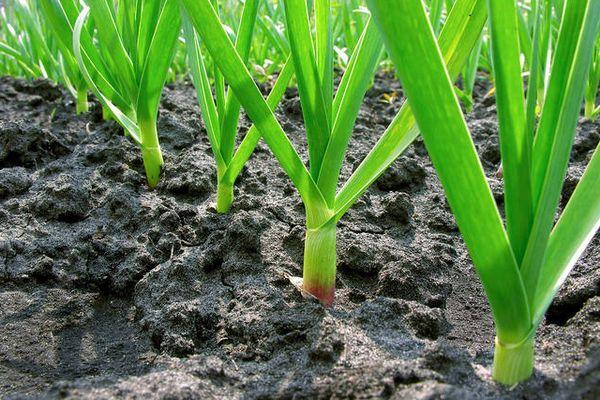
The bulb cloves of spring-grown citrus fruits, arranged like citrus segments, are sown in the ground in early spring, when the soil still contains moisture and temperatures are cool. If the weather gets too hot, the roots stop growing, and large bulbs fail to form.
When planting any variety, select large heads with cloves free of dents and cracks. Poor-quality seed will cause the garlic to become smaller. It will also degenerate if grown in the same bed for several years.
Insufficient watering
The plant has a poorly developed root system, and the cloves are planted at a shallow depth, allowing water to evaporate quickly. In the northwestern and central regions, where rainfall is frequent, garlic does not require additional watering. In southern regions, where summers are dry and hot, regular watering is essential, otherwise the soil will deform and small bulbs will grow.
When planting both spring and winter crops, irrigation rules cannot be ignored:
- There is no need for humidification if the air has not warmed up to +13°C.
- Warm and soft water is used.
- The soil is loosened after each watering.
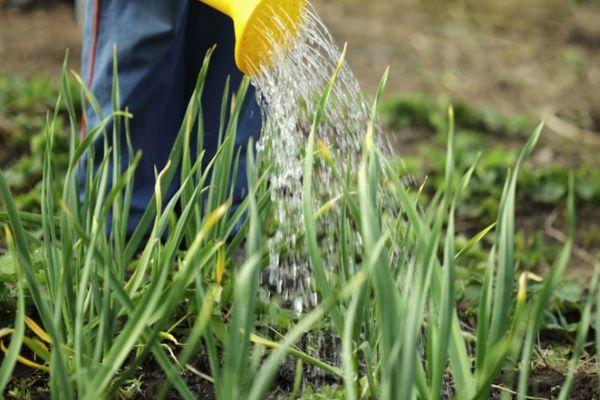
During the ripening period, you need to water less often, otherwise the heads will take a long time to grow, will not have time to ripen, and their taste and smell will deteriorate.
Garlic needs water most when the growing season begins; mulching the beds prevents water evaporation, but the crop does not tolerate stagnant moisture.
Poor quality seed material
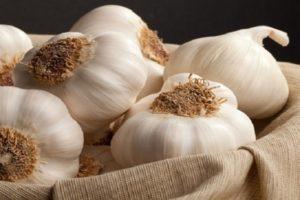
Don't expect a harvest of large bulbs if you plant all the seeds in a row. Choose bulbs that have no cracks or dark spots, undamaged bases, and uniformly colored cloves. The bulbs shouldn't be soft. Large garlic will grow from selected cloves; experienced gardeners recommend avoiding bulbs with fewer than four cloves.
Take a look Also
![When should you dig up garlic in the Moscow region in [year]?](https://harvesthub.decorexpro.com/wp-content/uploads/2018/07/kogda-vykapyvat-chesnok-v-moskovskoj-oblasti-9-300x200.jpg)
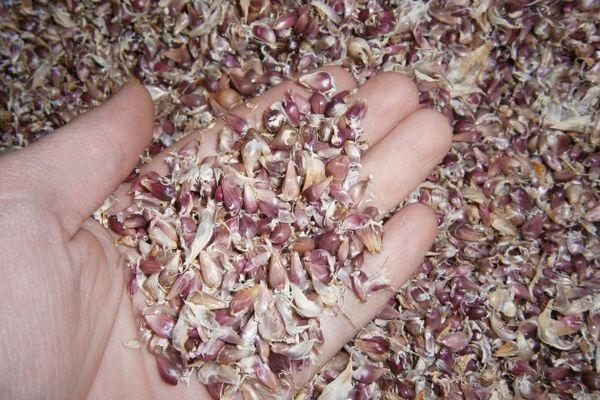
Before planting, it is useful to soak the seeds using one of the following solutions:
- for 30 minutes in a pink solution of potassium permanganate;
- overnight in copper sulfate;
- for an hour, mixing a glass of ash in a liter of water.
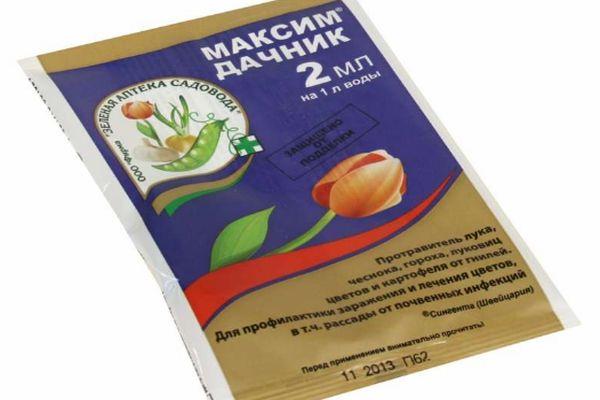
Garlic will grow faster if the cloves are treated with "Maxim." Sold in ampoules, it protects against diseases throughout the growing season. "Fitosporin" is used to treat bulb cloves planted for the winter. This fungicide boosts the plant's immunity.
Large garlic sold at the market can be simply stuffed with organic matter and often dies when planted for the winter, so it's best to harvest the cloves yourself.
Barren land
Sometimes you hear gardeners say, "I grow cucumbers, tomatoes, and potatoes in my garden. The vegetables produce a good harvest, and the only thing I don't like is the garlic, which produces large heads."
The plant thrives in loose, crumbly soil rich in micronutrients. It will thrive in a site with fertile, neutral soil.
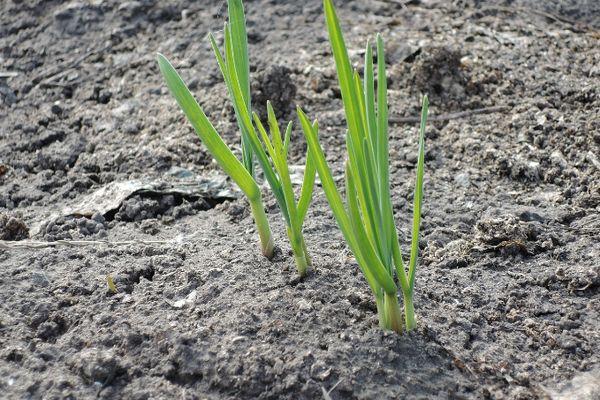
Dense soil should be diluted with sand or peat, depending on its composition. Urea is added in early spring, as this is when garlic requires nitrogen. When the heads begin to form and grow, other nutrients become necessary. At this time, superphosphate is applied, which contains the following compounds:
- gland;
- fluorine,
- aluminum.
At the end of July, fertilize the plants with potassium salt or dust the tops with ash. In the fall, add organic matter when digging the plot. Winter garlic grows well in loamy soil, while spring varieties are best planted in sandy loam soil.
Other reasons
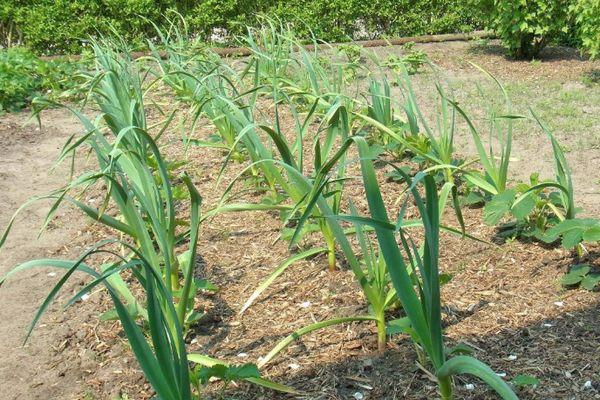
Probably all landowners know that vegetables planted in the shade won't yield a good harvest, and although garlic ripens in the ground, it requires plenty of light. Large, sunlit fields will produce larger bulbs.
Sometimes, even in black soil, with normal moisture and regular fertilizing, small heads are dug up in the fall. After tomatoes, potatoes, and onions, the crop feels uncomfortable.
Planting in place of such predecessors is also one of the reasons why garlic in the garden grows small.
Some gardeners tie the leaves into a knot a few days before digging up the bulbs. Scientists haven't confirmed that this procedure promotes bulb growth, but it does have some positive effects on the foliage:
- The dried above-ground part of the garlic forms scales, which prevents infection from entering the root crop.
- Nutrients are directed not to the leaves, but to the head.
- The bulb stops growing and does not spoil for a long time.
Experienced gardeners plant garlic after alfalfa, cucumbers, clover, beans, and cabbage. Carrots, eggplants, and radishes remove nutrients from the soil by drawing up everything it contains.
 Garlic will grow poorly after onions, since both crops are affected by the same pathogenic microorganisms and pests.
Diseases that slow growth
Although this pungent vegetable acts as an insecticide, protecting pepper and strawberry crops from pests, it itself suffers from fungi and is susceptible to black and green mold. Garlic grows poorly and can be killed by mosaic disease, a virus that destroys inflorescences and leaves.
White rot, caused by a fungus, occurs in young plants; the upper part dies off, causing the cloves to become deformed and disappear. In extreme heat and high soil temperatures, the vegetable is susceptible to fusarium wilt.
Rust on garlic: how to treat it
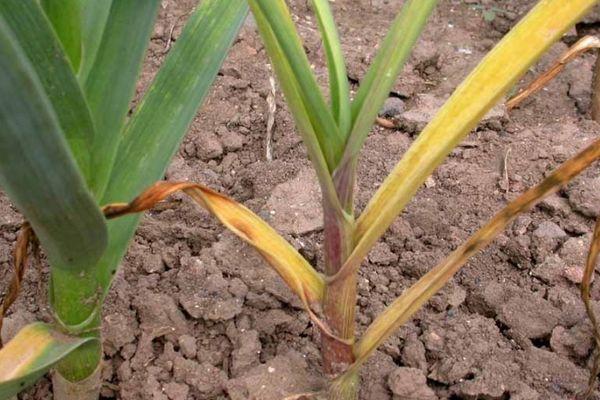
Sometimes yellow stripes or raised spots appear on the plant's leaves, which quickly increase in size.
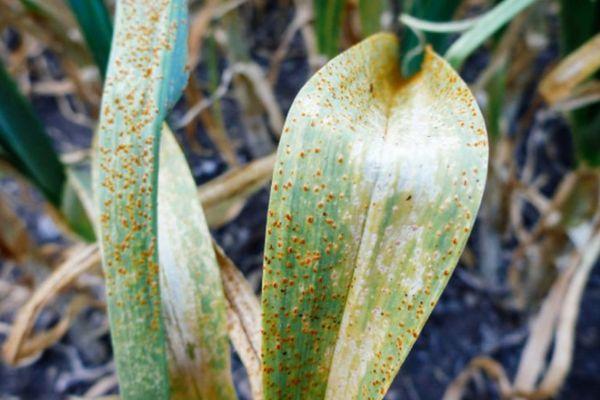
The bulbs begin to experience a lack of nutrients, do not develop, and cannot grow, which leads to:
- to reduce in size;
- deterioration of taste;
- for short-term storage.
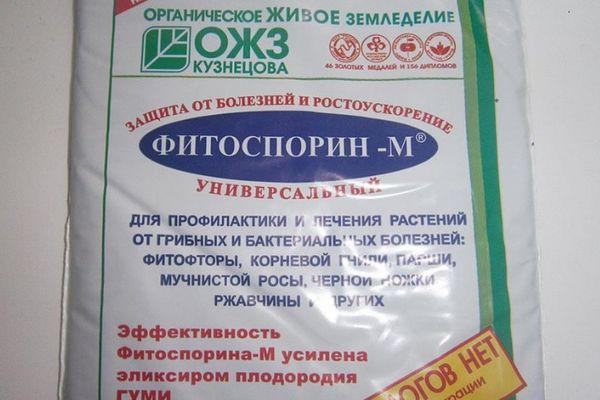
When it appears Rust on garlic: how to treat it Not everyone knows about garlic rust. Preventing this disease is much easier than treating it. Affected beds are sprayed with copper sulfate, but this doesn't always produce a positive result. To prevent rust, before planting garlic, soak the cloves in a formalin solution for a couple of hours and water the area with Fitosporin.
Bacteriosis or bacterial rot
Plant diseases primarily occur during the growing season. Some pathogens infect the cloves, causing them to rot and prevent sprouting. Pathogenic microorganisms, which thrive on the remaining stems, penetrate the garlic bulbs and are carried by insects. Bacterial blight affects immature bulbs, causing the cloves to become translucent, crack, and quickly rot.
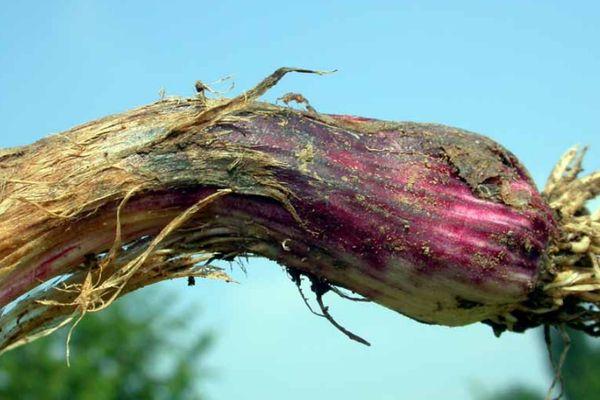
The development of the disease is facilitated by a weakened immune system in garlic, which occurs when grown in depleted soil or due to unfavorable weather conditions. To prevent bacterial rot, it is necessary to:
- observe crop rotation rules;
- dig the soil deeply;
- add phosphorus fertilizers to the soil;
- disinfect the cloves before planting.
You shouldn't pick unripe bulbs, they will continue to grow, and when they ripen, the garlic will not crack.
Downy mildew or peronosporosis
Rainy summers can trigger the activation of a microscopic fungus that overwinters not only in the remains of stems but also in the bulbs of vegetable crops. It causes downy mildew. Affected plants develop a coating of leaves, stems stop growing, flower stalks break, and heads fail to form. Garlic resistant to downy mildew has not yet been developed.

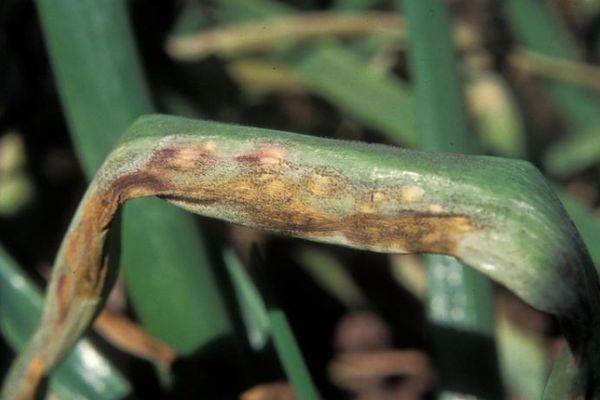
To prevent the occurrence of downy mildew, it is necessary to treat planting material, adhere to crop rotation rules, and remove weeds from the garden bed.
Fusarium wilt in garlic: control measures
In southern regions, where summers are hot and winters are warm, the plant is susceptible to one of the most serious fungal diseases. It develops when the bulbs are just beginning to form. Fusarium wilt quickly causes the stem to turn yellow and dry out, the leaves become covered with a pink coating, and the plant is easily pulled out of the ground and unable to grow. The bases of the bulbs become soft, fewer of them ripen, and the garlic has few cloves.
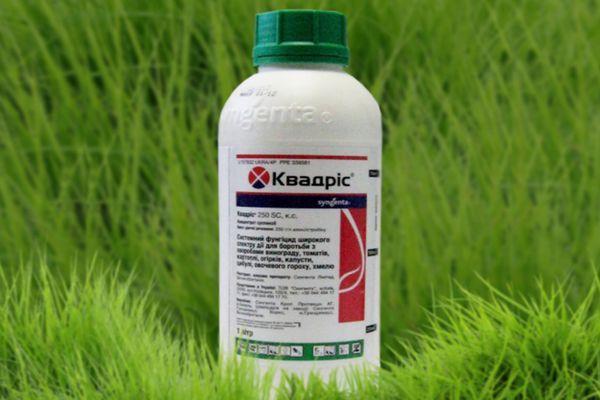
Preventing fusarium infection can be achieved by treating seeds with fungicides before planting, maintaining crop rotation intervals, and creating optimal storage conditions for root crops. Infected plant beds are sprayed with Quadris.
Black and green mold rot
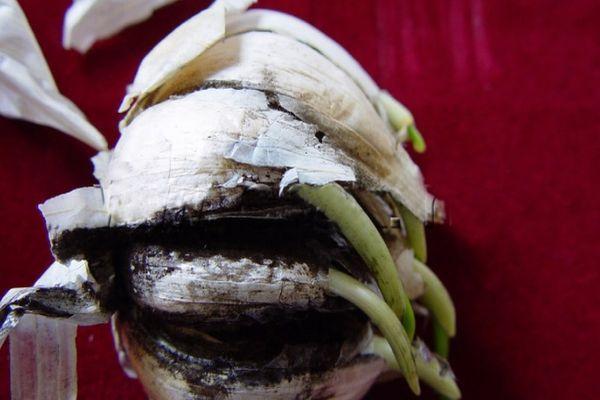
Poor ventilation, high temperatures, and high humidity can cause garlic to spoil. If the root is not dried sufficiently or dug up prematurely, spores can form between the cloves, and the bulbs can split into cloves, which become soft and rot.
To prevent black mold, 2 or 3 weeks before harvesting, the beds where the crop grows are sprayed with Bordeaux mixture.
With penicillium wilt, yellow spots appear on garlic cloves; over time, the head dries out, the cloves wrinkle and turn into dust.
Necessary measures to enhance growth
Every gardener enjoys a good harvest, but not everyone shares the secrets of growing vegetables or advises what to do if garlic isn't growing well.
Use only healthy, large cloves for seeding. There should be many of them in a head, not just three. If you disinfect the cloves and soak them in a growth stimulant solution before planting, the garlic will grow well.
If the soil in your garden is highly acidic, you can sprinkle a little ash on it. The beds need to be fertilized with both organic and mineral nutrients, watered regularly, and weeded, so that the garlic will grow large.
Related posts:
 How to properly grow and care for spring garlic in open ground and when to tie it into knots
 The best varieties and types of early and winter garlic with descriptions and names
 When can spring garlic be harvested in 2025? Harvesting from the garden and storage
 How to properly dry winter garlic after digging and where to store it at home
 Why does garlic turn blue and green when pickled, how to avoid this, and is it safe to eat?
 Why garlic rots in the garden and what to do about it, causes of diseases and control measures
 Description of the Rocambole garlic variety and the features of its planting, cultivation and care
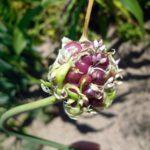 Planting and growing garlic from bulblets in open ground, care and harvesting
For garlic, it's essential to use bio-growth activators; then these problems won't happen. I buy the product "BioGrow", it is completely natural and has a wonderful effect on the soil.