
- Signs of garlic rot in the garden
- Common causes and methods of combating rot
- Failure to comply with growing requirements and conditions
- Fungal and bacterial infections
- Downy mildew, or peronosporosis
- Can garlic infect other plants?
- Rust on leaves
- Neck rot
- Fusarium, or bottom rot
- White rot, or sclerotinia
- Green mold, or penicillosis
- Black mold, or aspergillosis
- Viral diseases
- Yellow dwarfism
- Mosaic
- Prevention of rotting
- We adhere to the planting and harvesting deadlines
- Selection of planting material
- The optimal place
- Crop rotation
- Improving soil fertility
- Disinfection of seeds and soil
- Fertilization
- Pest and disease control
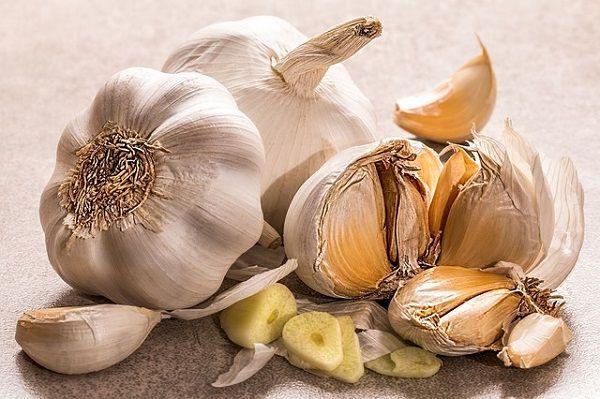
It's hard to imagine a modern gardener's garden without garlic beds. This aromatic vegetable makes a savory addition to meat dishes. Growing garlic is easy, provided you follow proper agricultural practices and care guidelines. However, sometimes garlic plants become diseased. Why does garlic rot in the garden, what's happening, and what can you do? It's important to quickly determine the cause and save the future harvest.
Signs of garlic rot in the garden
The sooner the cause of the rot is determined, the greater part of the crop can be saved.
The main signs of garlic rotting in the garden:
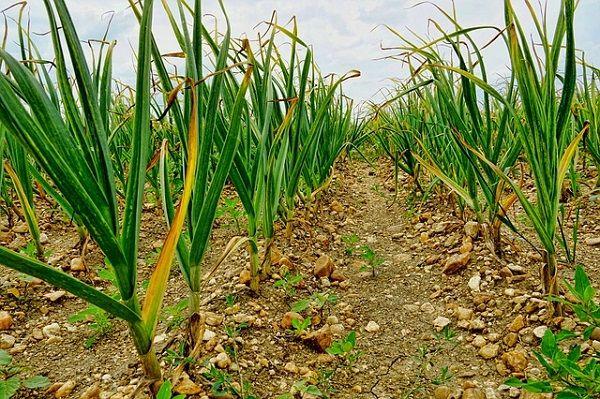
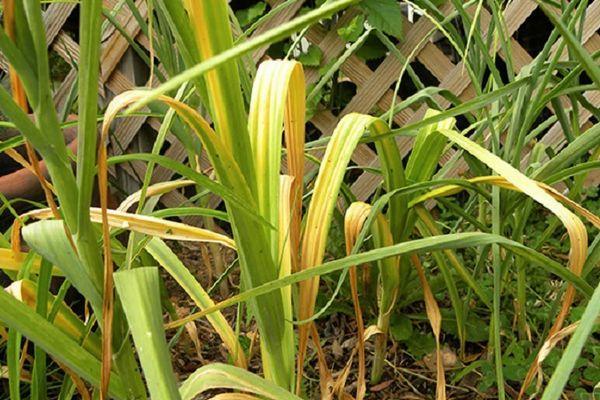
- The tops and stems begin to lose their color intensity, turn yellow, and lie close to the ground.
- The garlic cloves become covered with a white coating.
- Plants are lagging in growth, roots are rotting.
- The neck of the stem turns black.
- Spots appear on the leaves.
- The cloves become watery and soft.
All these signs indicate that your favorite vegetable is sick. You should dig up the underground portion of the plant with yellowed leaves and inspect the bulb. The garlic may be infected with dangerous fungi and bacteria; the diseased garlic bulbs will need to be removed.
Before sowing, pay attention to the quality and signs of rot on the seed. If the seeds are contaminated, no matter how you rotate the beds, outbreaks of infection cannot be avoided.
Common causes and methods of combating rot
Most causes of garlic rot are fungal and bacterial activity. The infection enters garden beds for the following reasons:
- Poor quality infected planting material was used.
- The soil in the beds was not disinfected.
- Outbreaks of fungal infections have been observed in this area in the past.
- Crop rotation rules have been violated.
- Water stagnation has formed at the roots.
- Plant debris was not removed from the beds.
- There was an oversaturation of plantings with organic fertilizers.
When growing garlic on your plot, it is necessary to adhere to sowing times and agricultural practices. Note! Be sure to follow crop rotation recommendations. Garlic should not be planted after bulbous plants or carrots. The best predecessors are cucumbers, cabbage, beans, peas, and broad beans.
Take a look Also
Failure to comply with growing requirements and conditions
It's important to choose the right site for your garlic beds. The location should be sunny, elevated, and avoid waterlogging around the roots. Here are some basic care guidelines to follow when growing garlic:
- Weeding, loosening and removing weeds from garlic beds.
- Compliance with the timing of sowing and harvesting.
- Preparation and disinfection of soil before planting.
- Regular watering without excess moisture.
- Removal of flower stalks at specific times.
Proper agricultural practices and regular care are the key to a healthy harvest. To prevent outbreaks, it's recommended to regularly inspect your garden beds for signs of disease.

Fungal and bacterial infections
Unusual weather conditions and a lack of regular maintenance create a favorable environment for pathogenic microorganisms. The main culprits of plant rot are various types of fungi and bacteria.
Downy mildew, or peronosporosis
The causative agent is the fungus Peronospora destructor Casp. The first sign of the disease is the formation of rough, milky-white spots of varying shapes on garlic leaves. The foliage begins to curl and fall off. The infection spreads rapidly. Outbreaks are most severe during cool summers and prolonged rainy seasons.
Can garlic infect other plants?
Fungal spores can be carried by wind to other plants in the same family. The disease progresses rapidly, and secondary infections are possible.

Rust on leaves
The disease begins on the leaves, where small, raised, rough, orange-brown spots form. The infection then spreads to the stem and bulb. The plant begins to receive insufficient nutrients, the bush turns yellow, and the leaves curl. The disease can quickly spread throughout the entire plot, infecting other plants.
Neck rot
The causative agent is the fungus B. squamosa. Experienced gardeners notice the first signs of the disease even during the growing season.
Small, hole-like spots with a green halo appear on the lower leaves at the base of the stem. After a few days, the bush turns yellow.
Wet, grayish spots appear on the garlic head. The disease quickly spreads to the bulb, where mold develops.
Fusarium, or bottom rot
Obvious signs of the disease can be detected by digging up the bulb. Diseased plants will develop a pink coating on the cloves, which dry out, lose their sap, and become mummified. The roots rot completely. The main causes of the disease are infected seed, overwatering, and drought.

White rot, or sclerotinia
The affected bush turns completely yellow. The foliage dries up and dies. The bulb rots, and the cloves become waterlogged. The roots die and fall off. Typically, the disease spreads to garlic from contaminated soil. Low temperatures combined with high humidity trigger an outbreak.
Green mold, or penicillosis
The causative agent is the microscopic fungus Penicillium expansum. The disease is identified by its distinctive penicillin-like odor. Moist, pale yellow spots appear on the bulbs, which later become covered with a rough, bluish-green coating. The cloves shrivel, dry out, and mummify. The disease typically spreads to garlic from the soil.
Black mold, or aspergillosis
A distinctive "charcoal" dust forms on the garlic bulbs, and the cloves become soft and watery. The rot soon spreads to neighboring bulbs. Without antifungal treatments, the harvest cannot be saved.

Viral diseases
The second scourge of garlic crops is viral diseases. The virus infects the plant, lives, and actively reproduces via the garlic's nutritious juices.
Yellow dwarfism
The most common virus affecting garlic beds belongs to the genus Potyvirus. Yellow stunt disease is transmitted by various species of aphids, mites, and soil nematodes.
The virus is not transmitted by contact between plants.
Signs: yellow spots appear on the leaves, the garlic begins to lag sharply in growth, the leaves bend at the internodes, the stems and tops become deformed.
Mosaic
The virus attacks the inflorescences and leaves. The garlic plants collapse to the ground. Dried, white, striped and speckled areas appear on the tops. Stems and leaves become deformed, inflorescences fuse together, and small bulbs may form instead of flowers. The virus spreads rapidly, most often spread by mites.
Prevention of rotting
To preserve garlic and avoid harvest losses due to fungal and viral diseases, it's important to implement a comprehensive set of preventative measures to combat pathogenic microorganisms. Prevention is easier than long-term treatment.
We adhere to the planting and harvesting deadlines
Depending on the growing region and the garlic variety, the timing of sowing seeds in the ground varies.
Don't plant cloves too early or too late. Every vegetable plant has its own biological cycle, and if it's disrupted, the crop loses its immunity and quickly weakens.
Selection of planting material
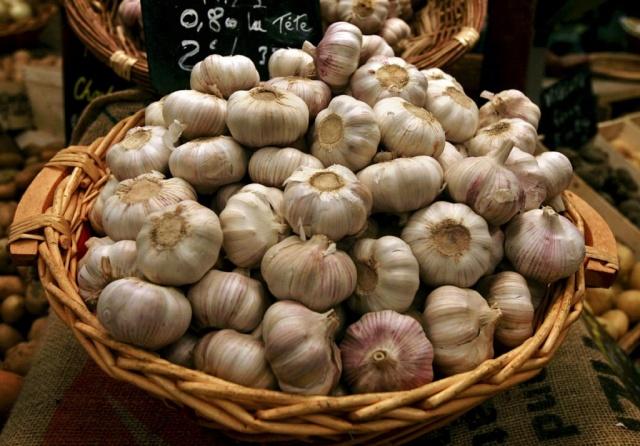
Purchase planting material from reputable stores; avoid buying garlic for planting at spontaneous farmers' markets. You could choose the wrong variety, poor-quality seeds, seeds contaminated with fungal infections, seeds that haven't been disinfected, or seeds stored in unsanitary conditions.
The optimal place
Garlic beds should be placed in well-lit, elevated areas. Avoid growing garlic in shaded areas or low-lying areas. Proper selection of planting partners and adherence to crop rotation guidelines are essential when choosing the optimal location for growing garlic.

Crop rotation
The best predecessors for garlic are legumes, cucumbers, early potatoes, and cabbage. It is not recommended to grow garlic after members of its own family or various root vegetables.
Improving soil fertility
Garlic prefers light, sandy loam soil. Avoid adding fresh manure to the beds. Before planting, improve the soil with sand and create drainage using expanded clay. If garlic is planted in loamy soil, add superphosphate, compost, and potassium salt.

Disinfection of seeds and soil
Before planting garlic cloves in the soil, disinfect the seed and soil. Dug the beds with boiling water or water them with a solution of potassium permanganate or brilliant green. It is recommended to expose the seeds to sunlight or an ultraviolet lamp for three hours. The cloves are also soaked in a bucket of warm potassium permanganate solution.
Fertilization
Garlic plants require fertilization. The crop responds well to nitrogen fertilizers. Among folk remedies for improving soil fertility, the most effective is watering the beds with a diluted infusion of bird droppings or cow dung. This fertilization is done twice per season.
Pest and disease control
Garlic beds should be treated with a weak solution of potassium permanganate several times during watering. It's important that the solution falls directly on the tops of the plants. Mustard powder and wood ash are used to control pests. In cases of severe infestations, insecticides and fungicides are used.
Growing healthy garlic in your garden is easy. It's important to follow proper agricultural practices and planting timing. At the first sign of disease, take immediate action to prevent the disease, which will allow you to save most of your harvest.
Related posts:
 The best varieties and types of early and winter garlic with descriptions and names
 When can spring garlic be harvested in 2025? Harvesting from the garden and storage
 How to properly grow and care for spring garlic in open ground and when to tie it into knots
 Why is the garlic in my garden growing small and not separating into cloves? What should I do?
 How to properly dry winter garlic after digging and where to store it at home
 Description and cultivation of single-clove garlic, planting and care rules
 Description and yield of the Lyubasha garlic variety, planting and care
 When to dig up garlic in the Moscow region in 2025
The problem of rot is often caused by poorly chosen planting locations. This crop dislikes damp soil and humidity, and can rot at the slightest disturbance. This often happens after blight, such as after potatoes or tomatoes.