
- Climate characteristics of the Ural region
- What determines planting times?
- From the growing area
- From the variety
- The best winter garlic crops
- Garkua
- Alcor
- Lyubasha
- Varieties of summer garlic
- Landing
- Site preparation
- We select a location taking into account crop rotation
- Preparation of planting material
- Preparing the ground
- Forming beds
- Technology of planting garlic crops
- Plant care in spring
- Watering
- Weeding and loosening
- Top dressing
- Signs of head maturation
- How to determine the harvesting time in the Urals?
- Spring garlic
- Winter
- Lunar harvest calendar for 2025
- Favorable days
- Unfavorable
- Cleaning rules
- Preparation for storage
Adhering to the garlic harvesting schedule allows you to grow a crop with excellent flavor. Knowing the garlic harvesting time in the Urals in 2025 will help you harvest your crop on time.
Climate characteristics of the Ural region
When growing winter and spring garlic in the Urals, climate conditions must be taken into account. The Ural region's climate is unique due to its geographic location. Situated far from any ocean, the region is located inland. The flat terrain typically experiences a continental climate.
The western Urals receive a high amount of precipitation, resulting in moderate humidity. The eastern part receives significantly less precipitation, resulting in a dry continental climate.
What determines planting times?
Garlic planting begins at different times. Sowing times are determined taking into account the crop variety, the climate in a particular area, and the ripening time of the selected variety.
From the growing area
Planting times vary depending on weather conditions in different parts of the Urals. In the southern part, warm temperatures arrive earlier, and frosts arrive later than in the central Urals.
From the variety
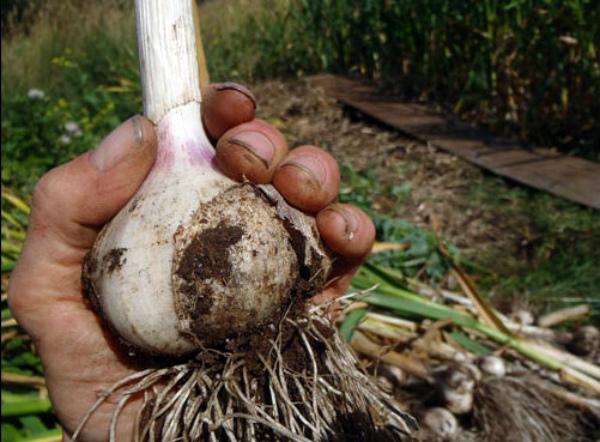
Winter varieties of the crop are usually planted in late September or early October. If frost is expected later, sowing in November is acceptable. To choose the optimal sowing time, check the soil temperature and consider the planting depth. It is recommended to plant the cloves 12-15 cm deep five weeks before frost. The soil temperature at the planting depth should be around 7°C.
Spring garlic is planted in the spring. To begin sowing, simply wait until the soil warms above freezing. In the Ural region, this typically occurs in the second half of April. Spring varieties are planted 2-4 cm deep.
The best winter garlic crops
With so many varieties to choose from, it can be difficult for an inexperienced gardener to find the right one to plant. When planning your next crop, it's important to familiarize yourself with the most common varieties, prized for their excellent flavor and ease of care.
Garkua
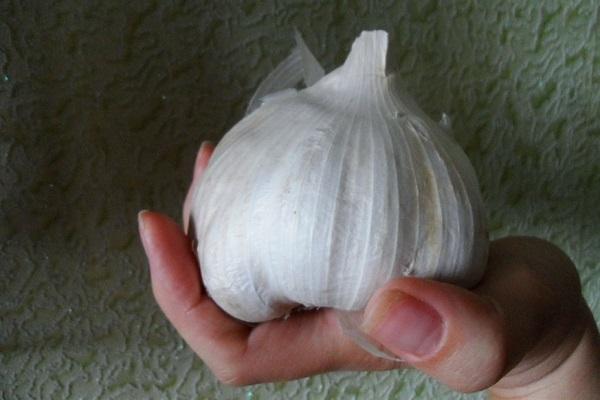
The Garkua winter garlic variety is characterized by a mid-early ripening period. The harvest ripens in the second half of June. Ripe heads are covered with white-pink scales. The main advantages of this variety are:
- abundant harvest;
- growing in soil of any composition;
- resistance to cold snaps.
Take a look Also
Garkua garlic heads produce compact cloves, typically numbering no more than 16.
Alcor
Alcor Garlic Early-ripening, it produces dense, rounded heads. Each head contains up to 5 large cloves. The husks are pinkish-lilac, and the plumes are dark green with a distinct waxy coating. This variety requires ample space to grow. The advantages of the Alcor variety include: disease resistance, frost resistance and ease of care.
Lyubasha
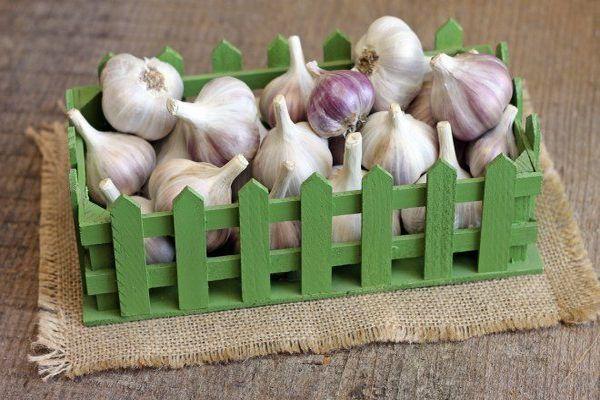
The giant Lyubasha variety is an early-ripening variety, producing large heads weighing up to 300 g. Plants reach 120 cm in height, with densely packed leaves and a waxy coating. Each head contains seven cloves, covered in a pinkish husk with prominent purple veins. This variety is frost-tolerant, has no specific soil requirements, and produces fruit even in drought conditions. Garlic Lyubasha valued for its high yield and long-term storage ability.
Varieties of summer garlic
Summer garlic varieties also have their favorites. The most popular include:
- Victorio. A mid-season, non-bolting variety with a high yield. The heads are flat-round and have yellow-white skins.
- Gulliver. A mid-late variety that produces dense heads resistant to common diseases.
- Elenovsky. A productive variety with a mid-season ripening period. The heads are firm, round, and have white skins.
Landing
Let's take into account all the aspects related to planting garlic.
Site preparation
For planting garlic, choose a site with good daytime sunlight. It's also important to avoid waterlogging. It's recommended to choose a site on a slightly elevated hill, away from large objects that could cast shadows.
We select a location taking into account crop rotation
It's recommended to choose cereal crops as garlic predecessors, with the exception of oats and barley. Onions and carrots are undesirable predecessors. Also, avoid planting garlic back-to-back in the same spot, as this will deplete the soil and prevent the new plants from receiving sufficient nutrients.
Preparation of planting material
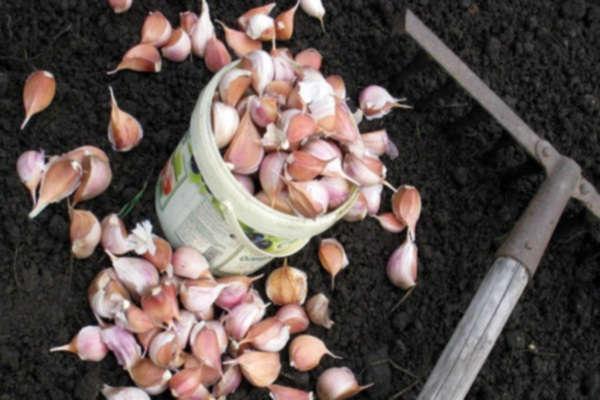
The cloves for planting should be visually inspected to remove damaged or rotten specimens. If the cloves are free of defects, the largest ones are selected. Immediately before planting, the planting material is disinfected by soaking it in a weak solution of potassium permanganate for half an hour.
Preparing the ground
The area designated for the beds must be thoroughly dug, leveled with a rake, and compacted. During soil preparation, it is enriched with nutrients. Clay soil is mixed with peat at a rate of one bucket per square meter.
Loamy soil is fertilized with humus, well-rotted compost, potassium sulfate, superphosphate, and lime. Sandstone soil is fertilized with clay and peat.
The surface of the bed is then watered with copper sulfate. Before sowing, the beds are covered with agrofibre or polyethylene film.
Take a look Also
Forming beds
The optimal width of beds for growing garlic is 100-110 cm. Boards can be used to build borders around the edges of the beds. The height of the beds is 10-15 cm.
Technology of planting garlic crops
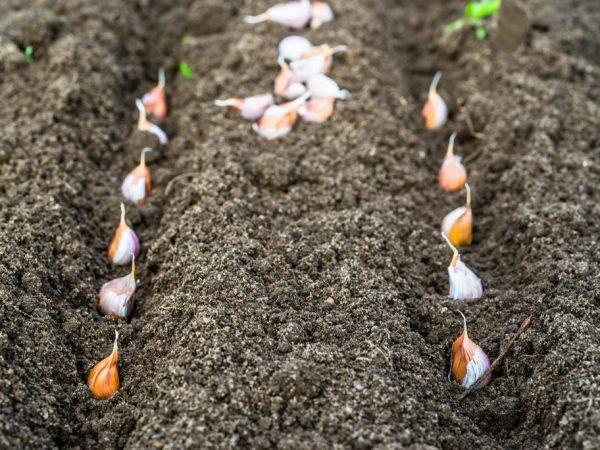
Sowing involves planting selected cloves deep in a prepared area. Most gardeners prefer to plant garlic at a depth of about 5 cm. In cold climates, a depth of 15 cm is acceptable to ensure the cloves better withstand frost.
Plant care in spring
Comprehensive care is the key to trouble-free cultivation and a good harvest. During the garlic growing season, following basic agricultural practices is sufficient.
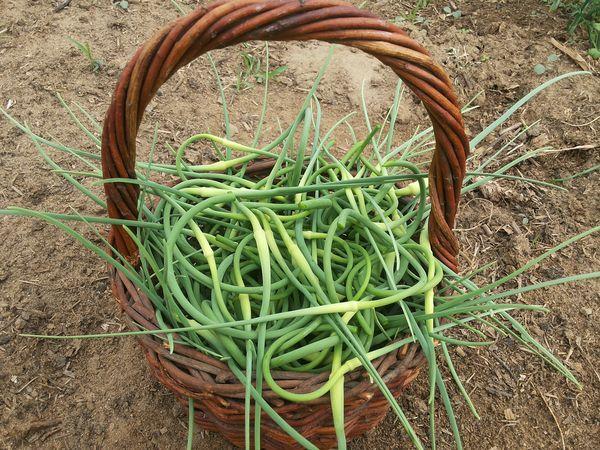
Watering
Garlic is considered a moisture-loving crop, so the soil should be watered every 4-6 days. In areas with frequent rainfall, the frequency of watering can be reduced. Before watering, check the soil to see if it's completely dry.
Weeding and loosening
You can loosen the soil after each watering to aerate and allow moisture to reach the roots. Weeding should be done regularly, as soon as weeds begin to sprout.
Top dressing
Fertilization promotes the active growth of the crop. It is recommended to fertilize garlic with mineral and organic substances. For convenience, you can use a complex fertilizer containing the necessary nutrients.
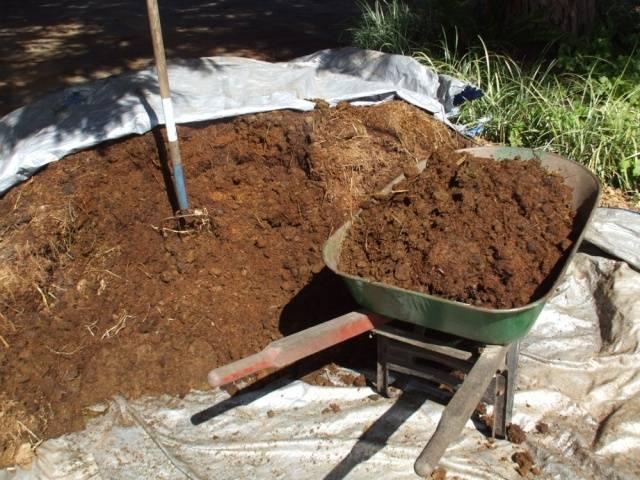
Signs of head maturation
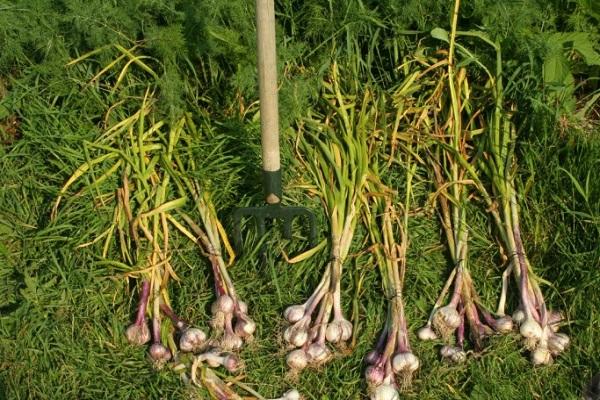
You can determine whether garlic is ripe by visual signs. Harvesting begins when the majority of the leaves have turned yellow and begun to dry out, and the pseudostem has become soft. To check, it's recommended to dig up several heads from different parts of the garden beds and inspect their condition.
How to determine the harvesting time in the Urals?
Harvesting in the Urals is carried out taking into account the variety being grown and the surrounding conditions. Accordingly, for spring and winter garlic harvesting times are different.
Spring garlic
The spring variety is planted in spring and ripens in late August or early September. Since frosts arrive early in most areas of the Ural region, it is recommended to harvest quickly.
Winter
Garlic planted in the fall begins to grow only with the arrival of spring and yields a harvest in mid-July. Depending on weather conditions, the ripening process can last until early August.
Lunar harvest calendar for 2025
Many gardeners use the lunar calendar when growing crops. It indicates the best dates for harvesting and the best days to avoid gardening.
Favorable days
According to the lunar calendar, garlic harvesting in 2025 is recommended on July 5th-7th, 15th, 19th, 20th, 23rd, or 24th, and in August on August 1st-3rd, 11th, 15th, 16th, and 30th. These dates are determined based on the Moon's movement relative to the Earth.
Unfavorable
Unfavorable dates for harvesting include: July 8, 14, 18, and 21, and August 5, 6, 9, 13, and 27. On these dates, it is best not to perform any work related to harvesting ripe crops or planting new ones.
Cleaning rules
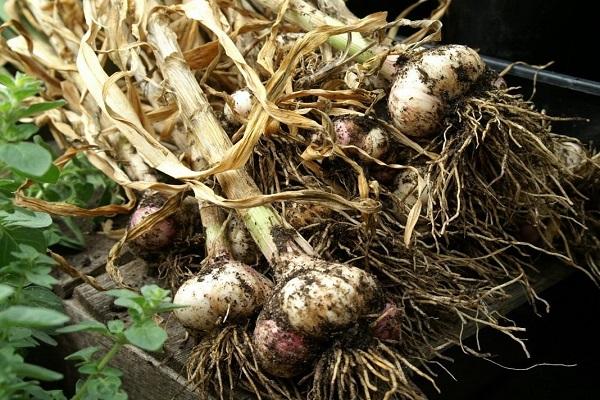
Garlic should be dug up before the scales on the heads begin to crack and the cloves become visible. Missing this deadline will negatively impact the subsequent storage and flavor of the harvest. Furthermore, these cloves are unsuitable for propagation, so it's best to use them immediately for processing.
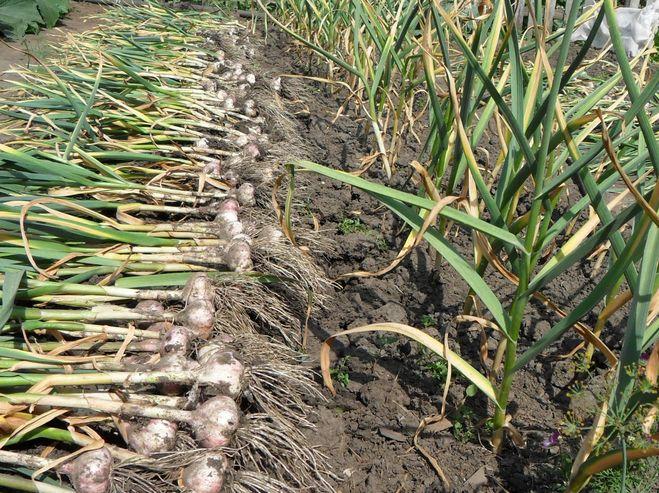
The remaining stalks with bulblets are cut off and set aside for fall planting. This planting material is often used to improve the health of the crop. Dig ripe garlic carefully to avoid damaging the bulbs. For convenience, it is recommended to remove the garlic with a small lump of soil, and then shake off the soil with your hands.
After digging up the heads, there is no need to trim the leaves.
The harvested garlic is left to dry in a well-ventilated area, but not in direct sunlight. Once completely dry, unless braiding is planned, the green part is trimmed almost to the ground.
If necessary, to prepare planting material, leave medium-sized heads, and use small and large ones for food.
Preparation for storage
After drying and trimming the leaves, trim the roots, leaving about 3 mm. Before storing, it's recommended to sort the garlic bulbs by size.
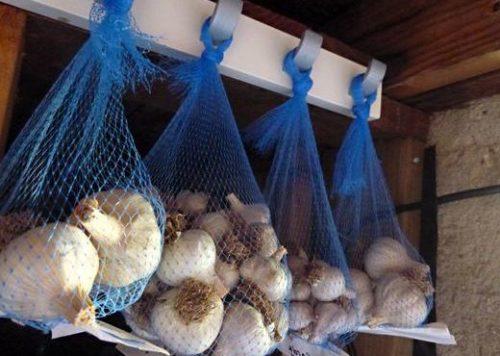
Of great importance when when storing garlic, the ambient temperature isFor spring garlic, the optimal temperature is between 16-20 degrees Celsius. Winter garlic is kept at 2-4 degrees Celsius. Garlic planted before winter is less suitable for long-term storage, as it is susceptible to various diseases and loses stored moisture more quickly.
The humidity level in the storage area should be maintained at 70-80%. Suitable locations include a basement, shed, cellar, or refrigerator. The trimmed heads can be stored in wooden crates, boxes, or plastic bags.
Throughout the storage period, the condition of the harvest must be checked periodically to promptly detect any rotting and remove spoiled specimens, preventing the spread of the disease.
The article is long, but there's nothing informative in it. It's just general statements.
Good afternoon, Yuri!
What specific issue did the article not help you resolve?
We are always happy to help our visitors.