
- Is it necessary to rake the soil away from the garlic heads and why is this done?
- The benefits and harms of stripping garlic in the garden
- When to dig up
- If the garlic heads have gone deep into the ground
- Tips for Growing Garlic Properly
- Why tie up the tops?
- Diseases and pests
- Advice from a seasoned gardener
Garlic, a popular and healthy vegetable crop, requires a certain amount of knowledge from gardeners. They often don't know the proper steps to ensure large, long-lasting heads. Winter garlic varieties are typically chosen for planting. They produce larger heads, are less susceptible to disease, and tolerate frost well. However, not every gardener knows whether it's necessary to rake the soil away from the garlic heads to ensure larger ones.
Is it necessary to rake the soil away from the garlic heads and why is this done?
One technique for growing bulbous vegetables, such as onions and garlic, is to loosen the heads in the garden bed. But it's important to know why this procedure is necessary and when to do it. The purpose of raking the soil away from the garlic heads is to allow solar heat and air to reach the underground portion of the plant. This allows the plant to ripen faster and develop protective scales.
They dig up the earth when necessary:
- pick off the shoots from the winter variety of the plant;
- tie the leaves into a knot;
- break the stem.
Digging up the bulbs will result in larger bulbs. After all, winter-grown varieties of the plant develop strong, sturdy roots that help the vegetable survive the winter. In the first months of spring, garlic will develop and grow more successfully if the vegetable crop has successfully survived the winter.
The need to rake the soil away from the heads is to stop the roots from growing deeper in the summer.
After using this method, the plant will begin to focus its energy on growing heads. However, don't loosen the soil too early. The above-ground portion of the plant needs to become established. Large leaves indicate that the vegetable is receiving sufficient nutrients, and clove formation is proceeding successfully. Then, the method of stripping the garlic heads will also benefit the plant.
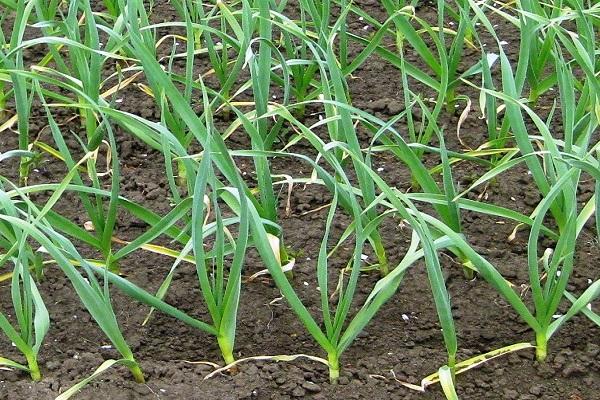
The benefits and harms of stripping garlic in the garden
The agricultural technique of raking the soil away from the bulbs is primarily used for winter garlic. The problem with growing it is that without proper cultivation, you'll end up with a small bulb instead of a robust one with large cloves. The plant, with its powerful root system, tends to grow deep into the soil. By exposing the roots, you can ensure that the plant focuses its energy on bulb formation.
The benefit from the procedure will be when the garlic is planted at a certain distance from each other. The gap should be at least 10 centimeters. You can monitor the exposed bulbs by a third or half. After all, their condition determines whether the garlic is ready for harvesting. It's helpful to dig under the vegetable beds when unfavorable weather with rain and low temperatures sets in. This will stop the bulb's growth. It will begin to develop scales, protecting it from external influences.
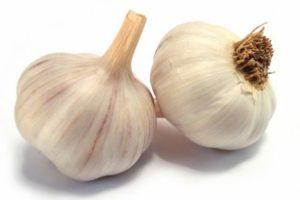
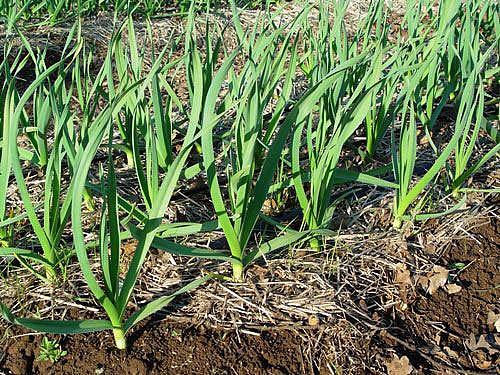
It's harmful to expose the underground part of the garden bed before the plant has reached its desired shape. If the plant's growth is delayed, this procedure will cause the garlic to become diseased and eventually die. You cannot carry out the stripping procedure if the vegetable is being prepared for winter. Otherwise, you'll have to replant the crop next year. Then you won't have a harvest. It won't arrive until next year.
When to dig up
The timing of uncovering the heads of vegetable crops plays an important role in the growth of both spring and winter garlic. Garlic should be raked in the garden bed a month before harvest. The time when the vegetable crop is ready for harvesting is determined by:
- yellowing and drying out of the lower part of the stem;
- opening of capsules on inflorescences;
- straight arrow in winter vegetable varieties.
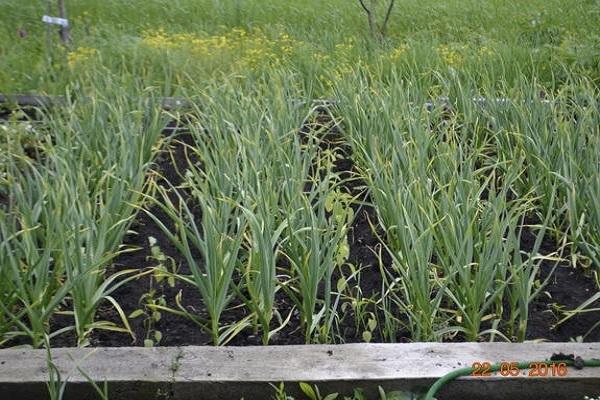
For spring garlic, the time to bare the bulbs begins in early August. Winter bulbs, bare in the first ten days of July, ripen faster. Prepare for the procedure 2-3 days in advance. To do this, clear the garden bed of weeds or any mulch. Stop watering the vegetable plant. Carefully rake away the soil with a short-handled tool, exposing a third of the bulb.
The time of the treatment must be calculated precisely. After all, unearthing too early will delay the bulb's development and cause it to die. It's also important not to unearth the garlic later than the allotted time, otherwise the bulb will crack and begin to spoil.
If the garlic heads have gone deep into the ground
A characteristic of bulbous plants is that their heads often grow deep, protecting themselves from freezing temperatures. This explains the difficulty of harvesting when the bulbs are buried deep. Breaking off the stems and raking the soil away from the bulbs helps the plant adjust. The nutrition provided after these procedures will be focused on developing large bulbs.
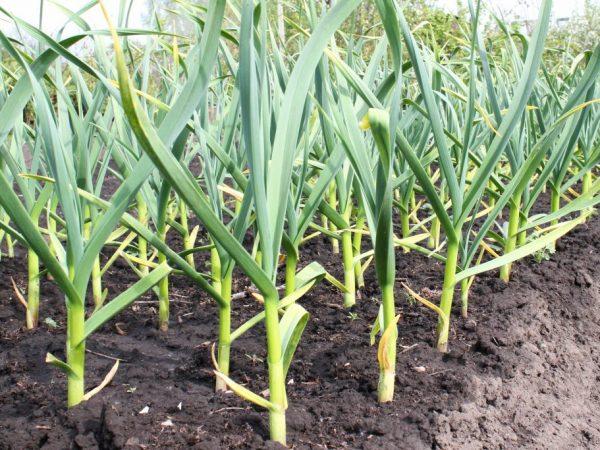
Garlic bulbs should be removed from the soil promptly, 20-30 days before harvest. If this isn't done, you'll have to dig up the entire bed to find the buried bulbs. Some will be lost, and you won't be able to harvest the entire crop.
Tips for Growing Garlic Properly
Unaware of garlic's growing habits, gardeners are perplexed by its deep penetration into the soil. There are certain techniques that, by incorporating into their cultivation practices, can help ensure high-quality yields of the vegetable every year. To do this:
- break off the garlic shoots;
- the heads are exposed a month before harvesting;
- feed the beds with organic and mineral fertilizers;
- watered during dry summers.


Growing is successful when the rules are followed and all agricultural procedures are carried out on time. It's clear that unearthing the heads should be done 30 days before harvest. But obtaining large garlic It is also connected with such a technique as breaking off the arrows.
If the goal is to grow vigorous bulbs, removing the stalks is essential. Garlic devotes its energy to maturing the inflorescences on the stalks and forming aerial bulbs. Gardeners should remove the stalks so that the nutrients are used to enlarge and mature the bulbs in the ground. Broken stalks can be used as a spice, added to dishes or preserves.
You can leave a few test shoots on winter varieties to determine when the vegetables are ready for harvest. Removing the shoots helps prevent plant diseases.
Why tie up the tops?
Another way to ensure a good garlic harvest is to tie up the tops a few days before harvesting the bulbs. This will speed up the yellowing of the leaves, which will ultimately strengthen the bulb, which is essential for a high-quality harvest. Spring garlic responds well to this method. The plant doesn't have stiff stems, so tying the tops into knots is easy.
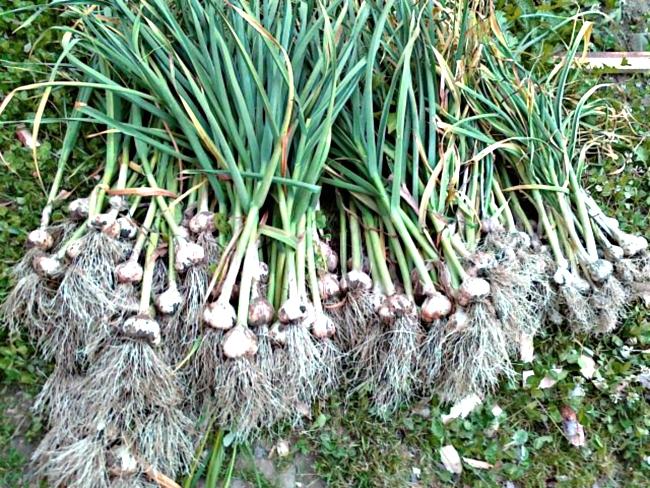
For bolting varieties, you must first remove the tough stems where the inflorescences will appear. These are plucked or trimmed with a sharp knife. Only then can the tops be tied, being careful not to twist the leaves. After harvesting, place the plants under a canopy to dry without trimming the tops. This will ensure that nutrients continue to reach the garlic bulbs. Only when the leaves are completely dry can they be trimmed.
Gardeners believe that the technique of tying the tops, as well as exposing the heads of the crop, promotes the accelerated formation of bulbs, increasing their quality and yield.
Diseases and pests
Often, yellowing of the leaves of bulbous plants is a sign of disease, among which the most common symptoms are:
- black mold;
- white rot;
- downy mildew;
- rust.
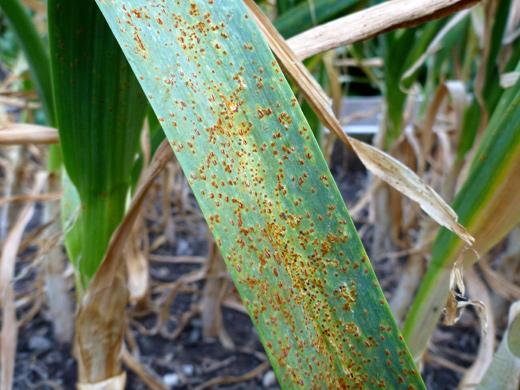
Diseases are caused by unfavorable weather conditions, such as heavy rain and low temperatures. Furthermore, standing water in the soil leads to bulb rot. Raking the soil away from the garlic bulbs helps increase airflow to the bulbs. This will also eliminate pathogenic fungi.
If the disease has affected vegetable crops, spray with fungicidal preparations such as Fitoverm. A folk remedy that works well is an infusion of calendula and yarrow. Add 50 grams of the green mass to a liter of hot water. After 24 hours, dilute the mixture with water at a ratio of 1:10 and water the beds.
Garlic has problems with pests:
- onion fly;
- hidden proboscis;
- nematodes;
- onion moth.
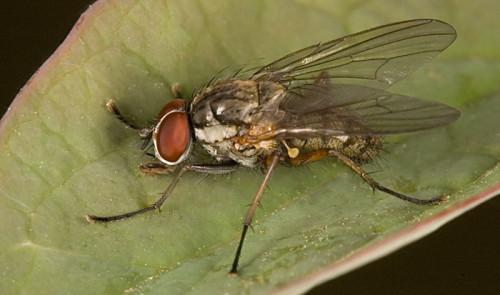
They should be controlled with insecticides such as Actellic, Calypso, and Neoron. However, their effects can be prevented by raking soil away from the bulbs and tying the tops into knots. This will prevent the larvae from moving along the leaves, and they will have nothing to feed on.
Advice from a seasoned gardener
Those who have recently started growing garlic need to know how to properly carry out certain techniques and what effect they will have on the bulb harvest:
- When choosing garlic varieties, consider the desired bulb size and shelf life of the harvest. Winter varieties produce larger bulbs than spring varieties. However, spring varieties have a better shelf life and last longer.
- The planting time depends on the garlic variety. Spring varieties are sown in the spring, while winter varieties are sown in September and October. It's important that the soil temperature during this time be between 5 and 10 degrees Celsius. Planting later than this will reduce the yield and will not preserve well.
- Open garlic bulbs in the garden bed, raking away the soil from the heads a month before harvesting. This should be done when the weather begins to deteriorate. This technique helps speed up the ripening of the vegetable. You can tie the tops into a knot when harvesting is required due to extreme weather conditions. These techniques help prevent the bulbs from rotting and prevent pest attacks.
- Growing garlic requires loose soil and moderate watering. Removing the bulbs can increase air flow to the underground portions.
- Removing stems is important for high yields. This will allow nutrients to be used to form strong heads.
Despite its low maintenance, bulbous plants require knowledge and adherence to certain agricultural practices. However, these must be carried out promptly and correctly, taking into account the plant's species and its developmental characteristics.
Related posts:
 Winter garlic cultivation technology, large varieties and cultivation rules
 Garlic diseases and pests and their control, treatment methods and prevention
 Planting and growing garlic from bulblets in open ground, care and harvesting
 The best varieties and types of early and winter garlic with descriptions and names
 Garlic harvesting dates in the Urals in 2025, cultivation and care
 Description and yield of the Lyubasha garlic variety, planting and care
 Description and cultivation of single-clove garlic, planting and care rules
 When to harvest winter garlic in Siberia, planting and storage times, varieties
All this is of course clear and understandable, thank you for the information, but still, in order to get the desired result in terms of harvest, I recommend using BioGrow, a wonderful bioactivator of plant growth.