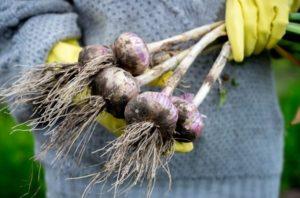
Autumn is the best time to plant winter garlic., and every gardener wants to get large, healthy heads from their plot, like those of Parus garlic.
This popular root vegetable is distinguished by its pungent flavor and sharp, distinctive aroma. There are approximately 70 different varieties of the plant, which are often used in first and second courses.
Garlic remains an indispensable antibacterial agent in the case of infectious diseases or for their prevention. Garlic enhances the flavor of many dishes. It is used for preserving and adding to salads. Garlic cloves kill bacteria and lower cholesterol. They have a beneficial effect on the heart.
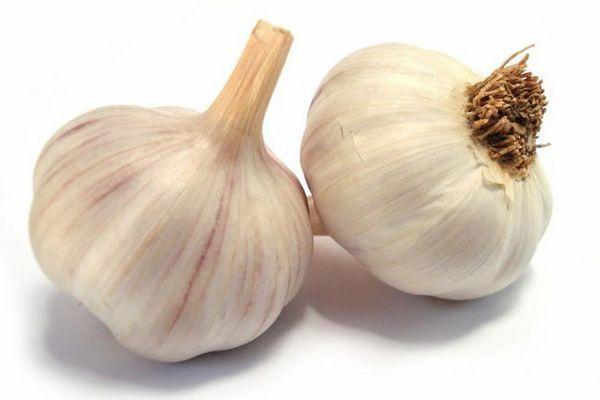
Description of the variety
The Parus garlic variety is well suited for both small garden plots and farm complexes. It allows for a full harvest when planted in winter, when spring varieties are unsuitable for long-term storage.
One of the main advantages of Parus is its regional versatility. Given favorable conditions, a satisfactory garlic harvest can be achieved in virtually any region of the CIS.
During the growing season, the plant forms a flower stalk up to 124 cm long, which then produces small bulblets containing seeds. The above-ground part of the plant and its leaves are a rich green color, with a faint, almost imperceptible waxy coating, reaching 36-56 cm in length and up to 2 cm in width. The number of leaves varies and can reach up to 10 per plant.
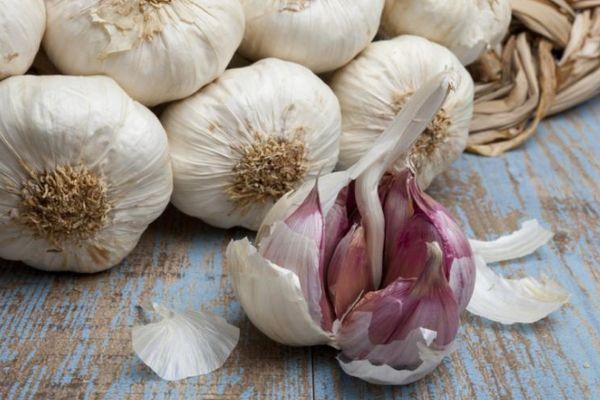
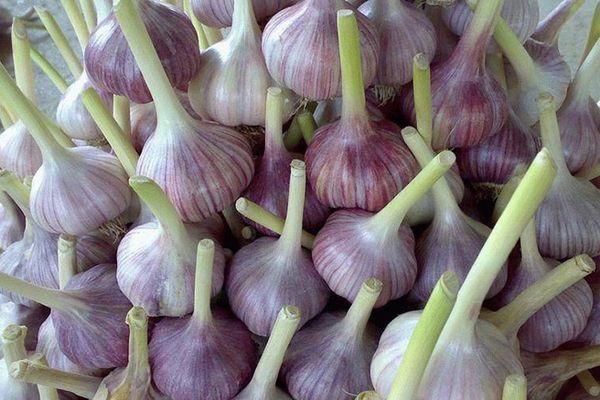
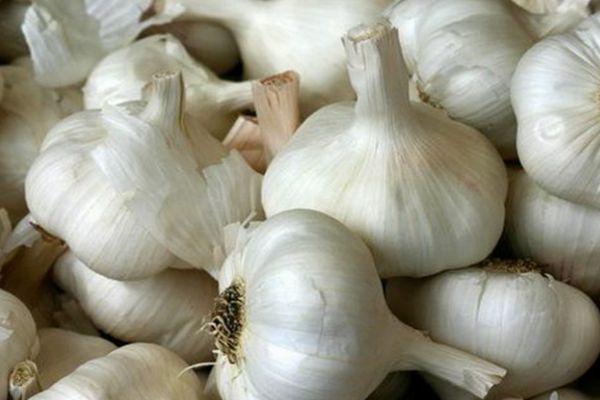
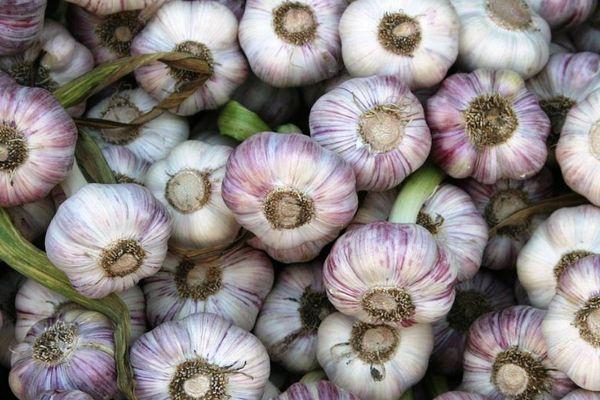
The root vegetable reaches maturity on average after 95-105 days of vegetation, making it considered a mid-season variety. The winter crop produces large, round, flat bulbs with a tapered apex. Each bulb bears 8-10 brown, very tightly packed cloves with a firm texture, covered on top with dirty-white scales that have a purple tint or small veins.
Take a look Also
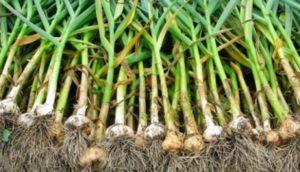
The weight of 1 bulb is from 30 to 50 g. Unpeeled, the root vegetable is distinguished by excellent resistance to low temperatures and long shelf life, while retaining a pungent taste and persistent aroma.
The variety's description and numerous positive reviews attracted many gardeners. As a result, many began planting this particular garlic.
Productivity
Garlic yield plays a significant role in its characteristics, depending not only on proper cultivation practices but also on the variety of the crop. The Parus variety produces a bountiful harvest of garlic, as it thrives in a variety of climates.
Yields can be increased by planting root crops in areas previously fertilized with sufficient organic fertilizer. Winter garlic should not be grown in low-lying areas where moist soil prevails. The site should be free of potholes and uneven surfaces.
Garlic is typically sorted after harvest. Larger cloves are set aside for planting, while smaller ones are used in cooking. Only single-clove cloves, at least 1-1.5 cm in size, should be used for planting. Winter garlic cloves should be free of dents, rot, or cracks. To prolong the shelf life of the garlic, it is recommended not to peel the outer skin of the planting material, leaving the brown skin on the cloves.
An average of 960 g of garlic is harvested per square meter. In well-irrigated southern regions, the yield doubles.
Hardiness and disease resistance
Parus has a long shelf life and is rarely susceptible to disease. There is a risk of infection from downy mildew, stem nematode, bacterial rot, and onion fly.
When controlling pests and diseases, it's necessary to use chemicals that can accumulate in the bulbs and subsequently be ingested by humans. To avoid this, it's important to take preventative measures. It's recommended to select only healthy planting material, disinfecting it first, and to rotate crops, growing garlic in the same plot of land no sooner than every 4-5 years.
Take a look Also
Growing and care rules
The cultivation techniques for Parus are no different from those for other garlic varieties. Before planting, the bed is dug and fertilized with chicken manure. Cabbage, zucchini, or cucumbers are good precursors for this crop.
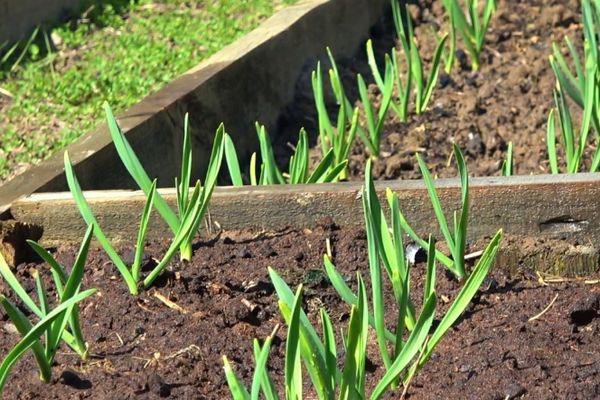 When planting, leave about 10 cm between the holes, and place the beds at a distance of 25 cm.
To prevent the bulbs from spoiling or rotting, add sand or wood ash to the holes. Before planting, the cloves are sorted: the diseased ones are discarded, and the healthy ones are soaked in a solution of potassium permanganate or copper sulfate for about 30 minutes. The treated material is buried in the soil to a depth of 5 cm.
If Parus is planted in October, it's advisable to insulate the beds with hay, straw, dry leaves, or grass. This helps protect the bulbs from severe frosts.
To ensure that each bulb weighs over 40 grams and yields 16-18 kg per 100 square meters, don't forget to fertilize with cow manure or chicken manure. The soil should be loosened periodically. Fertilizer is applied twice: once in early spring, and again when the tubers begin to set. It's also recommended to moisten the soil and weed the beds in the spring.
Bulbs store well in nets and wooden boxes. To increase shelf life, they are packaged by the kilogram and placed in a thin layer in a cool, dry place.
Related posts:
 The best varieties and types of early and winter garlic with descriptions and names
 When can spring garlic be harvested in 2025? Harvesting from the garden and storage
 How to properly grow and care for spring garlic in open ground and when to tie it into knots
 Description and cultivation of single-clove garlic, planting and care rules
 Garlic cultivation technology in open ground, planting times, and care guidelines for a good harvest
 Features of planting and caring for family garlic, description of varieties, pest control
 How to properly dry winter garlic after digging and where to store it at home
 Description and yield of the Lyubasha garlic variety, planting and care