
To obtain a rich, high-quality harvest, you need to know, How to properly prepare a bed for garlic For fall planting. It's important to maintain crop rotation and consider previous crops grown on the plot. Fertilizing is advisable. You can feed the soil with manure, superphosphate, and other organic or mineral components. There are other secrets that even experienced gardeners should know.
Choosing a location
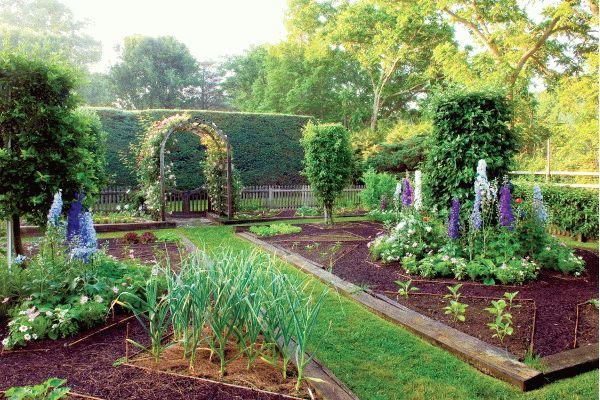
Preparing beds for winter garlic begins with choosing a suitable location. To grow large, nutrient-rich garlic bulbs, choosing the right planting site is essential.
- The area where you plan to plant garlic should be well lit and protected from through winds.
- It's best to choose a higher elevation. If you choose a lower elevation, moisture will accumulate in the area after the snow melts, which will contribute to the rot of the heads.
- There should not be large trees growing nearby or a solid fence, as this will prevent sunlight from reaching the vegetable beds.
- The soil should be loose, light, and fertile. A loamy soil with a normal acidity level is ideal. It's important to know what fertilizer to use before planting garlic.
This spicy vegetable grows and develops slowly in the shade, in low-lying areas, and in areas with constant water accumulation. The best choice is a site where snow falls earliest and takes a long time to melt in the spring.
Determination of soil acidity
Before planting winter garlic in the fall, it's important to determine the soil's acidity. You don't need any special equipment to do this.
- Weeds such as buttercup, plantain, and horsetail thrive in highly acidic soils. Nettles, coltsfoot, clover, and bindweed can be seen in areas with normal acidity.
- You can test the acidity level using table vinegar. Add a small amount of vinegar to the soil. If there's no reaction, the acidity is too high. If bubbles and fizzing occur, the acidity is normal.
- A currant infusion can help test acidity. Add a small amount of garden soil to a glass of cooled infusion. If the infusion turns a deep red, the soil is acidic. A light pink color indicates normal acidity.
Garlic doesn't thrive in highly acidic soils. Nutrient absorption slows down, resulting in poor growth. If the soil is highly acidic, pre-treat the beds with chalk, limestone, or dolomite flour.
The depth to plant garlic depends on the planting material. The optimal depth for cloves is considered to be 12 centimeters, and for bulblets, 3-4 centimeters. The bed is then mulched with peat, sawdust, or dry leaves.
Selection of predecessors
For healthy garlic growth, it's important to select a site with suitable precursor crops. Therefore, planting must be planned according to all guidelines.
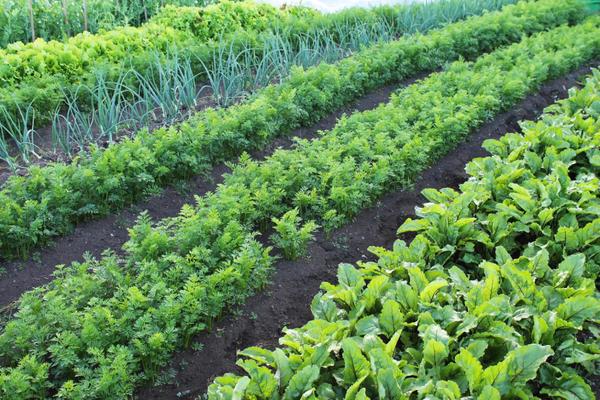
The perfect place for A bed is considered a place for growing garlic, from which vegetables such as tomatoes, cucumbers, pumpkin, cabbage, zucchini, and legumes were harvested. Garlic grows well next to berries, grapes, and raspberries.
It's best not to plant garlic after potatoes, onions, radishes, turnips, and carrots. These crops are susceptible to the same diseases. This weakens the plant's immunity and increases the risk of developing diseases.
Don't fertilize the soil with manure, chicken manure, or rotted compost before planting. If you don't follow this rule, the garlic will grow from the tops, not the bulb. The cloves will be loose and not juicy. The harvested crop doesn't keep well and rots quickly.
Soil cultivation
Since garlic has a poorly developed root system, it requires fertile, loose soil to thrive. Before planting winter garlic in the fall, the soil is dug over and fertilized.
In early September, the garlic plot is dug to a depth of 26 centimeters, and mineral and organic components are added. Soil quality will improve by adding a bucket of compost, 45 grams each of nitrophoska and superphosphate, and 250 grams of dolomite flour. The components are calculated per square meter of soil.
On a prepared plot of land, make rows with wood ash sprinkled between them. The ash will protect against pests and many diseases.
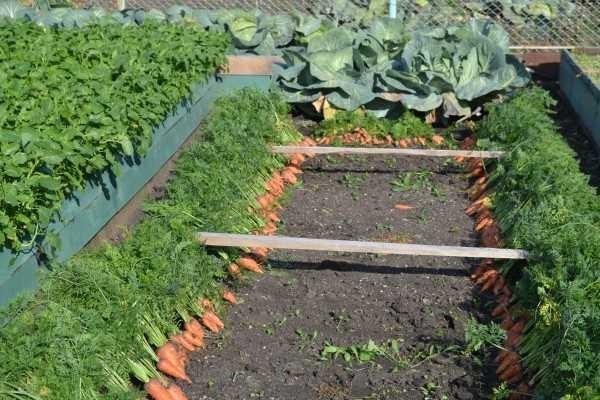
Before planting, water the area and make furrows 25 centimeters apart. The bed itself should be about a meter wide and 20 centimeters high.
Disinfection
To prevent vegetable crops from becoming infected with various diseases, soil disinfection is carried out. A solution can be prepared using several components.
- Dissolve 35 grams of copper sulfate powder in 10 liters of water. Spray the bed with the prepared solution and cover with plastic wrap.
- In a bucket of water you can dissolve 100 milliliters of Bordeaux mixture and a strong solution of potassium permanganate.
- A mixture of boric acid, potassium permanganate, and copper sulfate is suitable. Use 2 grams of each component per two liters of water.
It is useful to soak seeds in a solution of potassium permanganate before planting.
Fertilizers
It's recommended to apply fertilizer to garlic during the fall when digging. The soil should accumulate a significant amount of potassium and phosphorus, so the garlic will be able to establish roots before the onset of frost.
Two weeks before planting the garlic, the soil is dug deep and a mixture of several components is added. The area is then leveled with a garden rake and covered with plastic wrap.
- A mixture of cow manure, double superphosphate and nitrophoska is suitable.
- You can prepare a solution based on potassium salt, simple superphosphate, lime and humus.
- It is useful to mix and add a mixture of humus, double superphosphate and potassium salt to the soil.
In the fall, it's best to apply liquid fertilizer to the soil, as it's more quickly digested by soil bacteria. This makes it easier for plants to absorb. After digging and applying fertilizer, the area is leveled with a rake and watered with a copper sulfate solution (1 tablespoon per two liters of water).
Preparing the beds
The bed for garlic, which is planted in the fall, is prepared in advance. In late August, immediately after the previous harvest, the plot is dug to a depth of 32-35 centimeters and fertilized. Then, proceed as follows.
- In the area designated for planting, make holes at intervals of 10 centimeters. The depth of the holes depends on the planting method and can range from 3.5 to 14 centimeters. The distance between rows is approximately 23 centimeters.
- The planting material is placed into the prepared holes, without pressing it too hard into the ground.
- It is recommended to cover the holes with rotted manure.
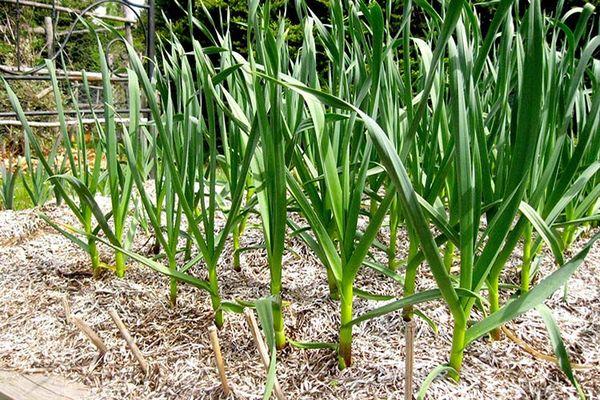
- The beds are then mulched with spruce needles, dry leaves, and sawdust. The mulch layer should be at least 10 centimeters thick.
Besides the traditional method of planting winter vegetable varieties, there are other options. If space is limited, double planting can be used. In this case, the cloves are planted in two tiers. The first row is planted deeper, the second slightly higher.
- Prepare a deep furrow, place the cloves at a depth of 12.5 centimeters and cover with a layer of soil.
- The second row should be dug 5.5 centimeters deep. The distance between the cloves is 14 centimeters. The distance between the furrows is approximately 24 centimeters. The second layer is also covered with soil.
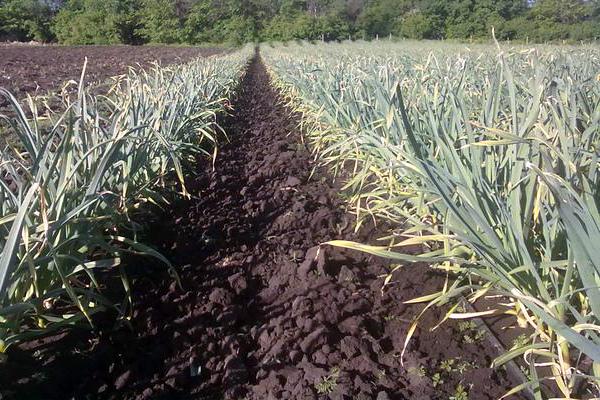
By planting garlic correctly in the fall, you will be able to harvest a good crop next year.
Related posts:
 The best varieties and types of early and winter garlic with descriptions and names
 Features of planting and caring for family garlic, description of varieties, pest control
 When can spring garlic be harvested in 2025? Harvesting from the garden and storage
 How to properly dry winter garlic after digging and where to store it at home
 How to properly grow and care for spring garlic in open ground and when to tie it into knots
 When to harvest winter garlic in Siberia, planting and storage times, varieties
 Garlic harvesting dates in the Urals in 2025, cultivation and care
 When to dig up garlic in the Moscow region in 2025
I have been using “as a preventative measure for several years now”BioGrow"So far, this remedy hasn't failed, and the garlic is growing without any problems. It should be planted two weeks before the first hard frost.