
- General principles of using the lunar calendar
- Lunar planting calendar for 2025
- Favorable days for planting garlic
- Unfavorable dates
- When to plant winter garlic in 2025
- In September
- In October
- In November
- Timing of spring crop planting
- How to determine planting dates depending on the region
- In the Moscow region
- In the Leningrad region
- In Siberia
- In Bashkiria
- In the Rostov region
- In Belarus
When and how to plant garlic in 2025 according to the lunar calendar is a question that concerns gardeners and summer residents. This scheduling facilitates planting and increases the chances of a successful harvest. Readers can learn more about how to grow garlic according to lunar dates, including growing for leaves, by reading the recommendations of astrologers.
General principles of using the lunar calendar
Planting garlic according to lunar dates improves germination and helps determine when to harvest healthy, strong root vegetables. Experiments have shown that planting during the waxing moon is generally beneficial. Specifically, the waning crescent moon favors root growth.
Adjustments are also made for the Moon's position in the zodiac signs. It is strongly recommended not to "go out into the field" during the full or new moon. It would be much more convenient to acquire a special calendar for practical use.
Lunar planting calendar for 2025
It's easier to use generalized information; that's a proven fact. Simply take a standard calendar, make the necessary marks, and you've got yourself a garlic planting map. The main thing is not to confuse favorable and unfavorable days. There are two main varieties of the plant, based on planting times:
- Winter.
- Spring.
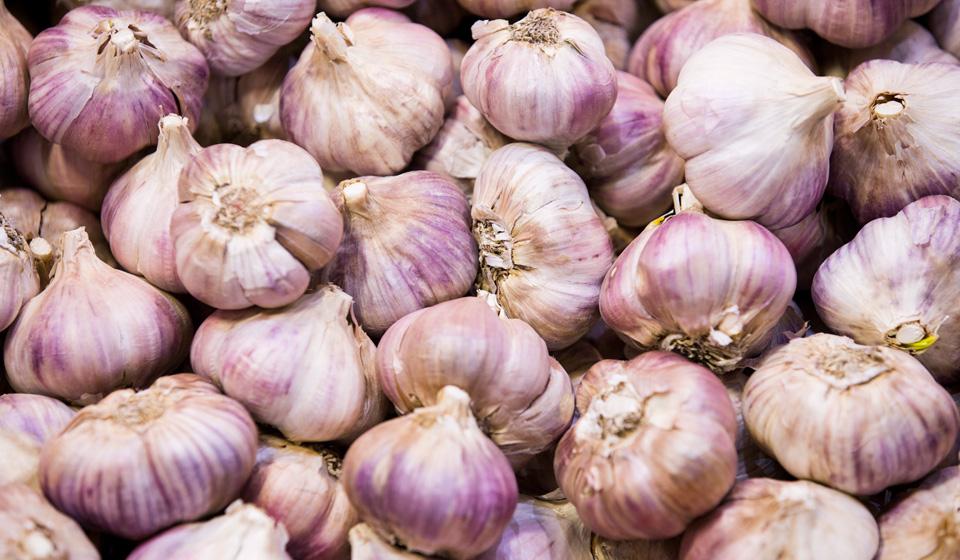
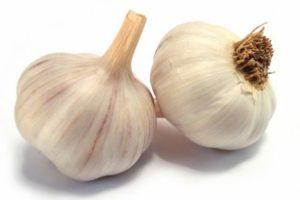
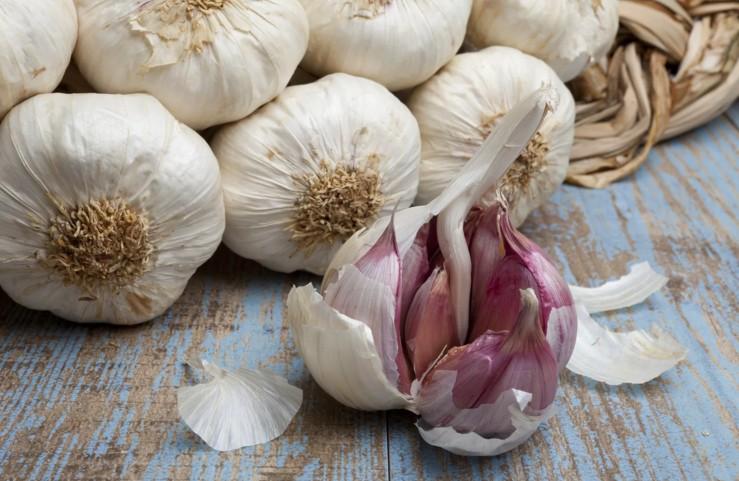
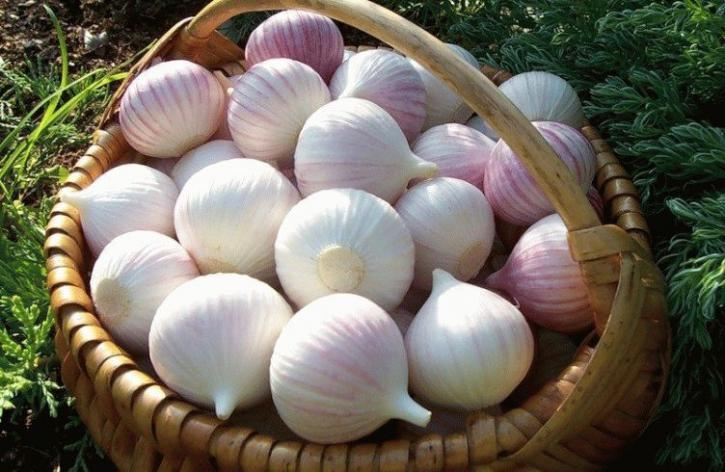
The markings for winter and spring garlic don't match. Their bulbs even look different.
Favorable days for planting garlic
"Good" days are those when root crops are actively growing. They are distributed throughout the month and are easy to work with. This is the waning moon phase, when groundwater rises, draining the layers of soil surrounding the plant roots. Conversely, "bad" dates will result in incomplete root crop development.
Unfavorable dates
Using these days for planting is like playing cat and mouse with nature: will it grow or not? Experimenting is useful when you have plenty of time, and the end result (harvest) itself is not so important. In all other cases, it's better not to take risks.
When to plant winter garlic in 2025
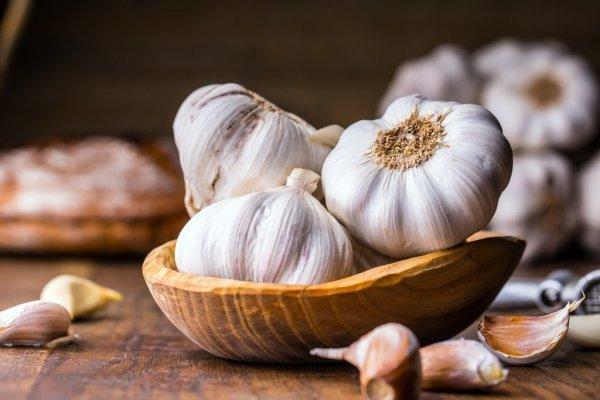
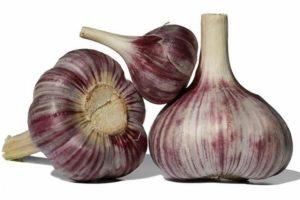
Winter garlic varieties are easily identified by their small number of cloves, which are larger. Generally, winter garlic is planted in the fall.
In September
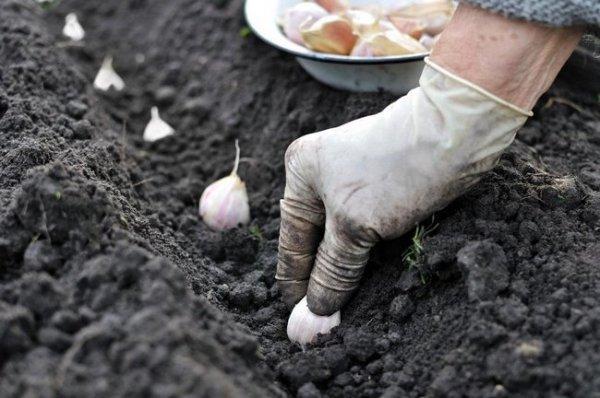
When planting winter garlic, use the clove-dividing method, using aerial bulbs. The planting dates are from the 15th to the 27th. It's important to begin planting 2-3 weeks before the first ground frost.
In October
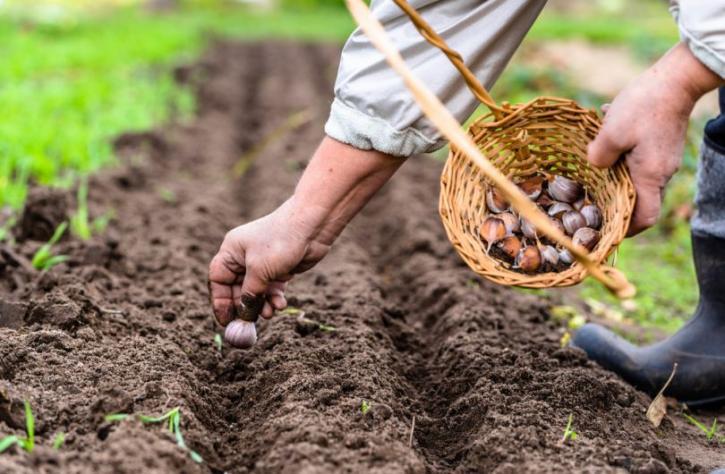
Garlic bulbs are planted shallowly, at a maximum depth of 3 centimeters. Planting time is October 15-27. It's acceptable to apply a pre-planting fertilizer of organic or mineral fertilizer.
In November
November is the last month to plant winter garlic. Favorable dates are between the 13th and 25th. It's important to remember that winter garlic planting produces many aerial bulblets. These should be removed later.
Timing of spring crop planting
Spring crops are not comparable to winter crops. They have their own specific planting times and care requirements. Avoid choosing a prolonged thaw for spring sowing.
Another helpful tip: Garlic bulbs thrive after squash, legumes, and cabbage.
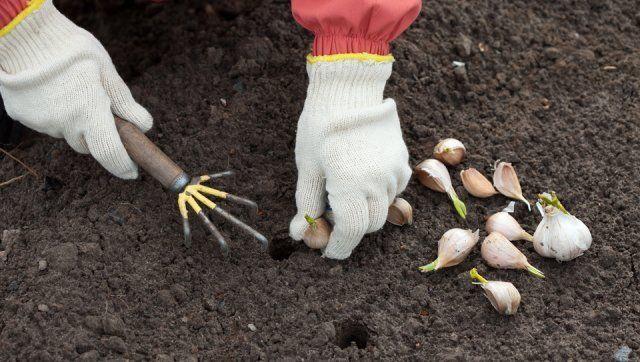
Soil preparation is essential, including the addition of fertilizers such as ash, peat, and compost. For the temperate zone, the recommended time is late March to early April, when the air temperature is no higher than 6 degrees Celsius.
Take a look Also
The deadlines are distributed according to specific dates as follows:
- March – from 1 to 5, 22 to 31;
- April – from 1st to 4th, 20th to 30th;
- May – from 1 to 4, 20 to 31.
Before planting, sort the cloves, selecting healthy and large ones. Sometimes it's helpful to keep the cloves in the refrigerator (where the temperature and humidity are stable); this will increase the chances of germination.
How to determine planting dates depending on the region
Of course, planting dates are linked not only to lunar cycles but also depend on the specific region. They may differ for the Urals, Moscow, or Belarus, as daylight hours vary there, and spring and autumn arrive at different times.
In the Moscow region
For the central part of Russia and the Moscow region, where springs are slow and cool, and autumns are cool, the necessary adjustments are made within the standard "lunar" timeframes. For winter planting, this is the last days of September. Spring garlic is planted in April.
In the Leningrad region
The Leningrad Region has a unique climate, and it's not the smallest region, spreading far and wide, with varying conditions. The ideal season for autumn is mid-September to mid-October. In spring, planting occurs from March to early April.
In Siberia
The Siberian region is very challenging for gardeners in terms of growing, as winters are long and cold, and summers are short, albeit hot. The best time for winter planting is from late September to mid-October. For spring crops, the best time is early April.
In Bashkiria
This climate zone combines long winters with stable, warm, and moderately humid summers. In autumn, favorable dates for planting garlic range from late September to mid-October. Spring sowing begins in April, as soon as the soil warms to 5-7 degrees Celsius.

In the Rostov region
The Rostov region's climate is now closer to the south, so planting dates shift again. This means late September and early March, when temperatures reach 5-7 degrees Celsius.
In Belarus
In autumn, the temperature should be no lower than 10 degrees Celsius at night. Planting times are late September (August for colder regions) to mid-October. In spring, plant in March or April, as soon as the soil begins to warm up.
Related posts:
 Garlic harvesting dates in the Urals in 2025, cultivation and care
 When to dig up garlic in the Moscow region in 2025
 How to properly plant garlic outdoors and prepare the soil
 Winter garlic cultivation technology, large varieties and cultivation rules
 When to harvest winter garlic in Siberia, planting and storage times, varieties
 When to dig garlic in Russia, harvest timing depending on region and variety
 Description and cultivation of single-clove garlic, planting and care rules
 How to properly dry winter garlic after digging and where to store it at home