
Learning the basics of crop rotation and applying this knowledge in practice helps increase yields without additional effort. Knowing what to plant after each crop will help maximize yields. Garlic is the most common garden crop. Therefore, every gardener needs to know what to plant after harvesting garlic in their garden.
Crop rotation and its features
Most agricultural crops can be planted in the same spot for no more than two years in a row. If you plant in the same area for longer, the soil becomes poorer, and the plants don't receive the nutrients they need. The same applies to plants of the same species.
To understand the best time to plant garlic in your garden, you need to know the basic rules and features of crop rotation:
- It is advisable to make the period of time during which the soil “rests” from a particular type of plant long.
- It's recommended to consider which mineral fertilizers were applied to the soil in the largest quantities each year to avoid repeating the application. Otherwise, the soil will become oversaturated with some minerals and depleted of others.
- Leaving the soil unplanted is also not recommended. If you don't plan to grow any vegetables this year, you should plant it with green manure.
By following crop rotation guidelines, every gardener, even a beginner, can grow a worthy harvest on their plot.
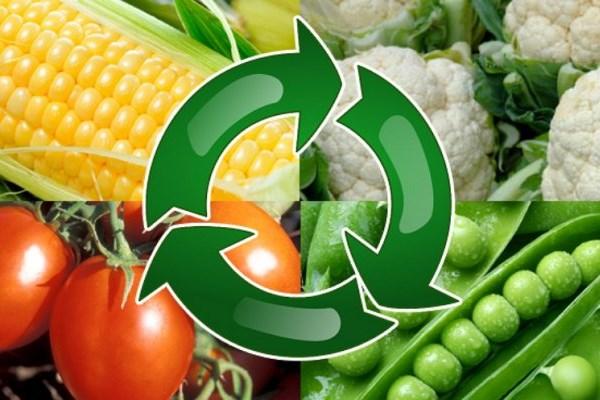
How to ensure crop rotation
Getting a bountiful harvest is much easier than it seems at first glance. To achieve this, it's important to practice proper crop rotation. First, you need to make a list of the crops you grow in your garden and plan to plant in the future. The list should include only those plants that are grown year after year in the same garden bed. This will make the task of compiling the table easier.
Next, you need to calculate the number of beds that will be used for plant rotation. Typically, 4 to 6 beds are used, but there are designs with larger numbers.
There are many plant rotation schemes. The simplest is considered to be group crop rotation. To do this, create vegetable groups, listing all the predecessors.
For example, we can highlight 4 groups:
- leafy;
- fruit;
- roots;
- legumes.
This is what the planting looks like in the first year. In the second year, leafy vegetables are relegated to the last row, legumes move to the first, and fruits and root vegetables switch places. This principle is used to rotate vegetables each year.
In addition to this scheme, there is also crop rotation based on the best predecessor, the influence of plants on the soil, families, and soil composition requirements.

Why is crop rotation necessary in the garden?
Inexperienced gardeners often wonder about the need to rotate crops on their plots. They don't understand why this is necessary if mineral and organic fertilizers are applied to the soil during the growing season, and how could nutrient deficiencies arise? However, despite the application of fertilizer, different crops absorb it at different rates. And some plants, such as beans, enrich the soil with nutrients. This leads to a deficiency of one nutrient and an excess of another.
Proper crop rotation increases crop yields and also helps strengthen the immune system of plants.
Crop rotation reduces plant exposure to diseases and pests. Therefore, in the spring, when preparing seedlings and the plot for planting, it's important to determine whether garlic can be planted after carrots, radishes, cucumbers, and other vegetables, and what else should be planted after it.
Spring replacement for garlic in the garden
Most gardeners prefer to plant garlic in the fall before winter. But the question of what can be planted in the spring after garlic always remains open. With the arrival of spring, the following crops are essential to plant after garlic:
- legumes;
- beet;
- annual herbs and greens;
- zucchini;
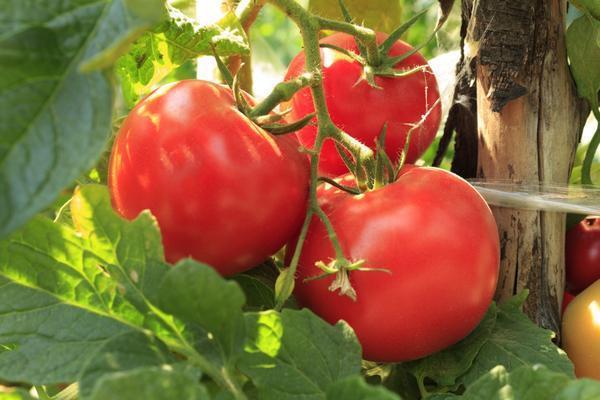
- tomatoes;
- cucumbers;
- carrot;
- strawberry;
- early potatoes;
- winter wheat;
- corn.
All these vegetables will happily thrive in spring in areas where garlic once grew. The substances garlic releases into the soil during growth are essential for these plants. Thanks to the phytoncides garlic enriches the soil with, the vegetables grow faster and produce a bountiful harvest.
Also they also plant beets, but this crop is not considered the best for planting. Tomatoes should only be planted if the garlic was grown in an open, sunny spot, not in the shade. But in addition to choosing the vegetables that will grow in the same spot, it's important to consider the garlic variety. Different varieties require different mineral and organic fertilizers.
Can I plant something else in the fall after garlic?
Harvesting garlic varies depending on the region. However, in most cases, digging begins in late August or early September. Some gardeners who plant garlic early harvest it in late July. After harvesting garlic in the fall, they plant crops with a short growing season in its place. These crops are characterized by rapid growth. Within a few weeks, the plants sprout, grow fully, and produce a harvest.
For example, the most suitable plants to plant in the fall would be:
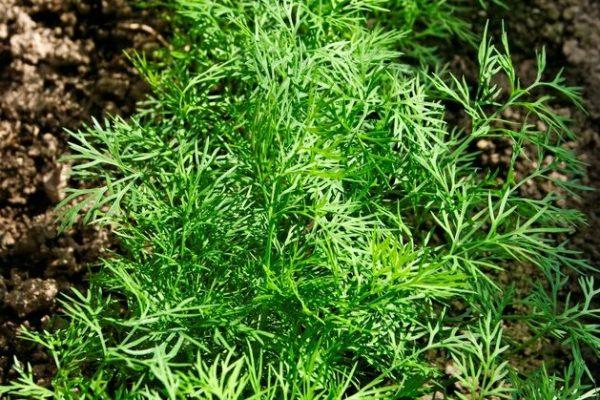
- dill;
- spinach;
- salad.
You need to plant any greenery that grows quickly.
Green manure crops are also suitable for planting. These include mustard, lupine, clover, rapeseed, and any other green manure crops. These crops will ensure the soil is nutritious and fertile for the following year.
Can onions be a good substitute for garlic?
This may come as a surprise to some gardeners, but garlic belongs to the onion family. Many are accustomed to planting onions after garlic or creating beds of these spices next to each other. However, this is not advisable. Since both spices belong to the same family, they require the same nutrients. Planting them in the same area will prevent the plants from receiving sufficient nutrients.
Don't plant onions after garlic. The harvest will be meager, and the bulbs will grow poorly. Allow at least four years between planting onions and garlic in the same area.
Not only do both herbs benefit from the same nutrients, but they also share the same diseases and pests. Therefore, to avoid losing your onion harvest and dealing with pests and diseases, it's recommended to select different planting sites.
Good Neighborhood
To get a good garlic harvest, you need to choose suitable "neighbors." This will increase the yield of not only garlic but also other crops growing in the area.
Garlic goes well with the following vegetables and berries:
- Strawberries. The phytoncides released by garlic help protect strawberries from fungal diseases, slugs, and underground pests. Strawberries, in turn, encourage garlic to develop large bulbs.
- Tomatoes and beets. The smell of garlic repels pests from tomatoes and beets. The cloves are planted directly between rows of tomatoes and beets. Furthermore, placing tomatoes near garlic will prevent scab.

- Carrots. In this case, garlic beds act as a preventative measure against insects, primarily carrot flies and psyllids. It's beneficial to water carrots with an infusion of garlic tops. Carrots, in turn, encourage the garlic to form large heads, especially after removing the scapes.
- Bulbous flowers (gladioli, daffodils, carnations, tulips, hyacinths).
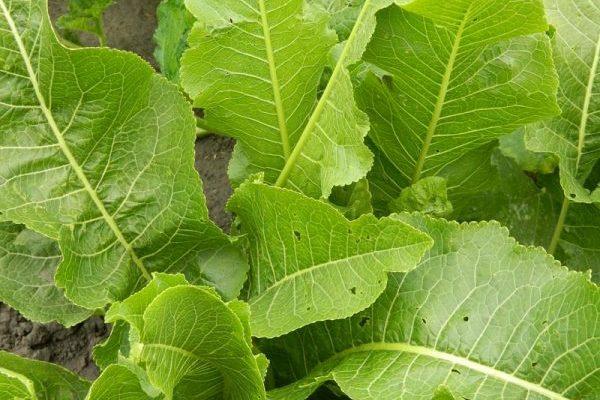
- Horseradish (increases the level of ascorbic acid in garlic leaves).

- Calendula.
- Chicory.
- Potatoes (the smell of garlic repels the Colorado potato beetle).
- Raspberry.
- Gooseberry.
- Currant.
- Cabbage.
- Radish.
Planting two crops not only helps maximize yields, but also acts as a preventative measure against harmful insects.
Some advice from an experienced gardener
To ensure that garlic tops and roots grow healthy and strong, you need to follow crop rotation rules and other growing recommendations.
Adviсe:
- It is not recommended to grow legumes, onions, and herbs near garlic beds.
- The most favorable “neighbor” for garlic is decorative strawberry.
- It's helpful to plant low-growing marigolds in garlic beds. They repel nematodes and onion flies.
- Garlic should only be watered during the active growth stage. Later, if the weather is extremely hot, water the beds 2-3 times a week, no more.

- Mineral and organic fertilizers should be regularly added to the soil to help the bulbs grow larger.
- It's important to determine not only the plants that will be grown in the garden after garlic, but also its predecessors. Predecessors for garlic beds should include tomatoes, eggplants, peppers, cucumbers, zucchini, cabbage, and various lettuces.
- Before planting, the soil must be fertilized and disinfected.
Crop rotation is an important process that everyone who grows vegetables and berries at their dacha should master. It helps increase yields, maintain fertile soil, and protect crops from diseases and pests. The more attention you pay to crop rotation, the easier it will be to grow plants in your garden beds.
Related posts:
 The best varieties and types of early and winter garlic with descriptions and names
 How to properly grow and care for spring garlic in open ground and when to tie it into knots
 Garlic cultivation technology in open ground, planting times, and care guidelines for a good harvest
 When can spring garlic be harvested in 2025? Harvesting from the garden and storage
 Features of planting and caring for family garlic, description of varieties, pest control
 How to properly plant garlic outdoors and prepare the soil
 Description and cultivation of single-clove garlic, planting and care rules
 What are the differences between spring and winter garlic, description of the crops, and which one is better for storage?
I usually plant beans after garlic. I don't plant anything in the fall, letting the soil rest, but green beans produce a good harvest later. But I always plant garlic on the sunny side.