
- Types and characteristics of cherry prunings
- Rejuvenating
- Formative
- Sanitary
- What time should the procedure be performed?
- In the spring
- In summer after fruiting
- In the fall
- Necessary tools and materials
- Cherry tree pruning patterns
- Young tree
- Methods for pruning a mature tree
- How to rejuvenate an old tree for a good harvest
- How to prune different types of cherries correctly
- For shrub varieties
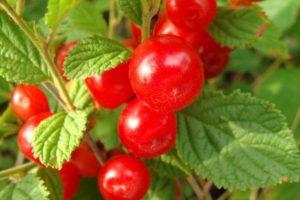
- For felt crops
- For tree species
- For dwarf varieties
- How to care for a tree after pruning
- How to process the cut
- Fertilizing the crop
- What mistakes can be made?
- Tips and tricks for beginners
Cherry pruning is done for various reasons, but it's important to know how and when to do it correctly. Shaping and rejuvenation are best done in mid-spring or before frost in the fall. Special tools are required for this work. To avoid damaging the tree, follow the rules and recommendations. Pruning techniques vary for each type of cherry tree. The cut area is disinfected, then nutrient-rich.
Types and characteristics of cherry prunings
Cherry tree pruning should be carried out according to the steps outlined in the appropriate diagram. All diagrams are based on shortening and thinning the crown, as well as removing dead branches.
Pruning involves removing only some of the shoots growing sideways and upward. Pruning strengthens the tree and stimulates the growth of new shoots.
Thinning involves completely removing some branches. This procedure is performed to improve the penetration of light and air to all parts of the plant.
Rejuvenating
Cherry trees grow for up to 14 years. The first rejuvenation pruning is performed in the seventh year of growth. All branches are pruned gradually over the course of two years:
- Remove dried, crooked branches.
- All root shoots are cut off.
- For tree-like varieties, prune the main shoots to the first branch. Then trim off any excess growth. The remaining shoots are shortened to 38 cm.
- In bush varieties, strong shoots are pruned to a strong lateral branching.
- In felt cherry, excess lateral growth is removed, and then the shoots are cut to 58 cm.

Formative
During the first season after planting, six main shoots are selected from the cherry tree, spaced 12 cm apart. The remaining shoots are completely pruned. The central shoot is shortened. It should not be taller than the other shoots.
For the following season, select healthy, strong shoots and prune them by a quarter. It's best to remove all remaining shoots. Last year's growth is shortened to 28 cm.
Select four strong shoots again and shorten them by a quarter. Remove the remaining lateral growth. All inward-growing shoots should be completely pruned. Skeletal shoots are shortened to 62 cm.
By the fourth year, a crown should be formed, consisting of a central shoot and 9 skeletal shoots.

Sanitary
This type of pruning is performed annually or every two years. The procedure involves the following steps:
- cut off branches growing inward;
- thin out areas where branches grow densely;
- The shoots are shortened by more than half to stimulate the growth of young branches.
What time should the procedure be performed?
Experts recommend leaving this procedure for spring or fall, when sap flow has slowed. Thinning out overgrown areas can be done any time of year.

In the spring
It's recommended to begin work in April or early May, before the sap begins to flow. At this time, buds are already beginning to emerge, but they haven't yet blossomed. It's easy to identify branches that have frozen and dried out over the winter months:
- The shoots growing upwards are cut off completely.
- Thin out dense areas.
- The downward-growing shoots are left in place. They produce a large amount of fruit.
- The central shoot is cut off. It shouldn't rise too high above the other branches.
Pruning in the spring months allows the tree to awaken more quickly after winter dormancy.
In summer after fruiting
In July, pruning is permitted only on mature trees. Saplings younger than three years old should not be touched. Summer pruning will stunt the plant's growth and delay the onset of fruiting.
Toward the end of summer, after the harvest, the tree begins preparing for winter. The plant stops actively growing, and sap flow slows. Pruning is best done from late August to early November.

After harvesting the berries, remove dried and inward-growing shoots, thin out dense areas, and shorten one-year-old shoots by a third.
In the fall
Autumn pruning helps the tree prepare for winter faster and better. The work should be completed before frost sets in. The autumn pruning scheme involves the following steps:
- thinning out dense areas;
- clearing the lower part of the trunk from shoots to a height of 85 cm from the ground surface;
- removal of downward-growing shoots;
- thin, short shoots are left until spring.
Necessary tools and materials
To carry out all activities you will need special gardening tools:
- pruning shears, used to remove thin shoots up to 24 mm thick;
- a knife will be useful for cleaning the cuts;
- The lopper is designed to remove shoots up to 2.6 cm thick;
- hacksaw.

Tools must be clean and sharpened. Before and after use, they must be disinfected with an alcohol solution or copper sulfate.
In addition to the tool, you will also need other materials: a stepladder, gloves, rope, spacers.
Cherry tree pruning patterns
The age of a cherry tree largely determines the type of pruning. Formative pruning is suitable for young trees. Mature trees are pruned to rejuvenate, increase yield, and prevent disease.
Young tree
It's best to create a sparse, tiered crown. The pruning plan involves the following steps:
- After planting, trim the top of the seedling to form a standard. The central shoot should be free of side branches and should be 42 cm tall.
- In spring, all side shoots should be pruned, leaving five strong branches growing from the main stem. If skeletal shoots cannot be removed during the first season, the procedure is postponed for another year.
- On the three lower branches, two second-order shoots are left at a distance of 38 cm. These branches are called semi-skeletal.
- The central stem is then restricted to a height of 3.4 meters. This results in a mature tree with 12 skeletal shoots.


Methods for pruning a mature tree
To prevent disease and increase yield, mature trees should be pruned. The following steps are recommended:
- Be sure to remove dried, diseased and broken branches.
- If there are heavily dense areas, thinning is carried out.
- To rejuvenate, you need to cut the skeletal shoots to the first trunk branch.
- Young shoots that appear in the new season are shortened by 6 cm.
How to rejuvenate an old tree for a good harvest
To ensure fruit production on a mature cherry tree, rejuvenation measures are necessary. First, remove dry, damaged shoots. Then, prune branches that create dense patches:
- Branches of shrub cherry varieties should be cut by half or a third.
- In tree-like varieties of the crop, annual shoots are shortened by 12 cm and damaged growths are removed.

You can rejuvenate a cherry tree by cutting off the top:
- saw off the top at a height of 2.6 m;
- when new branches appear, thinning is carried out, leaving the strongest and most well-located ones;
- Every spring one old branch is removed.
How to prune different types of cherries correctly
Every cherry tree requires rejuvenation, formative, and sanitary pruning. However, there are some distinctive features to the procedure.
For shrub varieties
Shrub cherry trees produce long shoots each year that begin to droop downwards, thickening the crown. Here are some rules to help avoid mistakes:
- After planting, the bush is pruned, leaving 11 strong shoots. The central shoot is stopped at a height of 2.6 meters.
- Next, the bush is shaped. Branches with multiple offshoots are removed.
- To rejuvenate a bush cherry, it is enough to cut off the strong side branches to the first trunk branch.
- If it is not possible to shorten the branch to a branch, remove all growths aged 3 to 4 years.

For felt crops
Cherry varieties in this group are distinguished by their sweet fruits and small, ornamental bush or tree.
Pruning options depend on whether the cherry tree is formed as a tree or a bush:
- To shape the crown of a tree cherry, the sapling is pruned to a height of 42 cm in the first year. The following year, four main lateral shoots are left, and the remaining shoots are removed. Lower-tier branches are removed by a third.
- A cherry tree bush is created from eight main shoots. Each branch is shortened by 28 mm to promote the growth of side branches.
- Damaged shoots on a bush or tree must be regularly pruned.

For tree species
Tree-like cherry varieties should be trained gradually. You can't prune all their branches at once. The crown is pruned gradually until the tree reaches 2.8 meters:
- The lower part of the trunk to a height of 70 cm is completely cleared of branches.
- The shoots that appeared three years ago are cut off.
- If the shoots dry out, it is necessary to trim the lateral growths on branches older than 4 years.
- Tall cherry trees are restricted in growth by pruning skeletal branches at a height of 2.8 meters.
For dwarf varieties
Dwarf cherries are large bushes, no more than 2.4 m tall. Fruiting begins earlier than other varieties.
Rules for pruning low-growing cherry trees:
- The first pruning is done during the planting season. The central trunk is selected, and all other branches below 38 cm from the ground are cut off.
- For tree-like dwarf varieties, leaving six strong branches is sufficient. Bush varieties require up to 11 branches. The remaining branches should be located on different sides of the trunk. Excess, weak shoots are removed.
- Continue shaping the crown, leaving 15 main branches. Inward-growing shoots are removed.

How to care for a tree after pruning
After pruning, ensure proper care for your fruit tree. This will allow it to recover more quickly and reduce the risk of infectious diseases.
How to process the cut
The cut site must be treated with garden pitch, a special paste called "Rannet" or oil paint based on drying oil.
Fertilizing the crop
To speed up the healing process and restore strength, you will need additional nutritional components:
- After pruning the crown in the fall, it's helpful to add organic matter: rotted manure, compost, or a liquid solution of bird droppings. Complex mineral fertilizers are also suitable.
- In spring, it is best to apply nitrogen fertilizers (urea or ammonium nitrate) together with wood ash.

What mistakes can be made?
Gardeners often make the following mistakes:
- the procedure begins after the sap begins to flow;
- do not perform pruning, considering it a useless procedure;
- weak, damaged branches are not removed;
- The actions are carried out on a tree with damaged bark and central trunk.
Tips and tricks for beginners
Helpful tips:
- To ensure that pruning is beneficial, it should be done above a side branch.
- The cut is made even, leaving no stumps.
- If the tree is old, there's no point in rejuvenating it. Instead, you can grow a replacement from root suckers.
- All actions must be carried out in dry, clear weather.
- After the procedure, the affected tissues must be treated with garden pitch.
- It is better to burn cut branches and bark to prevent the spread of infections.
The tree should be pruned annually. Without it, the crown will become dense, the fruit will become small, and the yield will decrease.
Related posts:
 When and how to prune currants, the scheme and timing
 Timing and types of apricot pruning, schemes and methods for crown formation
 How to prune plums correctly, timing and features
 How to prune grapes step by step for beginners
 Timing and rules for peach pruning, formation scheme after harvesting
 A diagram and how to prune blueberries for beginners
 Timing and rules for pruning sea buckthorn for beginners
 Description and pollinators of the Vladimirskaya cherry variety, planting and care