
- Why is sea buckthorn pruned?
- How long does it take to perform the procedure?
- Necessary tools
- Types and features of trimmings
- Rejuvenating
- Sanitary
- Formative
- In a bush
- On the trunk
- Is it possible to trim sea buckthorn branches when picking berries?
- Nuances of crown formation depending on the age of trees
- After planting the seedling
- Forming young sea buckthorn
- Pruning an old tree
- Caring for the plant after the procedure
- Processing of cuts
- Top dressing
- Common mistakes of beginning gardeners
Pruning sea buckthorn branches is essential for the bush's health and high yield. The plant's crown must be properly shaped from its first years of life. Otherwise, the branches will grow too large and become tangled. Subsequently, only shoots that thicken the crown or weak, broken branches are pruned. Pruning is performed when the plant has no leaves—early spring or late fall. The cuts are immediately disinfected with copper sulfate and sealed with putty.
Why is sea buckthorn pruned?
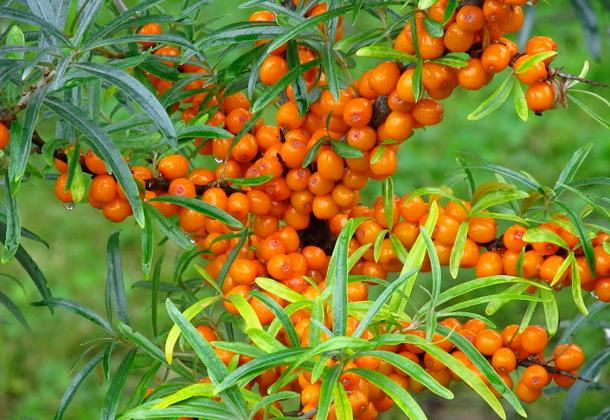
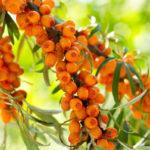
Sea buckthorn is a lush shrub with a spreading crown, its branches growing vigorously and tangled, forming dense, often thorny thickets. This plant is grown for its bright orange berries, which ripen in the fall, densely covering the branches. Sea buckthorn can be cultivated as an ornamental plant or to create a hedge. The shrub requires annual pruning.
There are several types of pruning. Each has its own purpose (increasing crop yield and reducing the risk of disease). The main goal of pruning is to create an open crown, allowing for the free harvest of bright orange fruits.
How long does it take to perform the procedure?
Sea buckthorn pruning is traditionally done in early spring, before the buds open and the sap begins to flow. The shrub's branches are pruned in late March or early April. Formative or rejuvenating pruning is typically performed in spring.
Shrub branches are also pruned in late autumn – after the leaves have fallen and the fruit has been harvested. The autumn months are more suitable for sanitary pruning. Sea buckthorn branches can be pruned even in summer. Summer pruning has its advantages. During this period, all diseased and dried branches are clearly visible and can be removed, as well as shoots that bear fruit abundantly – it is better to leave them.
Necessary tools
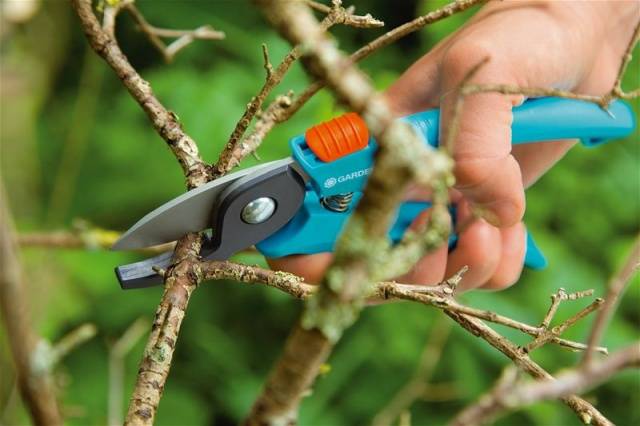
To carry out pruning you will need the following tools:
- A pruning shear is a device for cutting thin branches (up to 2.5 centimeters in diameter).
- A lopper is a tool for cutting thick branches (up to 5 centimeters in diameter).
- A pruning saw (battery-powered or hand-held) is a tool used for cutting large and thick branches.
- A garden knife is used to trim thin shoots. It allows you to make diagonal cuts.
Types and features of trimmings
There are several types of plant pruning. Each serves a specific purpose. It's important to remember that this plant dislikes frequent pruning and is sensitive to it. Any pruning procedure should have a specific purpose. Young seedlings should be left alone for the first two years after planting, allowing them to strengthen and grow a little.
Rejuvenating
It's performed in the 7th or 8th year to restore fruiting to an aging bush. Rejuvenating pruning helps increase sea buckthorn yields.
Sanitary
It's performed every season (in the fall, after the berries have been picked and the leaves have fallen). All diseased and broken branches are removed from the bush. Sanitary pruning is done to prevent the spread of infection and maintain healthy growth.
Formative
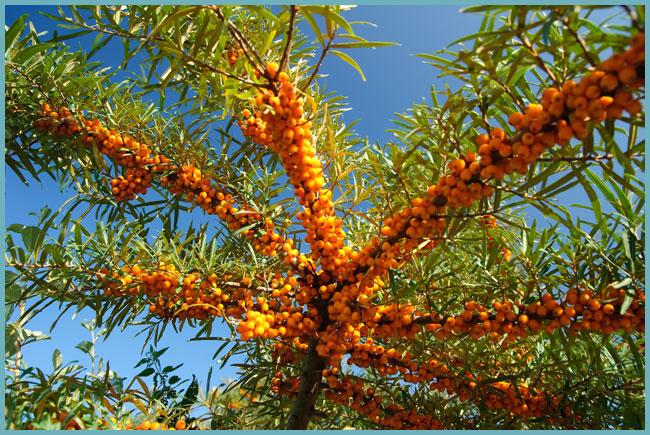
This type of pruning is used to shape the sea buckthorn. Crown shaping begins in early spring, as early as the second year of growth. The plant can grow as a shrub or a small tree. The shape of the sea buckthorn has no effect on yield.
In a bush
To give the plant a neat shape, leave only three skeletal branches growing from the roots; the rest are removed. The tops of the remaining branches are shortened by 5-10 centimeters. This method is used to shape the plant into a bush.
On the trunk
Sea buckthorn can be trained to resemble a small tree. Pruning is done in the second year of life. One, the largest, preferably central, vertically growing shoot is left, and all others are pruned. The following season, the main trunk is pinched. Several (4-5) lateral branches are left growing from the top. The lower shoots on the trunk are cut off. The following year, the lateral branches are shortened, the lower shoots are cut off, and any basal shoots that appear are completely removed (down to the root).
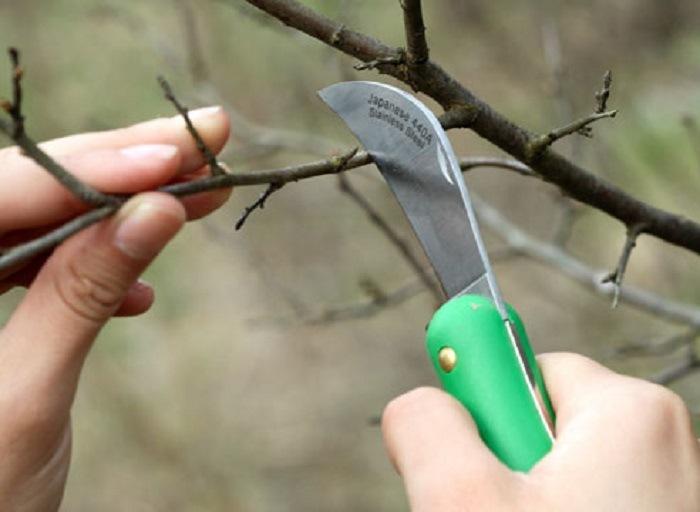
There are varieties of sea buckthorn that are genetically tree-like. These tall plants require top pruning and crown shaping early in their development.
Is it possible to trim sea buckthorn branches when picking berries?
If you cut sea buckthorn branches with ripe fruit on them, you could be left without a harvest the following season. Flower buds form only at the tips of young and old shoots. Furthermore, severe pruning leaves numerous wounds on the bush. Sea buckthorn is very sensitive to the removal of just 2-3 branches, and severe pruning can lead to the death of the plant.
Nuances of crown formation depending on the age of trees
Methods of pruning branches:
- on the ring;
- shortening.
Each of these techniques has its purpose. Removing branches at the ring is done to make the crown appear thinner and lighter. Old, diseased branches can be pruned in a similar manner. With this pruning method, the cut is made along the upper edge of the ring bud, located where the shoot emerges from the trunk.
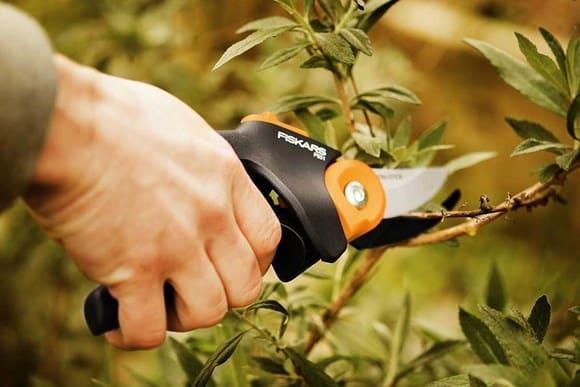
When shortening a branch, it is cut at an angle. This procedure is performed to reduce the height of the crown, increase branching, and change the direction of growth. To stop the growth of a young trunk and stimulate lateral branching, pinching is performed, which involves removing the top growth bud.
There are simple techniques that can help regulate the rate of shrub growth. To slow shoot development, remove 4 centimeters of bark below the growth bud.
To stimulate (activate) growth, remove the bark above the growth bud. To encourage the young bush to bear fruit faster and prevent the formation of side shoots, remove a 1-centimeter-wide strip of bark from the base.
After planting the seedling
Immediately after planting, the young shoot is pruned to a height of 30 centimeters (if growing a tree) or 10-20 centimeters (if growing a shrub). In the former case, the main stem will have the advantage of growing upward. In the latter case, the sea buckthorn will produce basal shoots, which can be used to shape the shrub later.
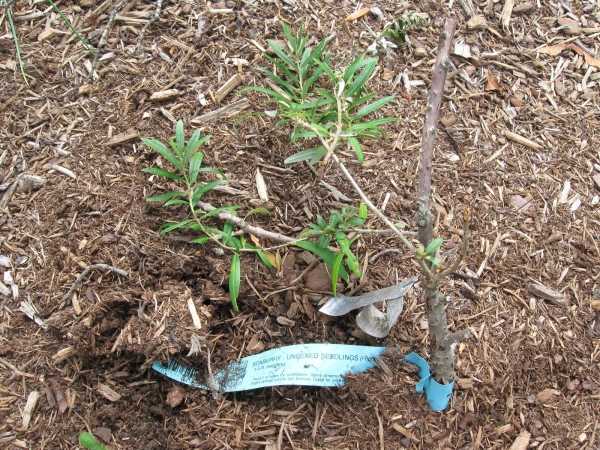
Forming young sea buckthorn
Sea buckthorn's crown should be neat and not dense. During the first 3-4 years, it should be shaped annually in the spring. In the 2-3 year, the central part of the bush should be opened up and three branches growing from the root should be left. Once the bush reaches the desired height, the top should be pinched.
If you want to give the plant the appearance of a tree, leave one vertical shoot. Its top is slightly shortened, the lower branches are cut off, the side branches growing from the top are left, and the root suckers are completely removed.
In the fourth or fifth year, the main branches should not be touched—they will be developing flower buds that will produce fruit by autumn. You can prune any shoots that grow inward and thicken the crown.
Pruning an old tree
In the 7th or 8th year, rejuvenating pruning of aging sea buckthorn is performed. The purpose of this procedure is to replace old branches that have begun to produce fewer berries with new ones. First, a promising one-year-old shoot is identified on the old branch and growth is transferred to it. Even a water sprout can be left, although it will need to be bent slightly in the ground.
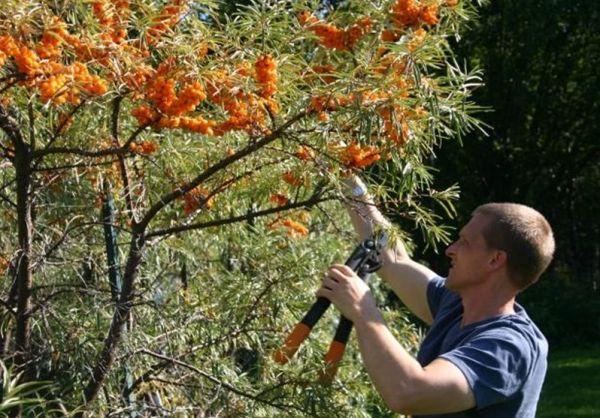
The top of the water sapling should be pinched to encourage branching and flower buds. Branches are rejuvenated gradually over 2-3 seasons, with only 1-3 older shoots removed per year.
Caring for the plant after the procedure
After pruning, all exposed areas and wounds must be treated: disinfected and covered with dressings. Failure to treat the cuts can lead to infection. A shrub left untreated after pruning can develop canker or fungal (viral) diseases.
Take a look Also
Processing of cuts
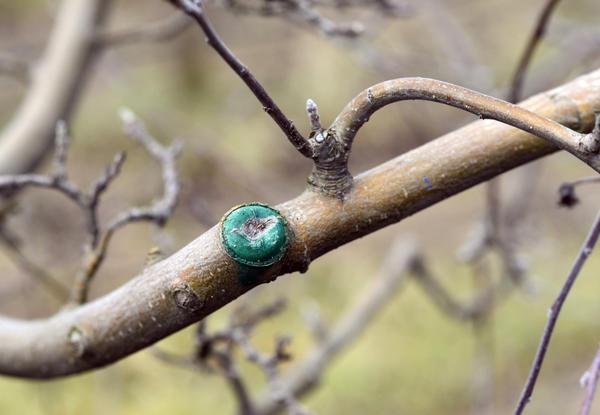
A fresh wound or cut is disinfected with copper or iron sulfate. Once the wound has dried, apply a sealant (garden pitch or oil paint based on drying oil). There are other wound sealants, such as Ran Net paste, Blago Sad sealant, and Robin Green biobalm. Do not cover fresh wounds and cuts with soil, as it may contain dangerous pathogens.
Top dressing
After pruning, it's recommended to carry out preventative measures (whitewash the trunk, water the area around the tree with copper sulfate) and feed the shrub. In the spring, it's advisable to fertilize the sea buckthorn with organic matter (half a bucket of rotted manure per square meter) or nitrogenous substances (urea, ammonium nitrate).
Before flowering, the plant is fed with potassium and phosphorus. After fall pruning, the basal branches should be treated with Bordeaux mixture. The shrub can be fertilized with a solution of superphosphate and potassium sulfate (35 grams per 12 liters of water).
Common mistakes of beginning gardeners
How to prune sea buckthorn correctly and avoid mistakes? This question is often asked by novice gardeners. In addition to knowing the proper technique, it's important to be aware of the mistakes you should avoid.
Trimming errors:
- Leave shoots growing inward. This should be avoided, as the branches will thicken the crown. This will reduce light access, reduce yield, and increase the risk of disease.
- Excessive pruning of lateral branches. It's important to remember that flower buds typically form at the top of the fruiting shoot. Excessive pruning can result in no harvest the following season. Lateral branches should only be pruned during the first 2-3 years of the plant's life.
- Pruning all branches along with ripe berries. If you prune all fruiting branches, you may be left with no berries at all the following year. Furthermore, severe pruning opens many wounds, and sea buckthorn cuts heal very slowly. This mistake can even lead to the death of the plant.
Related posts:
 Planting and caring for sea buckthorn in open ground, growing in the country
 Causes and symptoms of sea buckthorn diseases, methods of pest control
 14 Best Step-by-Step Recipes for Preparing Sea Buckthorn for Winter
 How to quickly harvest sea buckthorn with your own hands and the basic tools
 Description and characteristics of the 60 best sea buckthorn varieties, how to choose depending on the region
 Timing and rules for peach pruning, formation scheme after harvesting
 Rules for propagating sea buckthorn by cuttings, shoots, and seeds at home
 Timing and types of apricot pruning, schemes and methods for crown formation