
- Why does sea buckthorn get sick?
- Factors affecting susceptibility to disease
- Sea buckthorn diseases: symptoms and treatment methods
- Fusarium
- Various types of rot
- Scab
- Black crayfish
- Blackleg
- Endomycosis
- Verticillium wilt
- Fruit rot
- Heterosporium
- Alternaria leaf spot of sea buckthorn
- Ulcerative necrosis of the cortex
- Stem rot
- Septoria leaf spot
- Common pests and their control
- Geometrid moth
- Gall mite
- Sea buckthorn aphid
- Sea buckthorn fly
- Moth
- Sorrel bug
- The omnivorous leaf roller
- Preventive measures
- Seasonal treatments
- Proper care of the plant
- Selecting resistant varieties
Among fruit trees and shrubs, sea buckthorn is particularly intriguing due to its vast array of vitamins and medicinal properties. Thanks to its adaptability to growing in any climate, this unique tree has become widespread. However, gardeners' joy can be marred by the sudden onset of disease in a growing sea buckthorn, requiring urgent intervention to save it.
Why does sea buckthorn get sick?
Improper planting in open ground, improper subsequent care, and various mechanical damage often lead to weakened immunity and the weakening of young seedlings. As a result, sea buckthorn loses its ability to resist microbial invasion by various sources and becomes diseased.
Factors affecting susceptibility to disease
There are many reasons why gardeners eventually encounter diseases on fruit trees and shrubs. Many can be prevented with timely preventative measures. Some diseases arise unexpectedly and without apparent cause.
Let's highlight the main factors that can cause sea buckthorn to become ill:
- planting varieties that are not adapted to the given climatic conditions;
- growing a tree on unsuitable soils with close groundwater levels;
- frequent alternation of frosts and thaws;
- lack of nutrients;
- insufficient watering during prolonged dry periods.
All of the above factors reduce winter hardiness, weaken the immune system, promote bark rot in the root collar area, and become a favorable environment for the settlement of fungi and microorganisms.

Sea buckthorn diseases: symptoms and treatment methods
Sea buckthorn is susceptible to a number of diseases. Each has its own specific characteristics and characteristics. Even an inexperienced gardener can easily recognize the onset of a disease through visual inspection and begin treatment immediately. Let's look at the most common diseases.
Fusarium
Premature wilting of leaves and massive drop of unripe fruits indicate the onset of fusarium wilt. The bark at the root collar turns red and swells. The wood darkens.
Various types of rot
Rainy weather encourages sea buckthorn to become infected with gray or brown rot. Brown rot is easily recognized by its distinctive dark spots. Gray rot causes the berries to wilt. They become covered in a gray coating and fall prematurely.
Scab
The distinctive features of scab include the appearance of black spots and ulcers on leaves, fruit, and bark. Fruit turns black and dries out. The bark becomes blistered, and leaves dry out and curl.
When treating this disease, all affected areas are cut off, the cuts are disinfected and treated with garden pitch.
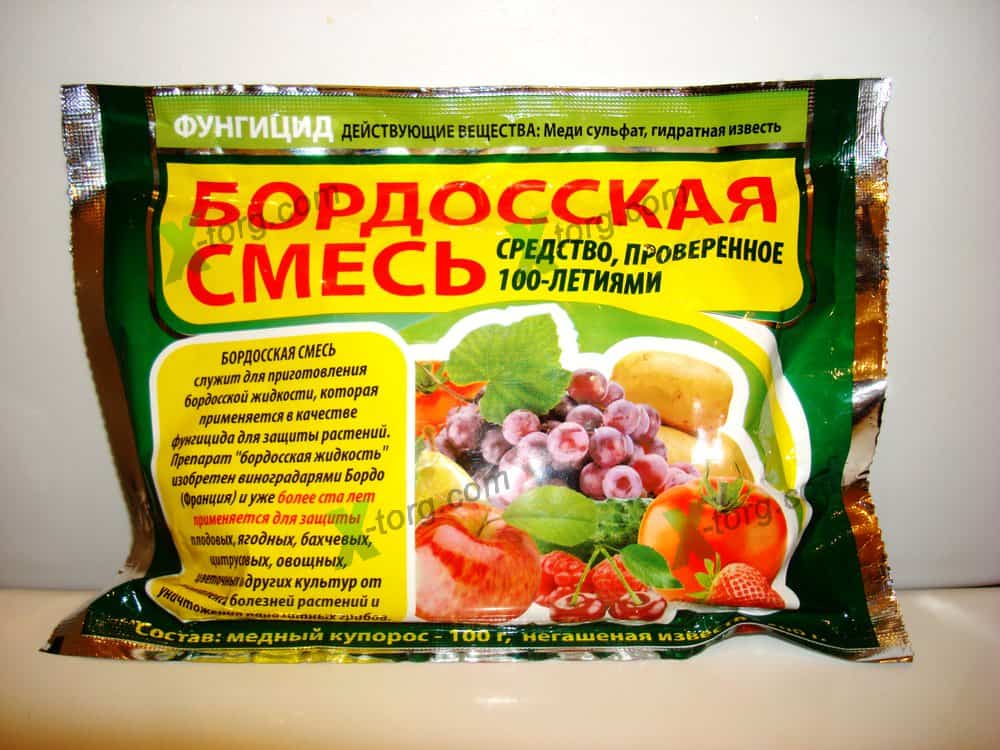
The tree is sprayed with Bordeaux mixture. If the disease is allowed to progress and no action is taken in time, the sea buckthorn will die within a few seasons.
Black crayfish
Cracks and swellings in the bark with characteristic dark spots, and blackened wood in open wounds indicate a dangerous disease called black canker. The tree stunts, and the leaves turn pale. Treatment begins before the buds swell. Affected areas are removed down to healthy wood. Cuts are thoroughly disinfected with copper or iron sulfate. The wounds are coated with garden pitch.
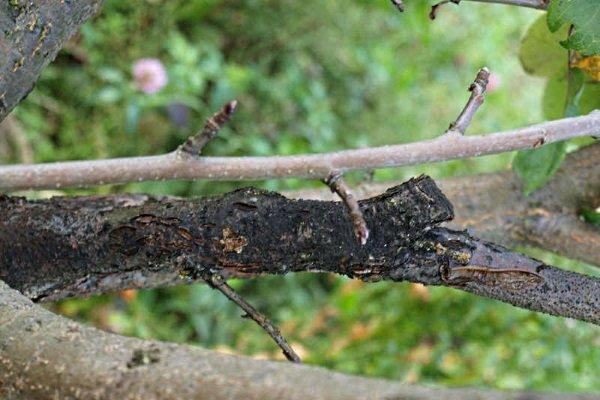
In advanced cases, these measures are ineffective. As a result of severe damage, the sea buckthorn's immunity weakens, and it loses its ability to resist pests and diseases. The tree dies within a few years.
Blackleg
Pathogenic infections, settling in the soil, penetrate open wounds in sea buckthorn plants and infect them. Blackleg is dangerous for seedlings. It causes darkening of the root collar and rotting of plant tissue. The seedling becomes thinner and dies.
To prevent the disease, use a soil mixture with a high content of washed river sand for germinating seedlings and periodically water the young plant with a solution of potassium permanganate.
Endomycosis
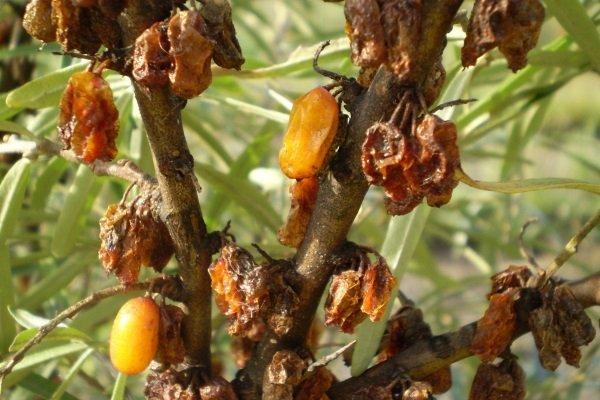
At the end of summer, some trees may develop flabby, whitened fruit. These fruit are filled with a light gray, slimy substance. Some of the fruit burst and infect healthy berries ripening nearby. This is a fungal disease called endomycosis.
Verticillium wilt
Summer isn't over yet, but your sea buckthorn leaves have already turned yellow and fallen off? It's been struck by verticillium wilt. Shriveled berries, cracks, and reddish blisters on the bark only confirm the diagnosis. Verticillium wilt can cause the plant to die as early as next year.
The affected tree is uprooted and burned. This disease is incurable.
Fruit rot
During prolonged rainfall, densely populated trees become infected with a fungus that causes fruit rot. The berries become soft, darken over time, and dry out. Most of the fruit do not fall off, but remain on the branches for a long time, spreading the fungus throughout the orchard.
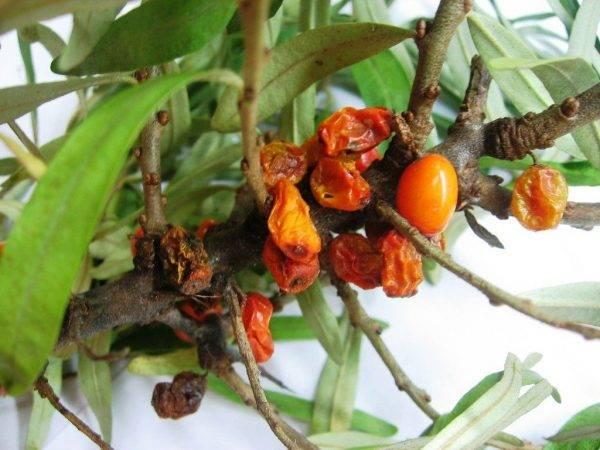
Sea buckthorn requires removal of dense crowns, which is the main cause of fruit rot. To prevent this, spray the tree with Bordeaux mixture in the spring and fall.
Heterosporium
Dark spots on the underside of the leaf indicate heterosporiosis. As the disease progresses, the spot expands along the entire length of the leaf, causing it to die. The branches and berries are then infected. On damaged areas of the bark, the fungus appears as a brown coating.
Alternaria leaf spot of sea buckthorn
Alternaria causes severe damage to the bark. It is easily recognized by the black, velvety coating that spreads en masse in damp weather. Leaves turn brown and fall prematurely. Lower branches and heavily dense areas dry out.

Ulcerative necrosis of the cortex
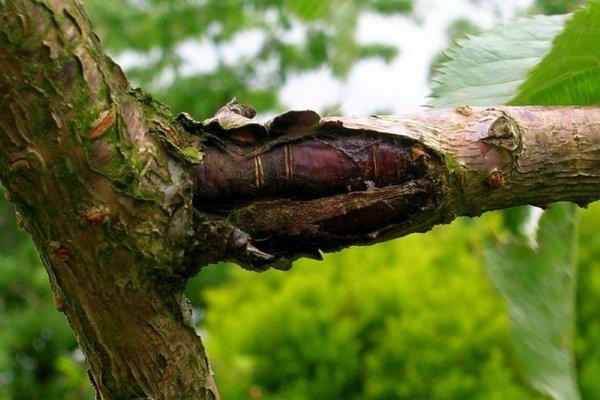
Canker necrosis of the bark is easily identified by its specific growths. As the disease progresses, the trunk gradually dries out, and the sea buckthorn dies. Young trees are particularly susceptible to this disease. It is necessary to remove all damaged areas of bark as quickly as possible, down to healthy wood, and treat the cuts with copper sulfate. In the spring, thoroughly spray with Bordeaux mixture.
Stem rot
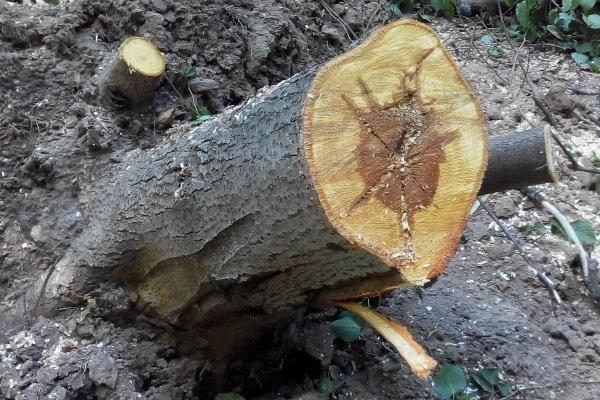
When the polypore fungus gets under the bark of sea buckthorn, it causes the wood to split along the annual rings. To combat this disease, remove all affected areas, treat the cuts with copper sulfate, and seal them with garden pitch. In early spring, spray the tree with Bordeaux mixture.
Septoria leaf spot
Experienced gardeners will recognize unhealthy brown spots surrounded by a colorless ring as the onset of septoria leaf spot. This disease prevents berries from ripening and reduces the winter hardiness of sea buckthorn. All infected areas must be removed with a sterile instrument and burned.
Common pests and their control
The following pests cause irreparable damage to sea buckthorn:
- geometer moth;
- gall mite;
- aphid;
- moth;
- sorrel bug;
- leaf roller.
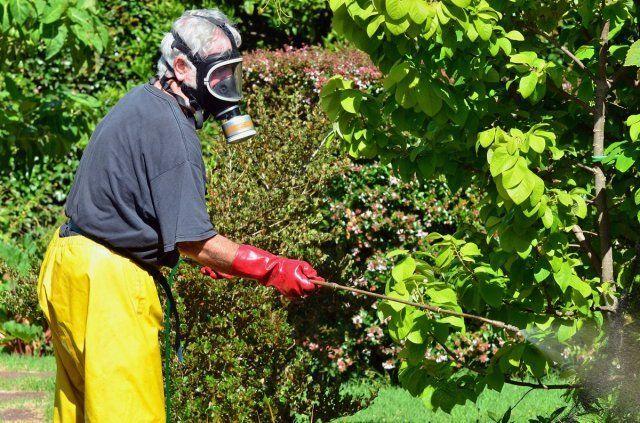
Annual spring treatment with insecticides will help protect the garden from the above-mentioned pests and maintain the productivity of sea buckthorn.
Geometrid moth
The geometer moth is very dangerous for sea buckthorn. It settles on the tree in early spring and continues to cause damage until autumn. As a result of this coexistence, the sea buckthorn loses all its foliage, leaving it completely bare.
In case of mass spread of these annoying insects, insecticides are used.
Gall mite
The presence of gall mites on sea buckthorn is easily recognized by the characteristic swellings of the leaves. By damaging buds and causing premature leaf fall, this dangerous insect often leads to the death of the tree.
Sea buckthorn aphid
When aphids settle on sea buckthorn, they feed on the cellular sap of the leaves, causing them to curl and die. This damage also inhibits flowering and fruit development.
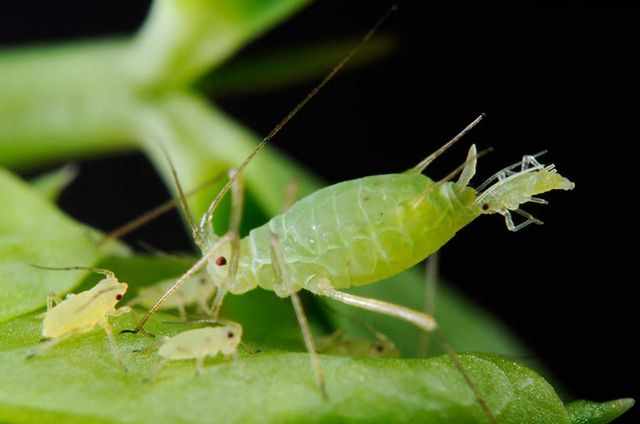
If no action is taken promptly, disrupted photosynthesis causes branches to dry out and the tree to die. Generous spraying with a solution of laundry soap is an effective measure against sea buckthorn aphids.
Sea buckthorn fly
Sea buckthorn fly larvae, which overwinter in cocoons, migrate to the berries with the arrival of summer and ripening fruit, vigorously devouring them. Thus, these seemingly harmless white worms cause irreparable damage to the harvest. A layer of mulch at least 15 centimeters thick around the trunk will help prevent the appearance of white larvae on sea buckthorn. A dense layer prevents the larvae from escaping and protects the berries.
Moth
Once settled in a garden plot, the moth actively lays eggs. In the summer, these hatch into caterpillars that feed on young leaves and buds, suffocating the plant with their dense web.
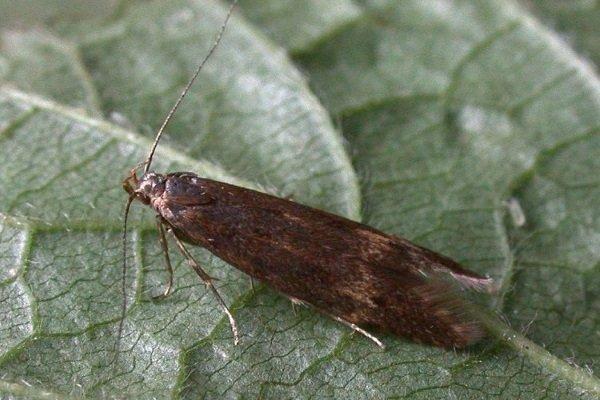
If moths are detected, treat with Inta-Vir or similar medications. In severe cases, spraying should be repeated several times.
Sorrel bug
The sorrel bug is particularly dangerous to sea buckthorn. It feeds on the sap of young shoots, buds, and leaves, causing serious damage to the tree. Sea buckthorn yields are noticeably reduced, and its winter hardiness is diminished.
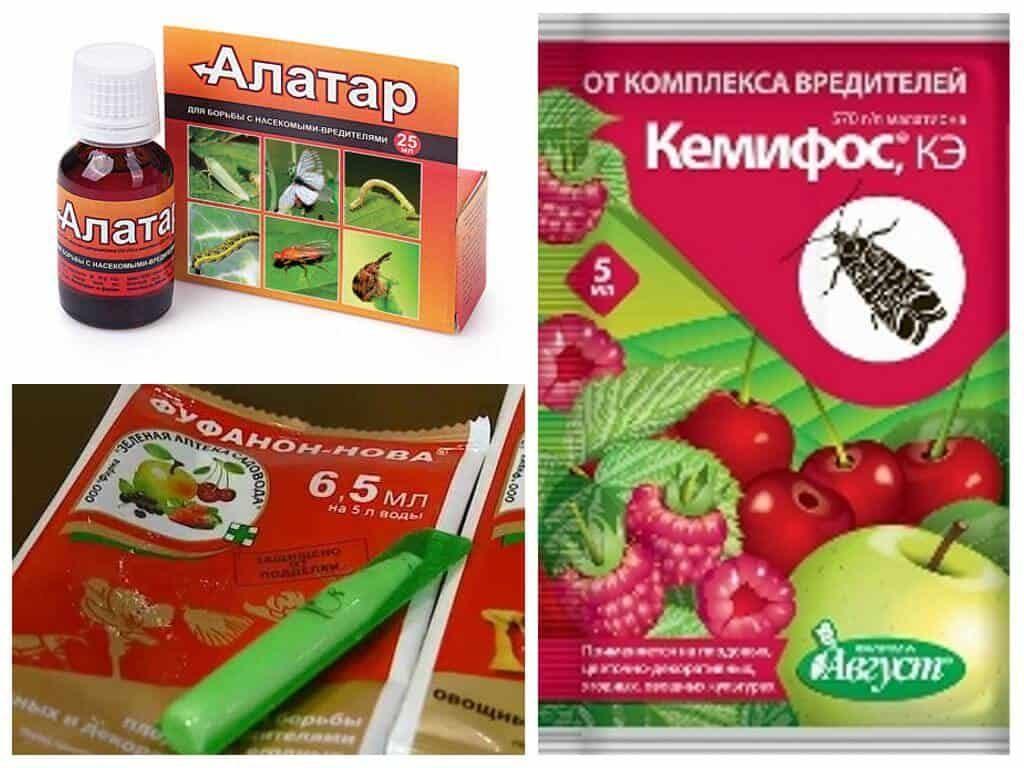
To combat this insect, the plant is treated with Fufanon, Kemifos, and Kinmiks.
The omnivorous leaf roller
The sea buckthorn leaf roller is very fond of the leaves, fruits, and flowers. It's easy to spot—damaged leaves curl up into tubes. To control the leaf roller, spray the tree with a solution containing the insecticides Kemifos or Actellic.
Preventive measures
Timely preventative measures will help prevent diseases of growing sea buckthorn and maintain fruiting at the proper level.
Seasonal treatments
Caring for growing sea buckthorn in autumn consists of implementing the following preventive measures:
- thorough cleaning of the area from fallen leaves and their burning;
- loosening the tree trunk circle while simultaneously adding ash;
- treatment with copper-containing preparations;
- painting the trunk with lime.
Sea buckthorn also requires attention in spring. During this period, the following should be done:
- health-improving pruning of the crown with subsequent treatment of the cuts with copper sulfate and garden pitch;
- spraying sea buckthorn with Bordeaux mixture;
- Fungicides are applied two weeks after flowering.
Proper care of the plant
Strict adherence to all agricultural procedures within the established timeframes will allow you to grow a healthy tree and obtain consistent sea buckthorn harvests each year. To achieve this, you must:
- Select a zoned, healthy seedling.
- Plant it correctly in a suitable place.
- Conduct timely feeding, watering, loosening, fertilizing and pruning.
Selecting resistant varieties
When planning your own garden at your summer cottage to ensure a bountiful harvest each year, consider regionalized sea buckthorn varieties that are resistant to most common diseases. Breeders have developed many such varieties. Here are a few:
- Darling;
- Altai;
- Elizabeth;
- Galerite;
- Thumbelina;
- Openwork;
- Giant;
- Amber necklace;
- Moscow beauty;
- A gift to the garden.
Compliance with all agricultural requirements during planting and subsequent care contributes to the growth of a luxurious, healthy tree and the production of large annual sea buckthorn harvests.
Related posts:
 Description and characteristics of the 60 best sea buckthorn varieties, how to choose depending on the region
 Planting and caring for sea buckthorn in open ground, growing in the country
 14 Best Step-by-Step Recipes for Preparing Sea Buckthorn for Winter
 How to quickly harvest sea buckthorn with your own hands and the basic tools
 Timing and rules for pruning sea buckthorn for beginners
 Simple recipes for sea buckthorn jam and confiture at home for the winter, with or without cooking
 Rules for propagating sea buckthorn by cuttings, shoots, and seeds at home
 Rules and methods for storing sea buckthorn berries for the winter at home