
- When does sea buckthorn ripen?
- Variety
- Growing region
- Weather conditions
- How to determine when it's time to harvest
- Some tips for harvesting fruits
- We assemble by hand
- The "freezing" method
- Masher
- Trimming berries with small scissors
- Methods for processing cut branches
- Berry picking equipment
- A knapsack or harvester for collecting sea buckthorn
- Scraper for collecting sea buckthorn
- Cobra
- Slingshot
- Forceps
- Glove
- Small net
- Loop
- Other tools for quick sea buckthorn harvesting
- How to make a device for collecting sea buckthorn with your own hands
- We clean the collected sea buckthorn from leaves
- Storage conditions and duration of berry storage
- Aftercare of the tree
Sea buckthorn is a unique plant, a beneficial product, and a versatile remedy that helps combat many ailments. When it's time to harvest, not everyone dares to do it themselves. This process is quite labor-intensive and has its own nuances. Therefore, before beginning, it's important to carefully study the proper harvesting methods and the appropriate equipment.
When does sea buckthorn ripen?
Harvesting and ripening times for sea buckthorn depend on many factors. Generally, there are two periods during the sea buckthorn ripening year when it's time to begin harvesting the berries:
- the last ten days of August, at this time the fruits are at the initial stage of ripeness;
- The end of September, at this stage it is possible to harvest late-ripening crops.
These designations are rather arbitrary due to the influence of natural and climatic factors.
Variety
The ripening time varies for each variety. They are generally divided into three groups:
- Early maturing. The fruits ripen in the last week of August.
- Mid-season. Berry formation period: third ten days of August – second week of September.
- Late-ripening. The plant begins to bear fruit in the second ten days of September.
Pollination is also very important, so male and female plants should be grown in close proximity.
Growing region
It's important to consider the varietal characteristics of the crop and select the correct species suited to the region. Flowering begins later in northern regions, unlike in warmer climates, where early-blooming sea buckthorn varieties predominate.
IN Sea buckthorn varieties have proven themselves well in central Russia European selection, as they are able to withstand drastic climate changes. These include the following species:
- Nivelena;
- Augustine;
- Botanical hobby;
- Giant.

Varieties suitable for growing in the Moscow region must have similar characteristics, as the climate is characterized by sharp alternations of frosts and prolonged thaws in winter. Such crops include:
- Botanical aromatic;
- Rowan;
- Pepper;
- Muscovite;
- Moscow beauty;
- A gift to the garden;
- Excellent.
Wild sea buckthorn can be found growing freely in Siberia and the Urals, meaning the climate in these regions is ideal for varieties that can withstand extreme cold and low humidity. Species that are resistant to low temperatures and productive have proven themselves in the Urals:
- Giant;
- Otradnaya;
- Elizabeth;
- Fox.
In Siberia, the main criterion taken into account when selecting varieties is high frost resistance. The following are suitable for cultivation in the northern regions:
- Altai news;
- Siberian blush;
- Chuiskaya;
- Orange;
- Pepper, a variety bred in Leningrad.
In the village of Shulginka in the Altai Territory, there is a sea buckthorn processing and cultivation company. They produce oils, extracts, and other biological products from the fruits and leaves of this medicinal plant.
Bashkiria often experiences moderately warm summers, but sometimes hot ones, and cold winters. This region experiences the most frequent changes in air masses, as the republic is located inland. The following varieties are adapted to these conditions:
- Aley;
- Golden Cob;
- Panteleevskaya;
- Chechek.
 Therefore, when choosing a variety, it is necessary to take into account the natural and climatic conditions of the region.
Weather conditions
Ripening times depend directly on weather conditions. If the summer is hot and rainless, the harvest can be picked much earlier. In damp weather, ripening will occur later.
How to determine when it's time to harvest
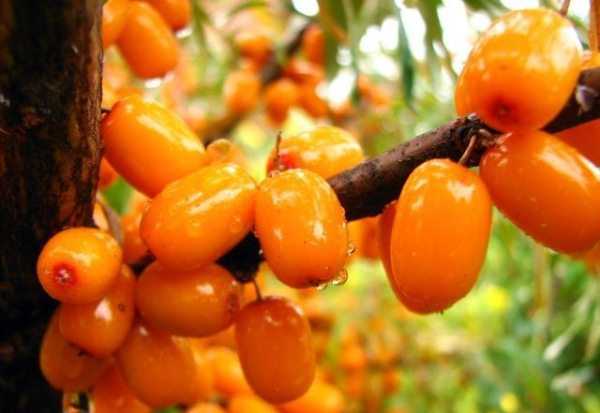
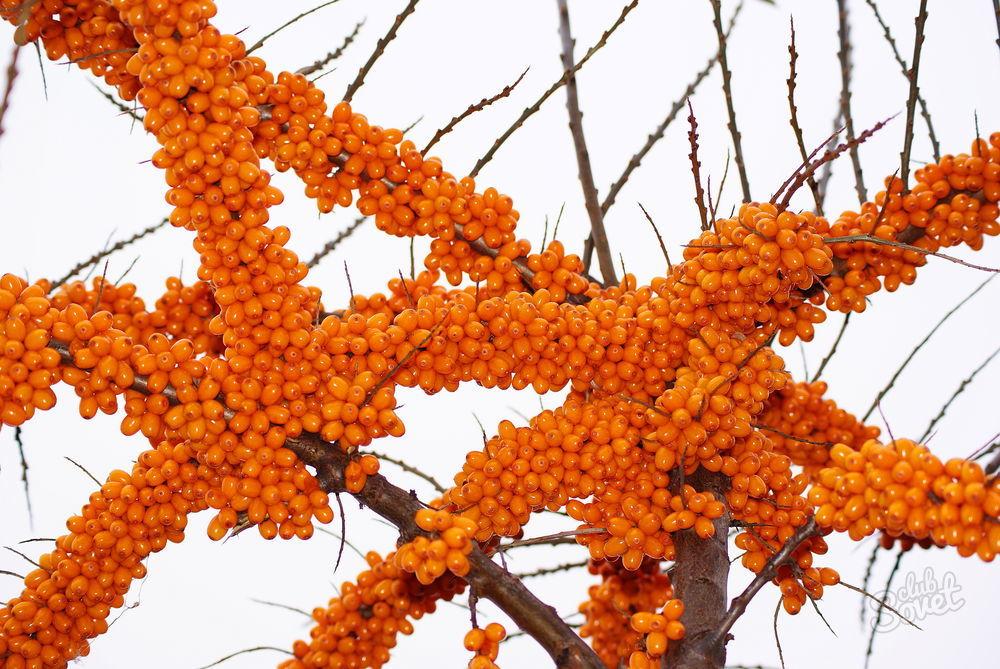
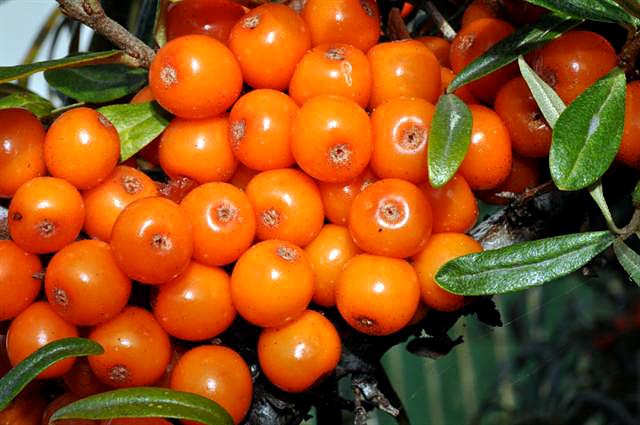
It's recommended to begin harvesting the berries as soon as the first frosts have passed. A round shape, bright color, and tightly packed berries are a clear sign of ripeness. If you wait too long, the sea buckthorn will become soft and will crush in your hands when picked.
Before harvesting, it's important to decide how you'll use the berries. If you're planning to make compote or jam, or to consume them immediately, you should begin harvesting during the first few days of ripening, when the berries are still soft.
When making marmalade or butter, it is recommended to delay harvesting and wait until the berries are saturated with moisture and become juicy.
Some tips for harvesting fruits
To ensure that harvested sea buckthorn berries retain their appearance and medicinal properties for as long as possible, follow these harvesting guidelines:
- It is better to cut the berries in the direction away from the trunk.
- Unripe fruits are easier to pick because they are firmer and don't get crushed in your hands.
- It is essential to wear protective clothing and gloves, as sea buckthorn stains are difficult to remove.
- An umbrella can be used as a container. Open it and hang it on the branch from which the berries are collected. Lay a cloth underneath the tree to prevent the loss of any berries.

Proper preservation of sea buckthorn is crucial. It should be refrigerated and brewed into tea in winter. The harvest can be frozen, combined with sugar in a 1:1 ratio, dried, or used to make a fragrant, delicious jam.
We assemble by hand
The only way to carefully pick the fruit without damaging it is by hand. This involves carefully separating the fruit from the stem and stem and placing it in a prepared container, which is best hung around the neck for convenience. This process is considered very labor-intensive and time-consuming.
The "freezing" method
After the first frost, spread cellophane under the bush. Hit the branches with a sturdy stick to knock the ripe berries down. Store the harvested fruit in containers or wooden boxes.

Masher
To do this, place the bag under the branch and, wearing a protective glove, firmly run it along the shoot, gently squeezing the berries. The juice will flow into the bag.
Trimming berries with small scissors
This method is time-consuming. First, you need to carefully prune the branches, and then remove the berries once you're indoors.
Methods for processing cut branches
Remove fruit from cut branches at home using a fork, scissors, or by hand.

Berry picking equipment
Thanks to the berries' numerous medicinal properties, many gardeners have come up with and successfully used various devices that make harvesting the fruit much easier.
A knapsack or harvester for collecting sea buckthorn
You can purchase equipment for convenient sea buckthorn harvesting. Sea buckthorn harvesters can be made of metal, plastic, or wood. They consist of a hand-held attachment such as a comb, a scoop, and a berry collection tray.
Scraper for collecting sea buckthorn
A scraper can be made from aluminum wire, secured to the neck of a jar with a single twist. Bend the ends of the wire 90 degrees to form a comb. This tool makes harvesting fruit much easier by clamping the branch into a curl and removing the fruit with a downward motion.

Cobra
The cobra is a homemade noose made from a wooden block and thin steel wire, which is bent and attached to a prepared wooden handle. Attach the noose to the end of a branch and, with a sharp movement, cut off all the fruit.
Slingshot
The device works by pulling a string through a slingshot, cutting the berries from the branches and dropping them into a container. Be careful not to press too hard on the branches to avoid damaging the buds.
Forceps
They allow you to keep the fruits whole and cope with the task without difficulty, unlike manual picking.

Glove
Similar gloves designed for harvesting sea buckthorn can be purchased at gardening stores. This easy harvesting method works similar to a scraper.
Small net
It's recommended to use it during harvesting to prevent berries from falling to the ground. To do this, take a thick wire and bend it toward the ring, then stretch the fabric over it. The net is hung around the neck.
Loop
Sea buckthorn can be collected from branches using a homemade loop. A loop is made from wire, which grasps the berries at the very stem.

Other tools for quick sea buckthorn harvesting
When harvesting sea buckthorn berries, you can also use tools such as a hook and a comb.
How to make a device for collecting sea buckthorn with your own hands
To make assembly easier, you can construct the device using a plastic bottle. To do this, make a large hole in it, shaping the top edge into small teeth. Then, tie the bottle securely to a stick, and the device is complete.
We clean the collected sea buckthorn from leaves
You can easily remove sea buckthorn leaves by pouring them onto a board set at an angle, at which the berries will roll off on their own into the plastic sheet spread underneath.

Storage conditions and duration of berry storage
Berries can be stored using different methods: freezing, drying, canning, placing the fruit in sugar or water.
The harvest can be placed in a refrigerator or cellar at a temperature of 0 to -5°C and stored in these conditions for up to 7 weeks. You can extend the shelf life by transferring the berries to airtight bags.
Aftercare of the tree
After harvesting, sea buckthorn requires sanitary pruning, which involves removing all abnormally growing and diseased branches. By using one of the convenient methods for harvesting sea buckthorn, you can stock up on healing berries for the entire year, which will delight you with their taste and improve your health.
Related posts:
 Planting and caring for sea buckthorn in open ground, growing in the country
 14 Best Step-by-Step Recipes for Preparing Sea Buckthorn for Winter
 Description and characteristics of the 60 best sea buckthorn varieties, how to choose depending on the region
 Causes and symptoms of sea buckthorn diseases, methods of pest control
 Timing and rules for pruning sea buckthorn for beginners
 Description of 36 of the best sweet and large varieties of gooseberries
 Simple recipes for making sea buckthorn juice at home using a juicer for the winter
 Top 10 easy recipes for making sea buckthorn jam at home for the winter