
- Description and characteristics of the plant
- Suitable varieties for growing at home
- Dwarf
- Carthage
- Baby
- How to grow
- In the form of a bush
- In the form of a tree
- Care instructions
- Lighting
- Temperature
- Watering mode
- Humidity
- Soil
- Top dressing
- Trimming
- How to care for it in winter
- How to transplant correctly
- Methods of reproduction
- Seeds
- With bones
- Cuttings
- Graft
- Diseases and pests
- Scale insect
- Whitefly
- Spider mite
- Powdery mildew
- Branch cancer
- Spots on leaves
- Tips and tricks for beginners
Every gardener dreams of growing a pomegranate at home. This exotic plant delights with both its delicious fruits and its decorative value. By following all the care instructions, you can grow a fruiting indoor pomegranate that will decorate your home for a long time, creating a cozy and comfortable atmosphere, and providing a source of vitamins and minerals, all found in its healthy fruit.
Description and characteristics of the plant
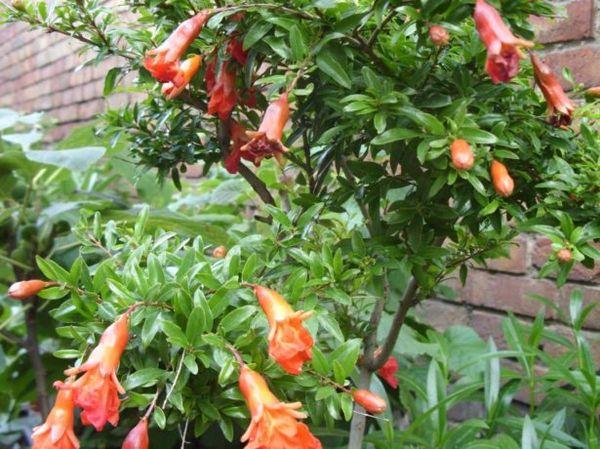
An ornamental shrub up to 120 cm tall and 90 cm wide. It has small, oval-shaped, glossy, light-green leaves on short, red petioles.
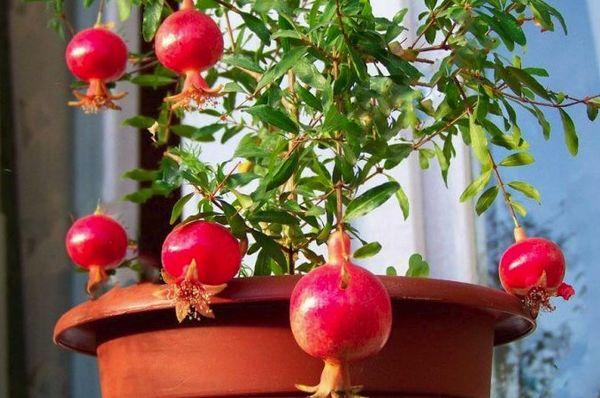
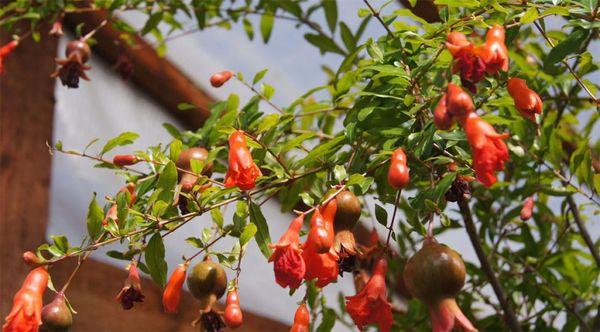
During flowering, which occurs from May to September, the bush is covered in large purple flowers. Although the pomegranate is renowned for its long blooming period, a single flower can last only 2-3 days. New buds form on the bushes every day. For every 100 flowers, there are 3-4 ovaries; the others fall off after flowering. The flowers attract attention even when the pomegranates are ripe.
Unfortunately, the fruits of dwarf pomegranates don't boast the same flavor as regular garden pomegranates. Fruiting begins in November and continues until February.
Harvesting is done more to obtain material for planting than for consumption and culinary purposes.
Suitable varieties for growing at home
The following varieties of pomegranate are popular in home gardening.
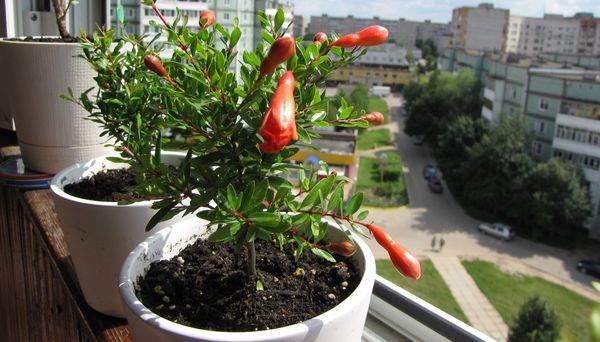
Dwarf
This is a miniature variety of pomegranate. However, its fruits are inedible. Its main attraction is the orange flowers that adorn the bush throughout the summer. It is deciduous, making it an ideal choice for a winter garden.
Carthage
A beautiful, flowering tree, not exceeding 1 m in height. The pomegranate is prized for its small, emerald, elliptical leaves and red flowers up to 4 cm in diameter. Flowering occurs from May to August.
The fruits, 5-7 cm in diameter, are eye-catching, containing numerous seeds surrounded by a juicy shell. The fruit's flavor harmoniously balances sweetness and tartness.
Baby
A low-growing, deciduous shrub growing 40-50 cm tall. The plant is adorned with narrow, light-green, glossy foliage and large, bright-red flowers.
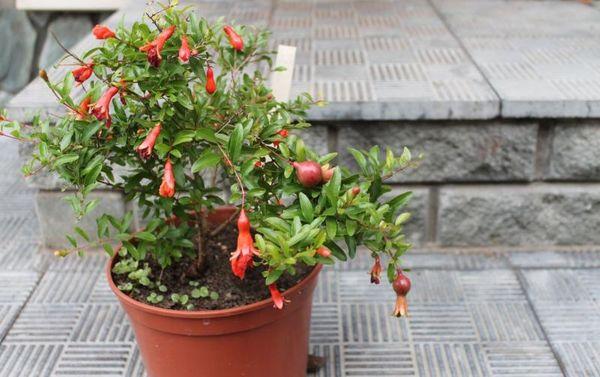
The plant produces medium-sized fruits, striking in their orange and red coloring. The fruits ripen in November.
Flower growers love this pomegranate for its compactness, unpretentiousness, beauty and unique properties.
How to grow
Indoor pomegranate can be grown as a bush or a tree.
In the form of a bush
To make pomegranate care easier, train the bush into 5-6 stems by planting several seeds at once. As the pomegranate grows, pinch the tips of the stems at various heights. By following these guidelines, you can enjoy a beautiful bush distinguished by its branching.
In the form of a tree
Growing a pomegranate tree requires developing a strong, stable crown. To achieve this, plant a single seed and pinch off the shoots when they reach 60 cm in height. As the branches grow, pinch them to the desired shape.
Subsequently, the plant forms a small tree with 5 skeletal branches located in different parts, which over time form second-order branches, on which third-order branches are laid.
Care instructions
Indoor pomegranates require proper care, which includes maintaining proper lighting, watering, and temperature conditions, as well as regular fertilization, proper pruning, and necessary winter maintenance.

Lighting
Plant growth and development are directly dependent on adequate light. Pomegranates require ample light and warmth, as a lack of either will cause leaf drop. Also, placing the plant in a shaded area hinders the bush's full growth and flower formation.
The indoor pomegranate is a plant that does not require shade from the sun, even at midday, so the ideal option is to place it on a south-eastern windowsill.
From spring to fall, indoor pomegranates thrive outdoors in a sunny, warm, and draft-free spot. In October, the flowers can be placed indoors.
Temperature
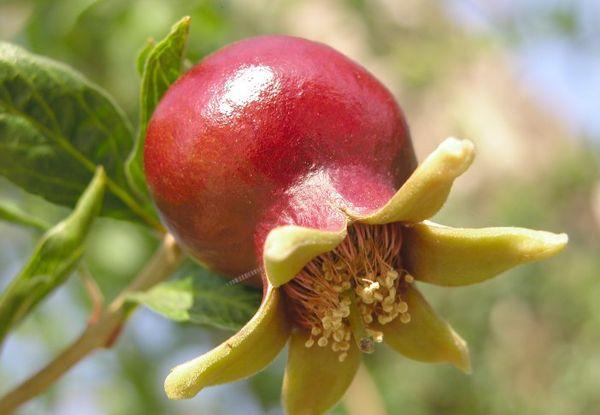
The ideal temperature for indoor pomegranates in summer is 24-26 degrees Celsius, and in winter, 10-12 degrees Celsius. Keeping the flowers in cooler conditions will positively impact subsequent fruiting. During flowering, temperatures should not exceed 25 degrees Celsius.
Watering mode
Watering is considered an essential part of pomegranate care. A sign that it's time to water is when the top layer of soil in the pot has dried out. Only warm, settled, soft water is suitable for watering. In winter, when the plant is dormant, reduce the frequency of watering to once a month. In mid-February, saturate the soil to stimulate all the important growth processes. Water generously until flowering.
Important! Watering must be done according to all the rules, as excessive moisture can cause the plant to drop buds, and a lack of it will cause the pomegranate to lose its decorative appeal.
Humidity
The plant should be kept in a room with moderate humidity. If humidity is low, the above-ground portion of the indoor pomegranate should be misted more frequently with cool water.
Soil
To grow a decorative indoor pomegranate, you should select soil that is loose and breathable. You can use store-bought soil or prepare your own by combining turf, humus, peat, and sand in a ratio of 50:25:12:13.
To prevent water stagnation, ensure a drainage layer at the bottom of the pot using expanded clay.
Top dressing
Fertilizers should be added twice a month. Fertilize the pomegranate starting in mid-spring, when the sap begins to flow. You can use any indoor plant fertilizer that doesn't contain chlorine, which is harmful to the roots.
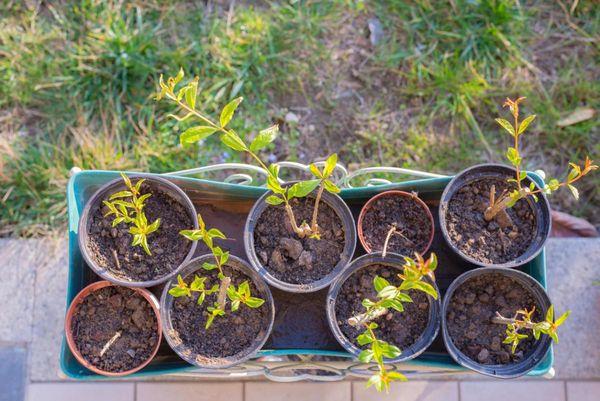
Before pomegranate blooms, enrich the soil twice with nitrogen to promote strong stem growth and stimulate foliage growth. You can use a store-bought fertilizer or wood ash.
The flower responds positively to organic matter, such as a solution of chicken manure, a decoction of nettle leaves and dandelion flowers.
Tip! Before adding nutrients, water the soil with room temperature water.
In autumn, reduce the amount of feeding and fertilize the pomegranate once a month; this will help prepare the flower for the dormant period.
Trimming
Prune annually in the spring, removing dry, weak branches. When shaping the pomegranate as a bush, leave four main branches. To encourage branching, trim young shoots, leaving five internodes. Cut shoots above an outward-facing bud to encourage the flower to grow outward rather than inward. If the pomegranate is shaped like a tree, remove all root suckers when pruning.
How to care for it in winter
In winter, provide cool conditions for the pomegranate. The plant prefers fresh air, but protect the bushes from drafts and cold temperatures.
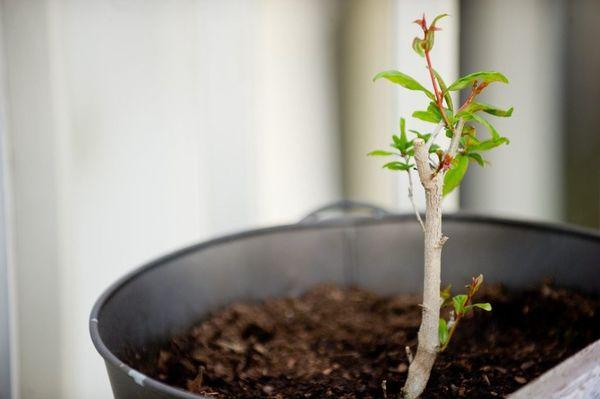
Also reduce the number of irrigations, watering young plants once every 10 days, and adult plants once a month.
How to transplant correctly
Replant young pomegranate bushes every spring, and when the plant reaches 3 years of age, replant once every 3 years.
To do this, fill the container one-third full with drainage material and relocate the plant using the transshipment method. Choose a pot 2-3 cm in diameter larger than the previous one; pomegranates don't respond well to very wide containers. In a compact pot, the plant will thrive, delighting you with intense blooms.
Methods of reproduction
Vegetative propagation, as well as seeds and seeds, are widely practiced for growing pomegranate.
Seeds
Growing pomegranate from seeds is not difficult, but this method does not always result in the pomegranate bushes inheriting the parent's traits.
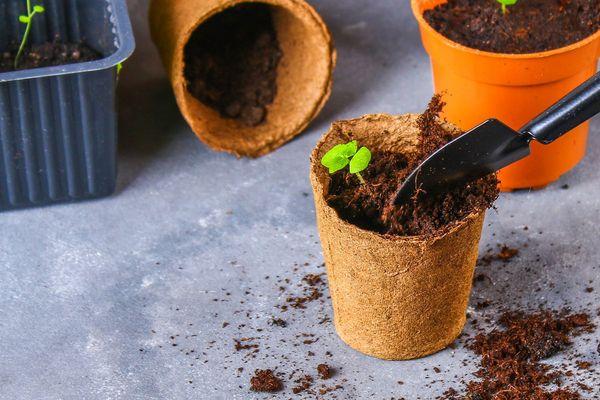
To do this, select the seeds from large fruits, wash off the pulp, dry them a little, and then follow the following procedure:
- In spring, plant pomegranate seeds in a mixture enriched with peat and sand (1:1) to a depth of 0.5 cm.
- Water the plantings and cover with glass.
- Place in a room with a temperature of 25-27 degrees and provide appropriate care.
- When the sprouts have 2-3 true leaves, plant them in individual containers with a diameter of 7-9 cm.
Under comfortable conditions, an indoor pomegranate will delight you with flowering in the first year of life, and with useful fruits in the second.
With bones
If you plan to grow an ornamental plant for its beauty rather than its fruit, it's best to propagate pomegranate from seeds.
Cuttings
The favorable period for propagating pomegranate using cuttings is July and February.
Stages of the reproduction process:
- Cut young branches of indoor pomegranate and divide them into sections, each with four internodes. Treat the cut sections with a root stimulant.
- Plant the prepared pomegranate cuttings in a pot with fertile soil at an angle of 45 degrees.
- Water, cover with film and place in a warm place, constantly moistening.
- After a month, when the cuttings have taken root and buds have appeared, remove the film.
Tip! To improve branching of your indoor pomegranate, shorten the growing shoot by one-third.
Graft
Indoor pomegranates are also propagated by grafting. To do this, a scion taken from a fruiting tree is grafted onto the rootstock of a plant grown from seed. Any grafting method is suitable, depending on the thickness of the scion and the rootstock. Simple bark grafting, side grafting, and cleft grafting are popular among gardeners.
A successfully grafted pomegranate will bloom in the 3rd-4th year after the procedure.
Diseases and pests
Indoor pomegranates can suffer from various diseases and pests. These problems are the result of unfavorable environmental conditions or poor care. Therefore, if fungal infections or pests are detected, prompt action is required through proper treatment, otherwise you risk losing all the flowers in your home.
Scale insect
An insect that prefers to feast on pomegranate juice. By attaching itself to the surface of the leaf blade, it provides protection for its larvae and eggs. Identifying the pest is easy: brownish spots appear at the sites where it attached. Eventually, the flower wilts and dies.
How to control: Regularly inspect for insect infestations at an early stage. If any are detected, isolate the pomegranate and try to remove the scale insects manually. To do this, make a solution of soap and water and wipe the foliage on both sides with it. After this, spray the plant and its peas with any insecticide.
Whitefly
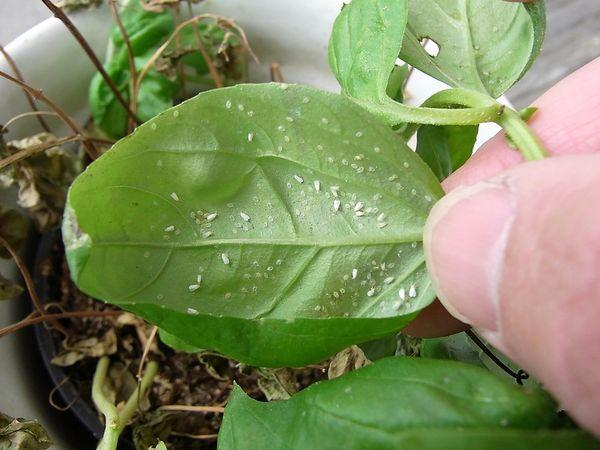
Small white midges have also taken a liking to indoor pomegranates, settling on the underside of the leaves where they feed on the juice, leaving behind sticky excrement.
How to control: If the insect infestation is small, you can resort to mechanical methods by rinsing the flower with cold water or placing double-sided tape on paper near the pomegranate. If the infestation is large, use insecticides.
Spider mite
The insect is capable of actively breeding and migrating from one flower to another. The mite prefers to feed on plant contents. Traces of their activity can be seen on the underside of leaves as small white dots and fine webbing. As a result, the pomegranate sheds its leaves. Furthermore, the mite carries viruses and infections that are incurable. Dry air is considered the main cause of pest infestations, so during dry periods, regularly moisten the soil.

How to combat: You can resort to folk remedies, such as treating your indoor pomegranate with a solution of black henbane leaves and liquid soap, or a garlic infusion with potassium soap added. Treat your indoor pomegranate in the evening, when mite activity is minimal. These measures are effective for small insect populations; if there are numerous insects, chemicals can be used.
Powdery mildew
This disease is common among indoor pomegranates grown in rooms with poor air circulation or sudden temperature fluctuations. The plant can also become infected from nearby infected plants.
Powdery mildew on an indoor pomegranate is indicated by a white coating on the leaves, which then spreads to the stems and flowers. If action is not taken promptly, the foliage will dry out and fall off.
Control measures: At the first sign of disease, treat the pomegranate with a solution containing 5 g of washing soda per 1 liter of water and soap. In case of widespread infestation, use fungicides.
Branch cancer
If the bark on the branches of an indoor pomegranate has cracked and swelling has appeared along the edges of the cracks, this indicates the appearance of branch cancer, which affects weakened specimens.
Control measures: remove affected plant parts. This disease is difficult to treat, so it's important to prevent it by maintaining temperature control and avoiding damage or freezing of the indoor pomegranate.
Spots on leaves
This disease can be diagnosed by yellow or brown spots on the leaves, which are caused by excess moisture in the soil.
Control measures: replant the indoor pomegranate in new soil, removing any rotted roots. Treat the cut surfaces with crushed charcoal.
Tips and tricks for beginners
When purchasing a pomegranate for indoor use, a novice gardener should have a thorough understanding of this plant's requirements. Advice and recommendations from professionals will help:
- When cultivating, create conditions for the flower that are as close to natural as possible.
- Place the pomegranate where there is bright light, direct sunlight and fresh air.
- Ensure adequate watering, avoiding overwatering or overdrying the substrate. And don't forget to fertilize the plant, prune it annually, and shape the crown.
- The plant should overwinter in a cool place and with infrequent watering.
- If any problems arise, take immediate action. For example, if the flower is dropping buds, it's due to overwatering, which should be cut in half. If a young plant isn't blooming, graft a cultivar onto it. And if indoor pomegranate bushes aren't producing fruit, cross-pollinate the plant by planting a pomegranate tree nearby.
If you follow these requirements, your indoor pomegranate will provide a wealth of aesthetic pleasure, and the process of growing the plant itself will bring many enjoyable moments.
Related posts:
 How to grow pomegranate at home: care and pruning guidelines
 Caring for and growing pomegranate from seed at home
 How to propagate pomegranate cuttings at home and rooting methods
 What is the best way to feed geraniums at home? - a list of fertilizers
 The best eggplant varieties for growing in a polycarbonate greenhouse: planting and care
 TOP 50 recipes for favorite and unusual salads for the New Year of the Pig 2019
 How to grow rosemary at home on a windowsill in a pot from seeds and cuttings
 Description of New Zealand delphinium, growing from seeds and propagation methods