
- Description and beneficial properties of the plant
- Which varieties are suitable for growing in an apartment?
- Choosing a location for rosemary
- Selecting the optimal soil and pot
- Planting a plant
- Rules for caring for a plant at home
- Temperature, humidity and lighting
- Watering the plant
- Top dressing and fertilization
- Pruning a plant
- Transfer
- Caring for the plant in winter
- Methods of propagating rosemary
- Seeds
- Cuttings
- Diseases and pests
- Spider mite
- Aphid
- False mildew
- Uses of the plant
An evergreen perennial with fragrant leaves, rosemary has long grown wild on the Mediterranean coast, irrigated by its foaming spray. Believing in rosemary's magical properties, the people of Greece decorated their homes and newlyweds' gowns with sprigs, and cemeteries with wreaths of flowers. "Sea dew," as the shrub's Latin name sounds, symbolized fidelity and remembrance. The Romans used it to slow the onset of old age and achieve success. This exotic perennial warded off bad dreams and restored youth. To grow rosemary indoors, it's important to understand the conditions it requires for growth and development.
Description and beneficial properties of the plant
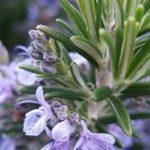
This Mediterranean perennial grows to varying heights, with some specimens reaching 2 meters. Its leathery, pine-scented leaves grow from 15 to 35 mm in length. Their axils conceal short shoots, each bearing up to 10 blue-violet flowers under favorable conditions.
Rosemary is rich in microelements in the form of:
- sodium and potassium;
- iron and copper;
- calcium and manganese;
- zinc and phosphorus.
Vitamin A and ascorbic acid help strengthen teeth and clear skin. Due to its composition, the plant acts as an antiseptic, killing germs and negatively affecting viruses and fungi. The antibacterial properties of the leaves and flowers have found application in seasonings for meat dishes, which are often contaminated with E. coli and staphylococcus.

Manganese has a beneficial effect on the nervous system, calcium strengthens bones and blood vessels, and iron increases hemoglobin.
The following were found in the green parts of the Mediterranean culture:
- lipids;
- amino acids;
- flavonoids;
- tannins.
Drinking rosemary water relieves gout pain. The perennial's essential oil relieves cramps and, under certain conditions, inhibits cancer cell growth.
Which varieties are suitable for growing in an apartment?
Sometimes, even with favorable conditions, this Mediterranean plant fails to thrive in an apartment. There are two species of this plant in the wild. Spreading rosemary is used to decorate gardens and parks; the bushes are very attractive, but they are not suitable for indoor cultivation.
This common perennial has more than one name, divided into varieties with only minor differences, and is used as a houseplant. Fragrant rosemary, planted in pots, freshens the air, kills germs, and fills the room with a vibrant aroma.
For indoor growing, it's best to choose low-growing perennial varieties. These include 'Severn Sea' and 'Tenderness.' Under favorable conditions, these shrubs produce small blue or purple flowers.
Tall varieties like Salem and Roseus can also be planted indoors or in apartments. In the wild, they reach a height of up to one and a half meters. The plant will look magnificent; the only requirement for growing it on a balcony or windowsill is frequent pruning.
Choosing a location for rosemary
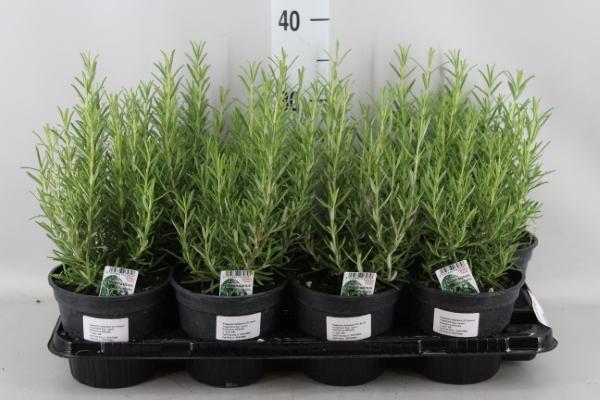
Frosts are virtually nonexistent in Mediterranean countries, and this fragrant shrub thrives in warmer climates; it won't survive the cold season in temperate climates. Rosemary thrives in a greenhouse or conservatory, but not everyone can afford it. This perennial will brighten up a room and fill it with fragrance. But not everyone knows how to grow this shrub or where to plant it.
Rosemary thrives in full sun. To ensure its best growth, find a spot on a glazed and insulated loggia, balcony, or south-facing windowsill. Otherwise, rosemary will grow tall and lose its decorative qualities.
Selecting the optimal soil and pot
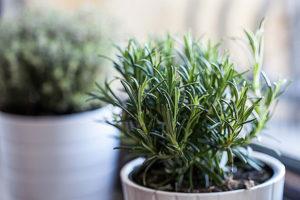
This Mediterranean plant has a branched root system that requires plenty of oxygen. To ensure it thrives, rosemary needs to be planted in a spacious container. A clay flower pot is ideal. Drainage holes should be drilled in the pot and expanded clay should be placed in the bottom. This perennial will also grow in a wooden tub, but it will attract moisture.
In its natural habitat, the shrub's stem can reach up to 2 meters, and with proper care, rosemary will grow into a small tree. A pot for a young perennial should be at least 20 cm in diameter.
To prepare the soil for planting, take the following in equal volumes:
- Earth;
- compost:
- humus;
- river sand.
A potting mix suitable for rosemary can be purchased at a flower shop. It prefers loose, slightly acidic or slightly alkaline soil.
Planting a plant
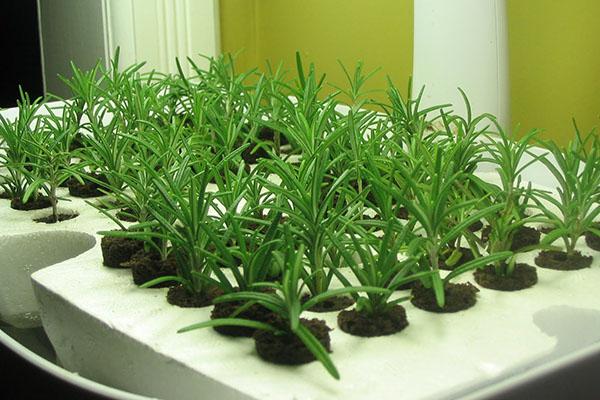
The easiest way to grow rosemary is to purchase it from a store and then carefully transplant it into a prepared pot with soil and drainage. You can also grow the shrub from seeds. Before planting, soak the seeds in plain water for 24 hours; a growth stimulant helps speed up germination.
Having completed the preparation:
- The seed material is laid out on moist soil.
- Sprinkle the substrate on top. Its layer should not exceed 5 mm.
- The container is covered with plastic wrap and left in a room where the temperature is not below 25 °C.
The seedlings, which usually sprout after three weeks, need to be watered, but not allowed to sit in water, and ventilated regularly. Once three leaves have formed on the seedlings, they should be carefully planted individually in individual pots.
It is possible at home grow rosemary from cuttingsThey need to be planted at an angle in soil prepared by mixing sand and moss. Poke holes in the plastic wrap and cover the box with it. Move the container to a warm, well-lit place. After about three weeks, the rosemary can be repotted.
Petioles are sold in flower shops, but if you already have one bush growing at home, you can cut a branch from the top, tear off the lower leaves and place it in water or in soil mixed with sand.
Once roots appear, rosemary should be potted. To form a beautiful bush, simply pinch off the top of the fragrant plant.
Rules for caring for a plant at home
Replanting seedlings or cuttings will present new challenges. If rosemary isn't properly cared for, it will bloom poorly, lose its leaves, become seriously ill, and eventually die.
If the shrub is growing in a pot, in summer it should be moved to a terrace, an open balcony, or even planted in the yard. Rosemary loves fresh air. This is one of the key conditions for the growth and development of this southern plant.
Temperature, humidity and lighting
In summer, when rosemary buds are forming, the plant requires warmth. The ideal temperature for this period of growth is 25°C. The temperature should not fluctuate more than 2°C. During the winter months, the shrub remains dormant; the heat prevents it from resting. One of the key conditions for lush flowering and the development of this Mediterranean plant is plenty of fresh air.
In a room with central heating, it's difficult to keep the temperature below 15°C. To cool the air, place a bowl of ice or snow near the rosemary.
Insufficient humidity negatively affects the shrub's health. The leaves turn yellow and wilt. To restore this condition, place the rosemary pot on a tray filled with expanded clay and add water, ensuring that no water gets into the drainage holes, otherwise the plant's roots will rot.

In summer, the shrub receives ample light. In hot weather, the leaves can burn, so the plant needs some shade. To ensure sunlight reaches the crown from all sides, the pot should be rotated every 24 hours.
Rosemary requires additional light in winter, when days become shorter. It responds well to the spectrum emitted by a grow light. It should be turned on daily for at least five hours.
Watering the plant
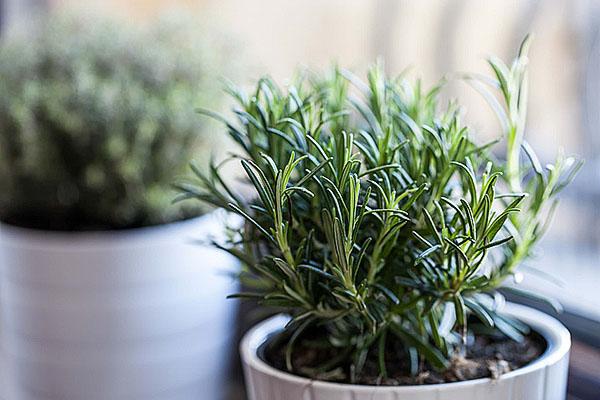
Although the bush naturally grows in hot summers, it feels uncomfortable when the soil dries out, indicating this with yellowing leaves. The potted soil needs regular watering.
Excess moisture is even more dangerous for rosemary than dry soil. In hot weather, gardeners recommend misting the plant with a spray bottle. This should be done both morning and evening.
When rosemary is dormant, water it no more than twice a week. Reduce watering when flowers appear. Be sure to keep warm water away from the leaves, as this can promote fungal disease.
Top dressing and fertilization
To ensure rosemary looks beautiful and blooms well and for a long time, it needs to be provided with nutrients. The shrub responds well to organic fertilizers. A couple of times during the summer, water the plant with bird droppings, but the mixture is prepared at a ratio of 1 to 30.
Complex mineral fertilizer Rosemary is fed monthly. During its dormant period, the houseplant doesn't require additional nutrients, and the soil is watered much less frequently than in summer. In winter, fertilizer is added only if the rosemary hasn't been repotted in time.
Pruning a plant
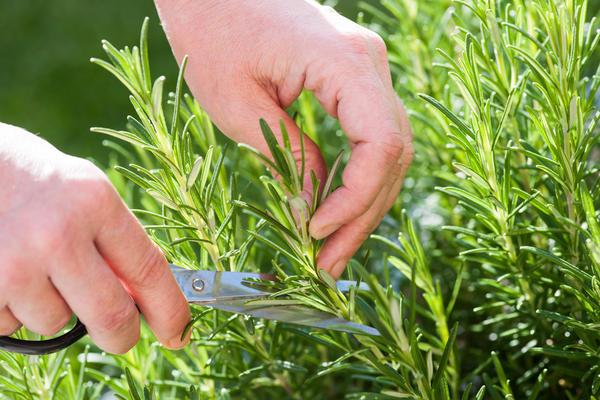
To ensure a beautiful, lush bush, even when the rosemary stems become woody, it needs to be pruned regularly. This is done for the first time when the plant is about 15 cm tall. Only young shoots are pruned, leaving a third of their length. This type of pruning is done in early spring and after flowering.
If pruning conditions are observed, the bush will delight you with its aroma and decorative appearance for 5 years.
Transfer
Rosemary roots grow extensively, and the pot quickly becomes too small for them. Young petioles get in each other's way. To ensure the shrub thrives and produces delicate flowers, it needs to be repotted once a year. This isn't difficult at all:
- First, you need to select a container with a larger diameter.
- Poke holes in it.
- Fill the bottom with a layer of expanded clay.
- Add soil substrate.
- Carefully remove the rosemary from the pot along with the lump of soil.
- Separate the shoots from the bush and replant each one separately.
It's best to begin this procedure in spring or summer. This fragrant perennial blooms just as well indoors as in the garden, provided it receives regular care.

Caring for the plant in winter
After the growing season, rosemary needs to rest. During this dormant period, it's important to find a spot indoors where the temperature remains consistently between 6 and 14 degrees Celsius. Unlike some flowering plants, rosemary leaves don't need to be picked. In winter, the shrub requires virtually no fertilizing, either with mineral or organic fertilizers. To prevent the soil in the pot from drying out, rosemary will still need watering, but this can be done once or twice a week.
It is essential to provide the bush with additional lighting.
The success of the winter determines whether the plant will bloom well in the new season. The best time for the shrub to rest is from December to February.
Methods of propagating rosemary
There are three options, and using each of them, it's easy to grow perennial bushes in your apartment that will purify the air and delight you with their blooms and fragrance. You can propagate the plant by harvesting cuttings yourself. They are also available at specialty stores.

The second method is more labor-intensive and requires seed, which is more difficult to collect yourself. If you can't do this, it's worth looking for it at retail stores and planting it in prepared soil.
The third propagation option is by layering from the lower shoot.

Seeds
Growing rosemary from seed allows you to grow several new bushes at once, but you can't plant it deeply into the soil; you just need to scatter it over the surface and cover it with damp soil.
Seeds may fail to germinate for various reasons, including:
- acidic soil;
- overwatering;
- lack of moisture or heat.
Under favorable conditions, seedlings should emerge within 20 days. It's best to mist them with a spray bottle rather than water them. If you've planted a large number of seeds, transplant the sprouts once they have three leaves.
Cuttings
Rosemary is easier to propagate using the second method. When shaping the crown, always cut off young stems. These will root in water, loose soil, and sand.
Before planting the cuttings, the lower leaves must be torn off and the tops pinched off.
Diseases and pests
If proper cultivation practices are not followed and care is improper, rosemary's appearance deteriorates, the bush wilts, and gradually dies. The plant suffers from pest infestations, and its leaves and stems are attacked by fungal and bacterial diseases.
Spider mite
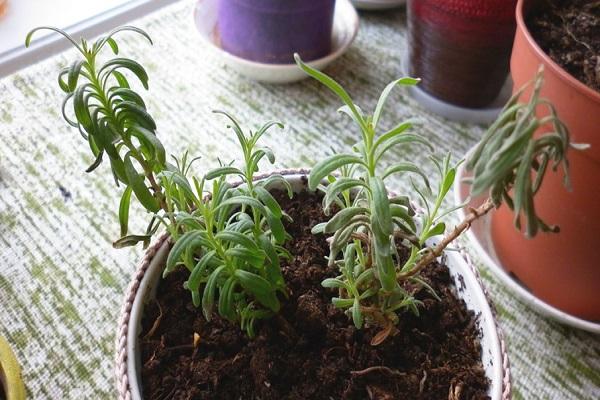
This tiny insect, about 0.5 mm long, loves houseplants. The female parasite lays eggs, and under favorable conditions, the eggs mature in just 10 days. A combination of excess moisture and cool temperatures promotes spider mite reproduction. Under these conditions, the parasite settles on the inner parts of leaves and feeds on their sap.
You can deal with the insect by spraying rosemary with insecticides such as Actellic and Tanrek, but after treatment the bush cannot be used as a seasoning.

Aphid
This microscopic parasite quickly destroys not only houseplants but also melons. The insidious pest is attracted by the scent of rosemary. Folk remedies can help control it on flowers. The insects won't appreciate treating the shrub with a solution of laundry soap.
False mildew
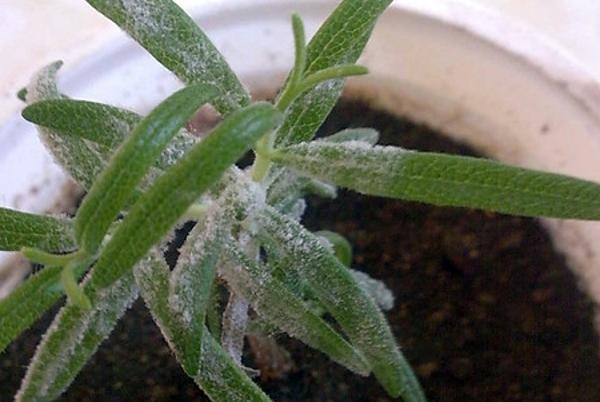
If there's a lack of ventilation, excess moisture in the soil and air, or other unfavorable conditions, rosemary leaves become covered with whitish spots. These spots quickly multiply, leading to the development of a disease called downy mildew. The only way to cure this houseplant is by spraying the shrub with chemical fungicides.
Uses of the plant
Rosemary planted on a windowsill not only emits fragrance but also phytoncides, which kill germs and absorb other odors. The green parts of the plant are used to season dishes:
- from pork and lamb;
- from eggplants and tomatoes;
- potatoes and zucchini;
- cabbage and eggs;
- mushrooms and spinach.
Medicinal rosemary is a plant that can be used to relieve pain, runny nose, and cramps. In some countries, the shrub is officially used to treat hypertension, digestive disorders, rheumatism, and arthritis.
Rosemary leaves and flowers are added to herbal blends and alcoholic cocktails. When dried, they retain their aroma and, when stored at home, retain their essential properties for a long time.
Related posts:
 The medicinal properties and contraindications of rosemary for health, its benefits and harms
 Planting and caring for rosemary in open ground, growing from seeds and propagation
 Types and varieties of rosemary, characteristics and beneficial properties of the plant, growing conditions
 Planting, growing, and caring for rosemary in open ground in central Russia
 How to grow and care for rosemary in the Leningrad Region and St. Petersburg
 The intricacies of growing rosemary outdoors in the Moscow region, planting and care
 How to store fresh rosemary in the refrigerator, how to dry it, and how to prepare it for the winter
 How to cover rosemary in the open ground at your dacha for the winter, care instructions, and whether it needs to be pruned