
- Plant characteristics
- Beneficial properties of the plant
- Types of rosemary
- Rosemary
- Rosemary prostrate
- Varieties of rosemary
- Rosemary Corsican Blue
- Rosemary Blue Winter
- Crimean rosemary
- Rosemary Tenderness
- Rosemary Dewdrop
- White Rosemary
- Rosemary Ampelous
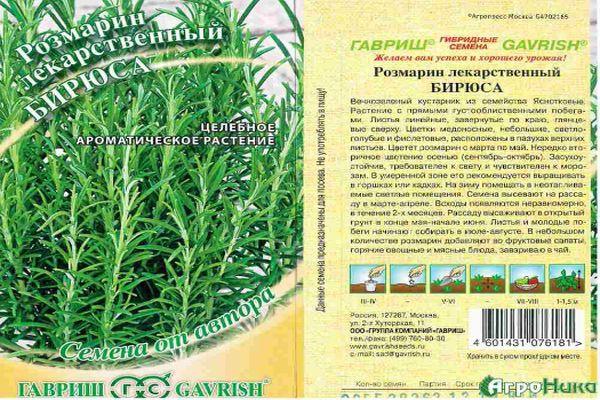
- Rosemary Biryusa
- Culinary combinations of rosemary with foods
Rosemary is a widely used plant in cooking (as a seasoning), medicine, and cosmetology. Its native land is the mountain slopes of the Mediterranean and North Africa. Rosemary, its varieties and species (such as Corsican Blue rosemary), are evergreen shrubs that can reach two meters in height in the wild. It is widely cultivated in almost all countries with moderately warm weather.
The flowering period (depending on the variety) is from March to autumn, and the flowers themselves are bluish or lilac. It thrives in full sun and warm weather. The Latin word "Rosmarinus" actually translates as "sea dew," but a loose translation has become popular: "freshness (or tenderness) of the sea."
Interestingly, it's known that in ancient times, the Greeks, Egyptians, and Romans used rosemary branches and flowers as a symbol of remembrance. Their images were painted on tombstones, wreaths were used to decorate graves, and their fragrance was used during funeral services. At the same time, it was also dedicated to Aphrodite, the goddess of beauty and love, and in the Middle Ages, it was a popular gift at weddings. This shrub has long been believed to possess magical powers.
Plant characteristics
Rosemary, a plant in the mint family, grows as oblong bushes composed of needle-like leaves on a branch. It has a strong, refreshing aroma and flavor, somewhat reminiscent of pine, with hints of eucalyptus and mint. The shoots and seeds of the herb resemble those of thyme or oregano. Incidentally, all rosemary species are excellent honey plants.
Beneficial properties of the plant
The shrub's distinct aroma and flavor are due to the essential oils found in abundance in the leaves, shoots, and even the flowers themselves. Many cosmetologists have likely heard of the beneficial properties of rosemary oil. Furthermore, the shrub's leaves contain rosmarinic and ursolic acids, alkaloids, tannins, antioxidants, phosphorus, potassium, magnesium, and even sodium and iron.
Vitamins include carotene (A), ascorbic acid, and vitamin B. The essential oil itself is rich in alpha-pinene and camphene, contains L-camphor, borneol (all of these elements are used in the production of camphor), and other beneficial substances.
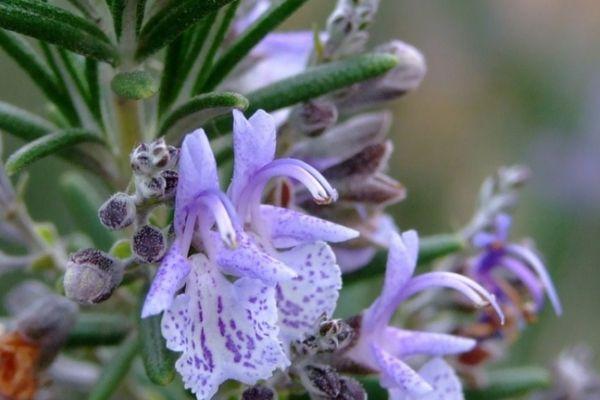
TO the beneficial properties of rosemary can be attributed to:
- improved digestion (increases the secretion of gastric juice);
- has a tonic effect;
- has a choleretic property;
- increases heart rate and blood pressure;
- can relieve pain in the heart and stomach;
- cleans the air well from microorganisms;
- when added to smoking mixtures it helps with asthma;
- stimulates hair growth on the head;
- has a beneficial effect on the nervous system.
Take a look Also
Types of rosemary
The spice plant is divided into species and varieties. Let's look at its types.
Rosemary
Rosmarinus officinalis (or common rosemary) is the most famous and widespread species of these plants, and one might say the ancestor of all rosemaries. Its medicinal properties have been known for centuries. Even in Ancient Egypt, its infusions were used as a wound-healing and pain-relieving remedy.
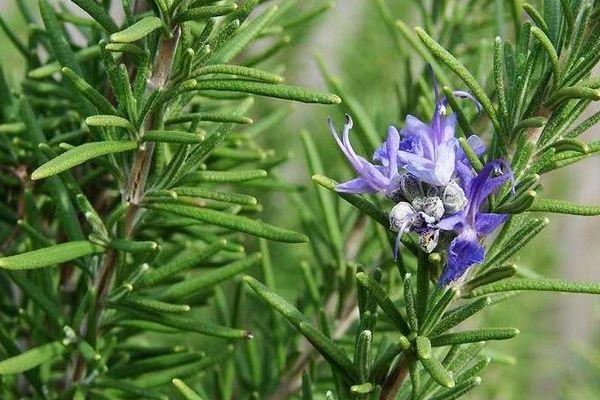
This cultivated plant is distinguished by its powerful roots and dark gray woody shoots. The leaves are up to 3.5 cm long and leathery. During flowering, dense inflorescences appear, ranging in color from very light to deep purple. This species is most widely used in cooking and medicine.
The medicinal species is grown in open areas in southern Europe, North Africa, along the entire Mediterranean coast, and has taken root well in Crimea and some southern regions of Russia.
As a houseplant or greenhouse plant, it has become widespread in more northern latitudes, but it requires careful care and plenty of sunlight.
Rosemary prostrate
As it grows, it spreads across the soil in such a way that it resembles a ball of bushes. This is where it gets its name. It's also known as garden rosemary, as it's a favorite among gardeners as an ornamental plant. Dense clumps of spreading rosemary also make excellent "living fences."
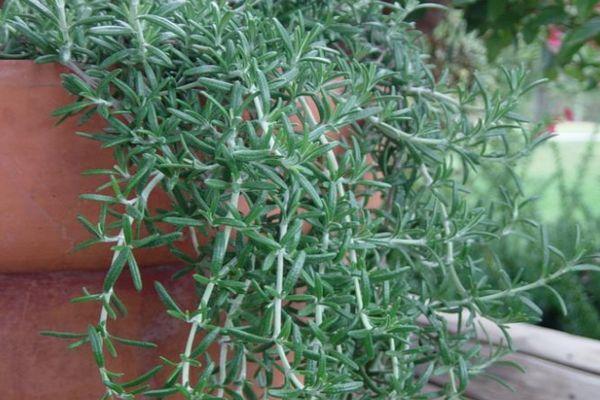
The bushes are much shorter than their wild cousins, reaching a maximum height of 70 centimeters. They bloom with blue, purple, and lilac flowers, making them a vibrant addition to any flowerbed or garden. They have a rich flavor and aroma and can be used as a seasoning for dishes. The only drawback is that they do not thrive in cold climates; it's best to cover them for the winter or even transplant them and grow them in greenhouses.
Varieties of rosemary
Rosemary species are divided into several varieties. All of them, of course, share similar characteristics, aroma, and flavor, but differ in growing methods and locations, care requirements, and crown shape. Blooms can range from white and pinkish hues to dark blue, purple, and lilac.
Each rosemary variety is interesting in its own way, and you can choose the one most suitable for your own growing conditions and natural conditions.
Take a look Also

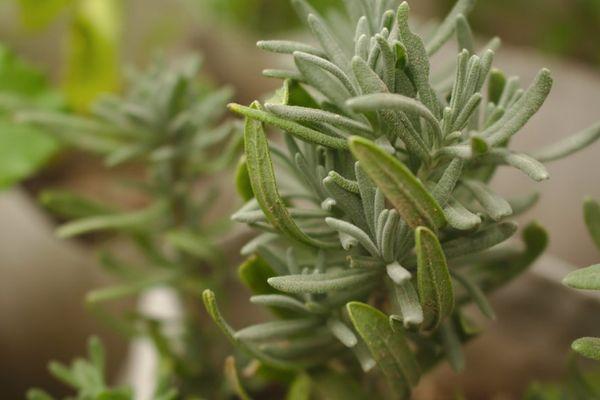
Popular varieties in Russia include Nezhnost, Lavandovy, Rosinka, Veshnyakovsky Semko, Krymsky, Ampelny, and Biryusa. International varieties include Severn Sea, Hill's Hardy, Barbecue, Majorka Pink, Blue Winter, Corsican Blue, Salem, and many others.
Rosemary Corsican Blue
Belongs to a medicinal plant species. It is fairly drought-resistant and has immunity to parasites and diseases. Flowering begins in late April and lasts for 20 days.
This variety is primarily used for medicinal purposes. However, it is also well suited for stabilizing slopes, shaping lawns, and borders. The dried leaves are a favorite seasoning for many dishes. It prefers sandy soil with added gravel and does not tolerate acidic, marshy soil. This variety's leaves are grayish-green, its flowers are blue, and its aroma is bright and fragrant.
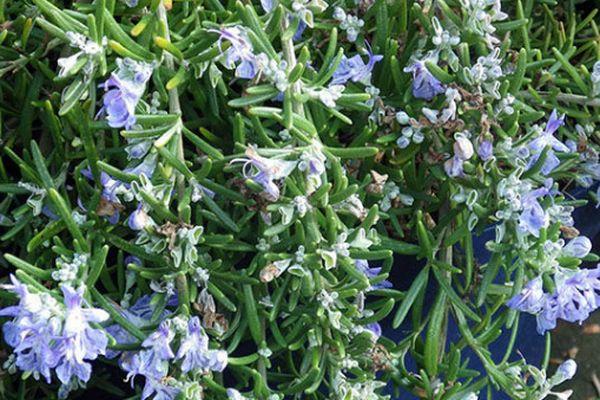
Corsican Blue propagates by seeds, layering, and cuttings. In frosty climates, it's best to transplant it into tubs for the winter and keep it indoors until spring.
Rosemary Blue Winter
A variety much loved by landscape designers. As its name suggests, this shrub is adapted to freezing temperatures (down to -17 degrees Celsius). These blue-green shrubs with purple flowers make a beautiful addition to flowerbeds with other plants or as a backdrop for larger blooms. They emit a spicy aroma, creating so-called fragrant lawns, where it's pleasant to spend time inhaling the unique scent of camphor and pine needles.
Crimean rosemary
Rosemary took root on the Crimean Peninsula in the early 19th century. The staff of the famous Nikitsky Garden were the first in Russia to initiate the plant's triumphal march along the slopes of the Crimean hills. Special plantations were even established on the island to utilize the shrub's medicinal properties. From Crimea, rosemary is known to have spread to the Transcaucasus and Central Asia.
Rosemary Tenderness
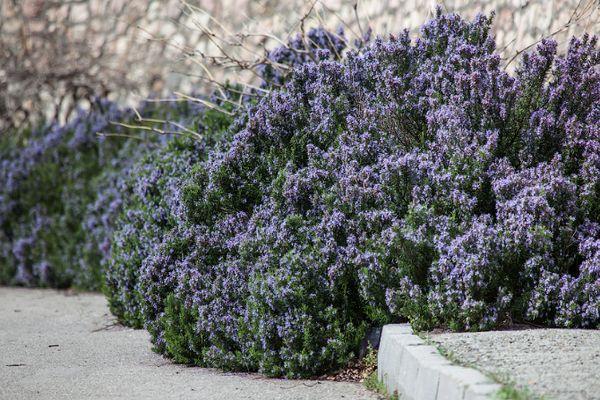
Perhaps one of the most popular perennial varieties in our country. Like its relatives, it prefers a warm climate and bright sun. Seeds are initially planted as seedlings (February-March), and then the shoots are transplanted into the ground. If winters are mild, planting the seedlings can begin as early as fall. The bushes reach a maximum height of 1 meter.
Rosemary Dewdrop
This low-growing shrub (branches up to 40 cm) is suitable for growing indoors in pots or containers. Many housewives have fallen in love with this herb, which can be used in cooking at any time of year. The key is to keep the plant in a well-lit, sunny location.

White Rosemary
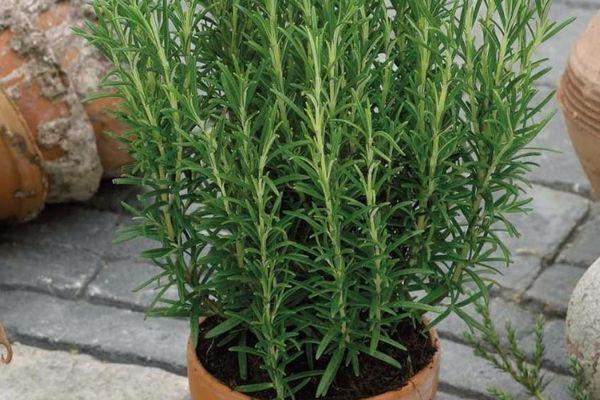
A shrub with white flowers (a rare species). There's actually a variety of apple called white rosemary, so don't confuse it. Otherwise, white rosemary is just as fragrant and aromatic as other varieties. It can be used for medicinal, culinary, and decorative purposes.
Rosemary Ampelous
This perennial, spreading rosemary species has twisted, drooping stems. It looks exceptionally beautiful as a decorative addition to walls or rocky slopes. Its intricate, fluffy branches, covered in bright flowers, create a beautiful backdrop. The very name "hanging rosemary" suggests its use in gardens, plots, and homes. It thrives in warmth and requires care.
Rosemary Biryusa
Drought-tolerant, sun-dependent, but frost-intolerant. Grown from seed for seedlings (March-April). It can produce double blooms (spring and fall). The purple and blue flowers are attractive to bees, making the plant considered a honey plant.
Culinary combinations of rosemary with foods
How best to use this fragrant herb, and what foods does it pair best with? Which dishes will benefit from rosemary's unique flavor and unique character?
- Baked potatoes are the perfect combination, according to experts.
- Tomatoes, eggplants, zucchini – an unforgettable aroma and taste are guaranteed.
- Cheese - will add a spicy aroma to any cheese product.
- Meat (especially game and lamb).
- Pairs well with lemon for making dressings for dishes.
- Tea.
- Fresh vegetable salads.
Italian cuisine is unimaginable without rosemary. Cheeses, pizzas, lasagna, and pasta dishes are incomplete without this aromatic herb.
It's important to remember that rosemary contains essential oils, which, if used in large quantities, can impart a bitter taste to a dish. Therefore, this spice should be used with caution, in small doses. It's best to use dried rosemary when beginning culinary experiments.
Related posts:
 The medicinal properties and contraindications of rosemary for health, its benefits and harms
 How to grow rosemary at home on a windowsill in a pot from seeds and cuttings
 Planting and caring for rosemary in open ground, growing from seeds and propagation
 Planting, growing, and caring for rosemary in open ground in central Russia
 The intricacies of growing rosemary outdoors in the Moscow region, planting and care
 How to grow and care for rosemary in the Leningrad Region and St. Petersburg
 How to store fresh rosemary in the refrigerator, how to dry it, and how to prepare it for the winter
 How to grow and care for rosemary outdoors in the Rostov region
I have a plant at my dacha that's very similar in description and smell to rosemary. But it's been there for three years and hasn't bloomed once. It's just a bush with leaves. Could that be it?
Tell me, is there a rosemary variety called Sultan? I wasn't the one asking if such a variety exists.
Good afternoon. Yes, there is such a variety. This variety resembles lavender in appearance and bush habit. The leaves are long and narrow, with a strong aroma, and the flowers are light purple. It has vigorous growth, and the bush is upright. It can be grown both in pots and in the ground. However, it may not bloom when grown indoors.
Unlike many other varieties, Sultan has good frost resistance. However, in regions with harsh winters, it is advisable to cover it for the winter.