
Rosemary is an evergreen shrub with a scent of lemon, pine, and eucalyptus. It grows primarily on the shores of the Mediterranean. This doesn't mean it can't be grown elsewhere. Rosemary is successfully grown outdoors in the Moscow region, although it requires special care.
Rosemary: Growing Specifics in the Moscow Region
Ideal conditions for normal growth of rosemary are dry summers and warm winters without severe frosts.
The shrub is fussy, requiring plenty of light and warmth. Mature rosemary over three years old can withstand significant temperature drops—down to -15°C. If the thermometer reading drops below that, the plant dies.
To achieve normal growth and development of rosemary, consider the following points:
- the soil should be dry and loose, slightly sandy;
- high air humidity;
- timely watering without drying out the soil;
- Insufficient lighting and drafts have a negative impact on the plant.

Planting dates
Rosemary is planted using different methods:
- seminal;
- cuttings;
- layering;
- dividing the bush.
Seeds can be planted as early as mid-February and March in plastic containers. After a month, the grown seedlings should be transplanted into separate containers.
Planting of plants in a permanent location in open ground can be done after the end of frosts, but it is better in early June.
Choosing a landing site
The location where you plan to plant your shrub is crucial, so it's important to choose it wisely. Rosemary is a sun-loving plant. Choose a sunny spot away from strong drafts. Some shade is also acceptable. The soil should be light, with a slight sandy content.
Take a look Also

Rosemary can grow in one place for up to 10 years.
How to plant rosemary in the Moscow region:
- To grow a plant from seeds, the temperature should be within 27 degrees.
- After pruning young shoots, soak them in a special rooting solution. The most common are Kornevin and Radipharm. For rooting, plant them in small cups and then transplant them into open ground.
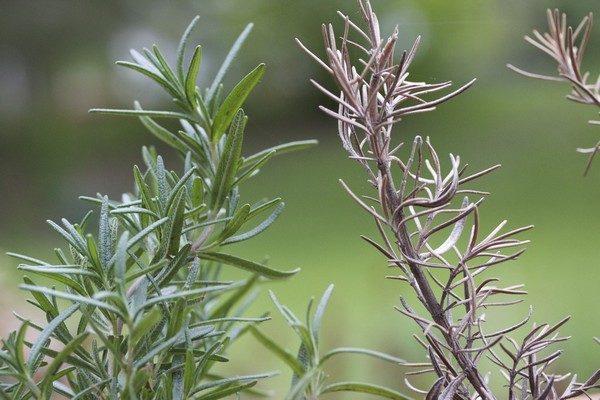
- Sow seeds in loose, moist soil at a depth of 0.3-0.5 centimeters. Humus or peat can be added. Create a greenhouse effect by covering the container with plastic wrap or glass. The ideal temperature is 10 degrees Celsius.
- Plant the grown sprouts in plastic cups and leave them to grow for a while until they become established. If the roots have grown around the root ball, plant them outside.
Planting a plant in open ground
The plant requires good and careful care.
Caring for the crop
The plant requires special care. The shrub requires:
- moderate and timely watering;
- if necessary – spray the leaves;
- loosening the soil around the plant;
- weed control.
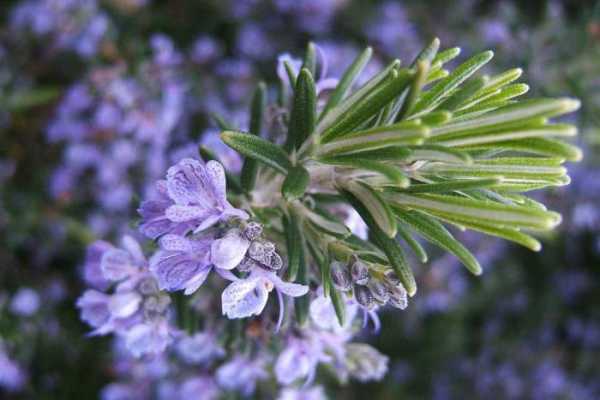
In March-April, you can begin shaping the bush. Rejuvenation is required for plants older than 10 years.
Most often, the plant is brought indoors for the winter. If it is kept at a temperature of 12°C (55°F), it will delight you with a profuse bloom in the spring. If the room temperature is higher, the plant will not bloom.
It is recommended to place rosemary on a windowsill and turn the pot every two days to ensure proper crown formation.
When the length of daylight hours decreases, provide additional illumination with a lamp.
Watering
The shrub requires timely, moderate watering. Avoid overwatering. Stagnant water leads to rotting. Overly dry soil will harm the plant.
If underwatered, the leaves will begin to turn yellow. If overwatered, rosemary may shed its leaves, indicating it's getting enough water.
Top dressing
Diluted mullein can be used as fertilizer in a 1:5 ratio. Mineral and organic fertilizers with high nitrogen and phosphorus content are used.
In spring, it is necessary to water with nitrogen-containing fertilizers, which promote root formation.
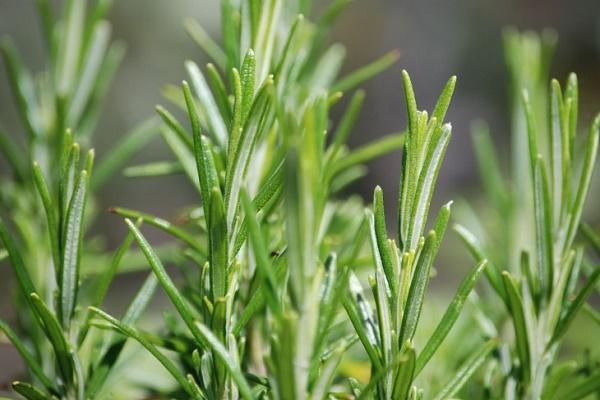
Phosphorus fertilizers are best applied in the fall, with fertilization performed once a month.
Immediately after planting in open ground, you can water the plants with Radipharm. This fertilizer helps reduce stress after transplanting and promotes root development. Use 5 milliliters of liquid per 5 liters of water. Water again after two weeks.
Diseases and pests
Gardeners have found that the plant is resistant to various diseases outdoors. This strong immunity is largely due to the plant's strong aroma. The fragrant plant repels aphids, snails, and slugs, which is a huge advantage. Rosemary is susceptible to disease from both overwatering and underwatering.
The pests that affect the plant are scale insects and spider mites.
If the leaves are covered in yellow spots, the rosemary needs to be sprayed. This procedure is best done in the evening, when there is no sun. A drop of water, when exposed to sunlight, becomes a lens, refracting light, causing sunburn.
How to cover rosemary for the winter
When grown in the Moscow region Rosemary survives winter well Even without any preliminary preparation. Large bushes are well wrapped and covered for the winter. Fallen leaves and sawdust are suitable as materials. Cover with agrofibre.
The ideal option is preliminary pruning, planting in a container and bringing it to the loggia or balcony. This is a 100% guarantee that the tree will survive the winter well and won't freeze. After the fall frosts have passed, replant the tree in its original location. To reduce stress, rosemary should be dug up with the soil intact.

Harvesting and storage
All summer long, you can pamper yourself and your loved ones with rosemary. The shrub's leaves are edible. The herb will be a year-round addition to your table if you keep the plant in a pot on your balcony. Otherwise, you can preserve the leaves for the winter.
Features of rosemary harvesting:
- The ideal time to collect the greens is during the flowering period of the bush, when the leaves contain a large amount of essential oils.
- Collection should be carried out in sunny, windless weather.
- Young shoots are suitable for winter storage.
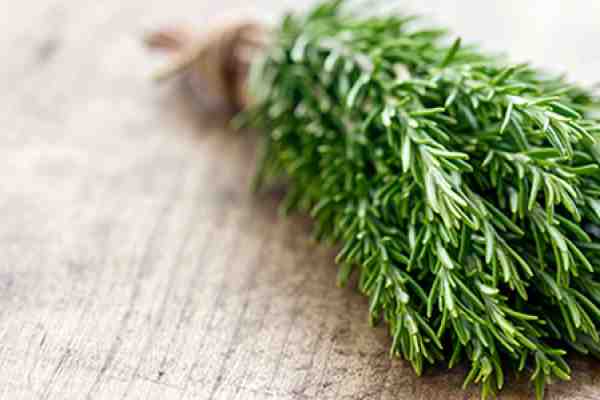
- The plucked branches must be tied into loose bundles and hung in a well-ventilated, dark room.
- Alternatively, you can pre-chop the herbs and dry them.
- To get quick results, you can use an oven or a special dryer.
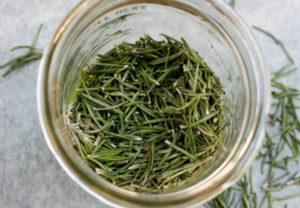
- Dried rosemary should be stored in glass containers. It has a shelf life of 3 years.
- Freezers have become popular recently. Homemakers have learned to freeze greens in plastic containers. This allows them to retain their nutritional value to the fullest.
Related posts:
 How to grow rosemary at home on a windowsill in a pot from seeds and cuttings
 Types and varieties of rosemary, characteristics and beneficial properties of the plant, growing conditions
 The medicinal properties and contraindications of rosemary for health, its benefits and harms
 Planting and caring for rosemary in open ground, growing from seeds and propagation
 Planting, growing, and caring for rosemary in open ground in central Russia
 How to store fresh rosemary in the refrigerator, how to dry it, and how to prepare it for the winter
 How to grow and care for rosemary in the Leningrad Region and St. Petersburg
 How to cover rosemary in the open ground at your dacha for the winter, care instructions, and whether it needs to be pruned