
This evergreen, spicy, aromatic plant continues to win new admirers. Rosemary is increasingly found in cottages and gardens, not only along the coast, where it naturally grows, but also in various regions with harsher climates. It easily tolerates the cold months, provided you know how to properly protect rosemary for the winter, so it will survive and delight you with its beauty and magical aroma.
How rosemary overwinters
During the growing season of this evergreen subshrub, air temperature plays a critical role. Even slight frosts can cause irreparable damage to this heat-loving plant. Above-zero temperatures are essential for its survival.
Also, to make the plant feel comfortable, you will need:
- a sunny area, protected from the wind, with loose soil that is not oversaturated with moisture;
- soil – should be neutral or slightly alkaline;
- Regular but moderate watering is necessary.
In many regions, the winter months are marked by prolonged frosts. If you leave the overwintering rosemary in the open ground, it will die, as rosemary is not a frost-hardy species. Arming yourself with knowledge and some effort will be necessary to help it survive the winter safely.
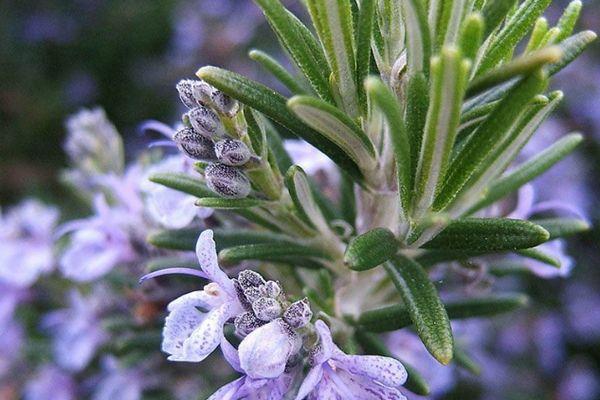
While the plant is young and small, it's easy to transplant for the fall and winter. This is more difficult with older plants. The steps for successful overwintering should be taken when the average daily temperature is 8-10 degrees above zero.
Which varieties survive winter better?
There are five types of rosemary, but only two are widely used by gardeners:
- Spreading rosemary. Due to its characteristics, it is used to decorate fences, hedges, and rock gardens. Fragrant hedges are covered with small blue flowers. The most popular varieties are Lavender and Creeping. They spread well, reaching a height of no more than 50 centimeters. The bright, rich aroma repels pests.
- Common rosemary (Rosemary). Suitable for temperate climates. Varieties: Rosinka (Rosinka) and Nezhnost (Tenderness). Grows up to one meter tall. Long, narrow leaves. Blooms in early spring. Flowers come in shades of white, purple, and lilac. Often grown in pots and tubs to avoid digging up for the winter.
- Another popular domestic variety is Veshnyakovsky Semko. It's drought-resistant, but not frost-resistant.
- Foreign varieties also deserve attention: Severn Sea and Prostratus. The former grows up to 50 centimeters in height, the latter up to 15 centimeters, with creeping shoots.

These varieties are suitable for temperate climates, but still require preparation, such as covering or relocating them when cold weather sets in. They can withstand short-term frosts, down to -5°C (5°F).
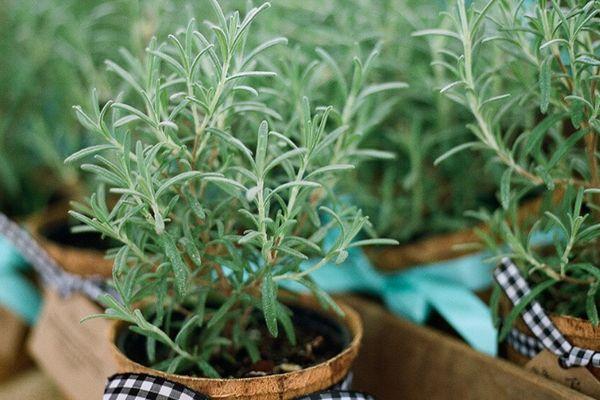
Preparing rosemary for winter
Rosemary is a very delicate plant. To prevent it from freezing in winter, it needs to be prepared. Don't delay; start in the spring. With proper care, it will gain strength and become stronger—freezing soil and cold temperatures won't kill it. The following recommendations will help:
- If you know there is a high water table, the best remedy is good drainage to prevent the roots of the shrub from rotting, weakening the plant.
- Once the bush reaches three years of age, it will require fertilizing—once or twice during the growing season. Use compost or humus at a rate of 2 kilograms per square meter. Then, loosen the soil to a depth of 6-12 centimeters.
- Don't neglect mineral fertilizers. The plant needs phosphorus, potassium, and nitrogen. Apply according to the instructions. This will promote growth and strengthen the immune system.
- During the active period, the crown needs to be rejuvenated. Trim branches periodically. Use them as a seasoning in various dishes. Pruning will have a beneficial effect on the plant, reducing stress during the growing season.
- The first year of life is a vulnerable time; repot the plants before the onset of cold weather. Use a regular flowerpot. A comfortable temperature is 10 degrees above zero.
The effort put in will make it easier to survive the winter season; the plant will not get sick in the spring, will quickly take root, and will produce healthy shoots.
Do I need to prune rosemary for the winter?
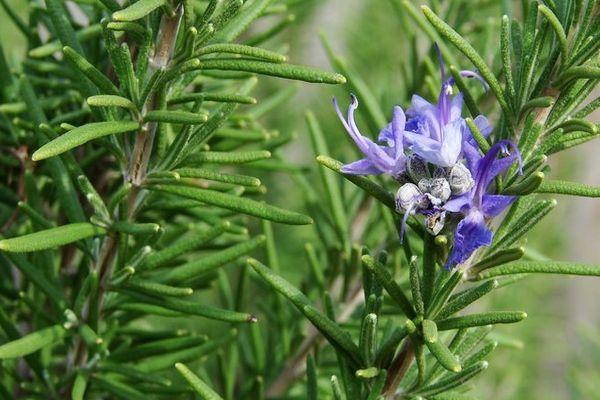
Pruning is essential, but only during the active period. Removing old, wilting branches will rejuvenate the trunk and accelerate the formation of new shoots. It's highly undesirable to prune branches at the end of the growing season. The plant is about to experience a difficult period and needs to gain strength.
Pruning can weaken the immune system and lead to illness. It will be difficult to recover in the spring, and the bush may not produce vigorous growth.
Dig or cover: which method is better?
Regardless of variety, rosemary remains an extremely heat-loving plant, reacting poorly to significant temperature fluctuations and is especially sensitive to low temperatures. Therefore, without waiting for the onset of cold weather, it is essential to protect the upcoming harvest to avoid being left without this aromatic spice.
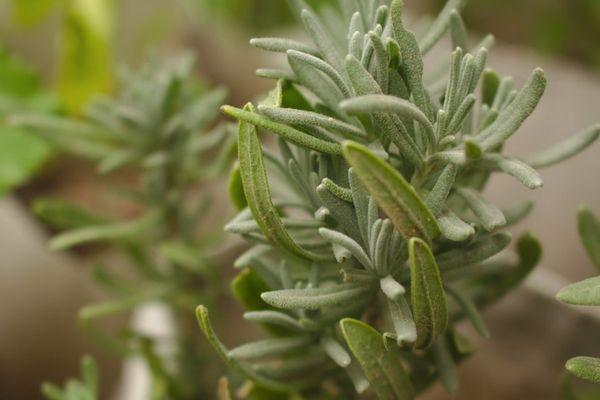
- Regions where winter temperatures don't drop below 10 degrees Celsius (50 degrees Fahrenheit), and winters are generally relatively warm and humid, may benefit from covering rosemary until spring. Not all rosemary bushes can be dug up—it's best to cover overgrown perennials.
- Gardeners use various options. They bend the bush to the ground and secure the trunk with wooden pins. Sometimes they construct a wooden frame and cover it with sawdust, fallen leaves, or straw. If there's a forest nearby, dried pine cones also work. The resulting "pie" is then covered with plastic film. This covering effectively protects the plant from temperature fluctuations and excess moisture.
- Young plants under two years old that haven't yet developed a full growth habit are best repotted into a suitable container. They'll thrive in a bright, cool space until spring.
- In regions with harsh winters, covering rosemary won't help. The soil freezes deeply and for a long time. The best option is to grow the shrub in various garden containers, moving it to the garden bed in the spring and summer. In winter, return it to a cool room.
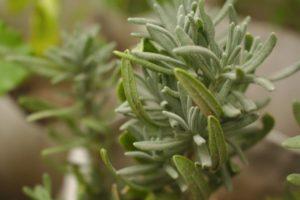
There is no universal solution to dig up or cover; everything depends on individual weather and regional conditions.

Where can I transplant rosemary for the winter?
In fact, it's quite simple. If regional conditions prevent the plant from being covered directly in the garden, a few simple steps are all it takes to ensure the plant overwinters safely after transplanting, even in a dormant state:
- Find a suitable, relatively warm location. This could be a veranda, an insulated balcony, or a loggia. It should have good access to daylight; if the plant is wilting, choose a different location. The temperature should not drop below 5°C (41°F). The average daily temperature is 8-12°C (46-55°F).
- It's advisable to prepare a suitable container with loose, nutritious soil. The soil needs to be limed, and proper soil acidity is crucial. Water moderately to help the shrub grow strong.
When spring arrives, move the plant to the garden and allow it to acclimatize. Then you can plant it in a prepared area.
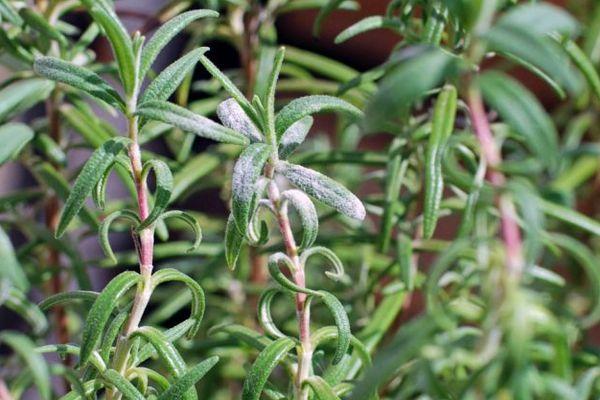
Caring for rosemary in winter
The basic rules of floriculture will allow save rosemary normal. During the winter cycle, you will need:
- Water sparingly. Avoid allowing the soil to dry out.
- A one-time feeding, preferably with mineral fertilizer, is recommended, provided that no additional feeding was done during the spring and summer. Over-fertilizing the plant will have a detrimental effect, and it will be unsafe for use as food.
- When caring for the plant, control humidity by misting. Ideally, up to 75%. A comfortable temperature is 8-10 degrees Celsius.
- An influx of fresh air is necessary, but drafts should be avoided.

In the garden
Bushes left in the garden to overwinter require careful monitoring. Covering them before the cold weather sets in won't be enough.
To ensure the crop survives the winter, a number of measures must be taken:
- Before covering, you'll need to loosen the soil to saturate it with moisture and air. This will help it survive the cold season.
- During the winter thaw, it's a good idea to open the shelter for ventilation. This will prevent fungal infections; fresh air will strengthen and improve the health of the plant, preventing rot. If weather conditions permit, do this 2-3 times per season.

In open ground
When overwintering rosemary in open ground, in addition to preparatory work such as loosening the soil and covering it with spruce branches, sawdust, or other materials, it's important to cover the bushes with a thick blanket of snow. The snow will maintain the necessary microclimate and prevent the soil and plants from freezing. Make sure the wind doesn't blow away the snow; add more snow if necessary, making the drift larger. The snow should cover the ground with a depth of 50 centimeters to one meter.

At the dacha
To grow a heat-loving crop, any gardener needs to understand the planting rules, care requirements during the growing season, and the nuances of winter maintenance. It's crucial to choose the right variety based on the regional and climatic characteristics of each species.
During the first year, it's best to grow the plant in a pot. In summer, keep it outside in a location protected from the wind and with plenty of sunlight. In winter, move the pot to the veranda. Since daylight hours are shorter in winter, fluorescent lights should be used. This will help the rosemary survive the winter and prepare for the growing season. When at the yard, water and mist sparingly, 2-3 times a month.
If your dacha is located in a temperate climate, then leave your plants to overwinter in open ground, after carrying out preparatory work to cover them.
Related posts:
 How to grow rosemary at home on a windowsill in a pot from seeds and cuttings
 Types and varieties of rosemary, characteristics and beneficial properties of the plant, growing conditions
 The medicinal properties and contraindications of rosemary for health, its benefits and harms
 Planting and caring for rosemary in open ground, growing from seeds and propagation
 How to store fresh rosemary in the refrigerator, how to dry it, and how to prepare it for the winter
 Planting, growing, and caring for rosemary in open ground in central Russia
 The intricacies of growing rosemary outdoors in the Moscow region, planting and care
 How to grow and care for rosemary in the Leningrad Region and St. Petersburg