
Spices and herbs play a vital role in culinary art, as they can impart a unique flavor to even the most ordinary foods. One of the most popular spices is rosemary. Fresh rosemary doesn't keep for long, so the question arises: how to properly preserve rosemary for longer use?
How to choose good rosemary
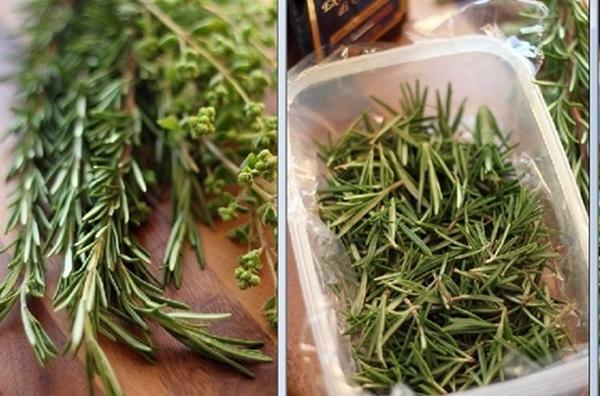
So, before you begin storing, it's important to choose this spice wisely. Pay attention to the appearance of the leaves: they should be a rich, dark green and not look wilted. If there are any yellow leaves, even in small quantities, among the predominantly dark green, it's best to avoid purchasing. Chances are, the spices have been sitting on the counter for a long time, and their unforgettable aroma has become much weaker.
If the leaves have black spots, you shouldn't buy rosemary leaves like these. This could indicate the plant was diseased or improperly stored. In either case, you won't enjoy adding this herb to your food.
It's great if you can assemble your own bouquet from leaves. This way, you can select the spice sprigs that best suit your needs. This is usually only available in some large stores, but you can also negotiate with vendors at the market for a selective purchase.
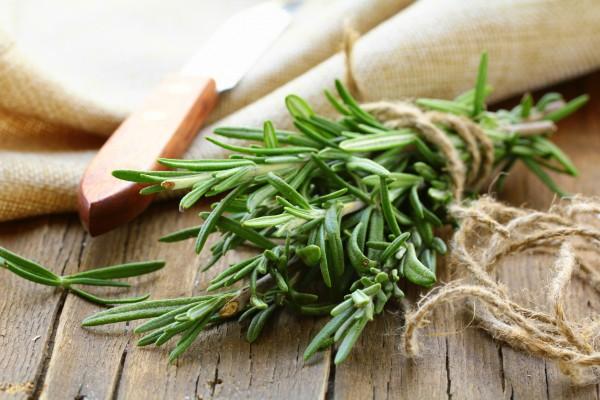
How to Store Fresh Rosemary for the Winter
Long-term storage in fresh form is out of the question, but you can significantly extend the shelf life by using a few tricks. These most commonly involve refrigeration:
- In a sealed container. Specialty stores sell specialty containers for storing various foods. Some manufacturers have included small ventilation windows to prevent the food inside from spoiling.
- In bags. These shouldn't be regular plastic bags, but special ones with zip-lock closures. The closure system works by pressing the hard parts of the bag into special grooves (a kind of tongue and groove, like in laminate flooring). When needed, you can remove the required amount of herbs and then reseal the bag.
- In parchment paper. To do this, after wrapping the herbs, moisten the resulting bag with water from a spray bottle. The parchment should be thoroughly saturated.
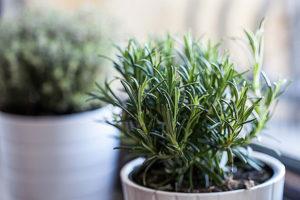
Rosemary can't be stored indoors for long. Some homeowners find the following method helpful in extending its shelf life. Trim the lower ends of the plant's sprigs, place them in a container of water, and cover with a plastic bag. Then, simply wipe the sprigs regularly to remove any accumulated moisture. And of course, the water should be replaced periodically with fresh water.
Drying the plant
Dried rosemary is the most popular form of the spice. Drying preserves the aroma without requiring a lot of effort. There are several ways to dry the herb properly.
But it is important to remember that dried rosemary will only reveal its flavor if the dish is cooked.
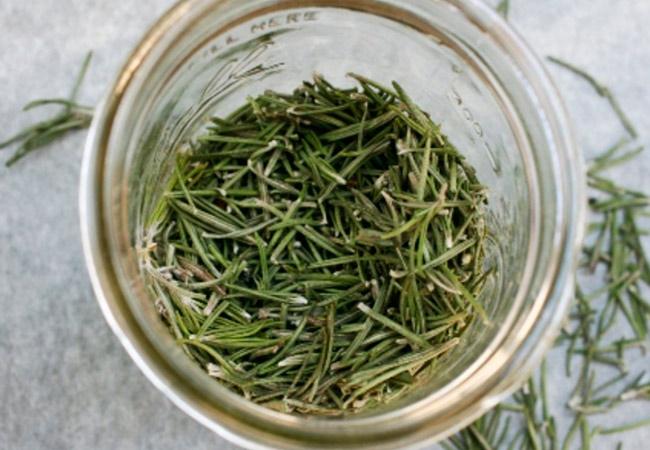
There are also rules for storing dried rosemary properly. After drying, it's best to transfer the leaves to a resealable glass jar or a paper or vacuum-sealed bag. Store in a cool place, away from the oven and stovetop. When stored in a tight container, the dried spice has a shelf life of up to 6 months, and when vacuum-sealed, up to a year.
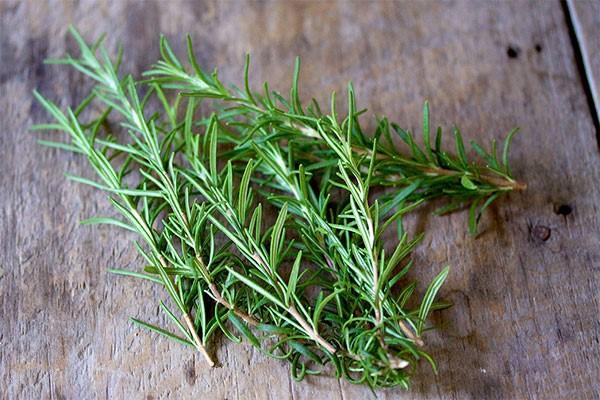
In the air
To dry rosemary this way, simply tie the sprigs together, wrap them in cheesecloth or mesh (to prevent the leaves from falling off), and hang them in a dark place. After 3-5 days, you can remove the rosemary from the drying rack. For storage, you also need to separate the leaves, which can be stored for a longer period.
In a dryer for vegetables and fruits
Electric dehydrators are a great way to remove moisture not only from vegetables, fruits, and mushrooms, but also from herbs, including rosemary. Sprigs should be cut into small pieces, approximately 5 cm long. The temperature should be set to no higher than 40 degrees Celsius (104 degrees Fahrenheit), otherwise the essential oils will evaporate completely, and the aroma of the dried spice will be much weaker.
In the oven
This method is a budget-friendly option for those who don't have a dedicated dehydrator, but it's important to understand that you're unlikely to achieve the same results. The problem is that it's difficult to control the temperature in an oven (especially a gas oven, which doesn't have a pressure control feature), making it very easy to over-dry the spice.

So, dry the rosemary on the lowest oven setting, with the lid slightly ajar. Place the baking sheet on the top shelf. Drying takes about 4 hours.
Other ways to prepare rosemary for the winter
Italians love to make rosemary-based aromatic salt. To do this, mix 150-200g of sea salt with the leaves from 15-20 rosemary stems. Blend this mixture until the salt takes on a green tint. Transfer it to parchment paper and bake in the oven for 15-20 minutes at 110 degrees Celsius. Store the salt in a glass jar with a lid.
Freezing in oil
It's best to use olive oil for this purpose, as it has a neutral flavor and aroma. So, chop the leaves, mix them with vegetable oil, and place them in a container, which will then be placed in the freezer. An ice cube tray is most convenient for this purpose.
This process can be repeated several times: as the aromatic oil solidifies, transfer the cubes to a special bag and fill the mold with a new portion of the mixture. Rosemary that has been defrosted should not be frozen.
Paste
This rosemary-based vitamin paste is a true gourmet treat. To make it, you'll need:
- 200 g rosemary;
- 2-3 cloves of garlic;
- zest of 1 lemon;
- a couple of slices of ginger.
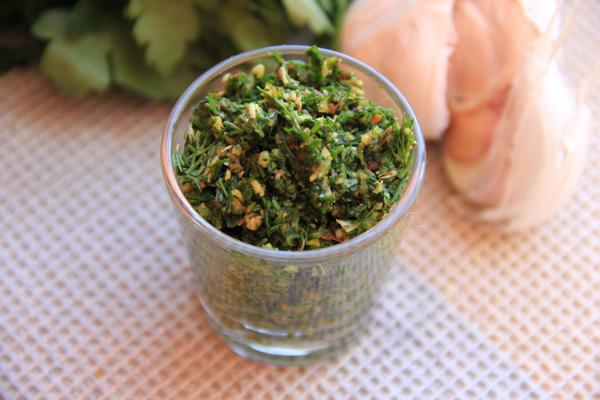
The recipe is constantly being modified, as anyone can add any ingredients (for example, other herbs) that will enhance the flavor of the paste. Everything is poured into a glass of vegetable oil and thoroughly blended.
This mixture can be stored in the freezer in various forms: bags, containers, ice cube trays (by first pouring the paste into them, thus creating portioned, flavorful cubes).
Vacuum
Vacuuming is the best method for preserving any food at home. A vacuum sealer is required for this. Rosemary leaves are placed in special bags, and the vacuum sealer is used to remove the air. The absence of oxygen slows down oxidation and cell breakdown, keeping the rosemary in its original state for as long as possible. Store the bags in the refrigerator.

Related posts:
 The medicinal properties and contraindications of rosemary for health, its benefits and harms
 How to grow rosemary at home on a windowsill in a pot from seeds and cuttings
 Planting and caring for rosemary in open ground, growing from seeds and propagation
 Types and varieties of rosemary, characteristics and beneficial properties of the plant, growing conditions
 Planting, growing, and caring for rosemary in open ground in central Russia
 How to grow and care for rosemary in the Leningrad Region and St. Petersburg
 The intricacies of growing rosemary outdoors in the Moscow region, planting and care
 How to cover rosemary in the open ground at your dacha for the winter, care instructions, and whether it needs to be pruned