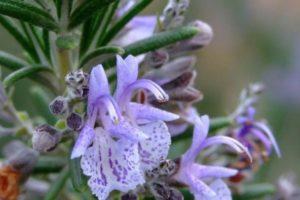
Why Rosemary is drying out in a pot at home – this question is asked by more than one owner of this Mediterranean plant. And there's reason to worry. Just yesterday, it delighted with its spicy aroma and bright green leaves. And now it's shedding them and withering before our eyes. In its native Mediterranean region, it thrives in valleys and on mountain slopes, swept by salty winds and under bright sunshine. It's warm and humid there, even in winter.
Peculiarities of growing rosemary on a windowsill
If you don't create comfortable conditions for the bush, it will soon lose its appeal, and with it, its beneficial properties. The best option is to grow it in a winter garden. But it's also quite possible to provide it with the necessary microclimate in an apartment. Create ideal conditions, and the bush will grow into a tree. You'll need to take this into account when choosing.
If you do decide to grow rosemary indoors, you'll need to find a suitable location. An east- or south-facing windowsill is ideal. Strong, healthy leaves will develop only in good light. The same applies to the production of essential oils.
To ensure that rosemary thrives as comfortably as possible, even in a city apartment, you'll need to spray it once a day during the summer.
In winter, place a container of water (snow or ice is fine) nearby. Watering is recommended when the top layer of soil dries out—it shouldn't dry out completely.
Basic care requirements
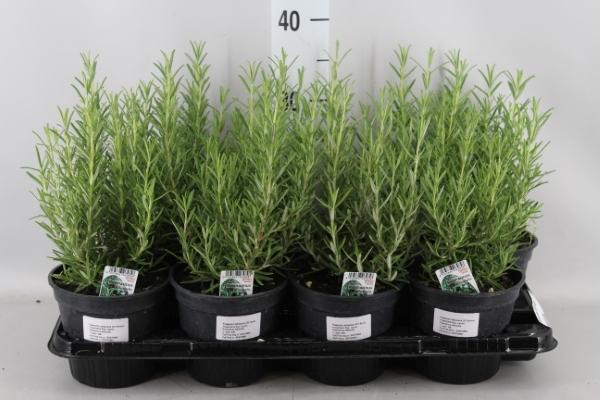
If the plant's growing conditions aren't right, its leaves will turn black, then dry out, and eventually fall off. This happens when:
- excessive or insufficient watering;
- excessively large dose of applied fertilizers;
- heat combined with insufficient lighting;
- dry air;
- pest invasion.
Take a look Also

If your rosemary sheds its leaves during a move, don't worry. It's adapting to the new conditions and will soon recover with proper care.
Pot and soil
Choosing the right planting container and soil is extremely important for rosemary, as it directly affects the result.
Its root system is very extensive, so a spacious pot is best. Due to the roots' high oxygen requirements, another requirement for the container is that it should be made of a porous material, preferably clay, and unlined. If the plant is young, a pot with a diameter of 20 centimeters is sufficient.
This plant also requires specialized soil. You can buy lime-based gravel substrate at a flower shop. Or you can prepare your own: 1 part peat, 1 part humus, 1 part mature compost, 1 part gravel, and 1 part turf. Mix the ingredients and moisten.
During the first 5 years, the plant will have to be repotted every spring, choosing a new container 2/3 larger than the old one.
Lighting
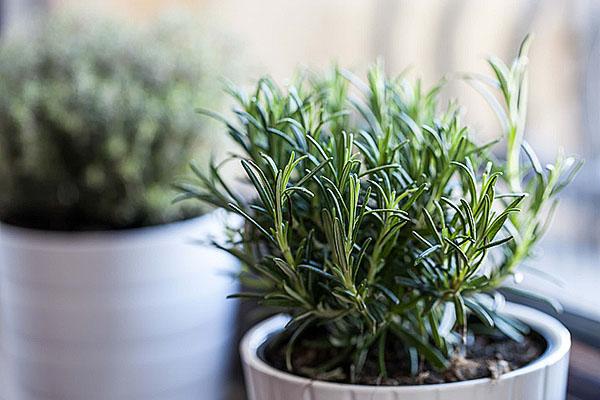
A deficiency can cause the plant to stunt growth and development. Rosemary loves sunlight and requires six hours of light per day, even in winter. Grow lights are a good choice for supplemental lighting.
During the spring and summer, the bush will need to be provided with supplemental lighting for 16-18 hours, otherwise it may die. It's even recommended to expose it to fresh air during this time. This will definitely help restore the plant's health. However, the bush should be protected from sunburn by providing light shade during extreme heat.
Pests and diseases in indoor conditions
Rosemary isn't known to be susceptible to disease. Yet, all too often, we hear of its leaves drying out, despite the owner's best efforts. This means one thing: the plant is sick or infested with pests.

Mildew
Overwatering can lead to downy mildew. If the infestation is severe, and the leaves have already turned black and fallen off, there's no cure. At the very onset of the disease, normalizing the watering regime is sometimes enough to resolve the problem.
But more often it is necessary to take a number of measures:
- cut off damaged branches;
- spray with copper-containing preparations;
- wash the pot thoroughly and scald with boiling water;
- replace the soil.
As for pests, they most often get to the flower in the summer, when the plant is often taken outside.
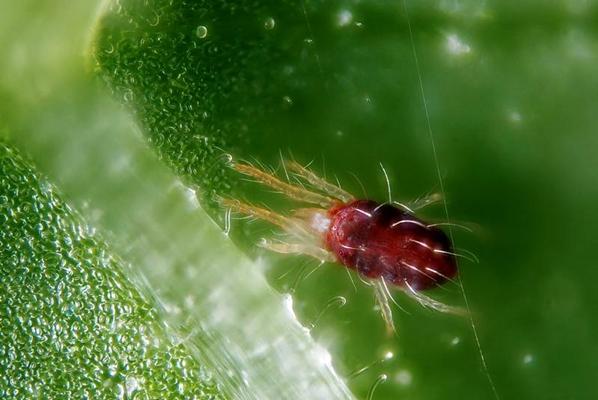
Spider mite
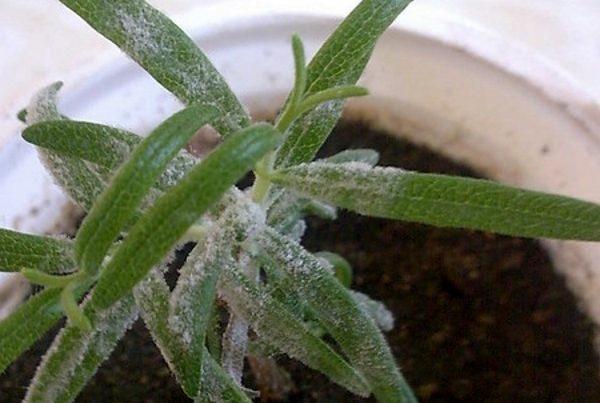
This sap-sucking insect thrives in dry air and warm temperatures. As soon as you notice punctures and webbing on the undersides of the leaves, the rosemary is infested with mites.
But for the owner, this is a signal that the plant's maintenance conditions have been violated. Correcting the situation will eliminate the pest.
You can, of course, spray with insecticides, but this will have little effect - they will not affect the laid eggs.
Aphid
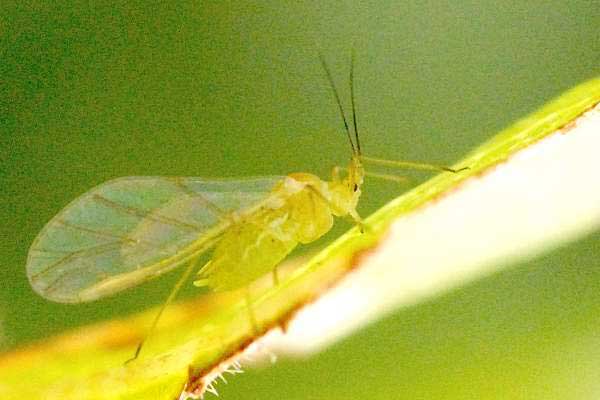
If you've spotted this pest, prepare a solution of laundry soap or tar soap and wash the rosemary (its above-ground parts) with it. Be sure to protect the soil as well—place the pot in a plastic bag and tie it tightly.
Whitefly
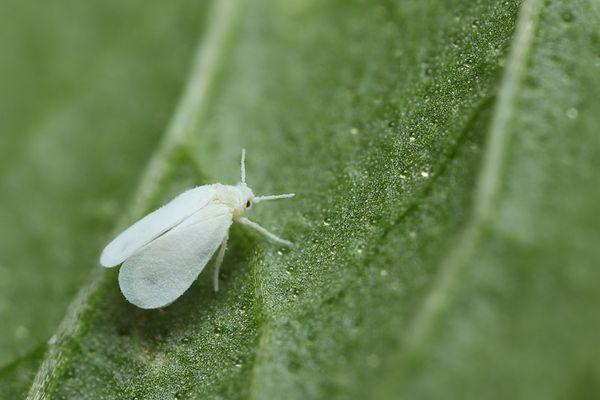
The larvae of this tiny butterfly love rosemary juice, heat, and humidity. Their presence is easy to detect:
- shake the bush - and white-winged butterflies fly out;
- leaves become sticky;
- white scales appear on the plant;
- the leaves are covered with black dots.
 This means the growing conditions are somehow compromised, but improving them alone isn't enough. You'll also need to spray the rosemary with insecticides. You can also place sticky traps around the bush.
Rosemary, which can brighten your home, purify the air, and flavor your table, should be growing on every windowsill. Growing it isn't easy, but it's entirely possible. And to... growing rosemary To ensure its flowering, you just need patience and a little knowledge. Then all your efforts will be worth it, and the plant from the shores of the Mediterranean will be lush and beautiful.
Related posts:
 How to grow rosemary at home on a windowsill in a pot from seeds and cuttings
 The medicinal properties and contraindications of rosemary for health, its benefits and harms
 Types and varieties of rosemary, characteristics and beneficial properties of the plant, growing conditions
 Planting and caring for rosemary in open ground, growing from seeds and propagation
 The intricacies of growing rosemary outdoors in the Moscow region, planting and care
 How to store fresh rosemary in the refrigerator, how to dry it, and how to prepare it for the winter
 Planting, growing, and caring for rosemary in open ground in central Russia
 How to grow and care for rosemary in the Leningrad Region and St. Petersburg