
- Description and characteristics of rosemary
- Popular plant varieties
- How to grow the crop correctly
- In the greenhouse
- At home
- In open ground
- How to prepare the soil
- How to plant a plant correctly
- Rosemary Care Tips
- Watering
- Lighting and temperature
- Loosening, weeding
- Top dressing
- Trimming
- Caring for rosemary in winter
- Protecting crops from diseases and pests
- Methods of plant propagation
- Harvesting and storing rosemary
Rosemary is a spectacular evergreen shrub native to southern Europe and on both sides of the Mediterranean. Cultivating this drought-resistant rosemary is a successful business venture in areas with warm climates and mild winters, as planting and subsequent care in open ground are straightforward. However, in most regions of Russia, growing this fragrant shrub is possible in year-round greenhouses or pots, and the profitability of large-scale cultivation is questionable.
Description and characteristics of rosemary
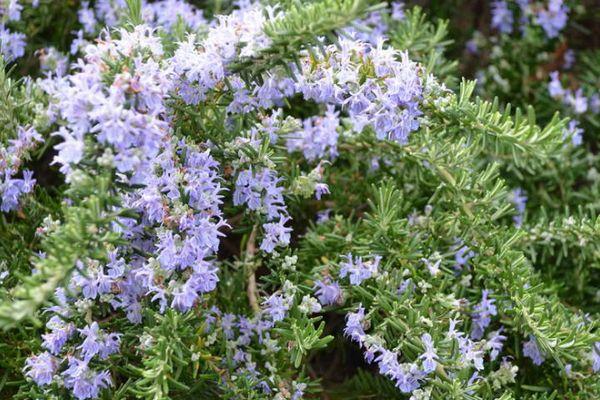
On the Black Sea coast, rosemary begins blooming naturally as early as February. Massive blooming occurs in April-May and lasts for a full month. Under favorable weather conditions, a second flush of bloom is often observed in mid-autumn.
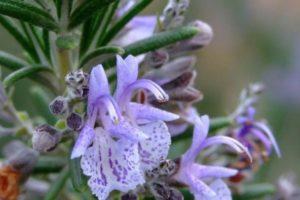
The flowers of this luxurious, small shrub, blue or slightly purple in color, are gathered in clusters of 5-10 buds. Closer to September, after the blooming season, small gray-brown fruits up to 2 mm long ripen. The small, greenish-olive leaves vaguely resemble pine needles. They are gathered on a long stem, often reaching 1.5 meters.
Rosemary's extensive root system can grow up to three meters in its natural habitat. This is typical of all plants growing in hot climates with prolonged periods of drought. The long root easily accesses groundwater and keeps the leaves fresh year-round. Because of its large root system, experienced farmers and gardeners grow the shrub in open ground or large containers.
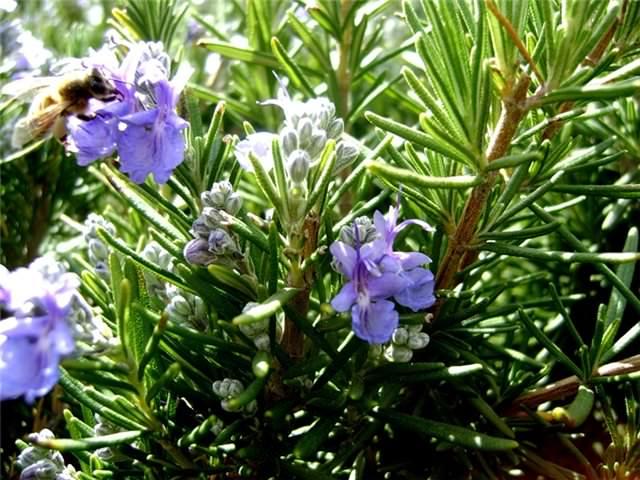
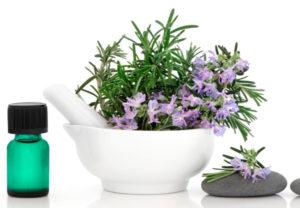
The shrub's high essential oil content makes it very fragrant and aromatic. It is known worldwide as a spice and medicinal plant.
Popular plant varieties
To date, breeders have developed dozens of rosemary varieties. These varieties differ in leaf color, size, and composition, flower shape and shades, and growing temperature requirements.
The most common varieties in Russia are:
- Corsican Blue is used for medicinal purposes and blooms from late April to May.
- Blue Winter blooms with an unusual purple color and tolerates low temperatures down to -17 °C.
- Crimean rosemary begins to bloom as early as February.
- Tenderness changes color from green to gray-blue as it grows and is not recommended for outdoor cultivation in cold regions. The bush reaches a height of one meter.
- Rosinka grows up to 40 cm in height and is used as a medicinal plant.
- The ampelous variety does not tolerate even slight frosts and is grown as a decoration for a summer cottage.
- White rosemary grows up to one meter in height and has delicate snow-white inflorescences.
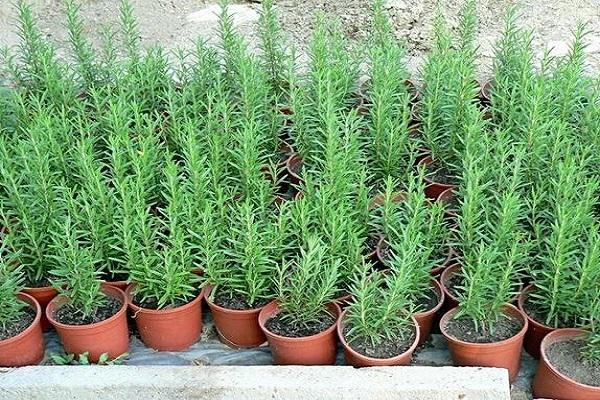 When purchasing rosemary, first of all, you need to consider the climate zone of your residence and choose zoned varieties.
Take a look Also

How to grow the crop correctly
During the summer, rosemary thrives outdoors: slight fluctuations in night and day temperatures favor its growth and development. Optimal growing conditions for this shrub are indoor greenhouses or conservatories. In just a few years, a small seedling in such conditions will grow into a beautiful, fragrant tree.
Rosemary is quite easy to grow. Its effective cultivation involves several steps:
- preparation of planting material;
- soil development;
- application of fertilizers;
- shrub care.
In the greenhouse
Greenhouses are used for year-round cultivation of rosemary in cold climates. They can also be used as a temporary shelter, growing the shrub from seeds or cuttings and then transplanting it into the open ground.
At home
You can successfully germinate seeds at home, using regular pots or containers.
In open ground
In summer, rosemary can be transplanted from pots and containers into the open ground in your dacha or garden and left there until frost sets in. In temperate climates, the open ground can also become the shrub's permanent home. To protect the root system from frost, it can be covered with agrofibre or other covering material.
How to prepare the soil
Rosemary doesn't require highly nutritious soil. It thrives in light loams enriched with humus. A 2:1:1 ratio of soil, sand, and humus is ideal for this easy-to-grow shrub. A small amount of vermiculite can be added to oxygenate the soil and improve its structure.
How to plant a plant correctly
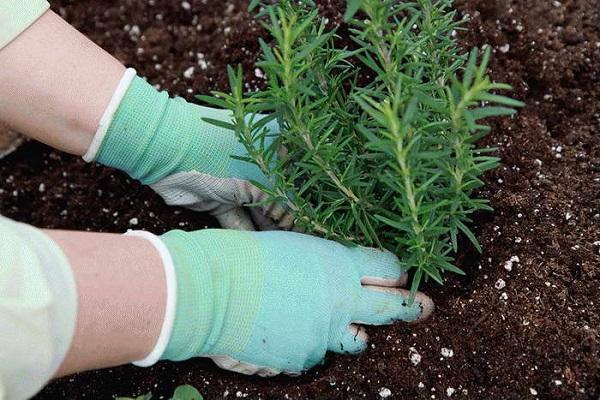
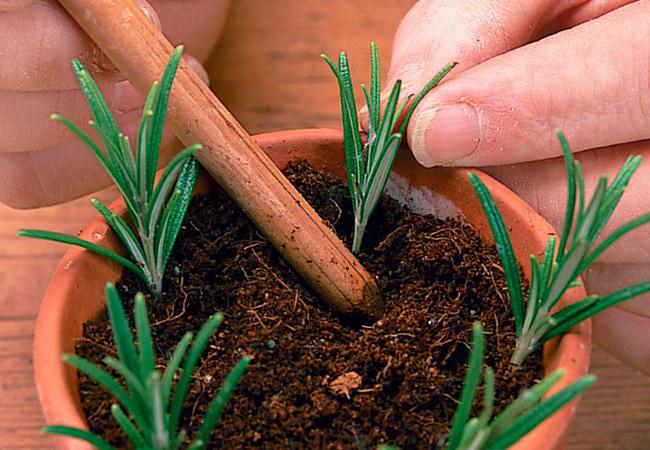
Rosemary is planted outdoors using seeds, cuttings, or layering. The best time to plant is late spring, when the threat of frost has passed and the nights are warm enough. The standard spacing for transplanting outdoors is 50 x 50 cm.
Rosemary Care Tips
Growing rosemary effectively in pots and in the ground is easy. It requires minimal care: regular watering, fertilizing, and pruning.
Watering
Rosemary is a natural aridity plant. It tolerates prolonged drought and dry soil conditions. Overwatering can negatively impact growth and development, and often leads to death.
Water the shrub with warm water that has been standing for at least 24 hours. Water that is too cold stresses the plant and promotes disease. Water rosemary infrequently, but thoroughly. In summer, watering once a week is sufficient. In winter, reduce watering to twice a month, preventing the soil from cracking.

With constant excess moisture, the shrub begins to shed its leaves, and root rot is inevitable. Insufficient moisture is easily recognized by yellowing leaves.
Lighting and temperature
Rosemary thrives in direct sunlight. When grown indoors, it thrives in a south-facing window. When planting, choose the most open spot, with full sun exposure.
Rosemary requires eight hours of daylight for normal growth and development. Light deficiency during winter can be compensated for with artificial fluorescent lighting.
A lack of light immediately affects the leaves: they lose their former density and become elongated. Rosemary is sensitive to sudden temperature changes. In summer, it thrives in any temperature range, but in winter, it requires cooler temperatures. Temperatures between 5-10°C are optimal. Under these conditions, the shrub will rest well, gain strength, and begin flowering in the first days of spring. Temperatures below -10°C are harmful, leading not only to freezing of the above-ground parts but also to the roots.

Loosening, weeding
Periodic soil loosening and weeding are essential for effective rosemary cultivation. Loosening the soil oxygenates it, promoting vigorous growth.
Top dressing
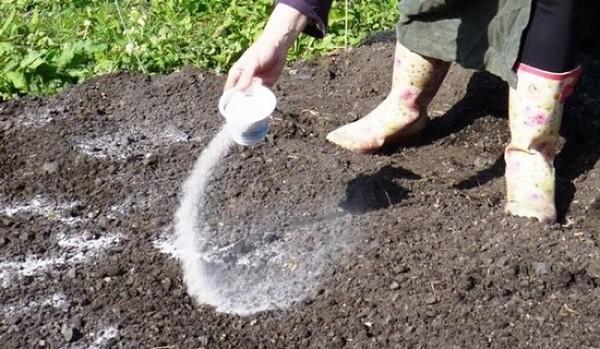
Fertilizing rosemary is easy. When growing this shrub outdoors, apply organic fertilizer every two years at a rate of 1.5-2 kg/m². Throughout the growing season, use a complex fertilizer, applying it no more than twice a month. The plant rests in winter. During the cold season, fertilizing is a last resort, only if there is a deficiency of micronutrients.
Trimming
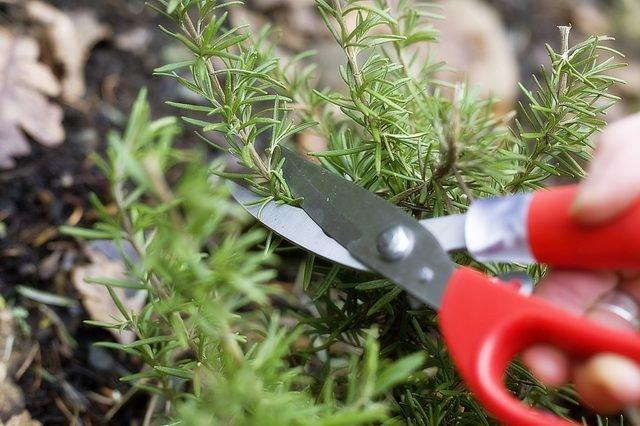
Rosemary is ideal as a decorative hedge, as it can be pruned into any shape. Typically, the bush is pruned in June, and the cuttings are used as a seasoning or for rooting. When actively growing, rosemary can be pruned at any time.
Often, mature plants don't survive the winter well. In the spring, the bush displays bare stems, practically devoid of foliage. Such a bush requires rejuvenating pruning. This encourages vigorous growth and branching of the stems.
Bushes older than eight years require rejuvenation. In the spring, they are pruned close to the ground.
Caring for rosemary in winter
The main care for rosemary in winter is watering and providing sufficient lighting.
Protecting crops from diseases and pests
Rosemary is often actively attacked by aphids. Occasional damage can be removed with simple pruning and careful monitoring of the plant. If aphids reappear, use Actara or a similar insecticide.
Overwatering is the cause of powdery mildew. Treatment is with Fundazol or its equivalent.
Methods of plant propagation
There are four ways to propagate a bush:
- Once warm weather sets in, the seeds are sown outdoors. The optimal temperature for active seed germination and subsequent plant development is 12-22°C. Seeds can be sown in pots or other containers as early as early February. Growing rosemary from seed in pots is especially suitable for regions with cool climates. In the fall, the pots can easily be moved indoors with a comfortable temperature.
- After spring pruning, healthy cuttings up to 10 cm long are used for propagation. They are placed in loose, moist soil or sand and covered. Root formation can be accelerated with growth stimulants. Under these conditions, the cuttings root very quickly. After just two weeks, they can be transplanted to their permanent location.
- Rosemary also propagates well by layering. To do this, carefully bend the lower shoot and bury it in the soil. When the top of the shoot begins to grow, cut the branch from the main stem and transplant it into open ground.
- When replanting, a large bush can be carefully divided into several parts and used as independent plants.
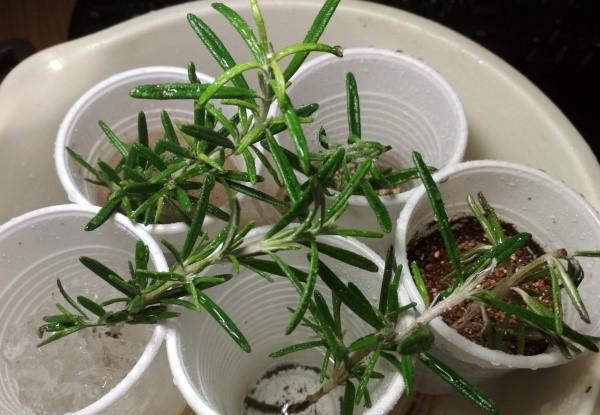
Growing rosemary from a seed, cutting, or layering is not difficult, and even a novice gardener can handle it.
Harvesting and storing rosemary
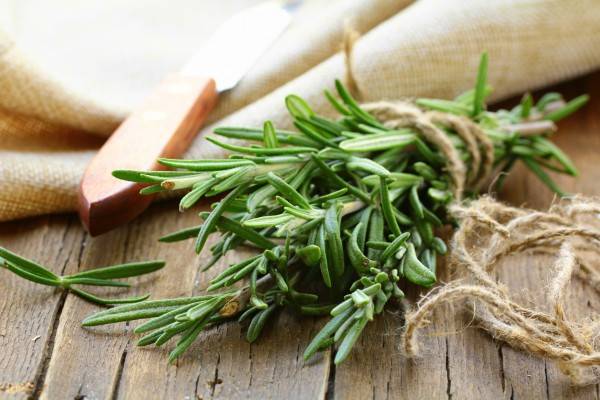
Rosemary's most valuable asset is its foliage. It is harvested in late spring before flowering, cutting sprigs 15-20 cm long. At this time, the foliage contains the maximum amount of oils and nutrients. The youngest and juiciest shoots are best for cutting.
Flowers are used to make medicinal tinctures and brew aromatic teas.
There are several ways to dry the harvest:
- In a shaded, well-ventilated area, spread newspapers and lay the harvested flowers in a thin layer. Turn the leaves and flowers daily and inspect for mold. The branches can be tied into small bundles and hung under a canopy to protect the harvest from rain. The disadvantage of this method is the long drying period; even under favorable weather conditions, the leaves and flowers will not be fully dry for at least two weeks. When dried naturally, high humidity often causes mold to develop on the flowers and branches.
- Specialized dryers dry the harvested crop quickly and efficiently. Drying temperatures are set to no higher than 40°C. At low temperatures, essential oils are fully preserved.
- Ovens with adjustable temperatures can also be used for drying. It's best to place leaves and flowers on the top rack to prevent them from drying out.
Store rosemary in tightly sealed containers. In dry areas, cloth or paper bags can be used for storage.
Rosemary is a hardy plant accustomed to dry growing conditions. Providing the necessary conditions for growth and development facilitates the effective cultivation of this fragrant shrub in the garden and the production of abundant harvests.
Related posts:
 The medicinal properties and contraindications of rosemary for health, its benefits and harms
 How to grow rosemary at home on a windowsill in a pot from seeds and cuttings
 Types and varieties of rosemary, characteristics and beneficial properties of the plant, growing conditions
 Planting, growing, and caring for rosemary in open ground in central Russia
 How to grow and care for rosemary in the Leningrad Region and St. Petersburg
 The intricacies of growing rosemary outdoors in the Moscow region, planting and care
 How to grow and care for rosemary outdoors in the Rostov region
 How to store fresh rosemary in the refrigerator, how to dry it, and how to prepare it for the winter