
- Description and chemical composition
- Medicinal properties
- For men
- For women
- For what diseases is it recommended to use?
- Rosemary Recipes
- Rosemary infusion in alcohol
- Rosemary infusion in water
- Essential oil
- Rosemary decoction
- Rosemary tea
- Application in cosmetology
- Rosemary for hair
- The effect of rosemary on the skin
- Culinary uses
- Contraindications
Vacationers in hot climates have often come across evergreen rosemary; its medicinal properties and contraindications have been known since ancient times. Women used it for body care, and a little later, the plant began to be used to treat illnesses, and then its parts found widespread use in cooking as a spicy seasoning.
Description and chemical composition
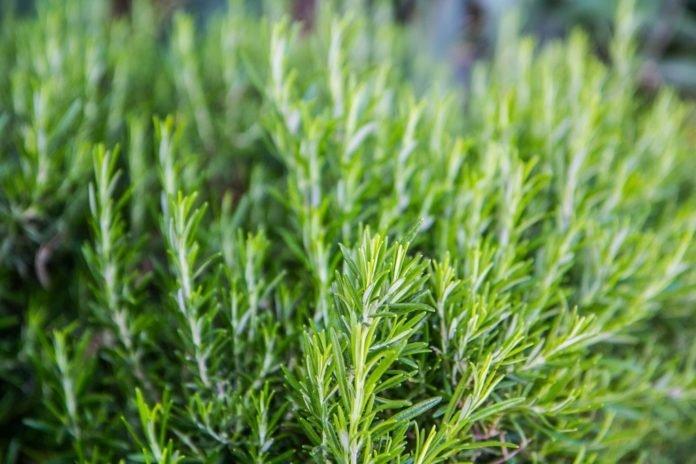
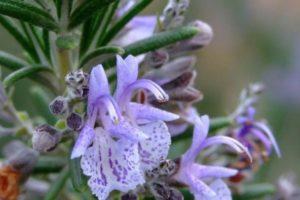
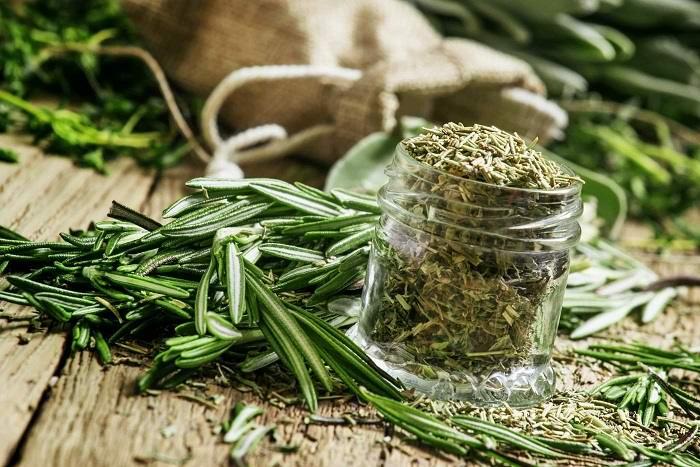
Rosemary is an evergreen shrub native to hot climates. Domestic gardeners manage to grow these plants on windowsills in their own apartments, but their appearance differs from that of their wild counterparts. Rosemary flowers are a delicate purple color, and its leaves are needle-like. Rosemary is renowned for its unique, spicy aroma, which many find appealing.
The plant contains a number of beneficial components that make it not only delicious but also medicinal. Specifically, the plant includes:
- folic and pantothenic acids;
- pyridoxine;
- potassium;
- calcium;
- phosphorus;
- thiamine;
- vitamins A and C;
- riboflavin;
- zinc;
- magnesium.
It is worth keeping in mind that this plant contains a large amount of saturated fat.
Medicinal properties
In alternative medicine, rosemary has long been used as a remedy for various ailments. The following components of the plant provide benefits to the human body:
- flavonoids;
- tannins;
- resins;
- alkaloids;
- camphor;
- eucalyptus oil.

Thanks to its rich chemical composition, rosemary helps fight depression, as well as:
- improves overall well-being;
- slows down the natural aging process in the body, has antioxidant properties;
- improves immunity;
- has a choleretic effect;
- enhances the taste of food consumed;
- freshens breath;
- promotes normalization of metabolic processes and weight loss;
- improves the general condition of the skin;
- activates memory work.
For men
Men are periodically advised to consume a rosemary decoction or infusion to improve potency, support the genitourinary system, and act as an aphrodisiac. This herbal blend, in addition to the main ingredient, includes immortelle, sage, and birch buds.
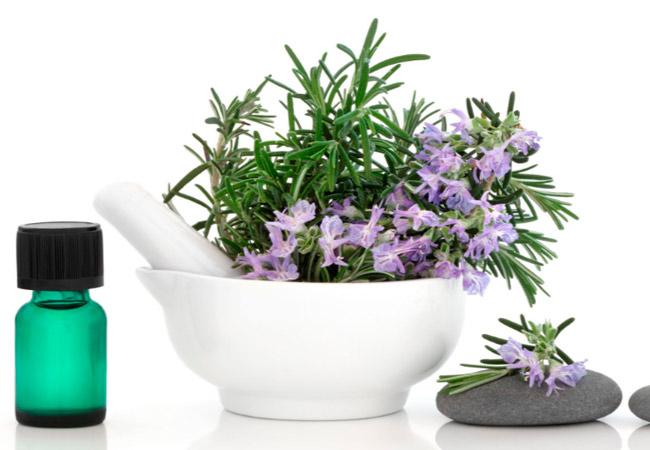
Take half a glass of this infusion half an hour before meals. The course of treatment lasts from 12 to 35 days, followed by a break. It is prohibited to use this remedy for people suffering from hypotension or kidney stones.
For women
What are the benefits of rosemary for women? It calms the nervous system during premenstrual syndrome, helps prevent migraines and headaches, is an ingredient in cosmetic creams and masks, is used as a bath or douche for inflammatory conditions in the genitals, and stabilizes hormonal balance.
In addition to the properties listed above, rosemary promotes weight loss due to its aroma, which accelerates metabolic processes, resulting in intensive fat burning.
You can shed a few extra pounds in just a couple of weeks by adding a pinch of dried rosemary to your favorite dishes. The plant is also beneficial for pregnant and breastfeeding women. In particular, if you're experiencing low milk supply, rosemary helps stimulate milk production. The herb also helps prevent colds, stress, dizziness, and insomnia.
Take a look Also

For what diseases is it recommended to use?
Rosemary is used to treat hypotension, coronary heart disease, and promote recovery after a stroke. Baths with this herb help relieve muscle and joint pain, as well as relieve symptoms of rheumatism and neuralgia, minimize menstrual pain in women, and alleviate mild discomfort caused by spinal conditions.
Rosemary is widely used to normalize digestion, relieve intestinal colic, and bloating. It improves appetite and has a beneficial effect on those suffering from bile stasis and bladder stones.
Rosemary also has another very beneficial property: it helps thin mucus. This is why it's used in medications for bronchial asthma and lung diseases associated with a dry cough. The plant is also effective in treating the effects of acute respiratory infections and flu, suppressing viral infections, and helping to lower body temperature.
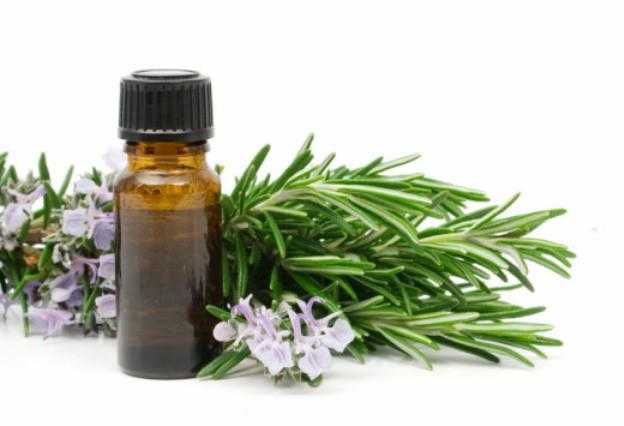
Rosemary essential oil is used to combat fungal skin diseases, acne, and excessive hair loss.
Rosemary Recipes
Almost all parts of the plant are used in traditional and folk medicine. Rosemary offers numerous health benefits and is included in seasonings for meat, vegetables, and fruit salads. It is used not only fresh but also dried and ground. Dried, ground leaves are suitable for baking and sprinkled over finished baked goods.
The herb is also included in apple fruit jelly, bread dough, and pizza dough. To give them a unique flavor, just a pinch of dried herbs is enough.
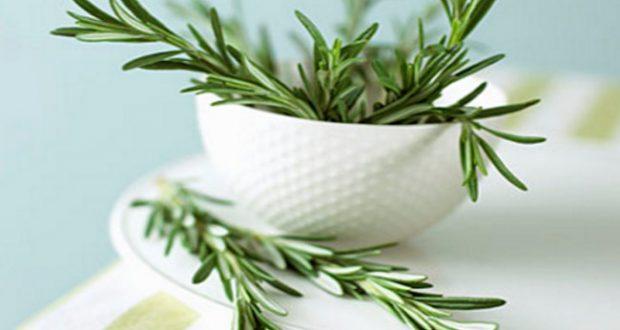
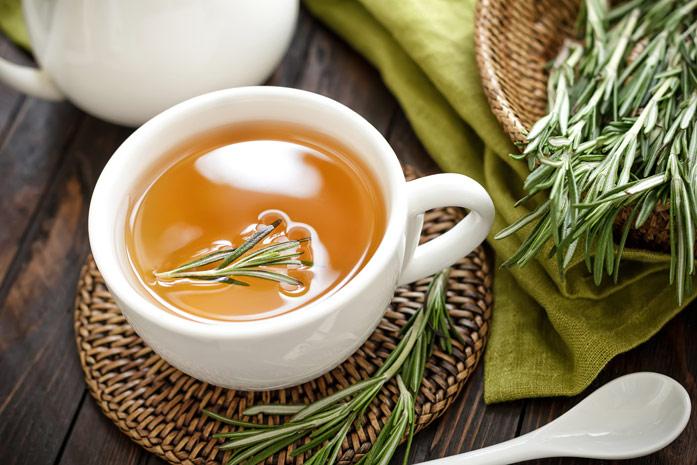
Rosemary tea provides invaluable health benefits. Drink it half an hour before meals. To prepare the drink, add one tablespoon of crushed rosemary to a cup of boiling water and let steep for 10 minutes. Sugar can be added if desired. This remedy is excellent for combating the first signs of a cold.
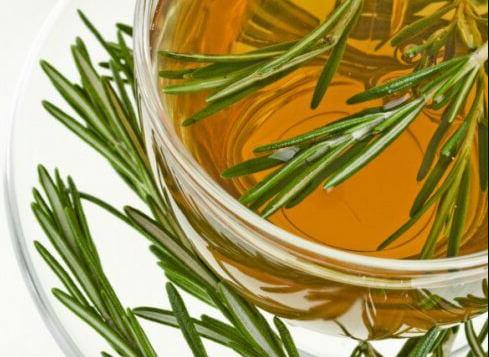
Rosemary-based folk remedies can help relieve mood swings and combat seasonal depression. To do this, combine equal parts rosemary, lemon balm, St. John's wort, and blueberries. Pour a tablespoon of this mixture into a glass of boiled water at 90°C. Let it steep for 25 minutes. You can drink the infusion instead of your usual tea.
People suffering from excess weight are recommended to drink tea made from a mixture of rosemary, wormwood, sage and blackthorn flowers.
Mix all of these ingredients in equal quantities, then add 0.5 liters of boiling water to 3 teaspoons of the resulting mixture and let it steep for 5 minutes. Take 150 milliliters three times daily.
In case of exacerbation of joint inflammation, prepare an infusion from equal parts of rosemary leaves and white willow bark (3 teaspoons of each component), pour in 1 liter of boiled water at a temperature of 90 C and let it steep for 2.5 hours. Divide the resulting drink into 4-5 portions and drink throughout the day.
Mixing 1 teaspoon of rosemary oil with 8 drops of almond oil and massaging it into problem areas can combat cellulite and remove stretch marks. Baths with rosemary infusion or decoction can help relieve fatigue after a hard day, reduce joint and muscle pain, and improve skin tone.
Rosemary infusion in alcohol
To prepare medicinal preparations, use 70% alcohol. To make a rosemary infusion, take 250 milliliters of alcohol and 50 grams of crushed dried herb. Mix everything in a glass container and leave it in a cool, dark place for 1–1.5 weeks. Afterwards, remove the container, strain the infusion through cheesecloth, and pour it into a clean glass container.
This remedy is only suitable for external use. For example, it can be used to rub joints for rheumatism, as a compress, or to cleanse oily skin for acne.
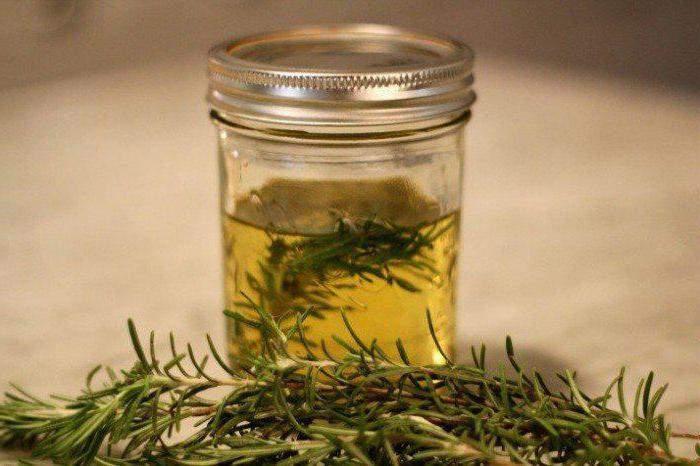
Rosemary infusion can also be made with vodka, but the technique is slightly different. Place 10 grams of dried rosemary in a clean container, then add 100 grams of vodka. Let the infusion steep for 1.5 weeks in a cool, dark place. After this time, remove the container and strain the infusion. This remedy can be taken internally, taking 30 drops of the tincture in 20 milliliters of water half an hour before meals. It is excellent for calming the nerves, reducing bloating, improving appetite, and raising blood pressure.
Rosemary infusion in water
Rosemary infusion is easy to prepare with water. Take 2 teaspoons of ground dried leaves and add a glass of boiled water at 90°C. C. Leave to infuse for 35 minutes, then strain and drink in 5 doses throughout the day.
This infusion is beneficial for those suffering from heart and vascular diseases, bile duct problems, and nervous tension. Adding lavender makes it suitable for rehabilitation in stroke patients. It also improves vision, normalizes cerebral circulation, and enhances memory.
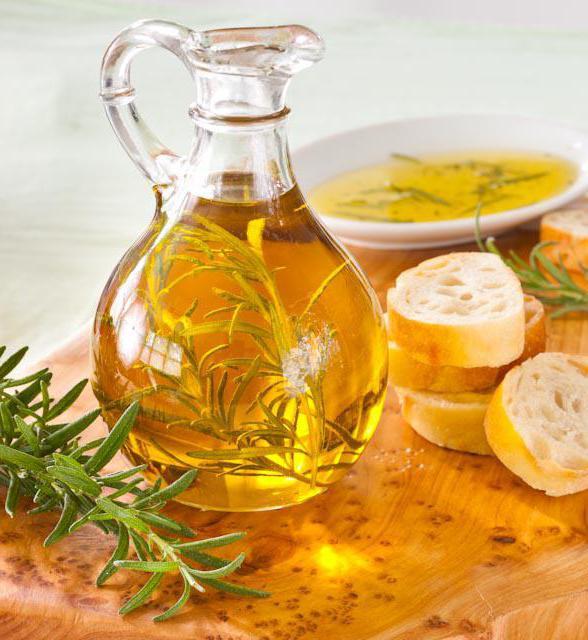
Essential oil
Baths with rosemary essential oil help you recover from a stressful day at work, relax, and improve your skin. For this purpose, mix it with sea salt or simply add it to your bubble bath.
Rosemary decoction
Rosemary can be used as an infusion or decoction. Its essential oil is often used for rubs, baths, cosmetics, and masks. The plant is effective in reducing performance and emotional stress. It is used to strengthen the immune system, stimulate brain activity, and alleviate hair problems.
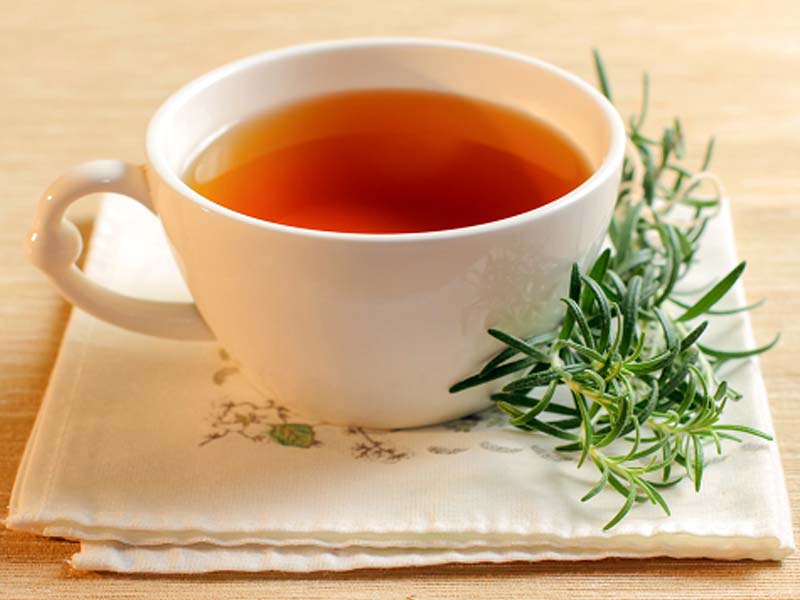
Rosemary tea
Rosemary tea has a distinctive flavor that may not be to everyone's taste. However, the plant's beneficial properties more than compensate for this drawback. Preparing the drink is simple. Take one teaspoon of dried herb, add a cup of boiling water, and let it steep for 15 minutes. Strain the finished tea, add sugar or honey to taste, and enjoy.
Application in cosmetology
Rosemary is widely used both in industrial cosmetology and for preparing home body and hair care products.

Rosemary for hair
Rosemary is excellent for treating hair problems and can significantly improve its condition. Using a healing infusion of the plant instead of conditioner improves scalp circulation, strengthening weakened hair. This method can also combat oily and greasy hair and dry scalp.
Regular use of rosemary infusion will not only make your hair shiny but also voluminous. To prepare the infusion, take 2 teaspoons of crushed dried leaves, pour a cup of boiling water over them, and simmer for another 15 minutes, then strain and cool. Shampoos and conditioners can also be made from the infusion.
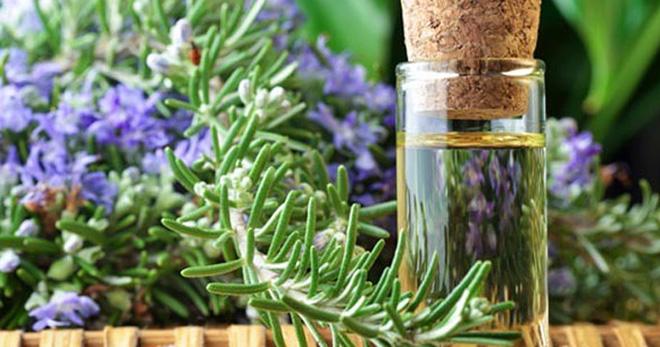
Hair masks often contain rosemary oil, which helps make hair silky and prevents breakage.
The effect of rosemary on the skin
The benefits of this herb for human skin are obvious. This is especially true for those who can't afford expensive salon treatments and prefer to do their skincare at home. Teenagers know that acne often leaves scars. These can be eliminated by mixing a little rosemary essential oil with sesame, cocoa, and rose hips. Apply the resulting ointment to problem areas.
Culinary uses
Rosemary is widely used in cooking, both dried and fresh. While fresh rosemary is naturally more aromatic, it's only available dried in our country. Herbs and spices containing this spice help boost metabolism, making it popular in dietary nutrition.
 Chefs around the world traditionally pair rosemary with poultry. It's excellent for cooking chicken, duck, and turkey. But marinades and seasonings for meat dishes with the addition of this spice are also very piquant and give the culinary masterpiece an exquisite taste.
Contraindications
Despite rosemary's invaluable health benefits, its use is not recommended for everyone. In certain cases, the herb can be harmful. Specifically, those with kidney disease should avoid this spice. The same applies to pregnant women, as the herb can trigger frequent uterine contractions. Those with hypertension should limit their rosemary consumption to minimal amounts, as it can significantly increase blood pressure.
Related posts:
 How to grow rosemary at home on a windowsill in a pot from seeds and cuttings
 Types and varieties of rosemary, characteristics and beneficial properties of the plant, growing conditions
 Planting and caring for rosemary in open ground, growing from seeds and propagation
 Planting, growing, and caring for rosemary in open ground in central Russia
 The intricacies of growing rosemary outdoors in the Moscow region, planting and care
 How to grow and care for rosemary in the Leningrad Region and St. Petersburg
 How to store fresh rosemary in the refrigerator, how to dry it, and how to prepare it for the winter
 How to grow and care for rosemary outdoors in the Rostov region