
Each region has its own planting and harvesting seasons for agricultural crops. Growing rosemary outdoors in the Rostov region requires little effort. The moderate climate favors yields. Simply follow certain guidelines, and the spice is sure to reward you with a bountiful harvest.
Specifics of growing rosemary in the Rostov region
Growing rosemary in the Rostov region doesn't require much time or effort. The only peculiarity is that the plant is cold-intolerant, so it is dug up or covered with leaves and snow during the winter. There are no other special requirements for growing rosemary in this region.
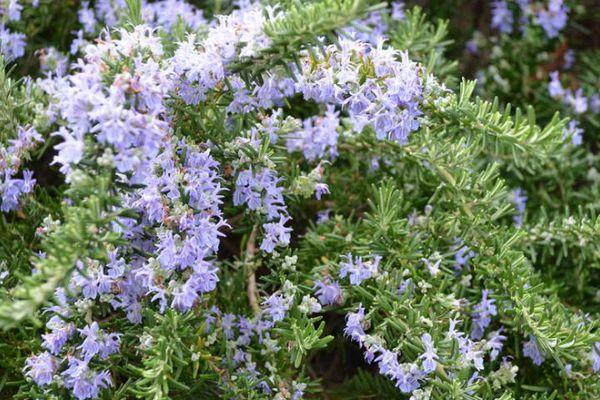
Method of plant propagation
Rosemary can be propagated in four ways: by seeds, cuttings, layering, and division. The preferred planting method is determined by the gardener. In all cases, with proper planting and subsequent care, shrubs can grow up to one and a half meters tall. The only difference is the number of months it takes to harvest the first crop.
Planting by seeds
Sow seeds in early March in pots filled with soil. It's not advisable to plant seeds directly into the soil, as the soil hasn't warmed up yet, and nighttime temperatures are low.
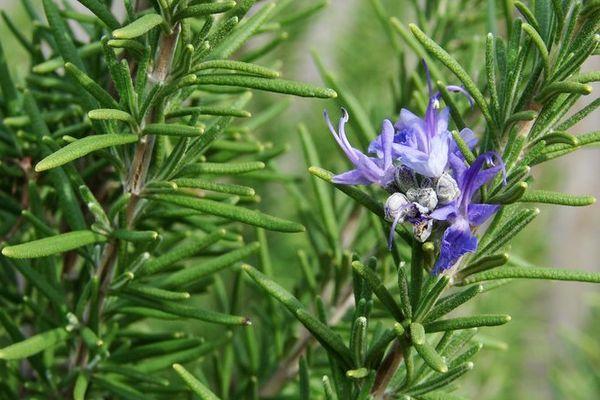
Before planting, rosemary seeds are soaked for 24 hours. To do this, wrap them in a piece of cheesecloth, place the cheesecloth on a saucer, and cover with water. Leave them there for two days, then sow.
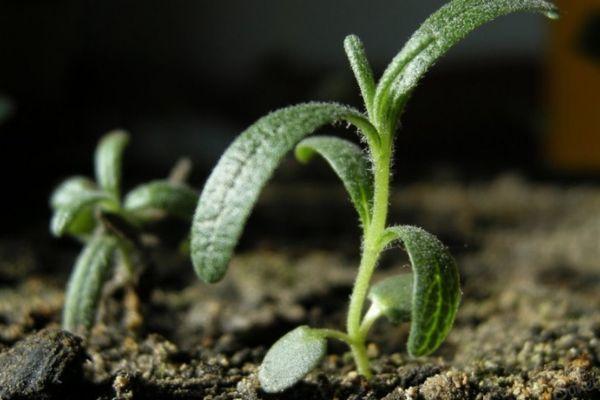
Make a separate hole for each seed, distributing the seeds evenly throughout the pot. The first sprouts appear after six weeks. This period may be longer or shorter, depending on the grower and variety of planting material.
Take a look Also

If rosemary seeds take a long time to germinate, don't be discouraged. Growing the herb from seed is a task for especially patient gardeners.
Propagation by cuttings
Propagation by cuttings takes less time. Therefore, if you have access to a cutting, it's best to do so. The lower leaves are trimmed off the cuttings, leaving only the green foliage on the top of the branch. The prepared cuttings are placed in water, which should cover up to 30% of the cutting.
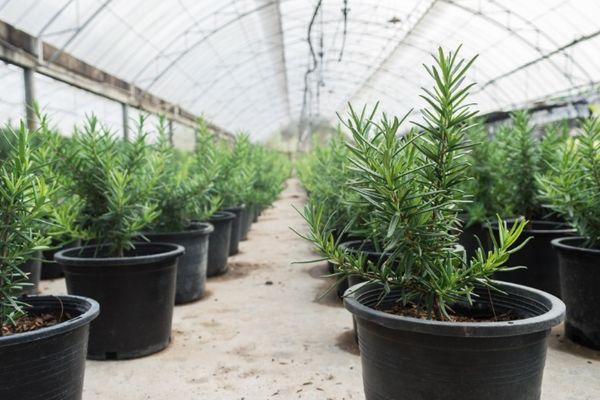
Normal roots can be seen after a month. The water should be changed periodically for fresh water. It's best to use purified store-bought water rather than tap water. Spring water is also suitable.
Once the plant has developed a root system, it is planted in pots with fertilized soil. If the weather is already warm, the plants are planted in open ground.
Potted rosemary is available at a number of shopping centers. This plant is already fully prepared for planting outdoors.
Planting by layering
Layering is a good way to propagate the plant. To do this, dig trenches around the mature bush. Then, bend and place branches from the mature bush into the trenches, secure them with staples, and cover with soil. If you bury the branches in the fall, you can transplant the rooted branches to a new location in the spring.
Dividing the bush
The easiest planting method: divide a mature bush into sections and transplant them to different locations. This way, the bushes take root well and require little care.
Planting dates
In the Rostov region, rosemary is grown outdoors from mid-spring. Planting can begin when the soil temperature reaches at least 10 degrees Celsius. It's best to plant when there's no longer any risk of frost, as temperatures below -5 degrees Celsius kill the plant.
Rosemary bushes grow throughout the year. Growth rate varies depending on ambient temperature, watering, and other factors.
Landing
Rosemary is planted in pre-fertilized soil. Fertilizer is mixed into the soil.

To plant rosemary, dig holes 20 cm deep. Add 2-3 liters of water to each hole, then plant the plants. Cover with soil and compact lightly. To retain moisture, sprinkle sawdust around the trunk.
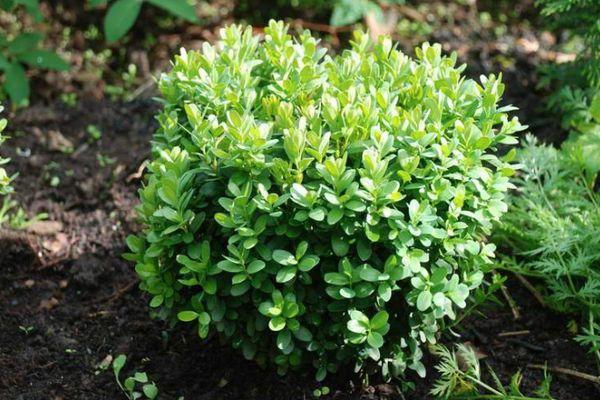
Pruning and care
To ensure lush rosemary bushes, you should follow the basic rules for caring for the plant:
- Water the plant as needed. However, avoid over-watering, as the plant dislikes stagnant water. If the summer is rainy, you can skip watering altogether.
- The plant should be pruned regularly. The tops of the branches are cut off, which encourages new shoots to emerge and the bush to grow even larger.
- Rosemary is planted on the sunniest side of the plot. This sun-loving plant, and a lack of warmth and light will cause the bushes to die.
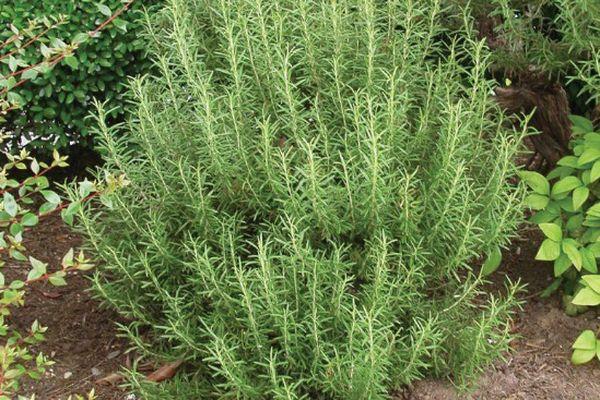
The soil around the bushes is periodically loosened and fertilized. The herbs are pest-resistant, so pesticide treatment is not required.
Covering rosemary for the winter
Rosemary can be left to overwinter in the garden. However, in this case, the bushes should be covered with fallen leaves. Alternatively, each bush can be packed in large plastic bags and covered with leaves and snow.
In mild winters with ample snow cover, rosemary bushes tolerate frost well. In spring, rosemary is pruned to shape the bushes into a regular shape.
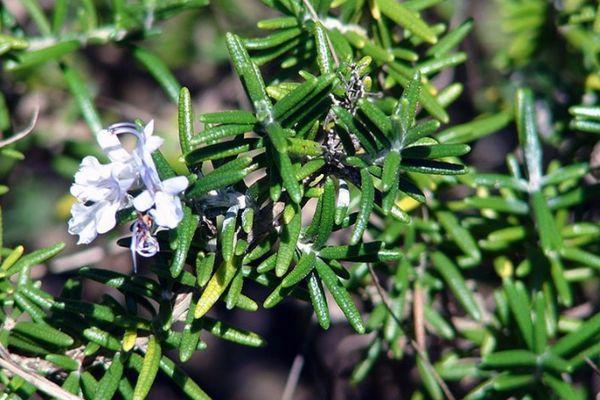
Harvesting and storage
The harvest should be done during the flowering period. At this time, the plant contains the maximum amount of essential oils, which are beneficial for the body.
Fresh and dried leaves of the plant are used to season dishes. Whole sprigs can also be used to garnish individual dishes. The leaves are cut from the sprigs, spread on white paper, and dried in a well-ventilated area. Once dry, they are crushed and added to dishes as needed.


Store dried rosemary in a glass jar with a tight-fitting lid. It has a shelf life of no more than 2 years.
Uses of spice
Rosemary tea is effective for migraine attacks. Drinking rosemary infusions is recommended for urinary tract conditions. Tea made from rosemary sprigs has a vasodilatory and tonic effect. This drink stimulates circulation and increases vitality. Rosemary tea is also beneficial for neurological disorders.
Getting a good rosemary harvest requires some effort. Timely watering, loosening the soil, and pruning will definitely do the trick. Don't forget that in the Rostov region, plants need to be covered with leaves for the winter.
Related posts:
 The medicinal properties and contraindications of rosemary for health, its benefits and harms
 How to grow rosemary at home on a windowsill in a pot from seeds and cuttings
 Planting and caring for rosemary in open ground, growing from seeds and propagation
 Types and varieties of rosemary, characteristics and beneficial properties of the plant, growing conditions
 Planting, growing, and caring for rosemary in open ground in central Russia
 How to grow and care for rosemary in the Leningrad Region and St. Petersburg
 The intricacies of growing rosemary outdoors in the Moscow region, planting and care
 How to store fresh rosemary in the refrigerator, how to dry it, and how to prepare it for the winter