Some gardeners cultivate rosemary, a herb often used in cooking to enhance the flavor of many dishes. Before growing this herb, it's important to familiarize yourself with the specifics of planting and propagating rosemary from cuttings.
Peculiarities of growing rosemary from cuttings
Rosemary's main characteristic is its ability to release aromatic compounds that can freshen the air in a home. This is why some prefer to grow the herb indoors or on a balcony rather than outdoors.
Residents of the southern regions of the country can propagate the plant in the spring and summer. This is not recommended in winter, as the cuttings will grow poorly. Gardeners living in temperate climates can prepare cuttings for planting in the first half of April, so that all the seedlings can be transplanted into the garden by early summer.
Gardeners take cuttings themselves for sprouting and replanting at home. Some purchase them at markets or from stores that specialize in seeds and seedlings.

Preparing cuttings
People who have never taken cuttings before often make mistakes when preparing cuttings for planting. Therefore, it is recommended to familiarize yourself with the specifics of preparing seedlings for planting.
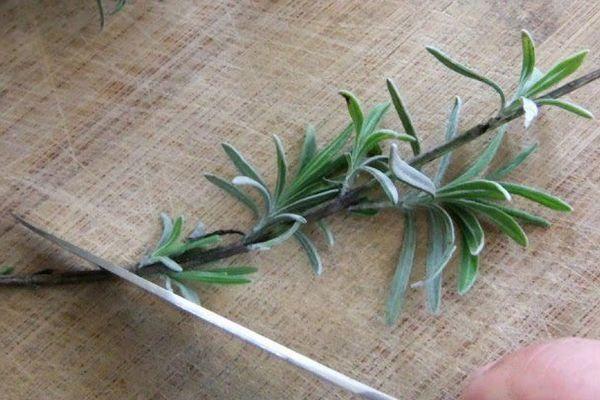
There are several rules that will help prevent problems from arising in the future:
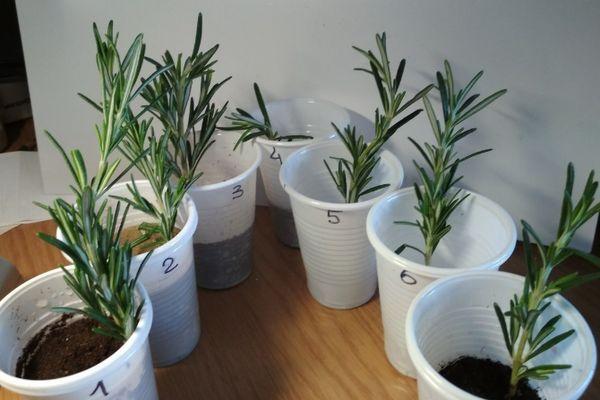
- Prepare the containers for planting the spice and the soil in advance. When preparing the soil mixture, mix black soil with humus and peat.
- A thin layer of pebbles is placed on the bottom of the pot in which the rosemary will grow, and the soil mixture is poured on top.
- Make small holes for planting the spice. Their depth should be 3-4 cm.
- Containers with planted rosemary cuttings are transferred to a sunny place for germination.
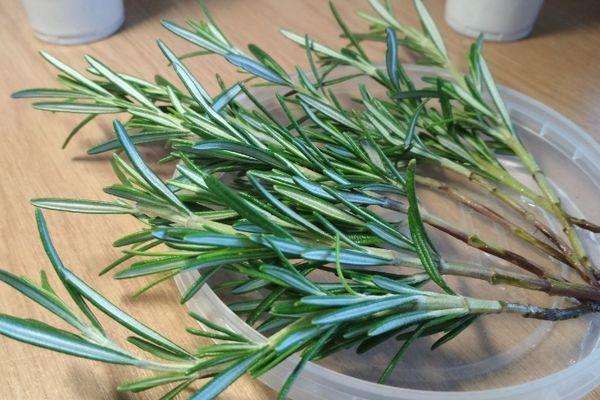
To ensure strong rosemary cuttings, soak them in a glass of water for several days before planting. This will help develop and strengthen the root system.
Planting dates
To grow a robust plant, you need to determine the optimal planting time. Experienced gardeners recommend planting rosemary when the soil warms to 10-12 degrees Celsius. In southern regions, the soil typically warms to this temperature in the second half of spring. In northern regions, it's best to plant the spice in greenhouses in early spring or fall.
Take a look Also

It's crucial that the air temperature doesn't drop below 5-10 degrees Celsius while growing the plant. At these temperatures, rosemary seedlings stop developing and die. Therefore, you'll need to monitor the outdoor temperature while growing the plant. In winter and the second half of autumn, it is better to transplant plants into pots and bring them into warm buildings or greenhouses so that they do not freeze.
Choosing a landing site
Rosemary is considered a plant with increased sensitivity to temperature fluctuations and frost. Gardeners who plant the herb annually recommend planting it in sunny areas. Also ideal is an area protected from strong winds.
When choosing a site for rosemary, consider the soil's characteristics. The herb grows best in well-drained soil with a low acidity level. This type of soil absorbs moisture well and is constantly aerated. If planting in loose, non-acidic soil isn't possible, you'll need to add a little sand and lime.
Landing
Before planting, all seedlings will need to be rooted first to ensure they adapt well to the new conditions and then germinated in seedling trays. The seedlings are grown until they reach 7-8 cm in height, after which they can be planted in their permanent location.
Before replanting, prepare the soil by mixing it with organic fertilizer, chalk mixture, and river sand. This will enrich the soil with beneficial components and help the young seedlings take root.

After preparing the soil, dig holes in the area for planting the rosemary. The spice is planted about a meter apart. The holes are not too deep—5-8 cm. This is enough to completely cover the root system. After planting, all the rosemary seedlings are covered with soil and watered.
Caring for Rosemary
To ensure the spice grows well, it needs proper care. Rosemary is known to cope well with dry soil. However, this doesn't mean it doesn't need watering. Planted plants should be watered regularly at the roots with warm water. Over-watering the soil is contraindicated, as this leads to root rot. In spring and summer, water the spice 2-3 times a week, while in winter, twice a month is sufficient.
Rosemary bushes grown from sprigs require regular fertilizing. Two to three times a month, add mineral and organic fertilizers such as humus, peat, and superphosphate to the soil. Potassium fertilizers are also added periodically to stimulate rosemary growth.
Pests and diseases
Some gardeners believe that the spice's antibacterial properties protect it from many diseases, but this isn't true. Rosemary plants are often susceptible to diseases and pest attacks.

Common problems include:
- wilting of leaves, which appears due to the fact that the plant is in the sun for a long time;
- yellowing of leaves, which appears as a result of improper watering;
- weak aroma due to lack of fertilizers.
Rosemary often suffers from powdery mildew, which, if left untreated, can kill the plants. To prevent this disease, it's important to maintain soil moisture. If the plants are grown in greenhouses, fans should be installed near the rows to improve air circulation.
Conclusion
Some gardeners prefer to grow rosemary themselves. Before planting, it's important to familiarize yourself with the specifics of propagating the plant from cuttings and the basic rules for caring for the planted plants.
Related posts:
 The medicinal properties and contraindications of rosemary for health, its benefits and harms
 How to grow rosemary at home on a windowsill in a pot from seeds and cuttings
 Types and varieties of rosemary, characteristics and beneficial properties of the plant, growing conditions
 Planting and caring for rosemary in open ground, growing from seeds and propagation
 Planting, growing, and caring for rosemary in open ground in central Russia
 How to grow and care for rosemary in the Leningrad Region and St. Petersburg
 How to store fresh rosemary in the refrigerator, how to dry it, and how to prepare it for the winter
 The intricacies of growing rosemary outdoors in the Moscow region, planting and care