
This aromatic herb, which adds a refreshing flavor to meat and fish dishes, also has medicinal properties and is often used as an ornamental plant. Rosemary originates from the Mediterranean region and struggles with harsh climates. The capricious climate of St. Petersburg and the surrounding areas is a challenge for this fragrant shrub. However, enthusiastic gardeners successfully grow rosemary in the Leningrad Region.
The specifics of growing rosemary in the Leningrad region
The Leningrad Region has a unique climate. This region straddles the transitional boundary between continental and maritime climates. The weather is changeable and rainy. Temperatures vary between the western and eastern parts, with winter temperatures dropping to -6 to -10 degrees Celsius.
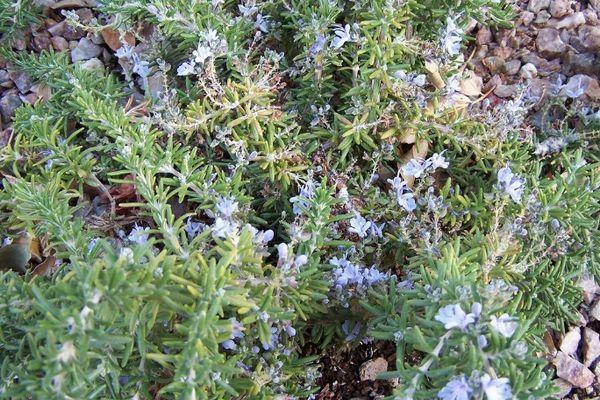
Rosemary is sensitive to low temperatures. Even short frosts down to -5°C (23°F) are fatal. Even shelter doesn't help. For this reason, in St. Petersburg and the Leningrad region, the plant is transplanted outdoors in the warm spring and dug up in early fall. During the winter, rosemary is stored indoors.
The optimal air temperature for replanting for the winter is up to 12 degrees Celsius. If you wait until frost, the sudden temperature change can stress the plant.
During the winter, it's best to store the shrub in a cool, bright room with warm air not exceeding 15 degrees Celsius. Heat is also harmful to rosemary.
Method of plant propagation
Rosemary can be planted from cuttings and shoots, as well as from seeds.
Experience shows that the plant's seeds have poor germination. Therefore, when choosing this propagation method, it's worth purchasing planting material from several producers. This increases the chances of a successful outcome.
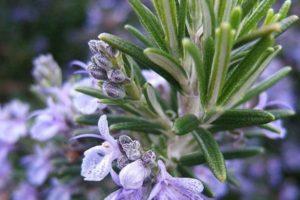
The seeds are prepared for growing. They should be placed on a damp cloth in a shallow container and left in a sunny location for 1-2 days.
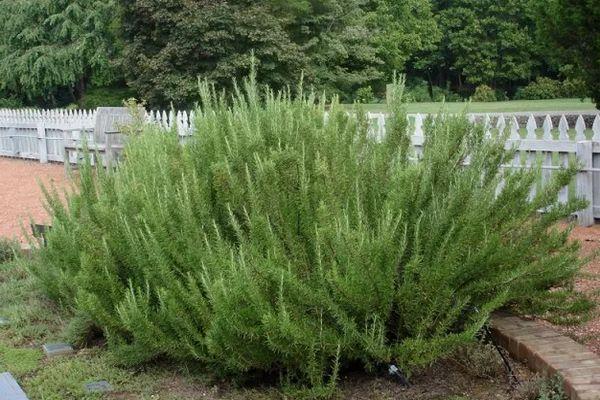
A thin layer of soil is poured into a wide, flat container, and the seeds are sown on top. Then a thin layer of vermiculite is sprinkled on top. The container is then sprayed with warm water and covered with plastic wrap until the first shoots appear.
The container should be placed on a sunny windowsill. Given the specific daylight conditions in the Leningrad region, supplemental lighting will be required. A phytolamp should be turned on in the morning, evening, and on cloudy days. The soil should be moistened periodically.
The time for sowing seedlings is determined by the time it takes for the seeds to germinate. On average, it takes 2-3 months. Therefore, to plant rosemary in the second half of spring, seedling preparation should begin in February.
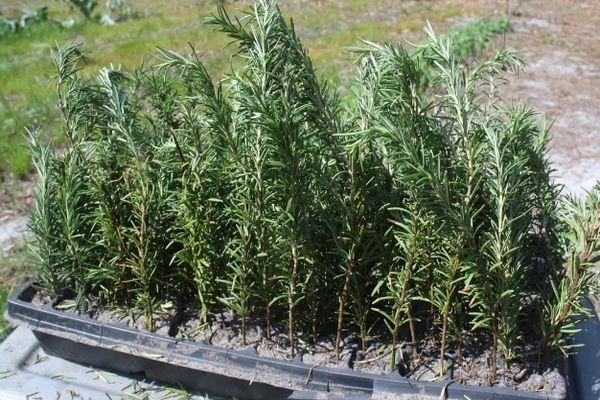
The acceptable temperature for sprouts is 25 degrees Celsius.
Vegetative propagation is quicker and easier. There are three options:
- cuttings;
- layering;
- by dividing the bush.
A rosemary cutting is cut from the top of the shoot. Remove the leaves from the bottom and place the sprig in a glass of water. You can place it directly in a pot for rooting, or place it in a growth stimulator for a short time.
The second option is planting by layering. These are formed from a mature bush. Preparation begins in early spring. The outermost rosemary shoots are bent to the ground and the base is covered with soil. When new leaves appear, the plant is ready for transplanting.
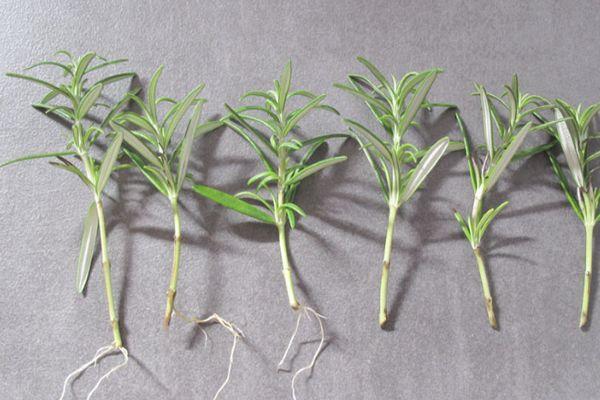
Propagation by dividing a mature bush (about once every two years) is a simple method. The bush is removed from the pot and divided into 2-3 parts. Each part should retain a stem with foliage and a root system. Then, the bush is repotted.
In open ground, propagation by dividing the bush can be done in the fall, when preparing for winter.
Landing
Rosemary can be grown in open ground, or at home.
In open ground
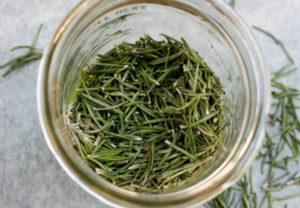
Rosemary is a heat-loving shrub, so it should be planted after the weather warms up. In the Leningrad region, the second half of spring is a favorable time. A wind-free location is preferable.
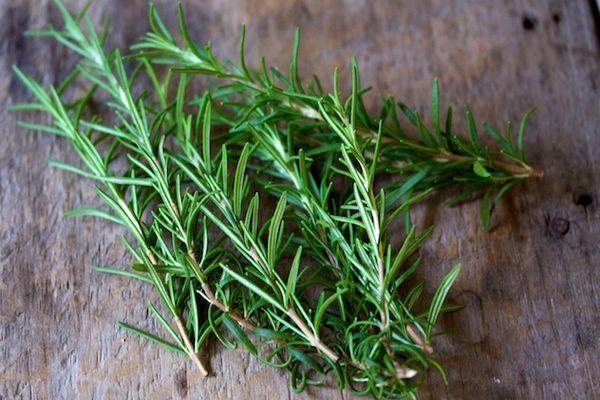
Loose, light soil with a high limestone content is preferred. Acidic and wet soil is not suitable.
The plant prefers sunlight, but will grow and thrive even in shade. However, in this case, the essential oil content of the leaves will decrease.
Doesn't like being near rose bushes. It won't bloom near roses.
At home
Growing rosemary in a pot on a windowsill is quite feasible. It's best to choose a deep clay pot for planting. Be sure to add drainage to the bottom.
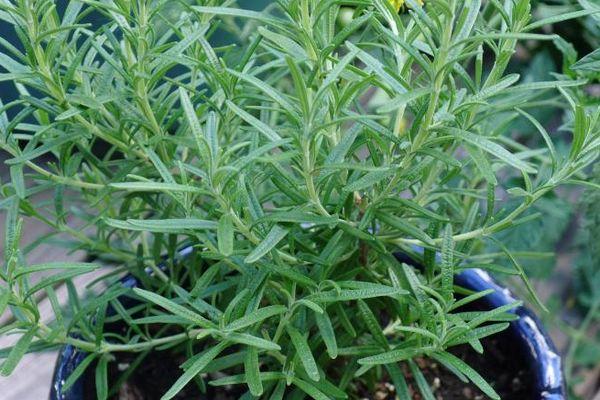
Rosemary loves sun, so it should be placed on the south side of the apartment. On cloudy days, compensate for the lack of light with special lamps.
The plant needs to rest in winter. During this time, it's best to move it to a cool location with temperatures no higher than 15 degrees Celsius. Otherwise, the rosemary won't flower.
Caring for the crop
This fragrant shrub is native to Mediterranean countries, so it thrives in warmth and sunlight. Care and attention are essential.
Watering
Rosemary prefers moist soil. It's drought-tolerant, but grows best if the soil is consistently moist. If the soil isn't moist enough, the leaves will turn yellow.
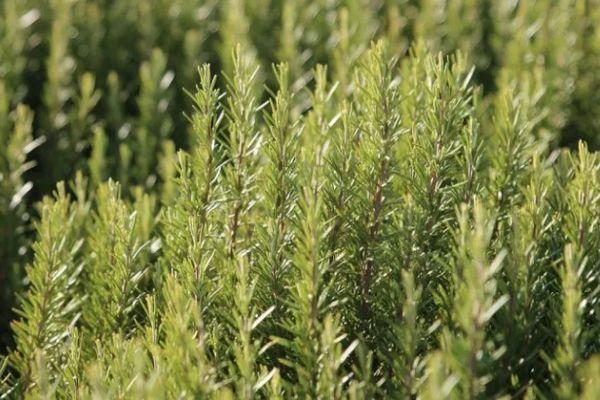 Excessive moisture is detrimental to rosemary.
Top dressing
During the growing season, the plant needs to be fed. This usually occurs between March and September. Fertilizing the soil twice a month with mineral or organic fertilizers is sufficient.
During the winter period, when the plant is dormant, nitrogen fertilizers are used 1-2 times.
Diseases and pests
Rosemary is sensitive to sudden changes in temperature, lack of light, and excess moisture.
If your shrub has lost its scent, the cause lies in its growing conditions. Most likely, it's overwatering.
Take a look Also
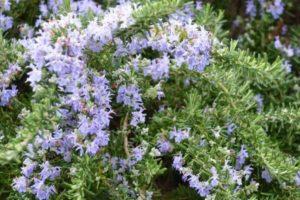
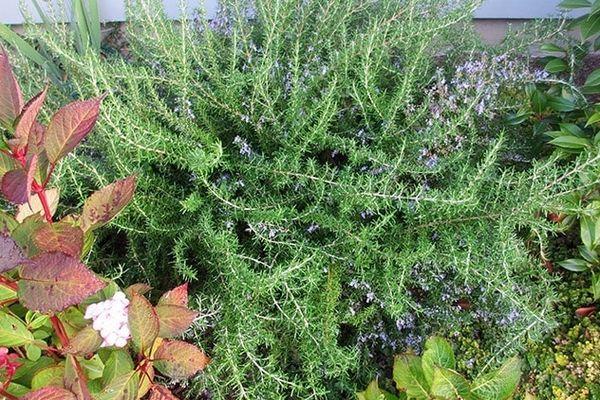
Pests that attack the plant include aphids and whiteflies. These can be controlled using specialized products.
Harvesting
The aromatic leaves are best harvested for seasoning in summer, from June to August. In the fall, after the second flowering, the leaves dry out, and most of their beneficial properties disappear.
For medicinal purposes, it's best to cut rosemary sprigs in late May, after the first flowering. During this period, the leaves concentrate most of their essential oils and beneficial substances.
Related posts:
 The medicinal properties and contraindications of rosemary for health, its benefits and harms
 How to grow rosemary at home on a windowsill in a pot from seeds and cuttings
 Planting and caring for rosemary in open ground, growing from seeds and propagation
 Types and varieties of rosemary, characteristics and beneficial properties of the plant, growing conditions
 Planting, growing, and caring for rosemary in open ground in central Russia
 How to grow and care for rosemary outdoors in the Rostov region
 The intricacies of growing rosemary outdoors in the Moscow region, planting and care
 How to cover rosemary in the open ground at your dacha for the winter, care instructions, and whether it needs to be pruned