
- The specifics of growing rosemary in central Russia
- Vishnyakovsky Semko
- Rosemary Biryusa
- Rosemary Dewdrop
- Rosemary Tenderness
- Rosemary: Growing Methods
- Sowing seeds
- Rooting cuttings
- Planting method
- Planting dates
- Planting rosemary
- Features of crop care
- Watering
- Top dressing
- Pruning bushes and temperature conditions
- Collection and storage
A spice, an ornamental, cosmetic, and medicinal plant—that's all about the evergreen rosemary. It's about a subshrub that has absorbed the aromas of warm seas, the magical freshness of southern air with subtle notes of lavender, pine needles, freshly cut grass, and the bitter taste of peppermint. The value of this plant is undeniable. And so, gardeners and farmers confidently take up the task not only in the south but also grow rosemary outdoors in central Russia.
The specifics of growing rosemary in central Russia
Rosemary is a heat-loving plant that requires specific soil conditions. It prefers light, well-drained, slightly calcareous soils and sunny, wind-protected sites. To ensure a good harvest in temperate climates, select varieties that can withstand light winter frosts.
The State Register of the Russian Federation recommends the following varieties: Vishnyakovsky Semko, Biryusa, Gorizont, Rosinka, Nezhnost, and Doctor. These varieties are zoned in the Russian Federation and are intended for home gardens, allotment plots, and farms.
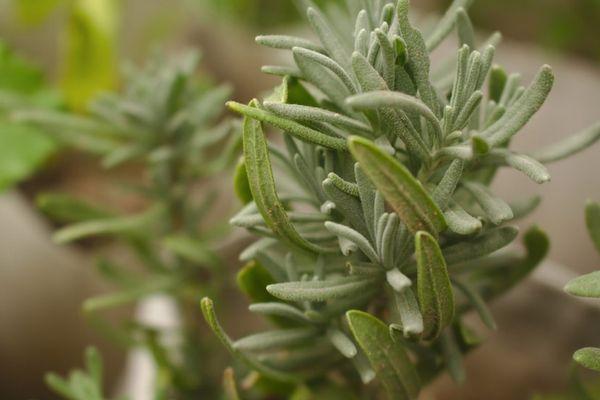
Vishnyakovsky Semko
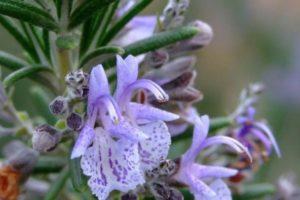
The plant is characterized by a tall growth (50 to 180 cm), small, dark green leaves, and bluish-purple flowers. At a temperature of -16It freezes out.
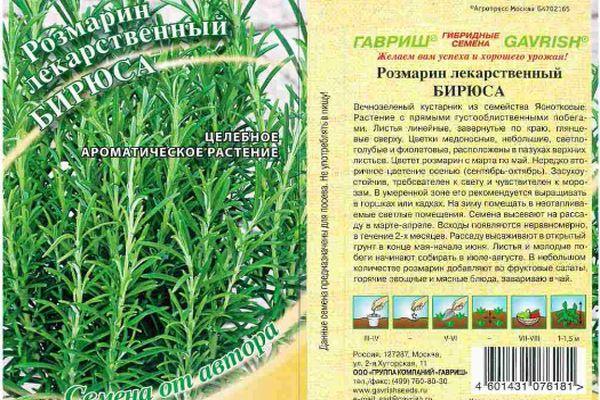
Rosemary Biryusa
A subshrub with dense, glossy leaves curled toward the edges. Small, axillary flowers are borne near the terminal leaves. Color ranges from light blue to purple. Drought-tolerant but sensitive to low temperatures. Overwinters in cool, bright locations.
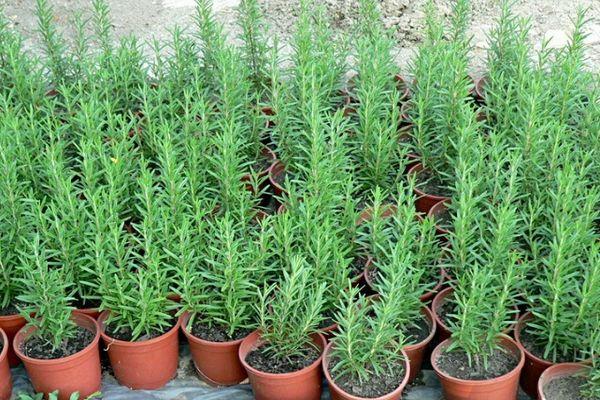
Rosemary Dewdrop
Low-growing bushes, up to 40 cm tall, with dark green leaves. This variety reaches maturity in two months. It is used as a medicinal plant and can be grown in flowerpots.
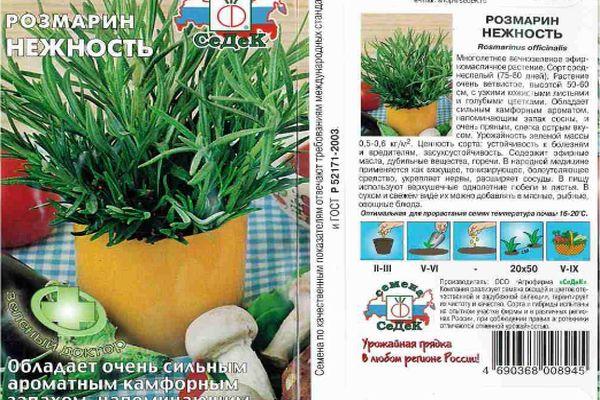
Rosemary Tenderness
An ornamental perennial with delicate blue flowers. The needle-like leaves reach 3-4 centimeters in length, changing from green to gray-blue in autumn. Requires a greenhouse to withstand low winter temperatures.
Take a look Also

Rosemary: Growing Methods
In agriculture and indoor cultivation, rosemary is grown by seeds, cuttings, division, and layering. All these methods are used for plant propagation in central Russia. The first method is only suitable for greenhouses. Cuttings, division, and layering are used to propagate the plant directly in the open ground.
Ready-made seedlings or young plants can be ordered from nurseries and online flower shops.
Sowing seeds
Sowing seeds begins in late February or early March. Before planting, prepare pots with potting soil and soak the seeds in clean water for 24 hours. Rosemary seeds are small, so they don't need to be planted too deep. Simply spread them on the soil surface, cover with soil, and spray thoroughly. For more comfortable conditions, simply cover the pots with perforated plastic and place them in a warm, bright room or greenhouse.
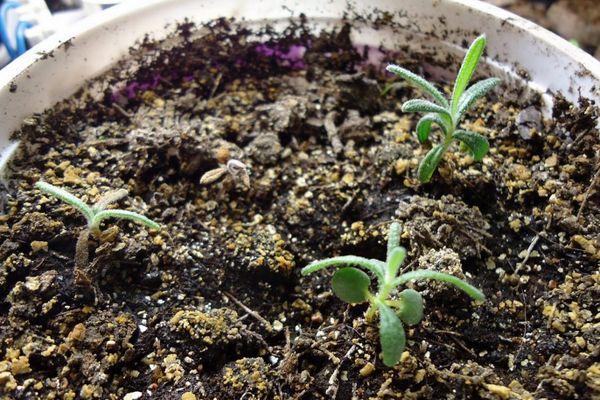
The seeds need to be sown densely, as they have a low germination rate and take a long time to germinate. Germination time depends on the rosemary variety. It may take 3-6 weeks for sprouts to appear. Seedlings are pricked out after the fourth true leaf appears.
Once the weather becomes consistently warm, the seedlings are planted in prepared beds in open ground.
Rooting cuttings
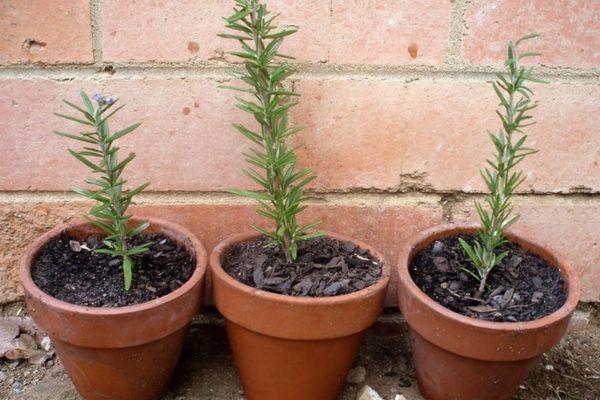
One of the ways to get new bushes rosemary - propagation by cuttingsThe tips of shoots cut in spring root well in prepared soil. To increase the survival rate of the cuttings and protect them from the cold, young shoots should be planted in small seedling pots.
Soil for rooting plants:
- store-bought substrate for seedlings;
- self-prepared soil mixture of black soil, sand, peat and humus.
Planting method
Dig holes up to 4 cm deep in pots filled with soil, insert the cuttings, lightly compact the soil, and water the plants. The plants will take root within a month. Cuttings can be grown hydroponically in nutrient solutions. After a month or a month and a half, the plants are planted outdoors, spaced 50 cm apart.
If you plan to grow rosemary as an annual crop, the distance between bushes can be reduced to 10 cm.
Planting dates
Planting of plants in open areas occurs in mid-May, early April, when spring frosts end and the air temperature rises to 5 degrees Celsius.
Planting rosemary
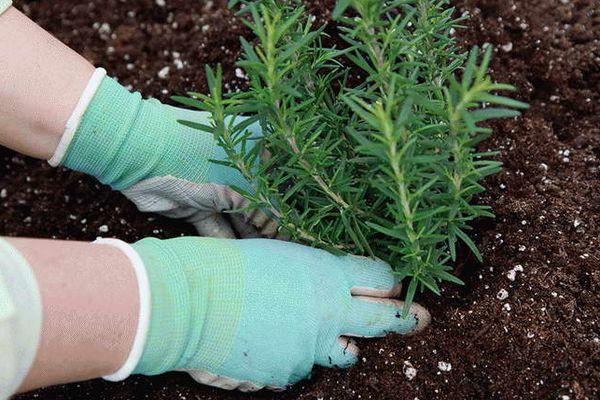
Before planting rosemary in the ground, prepare the soil by digging it over in the fall, loosening it, and adding organic or phosphate fertilizer. Smaller plants can be planted directly in flower beds, burying them in the soil. This planting method makes care easier. Before the cold weather sets in, the pots can be easily removed from the ground and moved to greenhouses.
Features of crop care
The plant is not capricious, but to get a good harvest, you need to follow certain agricultural practices.
Watering
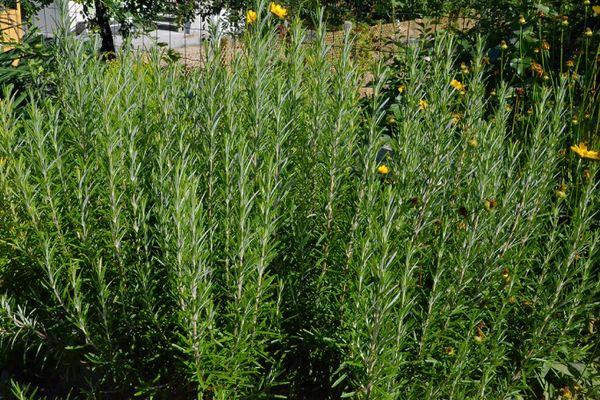
Rosemary requires moderate but regular watering. If it's not watered enough, its leaves will dry out, and if it's overwatered, it may drop them completely. Rosemary thrives in sunlight and warmth. Insufficient light will cause stunted growth and reduced marketability. Rosemary also dislikes drafts.
Top dressing
The resulting dried crust should be loosened, and weeds should be removed. Rosemary, thanks to its essential oils, is resistant to pests, but the plant does require fertilizer. Spring fertilization, to promote root development, is done with saltpeter (a nitrogen fertilizer). In the fall, phosphate fertilizers are recommended. Complex fertilizers are applied once a month. The dosage and choice of specific fertilizer depend on the soil quality.
Pruning bushes and temperature conditions
Pruning is necessary to rejuvenate the plant and form new shoots. If the plant is to be grown in the northern regions of central Russia, it should be brought into a greenhouse in low temperatures. If winter temperatures drop no lower than -10-15°C, C, the bushes need to be cut low, covered with spruce branches, sawdust, dry leaves, and garden film.
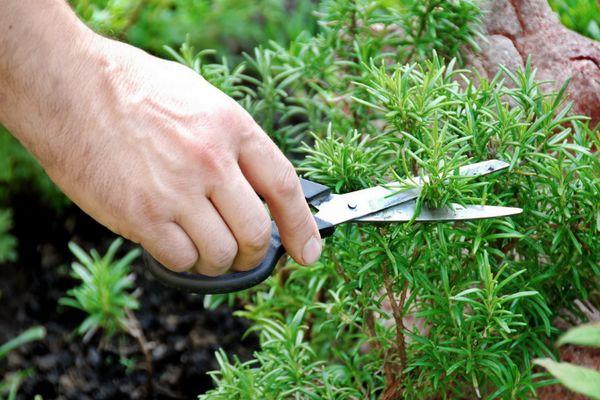
To prevent plants from dying during severe frosts, potted plants grown outdoors should be brought into a greenhouse. The optimal winter temperature in a greenhouse is 8°C (46°F).
Collection and storage
Harvesting occurs in July-August, before the plant blooms, in its third or fourth year. It is during this third year that rosemary accumulates its maximum concentration of essential oils. Young, fresh sprigs and leaves can be sold directly through retailers.

Young shoots yield valuable rosemary oil. The oil-making process is simple:
- Pour neutral, warm vegetable oil, such as olive oil, over whole, fresh sprigs;
- Place the prepared containers in a dark place for 5-6 weeks to allow the rosemary essential compounds to transfer into the base;
- strain the resulting oil and pour into dark glass containers;
- Store in a place protected from direct sunlight.
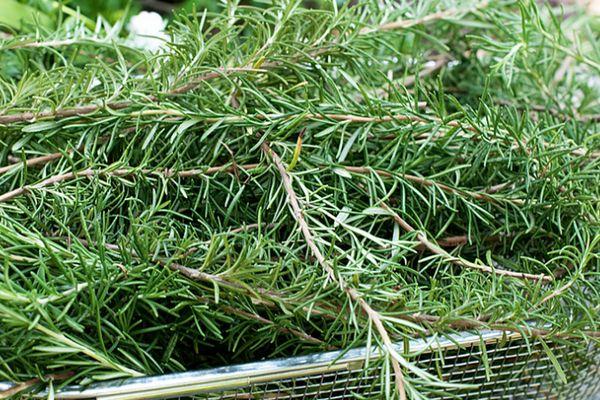
Purified essential oil is extracted through steam distillation. However, obtaining such a product without industrial equipment is impossible on a small farm.
Most of the raw materials are dried in air or in dryers at a temperature of about 40 C, then packaged in airtight bags or other containers. Dried leaves retain their culinary and medicinal properties for up to three years.
Rosemary is such a remarkable plant. With proper cultivation techniques, it delights with its yield and beneficial properties. Growing rosemary in central Russia is a fascinating, challenging, yet profitable endeavor.
Related posts:
 The medicinal properties and contraindications of rosemary for health, its benefits and harms
 How to grow rosemary at home on a windowsill in a pot from seeds and cuttings
 Planting and caring for rosemary in open ground, growing from seeds and propagation
 Types and varieties of rosemary, characteristics and beneficial properties of the plant, growing conditions
 How to grow and care for rosemary in the Leningrad Region and St. Petersburg
 The intricacies of growing rosemary outdoors in the Moscow region, planting and care
 How to grow and care for rosemary outdoors in the Rostov region
 How to cover rosemary in the open ground at your dacha for the winter, care instructions, and whether it needs to be pruned