
- Composition and benefits
- Nutritional value
- Vitamins
- Macronutrients
- Microelements
- Beneficial properties
- General for the organism
- For men
- For women
- For children
- During pregnancy
- For skin
- For hair
- Harm and contraindications
- Application areas
- Cooking
- Cosmetology
- How to choose the right one
- Peel color
- Smell
- Visual inspection
- Size
- Storage rules
Quince is considered a healthier fruit than apples or pears. Its fruit is used to treat viral illnesses, colds, and to strengthen the immune system. It also helps with upset stomachs, lowers cholesterol, and helps treat poisoning. Some historians claim that the "apple of discord" Paris gave to the goddess Venus was a quince, as apple trees did not grow there at the time.
Composition and benefits
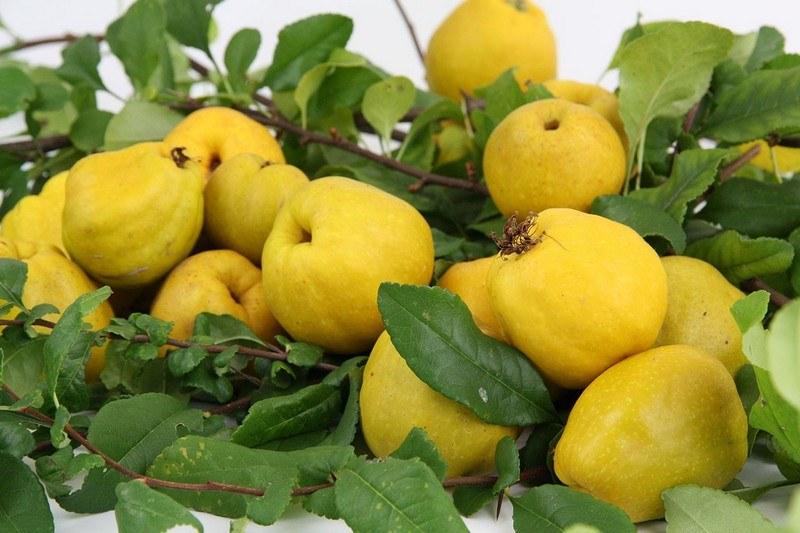
Quince fruit contains a large amount of fiber, which has a positive effect on the digestive system. It also contains many fruit acids. Quince is used in cosmetology, and its pulp is used to make facial masks. Its fruit contains:
- tannins;
- pectin and fiber;
- fructose;
- organic acids;
- essential oils.
Nutritional value
Raw quince contains 40 to 50 kilocalories, but different varieties can contain up to 60.
Energy value per 100 grams of fruit:
- water – 83.5 grams;
- proteins – 0.55 grams;
- fats – 0.4 grams;
- ash – 0.75 grams;
- carbohydrates – 11.5 grams;
- organic acids – 0.85 grams;
- dietary fiber – 3.2 grams.
Vitamins
Quince fruits contain various vitamins that are beneficial for health. Half a fruit can provide a person with:
- ¼ daily requirement of vitamin C;
- 3% vitamin E;
- 1/5 beta-carotene.
100 grams of fruit contain:
- niacin equivalent (PE) – 0.25 milligrams;
- beta-carotene (provitamin A) – 0.4 milligrams;
- thiamine (B1) – 0.03 milligrams;
- ascorbic acid (C) – 24 milligrams;
- tocopherol (E) – 0.39 milligrams;
- riboflavin (B2) – 0.45 milligrams;
- Vitamin A – 168 micrograms.
Macronutrients
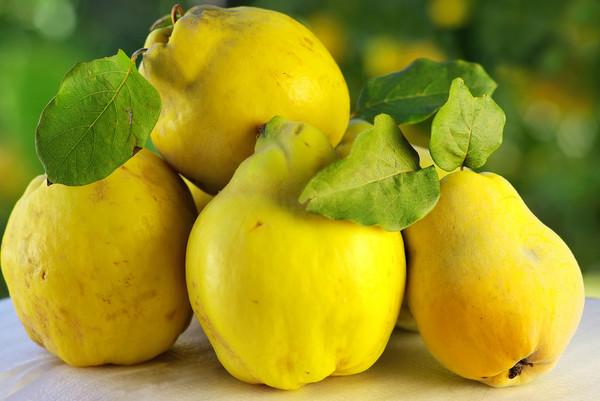
Quince contains essential macronutrients. Just half a fruit can provide the body with 1/6 of the required nutrients. 100 grams of the fruit contains:
- 14.1 milligrams magnesium;
- 14.2 milligrams sodium;
- 23.1 milligrams of calcium;
- 24.1 milligrams of phosphorus;
- 201 milligrams of potassium.
Microelements
100 grams of quince fruit contain almost 20% of the body's daily iron requirement (3.1 milligrams Fe). They also contain:
- 140 micrograms copper;
- 530 micrograms of aluminum;
- 9.5 micrograms of iodine;
- 40 micrograms of zinc;
- 97 micrograms manganese;
- 45 micrograms of fluorine.
Beneficial properties
Quince's beneficial properties are used in medicine and cosmetology. Its fruits were used to treat stomach problems and sore throats, as well as to stop bleeding and reduce inflammation.
General for the organism
Quince has beneficial effects on the body. When used correctly, it helps overcome intestinal, stomach, and vascular ailments. Quince fruits are used:
- to disinfect wounds and stop bleeding;
- Quince juice is used to improve the functioning of the heart and vascular system;
- to recover from illness and improve immunity;
- for problems with the stomach and intestines;
- for bronchial asthma;
- For coughs. The mucus obtained by shaking the seeds in water is used for treatment. This substance is also used in dentistry.
For men
Quince is used to prevent prostate cancer and heart problems in men. Its beneficial substances include:
- ascorbic acid, which helps to better cope with stress and increases potency;
- retinol, which helps improve the cardiovascular system and is used in the prevention of prostatitis;
- juice, poultices from which will help in the treatment of hemorrhoids;
- Nicotinic acid, which causes the production of male hormones to increase muscle mass and reduce the risk of blood clots.
For women
Women should take quince during menopause or while losing weight. During the premenstrual period, it will improve hormonal balance.
Its fruits are also able to maintain good health and help with self-care.
This fruit strengthens the nervous system. The pulp is used in face and chest masks.
For children
Children can be given quince as early as one year of age. It is recommended to use only the pulp of this fruit in desserts or baked goods. This diet strengthens the immune system, brain function, improves stomach and intestinal function, and aids in bone formation.
During pregnancy
Quince helps pregnant women with upset stomach and reduces swelling. Its iron content supplies the fetus with oxygen and prevents iron deficiency and anemia. Its low calorie content helps prevent weight gain.
For skin
Quince helps smooth wrinkles, tone and rejuvenate the skin, and help get rid of acne and pimples. When prepared correctly, it can be used for both dry and oily skin. Avoid applying quince products to the skin if you have any of the following contraindications:
- damage to the skin – abrasions or scratches;
- skin sensitivity;
- individual intolerance (allergy) to the fruit.

For hair
Quince's iron, zinc, and copper content improves circulation. These components improve blood flow to the hair roots and promote hair growth. Using quince masks and lotions will help strengthen your hair, eliminate oily roots, and nourish it with vitamins and minerals.
Harm and contraindications
Avoid raw quince and its juice if you have ulcers or are afraid of damaging the vocal cords. Quince is contraindicated in people with pleurisy, enterocolitis, chronic constipation, and a high susceptibility to allergies.
The seeds should not be eaten, broken, crushed or chewed, as they contain amygdalin (which causes poisoning).
Application areas
This fruit is used in home medicine and by dentists. It is also used in cosmetics, perfumes, and as a snack.
Cooking
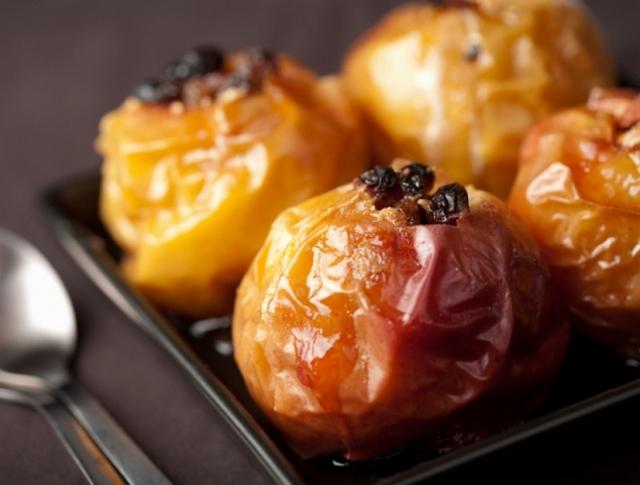
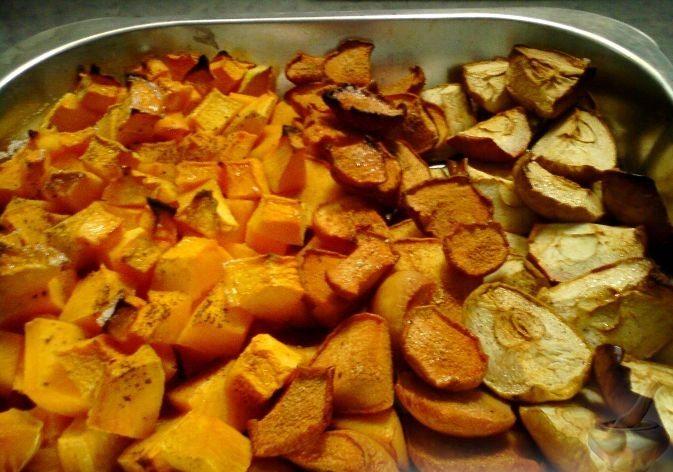
In cooking, quince is used in desserts or baked. After being soaked in hot water, it can be eaten raw. The fruit is used to make:
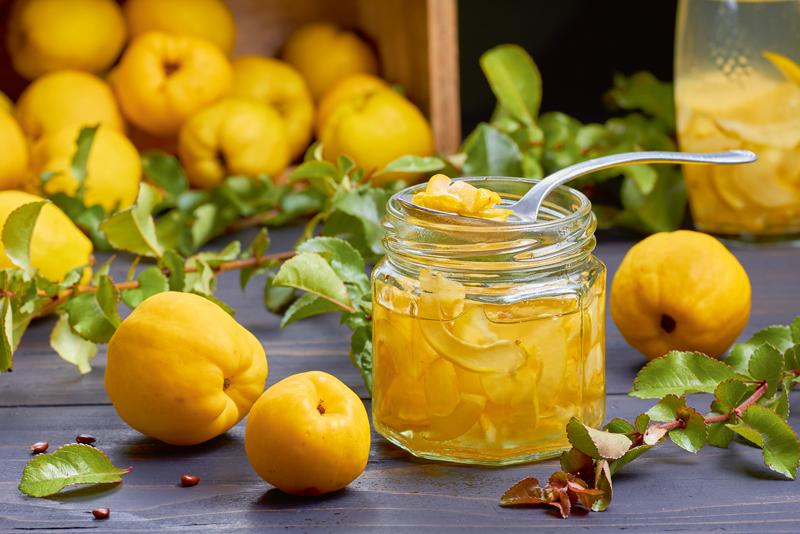
- jams;
- jam;
- jelly;
- candied fruit;
- marmalade;
- puddings.
To prepare one of the recipes you will need:
- 1 kilogram of ripe quince;
- 750 grams of sugar.
Method of preparation:
- Rinse the fruit and pat dry with a paper towel.
- Cut off the skin, stems and carefully remove the core.
- Cut the fruits into pieces.
- Place the pieces in a saucepan, add half a glass of water and cook for 15-20 minutes until softened.
- Make a puree out of them.
- Add sugar and cook for another 10 minutes.
You can also make pastila from it. To do this, you'll need 1 liter of honey and 1 kilogram of fruit.
Method of preparation:
- The quince needs to be cut into slices and the seeds removed;
- Boil it until soft and grate;
- Add liquid honey to the resulting mass and mix well;
- Cook over low heat until it stops sticking to the sides of the pan;
- Place on a greased baking sheet in a layer no more than 1 cm thick;
- Dry in the oven on both sides at a low temperature;
- Roll into a roll and serve.
Cosmetology
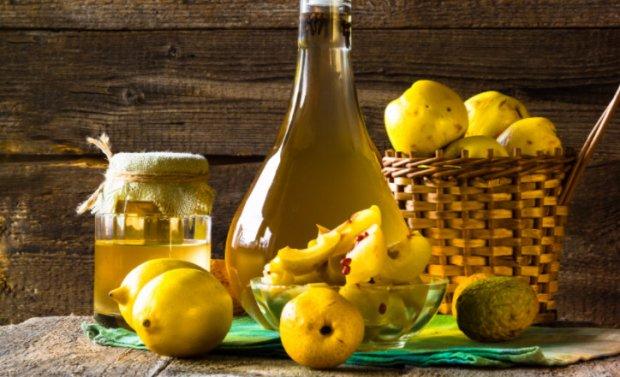
Quince is used to make masks, lotions, and scrubs for skin and hair care. For facial skin, masks with a toning or soothing effect are used:
- Aloe-based. Crush the pulp and mix 1 tablespoon of the resulting puree with two teaspoons of aloe gel. Apply the resulting mixture to your face and rinse with cold water after 15 minutes. This recipe is suitable for oily skin.
- Add yolk and cream. Mix the pulp with yolk and cream in equal proportions. Apply to skin and rinse with warm water after 15-20 minutes. Wipe your face with a tissue. Use on dry skin.
- Quince with oatmeal. Mix 2 tablespoons of quince pulp, 1 tablespoon of oatmeal, and 2 tablespoons of warm milk. Apply to areas with pimples or acne. Rinse with cold water after 15-20 minutes.

How to choose the right one
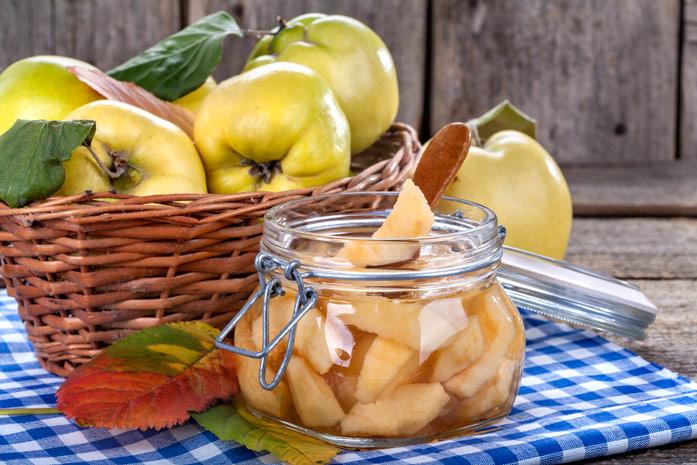
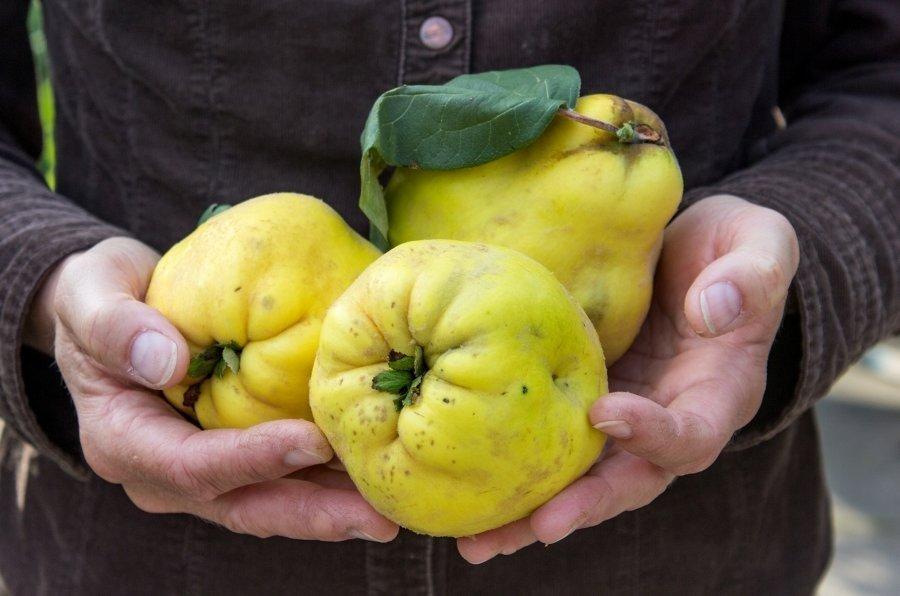
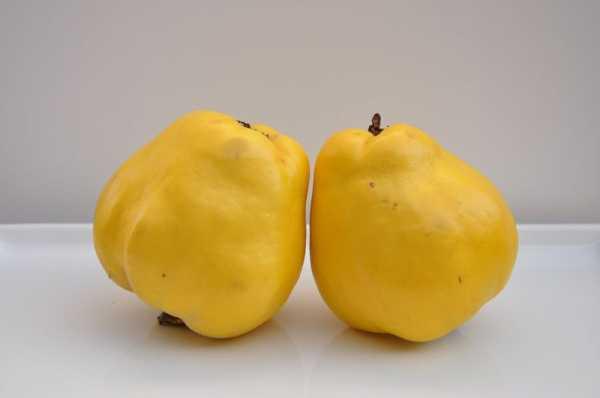
Quince looks like an oblong apple or pear. It has firm flesh and a sweet and sour flavor. Avoid unripe or overripe fruits. It's not recommended to eat quince raw. Instead, soak it in hot water, boil it, or bake it.
Peel color
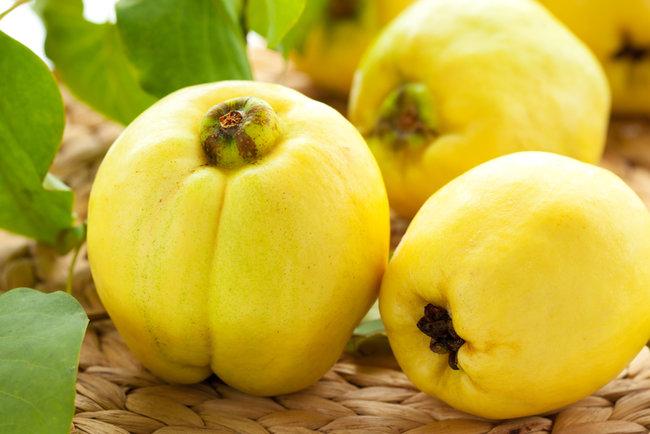
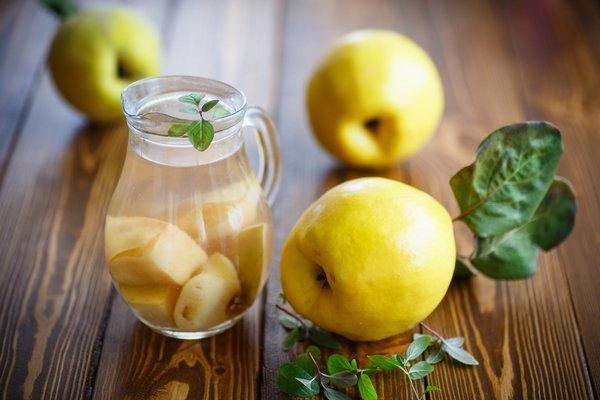
Quince skin is light or darker yellow. Some varieties can have a red or green tint. Quince fruits are also covered in hairs and have an uneven surface. Dark spots on the skin indicate that the fruit has begun to spoil or rot.
Smell
Quince fruit aromas vary depending on the variety. Japanese quince, when in bloom, smells like rose hips or roses. The fruit of some varieties may have the following aromas:
- almonds;
- citrus;
- pine needles;
- apples;
- pears.
If the fruit is not ripe, it will not smell of anything.
Visual inspection
When selecting fruit, check for cuts, bruises, and parasites. Choose fruit with a richer skin color. This is a sign of ripeness. It also shouldn't be sticky or shiny like wax. If the fruit feels too soft when pressed, it's overripe.
Size
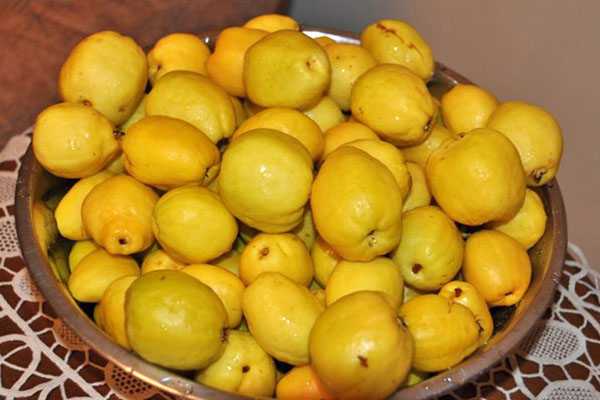
Quince is similar in size to large apples. It can reach over 14 centimeters in diameter. The fruit's weight varies depending on the variety and can exceed 260 grams. It's best to choose smaller fruits, as they are sweeter.
Storage rules
To store quince in the refrigerator you should:
- set the temperature to no higher than 4 °C;
- clean the fruits from seeds, peel and cut them into pieces;
- Place in the refrigerator and cover with cling film.
The freezer also requires:
- pack the quince in an airtight bag and remove the air from it;
- put it in the freezer for 1 day;
- Transfer it to a container and cover it with film, after which you can continue to store it in the freezer.
To store fruit in a cellar you need:
- select fruits without damage or spots;
- wipe them (do not wash them to avoid damaging the skin);
- rub with wax or oil;
- sprinkle the fruits with sawdust or wrap them in paper;
- Maintain a room temperature close to zero and air humidity no more than 80%.
To ensure quince retains its flavor and aroma, it should not be stored near pears.
Related posts:
 Planting and caring for Japanese quince in open ground, growing and propagating
 The most delicious recipes for making quince jam for the winter, in slices and whole
 The best eggplant varieties for growing in a polycarbonate greenhouse: planting and care
 The best grape varieties for growing in the Urals, planting and care rules in summer
 80 Best Eggplant Varieties for Different Regions with Descriptions and Characteristics
 What are the benefits and harms of tangerine for the body, rules of consumption
 The health benefits and contraindications of black currants
 Descriptions of the 20 best cherry varieties for the Moscow region, their planting and care