
- Description and Features
- Review of popular varieties
- Malardi
- Gaillardi
- Papelya
- Nivalis
- Nikolina
- Diamond
- Holland
- Vesuvius
- Pink Lady
- Simone
- Rubra
- Crimson and gold
- How to plant in open ground
- Choosing a location
- Recommendations for choosing deadlines
- Soil requirements
- Preparing the site and planting hole
- How to select and prepare planting material
- Planting diagram
- Care instructions
- Watering mode
- Top dressing
- Garter
- Trimming
- Preparing for winter
- Crown formation
- Methods of reproduction
- Layering
- Root suckers
- Cuttings
- Seeds
- Graft
- Diseases and pests
- Regional cultivation features
- Middle zone
- Krasnodar Krai
- Crimea
- Urals and Siberia
- Moscow region
- Difficulties of growing
- Harvesting and storage
- Use of fruits
- Application in landscape design
Growing Japanese quince is a simple and rewarding process. By following proper cultivation techniques and basic care, you can reap a bountiful harvest. And if you harvest and preserve the fruit at the right time and properly, you'll be able to enjoy these healing fruits throughout the winter.
Description and Features
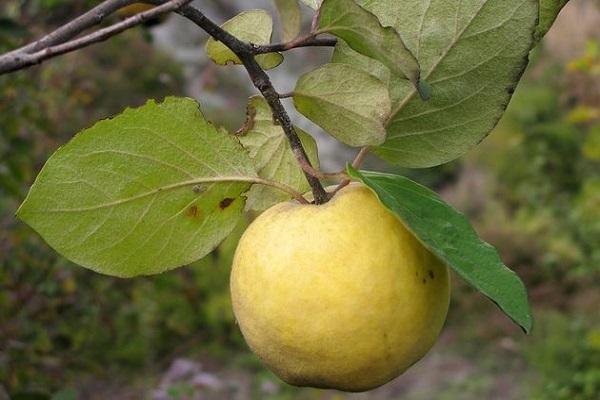
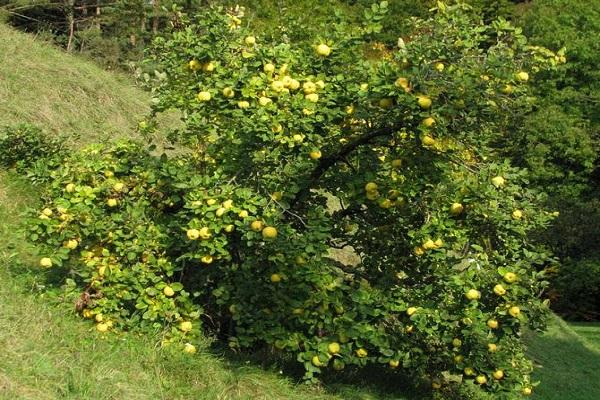
Japanese quince, or Chaenomeles japonica (of the Rosaceae family), is a spreading shrub, growing to a height of no more than 3 meters. It produces thorny, arching shoots and small, glossy, dark green foliage. In May, the bush is adorned with ovoid or rounded flowers, ranging in color from pink to orange-red.
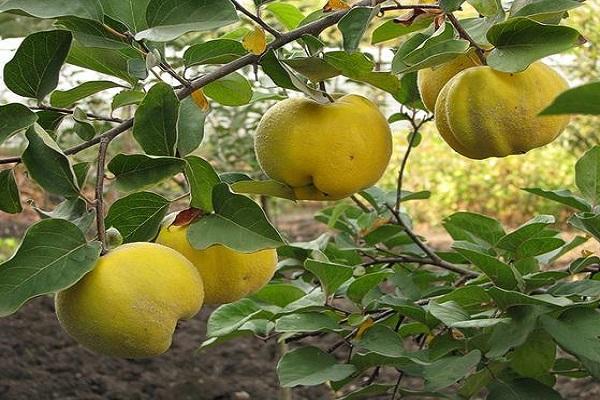
The plant begins bearing fruit in the third or fourth year after planting. Japanese quince is renowned for its fruits, which ripen in September and October. The fruits are medium-sized, apple- or pear-shaped, and contain numerous brown seeds. When eaten fresh, they have a slightly tart flavor, but when cooked, the flesh turns pink, sweet, and has a puree-like texture.
Tip! Japanese quince is considered a cross-pollinated plant, so for a good yield, plant 1-2 plants nearby..
The ornamental Chaenomeles is as popular among gardeners as the Chinese Quince, as it can serve as a decoration for any garden plot, a source of vitamins and minerals contained in the plant's medicinal fruits, and is undemanding to growing conditions and requires little care.

Review of popular varieties
Among the popular varieties of Japanese quince that have earned praise from experienced gardeners are the following.
Malardi
A luxurious shrub up to 1 m tall with a spreading crown. Its dark green, glossy foliage and orange flowers edged with white have made Malardi extremely popular.
The Japanese quince variety is immune to diseases and retains its decorative appearance throughout the season.

Gaillardi
A bush up to 1 m tall, forming a lush, spreading crown. Japanese quince is adorned with dark green leaves and large orange flowers. The fruits are firm, medium-sized, with a sweet and sour taste.
The variety is not susceptible to diseases and pests; the plant is frost-resistant, but sensitive to spring frosts.
Papelya
A beautiful shrub up to 1 m tall with a lush crown. The flowers are yellow with a pink border along the petal edges. The fruits are often inedible due to the hard, sour flesh.
The Japanese quince variety is frost-resistant, but shoots may partially freeze and flowers may be damaged by spring frosts.

Nivalis
A 2-meter-tall bush with a spreading crown of trailing shoots. The foliage is glossy, dark green. The flowers are white, medium-sized, 2-3 cm in diameter. The fruits of the Japanese quince are firm, apple-shaped, and yellow. The flesh is slightly juicy, with a sweet-sour, tart flavor.
The variety has average frost resistance, requires shelter for the winter, and can withstand adverse climatic conditions.
Nikolina
A striking shrub with a spreading crown, reaching up to 1.2 m in height. During flowering, it impresses with large, bright scarlet flowers. The Japanese quince delights with its bright yellow fruits, distinguished by their aroma and unique biochemical composition.
The variety is frost-resistant and is not susceptible to various diseases or harmful insects.

Diamond
A dense shrub growing to 1.5 m in height. The foliage is bronze-green, and the apple-shaped fruit is yellow-green, weighing 45 g and measuring 3-5 cm in diameter.
The Japanese quince variety tolerates drought and frost well, but in cold winters with little snow, shoots can be damaged by frost.
Holland
A beautiful tree or shrub reaching up to 1.5 meters in height. The plants are covered with oblong green leaves with slightly serrated edges. It captivates the eye with its large, orange-red inflorescences. It is prized for its firm, apple-shaped, yellow fruits.
A variety with average frost resistance and high decorative value.

Vesuvius
This spreading bush can grow up to 1 m in height and boast a crown up to 1.5 m in diameter. Japanese quince captivates with its bright red flowers up to 3 cm in diameter. The fruits are firm and yellow-green.
The variety is popular due to its frost resistance and resistance to diseases and dangerous pests.
Pink Lady
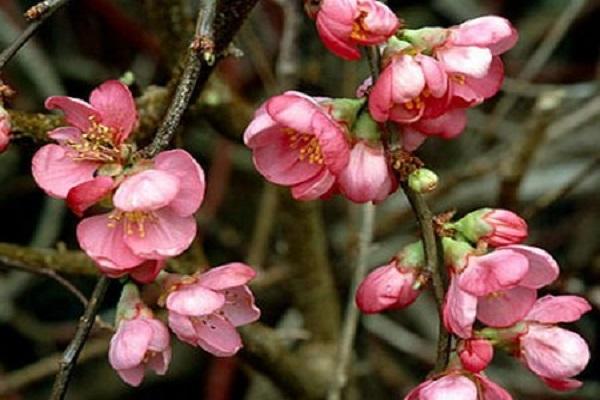
A deciduous shrub up to 1.2 m tall, with thorny, curved branches and a spherical, widely branched crown. Japanese quince foliage is oval, glossy, slightly wavy, and bright green. Flowers are pinkish-scarlet with a vanilla tint, blooming in late May. The fruits are yellow with a golden hue.
The Pink Lady variety is frost-resistant, undemanding in care, and can withstand adverse climatic conditions, although the flowers are sometimes sensitive to spring frosts.
Simone
A graceful, ornamental shrub up to 2 m tall with dense, thorny branches. It impresses with its velvety red flowers and pear-shaped, yellow-green fruits.
The Japanese quince variety is characterized by its decorative qualities, therefore it is widely used in landscaping of home areas and summer cottages.
Rubra
A graceful, dense shrub up to 2 m tall with a spreading crown. The oval leaves are dark green above and gray-green below, up to 12 cm long. The flowers are medium-sized, purple-red. Japanese quince is prized for its apple-shaped, yellow fruits, which weigh from 20 to 130 g, are 8 cm in diameter, and apple-shaped. The flesh is not very juicy, with a tart, astringent, sweet-sour taste.

This variety has average winter hardiness, is drought-resistant, decorative, fits well into any style and creates the right atmosphere in the garden.
Crimson and gold
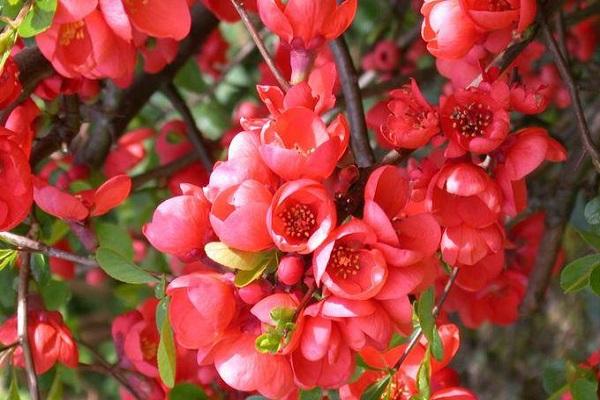
This branched shrub, up to 1.5 meters tall, forms a spreading crown. Its small, dark green foliage, red flowers with yellow stamens, and edible, yellow apple-shaped fruits are eye-catching.
The Japanese quince variety is noted for its ease of care; it can suffer from frost in harsh winters, but recovers quickly.
How to plant in open ground
Planting Japanese quince is considered a very important and responsible procedure, since both the qualitative and quantitative indicators of the crop's yield depend on the measures taken.

Choosing a location
Japanese quince is a sun-loving plant. In the shade, the shrub grows poorly and rarely blooms. It is drought-resistant but requires moderate moisture, avoiding stagnant water. When choosing a location, it's best to choose sunny areas on the south side of buildings or corners protected from strong winds and severe frosts.
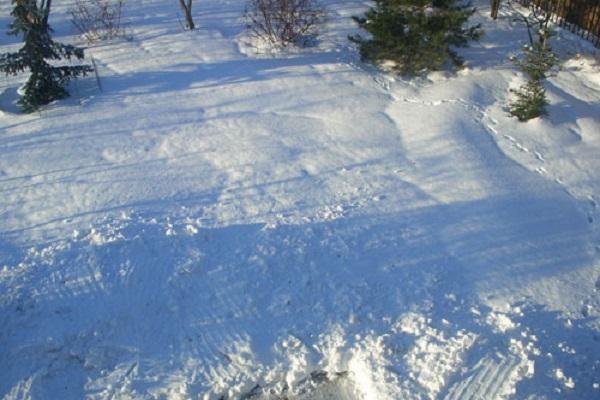
Tip! Snow should accumulate in the area where the plant grows in winter; this will help protect the annual shoots from frost damage..
Recommendations for choosing deadlines
Planting is best done in the spring, before the sap begins to flow. Fall planting is also common, but there's a high risk that the plant won't have time to adapt to its new location before frost sets in.
Soil requirements
The key to successful flowering and longevity of Japanese quince is light, sandy loam or loamy soil, rich in humus, with a slightly acidic reaction. Soil composition should be free of salinity and limestone inclusions.
Preparing the site and planting hole
Prepare the site for planting Japanese quince in advance. If planting is planned for spring, do it in the fall. To do this, remove all weeds from the selected area and keep the soil clean until planting time. Also, dig the soil thoroughly.
The planting hole size should be appropriate for the root system of the seedlings. Standard parameters are: a diameter of approximately 50 cm and a depth of 50 cm to 1 m. Chaenomeles does not respond well to stagnant water, so add a 20 cm-thick drainage layer of broken bricks, sand, and pebbles to the bottom of the hole. Form a mound of prepared soil mixture on top. To do this, add leaf mold, sand, and peat to the soil removed from the hole.
Add potassium-phosphorus fertilizers at a rate of 40 g per 1 m2. Enrich the planting hole with the resulting soil mixture, which is loose, nutritious, and also allows air to pass through well and retains moisture.
How to select and prepare planting material
Two-year-old Japanese quince seedlings with a closed root system are considered good planting material. Open-root seedlings should be healthy, strong, with an intact crown and as many intact roots as possible. Soak these in water for 2-3 hours before planting, then remove any dry, damaged, or rotted roots.
Planting diagram
When planting Japanese quince, you should adhere to the planting pattern: maintain a distance of 2 m between rows, and within a row, maintain a distance of 1-1.5 m between bushes.
Stages of the planting process:
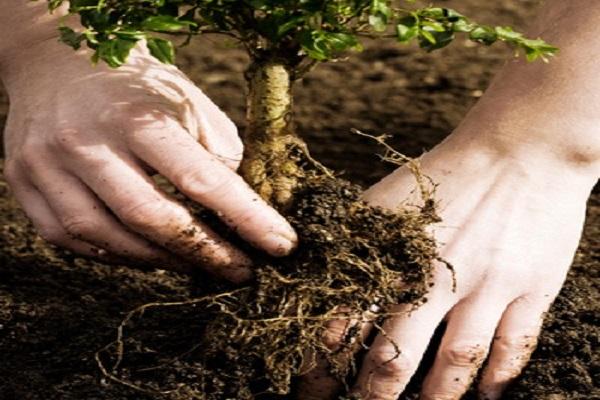
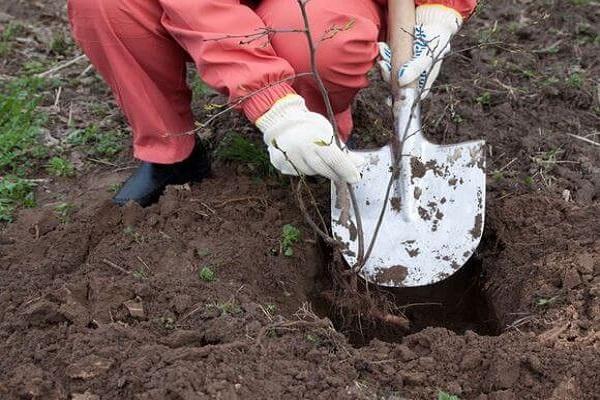
- Plant the seedling in a pre-dug hole and fill it with fertile soil. The root collar should be level with the soil. It's important to keep this in mind, as planting the seedling too deeply will reduce yield.
- Water generously and mulch with a thick layer of peat or humus to prevent moisture from evaporating quickly.
- Trim the seedling, leaving a height of up to 20 cm to stimulate growth and branching.
If all planting processes are carried out correctly, the beautiful Japanese quince bush will delight you with luxurious flowering and abundant fruiting for 50-70 years.

Care instructions
Important criteria for growing a bush, which directly affect its decorative appearance, lush flowering, and abundant fruiting, include proper care, which consists of standard measures such as watering, fertilizing, loosening the soil, controlling weeds, diseases, and pests, and preparing for winter.
Watering mode
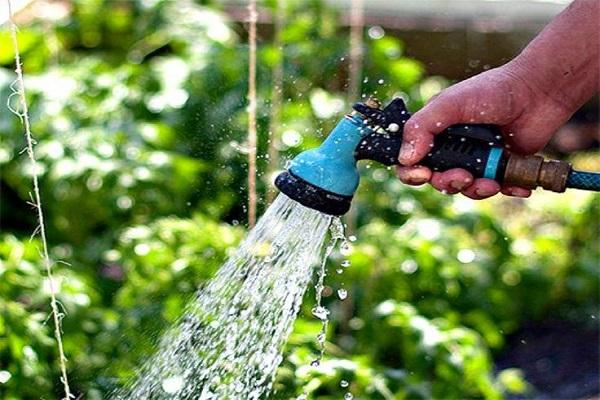
When caring for the Japanese quince, it's important to maintain soil moisture. Only young plants require intensive watering. Later, the bushes should be watered moderately. In the spring, it's important to awaken the Japanese quince with a moisture-recharging irrigation. In the summer, watering is only necessary during prolonged periods of dry weather.
And in the fall, when the quince fruits ripen, the amount of irrigation must be reduced.
Top dressing
To produce luxurious specimens with lush, blooming crowns, Japanese quince requires adequate nutrition. Young plants should not be fertilized during the first year after planting to avoid burning their fragile roots. Subsequently, fertilize in the spring, before flowering, using nitrogen spread over the soil surface; in the summer, enrich the soil with organic matter and minerals; and in the fall, apply potassium-phosphorus fertilizers.
Important! Fertilizing Japanese quince requires attention depending on the growing region and soil conditions..
Garter
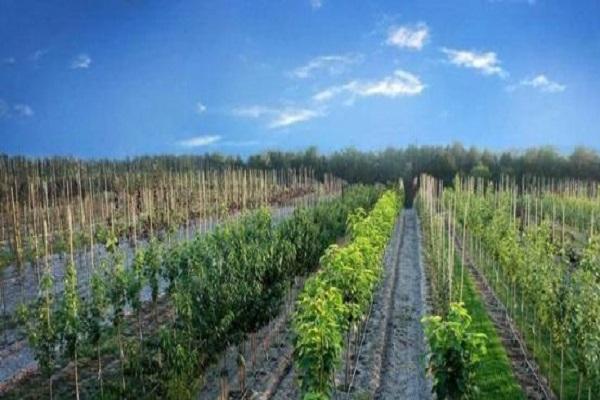
During flowering, young creeping shoots of Japanese quince should be lifted and tied to supports to allow the full beauty of this ornamental plant's blossoms to be seen. As the trunks mature, they become more stable, and the need for support disappears.
Trimming
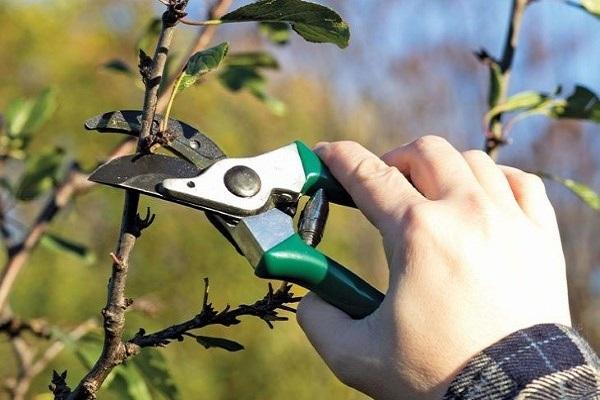
In the spring, it's recommended to perform sanitary pruning, removing all dry, damaged shoots. This will promote rapid recovery of the Japanese quince after the harsh winter. Treat all cut areas with garden pitch.
Rejuvenation pruning should be performed when the plant reaches 8-10 years of age. The signal to perform this procedure will be a decrease in annual growth. To begin, thin out the Japanese quince bush, removing weak, thin, and elongated branches, leaving 10-15 strong shoots.
In the fall, when the plant sheds its leaves, sanitary pruning is essential. Remove damaged and dried branches from the Japanese quince, as harmful insects can overwinter there. If diseased shoots are found, prune them, making cuts on healthy wood.
Preparing for winter
The older the Japanese quince bush, the better it can withstand the full range of adverse winter conditions. Younger bushes require more care and protection. To prepare your Japanese quince for winter, several steps must be taken:
- remove fallen leaves;
- get rid of spores of pathogenic microbes by spraying with appropriate preparations;
- mulch the tree trunk circle with humus;
- cover young specimens with spruce branches or fallen leaves;
- Low-growing varieties can be protected by covering them with wooden or cardboard boxes;
- After the snow falls, cover the quince with it.
Time spent caring for your Japanese quince bush in the fall will be repaid a hundredfold the following year, with the plant thanking you not only for its healthy appearance but also for its larger harvest.
Crown formation
To maintain a beautiful shape, the plant should be trained starting at 4-5 years of age, beginning in early spring. To prevent the Japanese quince bush from becoming too sprawling, trim some of the root suckers annually. When pruning, leave shoots that grow horizontally, 20-40 cm above the ground, and remove any stems that trail along the ground or grow vertically.
Methods of reproduction
If you want to increase the number of Japanese quince bushes, it is better to resort to effective methods of propagation of the crop.
Layering
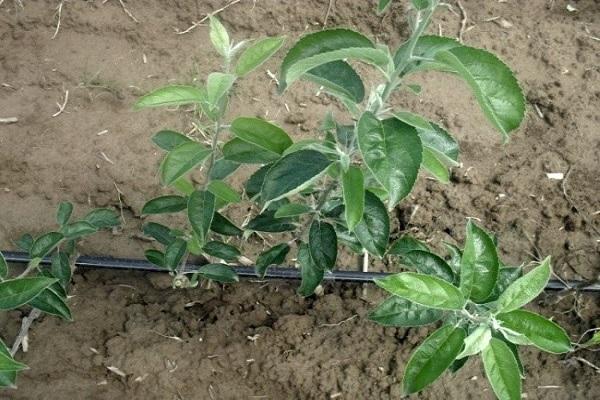
Japanese quince can also be propagated by layering. To do this, in summer, plant the lower young shoots in holes under the bush to a depth of no more than 8 cm. Fertilize the holes with humus and micronutrients beforehand. Then pin them down and cover with soil. Regularly moisten and mulch the soil as the roots develop. By spring, roots will form, and in the fall, separate the plants from the parent bush and replant them in their designated area.
Root suckers
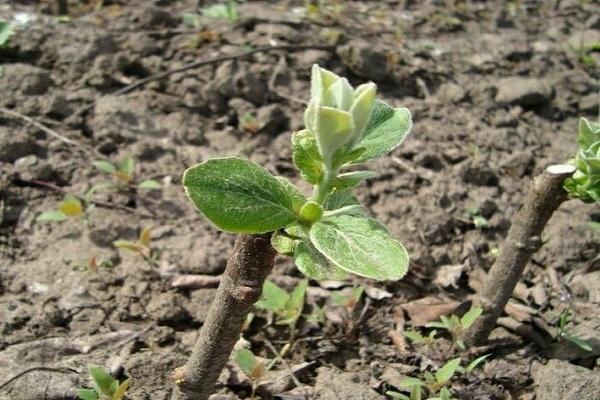
Japanese quince produces numerous suckers. These cause the shrubs to spread out, thereby allowing for natural propagation. In spring, select shoots at least 0.7 cm thick and 12 cm tall should be dug up and planted in the ground, maintaining a distance of 1 m between each planting. To ensure rapid rooting, provide proper care, including thorough watering and sprinkling the soil around the trunk with sawdust.
The disadvantage of this method of propagation is that the plant has a weak root system and in the first years produces fruits that are small in size.
Cuttings
Propagating Japanese quince from cuttings is also recommended. To do this, in late June, harvest young, non-woody shoots from the best bushes and cut them into 5-7 cm long cuttings. Plant them in a soil mixture containing equal parts peat and sand, spacing them 5 cm apart. Keep the soil moist during rooting, misting regularly with a spray bottle. They can be replanted in the spring.
Seeds
In gardening, when growing Japanese quince, good results are achieved by sowing seeds, which involves several stages:
- For planting, use store-bought seeds or extract them yourself from ripe fruit. Then, store them in a cool place, first placing them in a damp plastic bag filled with sand, until planting in late February or early March.
- Spread the prepared seed material over the surface of the soil mixture, consisting of peat and fine vermiculite in equal proportions, and sprinkle with soil.
- Cover the container with plantings with film, making small holes in it to ensure good air circulation.
- For successful seed germination, constant moisture and sufficient light are required.
- When the sprouted seeds reach the transplanting stage, they can be divided into separate large pots or planted directly into open soil.
When propagating Japanese quince using seeds, the fruits will only bear fruit in the 5th year after planting.
Graft
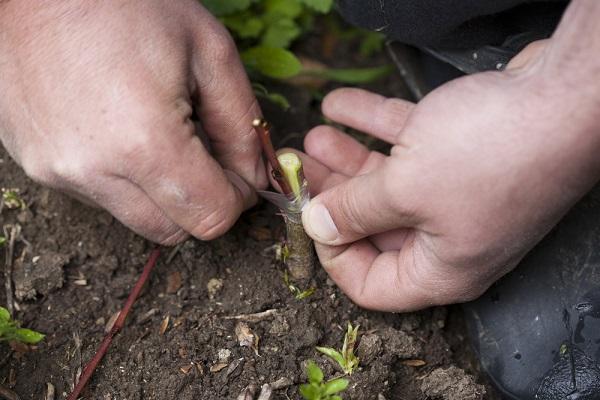
A common method of propagating Japanese quince, it preserves the qualities of the mother plants. By mastering the grafting technique, you can create an unusual garden with unique flora. Grafting is performed before the growing season begins, when the plant is dormant. The process should begin in late March or early April, depending on weather conditions, and continue until the growth buds begin to open.
Tip! Quince, apple, or pear can be used as rootstock..
Diseases and pests
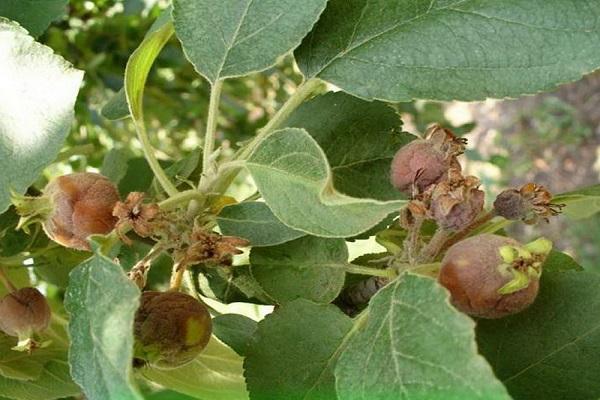
Japanese quince demonstrates resistance to diseases and pests. However, like all plants, it is not immune to diseases such as:
- leaf necrosis, which manifests itself as a grey coating along the edges of the leaves, which then spreads over the entire surface, resulting in the leaf drying up and falling off;
- Cercosporiosis, which can be diagnosed by dark brown round spots on the leaves, which become lighter over time and lead to leaf fall;
- Ramularia, the appearance of which is indicated by brown spots on the leaves.
Spraying plants with solutions of copper sulfate or Fundazol is effective in combating diseases.
Japanese quince bushes are a favorite target for scale insects, spider mites, and aphids. To prevent the plant from becoming a hotspot for insects, protective measures should be implemented throughout the season, including a comprehensive care program, garden sanitization, and soil tillage around the trunk.
Regional cultivation features
When cultivating Japanese quince, it's important to consider regional factors. While the heat-loving Japanese quince shrub prefers regions with mild, equable climates and can withstand temperatures down to -30°C (-82°F), it is susceptible to spring frosts, which can result in the freezing of flower buds and annual shoots.
Middle zone
Thanks to the variety of varieties resistant to severe frosts, this crop is grown not only in the south but also in the central part of the country. Early-ripening varieties are used, which ripen before the cold weather sets in. In these regions, the Japanese quince harvest can begin as early as the first days of September.

Krasnodar Krai
In the foothills of the Krasnodar Krai, not only early-ripening but also late-ripening varieties and hybrids are easily cultivated. Harvesting can begin from mid-October to early November.
Crimea
In southern latitudes, where warm weather lasts for a long time, Japanese quince grows as a large shrub that, if not vertical, then spreads widely, as it thrives here. Early, mid-season, and late-season varieties are cultivated in these latitudes. Fruit harvest begins in mid-September and ends in mid-October.
Urals and Siberia
Japanese quince can also beautify gardens in the Urals and Siberia thanks to its high frost resistance. Gardeners in these regions use the earliest varieties and winter-hardy species. Harvesting occurs in the first and second ten days of September. When growing the quince for the winter, it is important to insulate the plant using any breathable covering material or spruce branches.
Moscow region
The soil and climate of the Moscow region require a responsible approach to choosing quince varieties. When choosing varieties for planting in the Moscow region, it's best to choose low-growing, interspecific hybrids that demonstrate frost resistance.
Japanese quince bushes can survive the winter without additional cover, but in harsh and snowless winters, both fruit buds and young shoots may be damaged.
Difficulties of growing
Japanese quince is an easy-to-grow crop, but even experienced gardeners sometimes encounter problems when growing it. In most cases, these problems are caused by improper care, soil conditions, and climate. Before attempting to remedy the situation, it's recommended to analyze all the issues:
- Poor growth of Japanese quince bush may be due to unsuitable soil or poor quality planting material.
- If the plant does not produce fruit, this problem can be solved by planting another quince, preferably a different variety, or by grafting it onto the same bush.
- Excessive watering and close proximity to groundwater can cause fruit to fall off.
- If the Japanese quince does not bloom, it means that its buds may have been damaged by spring frosts.
- When leaves turn yellow, groundwater, or more precisely, its high level, may be to blame.
Therefore, even with such an unpretentious plant, some difficulties may sometimes arise.
Harvesting and storage
Japanese quince fruits are harvested in September–October, depending on the variety. It's important to harvest before frost sets in. A single bush can yield 1–2 kg, and with proper care, up to 3 kg.
This fruit has good shelf life and, if properly stored, does not lose its flavor or commercial qualities until spring.
Long-term storage of fruits can be ensured by maintaining an optimal temperature of 0 to 1 degrees Celsius. Storage at higher temperatures—up to 8 degrees Celsius—is also acceptable, with humidity levels of 80-90 percent.
To ensure that the Japanese quince harvest retains its appearance and flavor for as long as possible, each fruit should be wrapped in paper, layered in cardboard boxes, and placed in a cool room.

Use of fruits
The value of Japanese quince stems from the beneficial substances it contains, which help comprehensively strengthen and restore bodily functions and stabilize vital systems. Its use is associated with improved well-being and rapid recovery, due to:
- increases immunity and supports the body's vitality in complex therapy for the treatment of chronic diseases;
- strengthens the walls of blood vessels, prevents the formation of cholesterol plaques;
- has a choleretic effect, normalizes the functioning of the gallbladder;
- destroys pathogenic intestinal microflora and frees the body from waste, toxins and other dangerous substances;
- increases performance, eliminates the feeling of fatigue.
Despite its many medicinal properties, Japanese quince also has some contraindications:
- individual intolerance;
- tendency to develop allergies;
- gastric ulcer;
- chronic constipation.
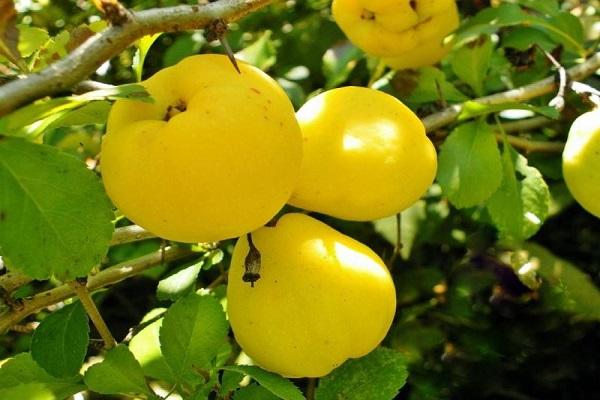
When consuming, it is important to remember that the seeds contain amygdalin, a substance that can cause severe poisoning, and that eating the fruit can sometimes lead to loss of voice and problems with the vocal cords.
Japanese quince has found wide application in cosmetology, as its properties cleanse, tone, and refresh the skin, lighten freckles, relieve puffiness, reduce the signs of aging, and improve the condition of hair.
In cooking, the fruit is used to make aromatic jams, marmalades, preserves, and candied fruits. Quince can also be used as a substitute for lemon when brewing tea.

Application in landscape design
With its beautiful spreading branches, small green foliage, luxurious bright flowers, and amazing fruits, Japanese quince is considered a popular ornamental plant. Its appearance can liven up a monotonous garden landscape.
This plant is widely used in gardens to create hedges, flowering borders, and the base of rock gardens. Japanese quince looks spectacular in the garden when planted alone, alongside perennial shrubs, or in groups with ornamental shrubs.
Related posts:
 What are the health benefits of quince, its medicinal properties, and contraindications for the body?
 Description of Japanese cabbage varieties, cultivation and care features
 The most delicious recipes for making quince jam for the winter, in slices and whole
 The benefits and harms of Daikon radish for the human body, medicinal properties and contraindications
 The best eggplant varieties for growing in a polycarbonate greenhouse: planting and care
 Description of the Japanese Rose tomato and recommendations for growing the plant
 How to properly plant peas in a greenhouse and open ground
 How to propagate and grow peas, cultivation technology, and care in open ground