
- History of the Uslada apple tree breeding
- Pros and cons of the variety
- Characteristics and description
- Tree dimensions
- Shoot-forming ability
- Fruiting
- Flowering and pollinators
- Ripening time and harvest
- Tasting evaluation and yield
- Resistance to low temperatures
- Immunity to diseases
- Soil and climate requirements
- Varieties and subspecies
- Columnar
- On a dwarf rootstock
- On clonal rootstock
- Planting technology
- Preparing the site and seedlings
- Apple tree planting patterns
- Disembarkation times and rules
- What to plant next to it?
- How to care for the variety
- Watering
- Top dressing
- Loosening and mulching the soil
- Formative pruning
- Preventive treatments
- Shelter for the winter
- Gardeners' reviews of the variety
- Conclusion
Some residents of the central regions plan to grow apples. The Uslada apple variety is considered the most suitable for this region. Before growing this plant, it's important to familiarize yourself with its key characteristics.
History of the Uslada apple tree breeding
This variety was developed in the early 1960s at Moscow's Lomonosov University. The development of the new variety took several years, and it wasn't until 1965 that Uslada, now grown by many summer residents and gardeners, was born.
Pros and cons of the variety
The main advantages of the plant include the following:
- resistance to temperature changes;
- immunity to scab and fungal diseases;
- early ripening of the crop;
- long-term storage of collected fruits;
- high yield.
The main drawback of Uslada is its high maintenance requirements. It requires regular watering, feeding, and pruning.
Characteristics and description
Before planting Uslada in the garden, you need to understand the description and characteristics of the variety.
Tree dimensions
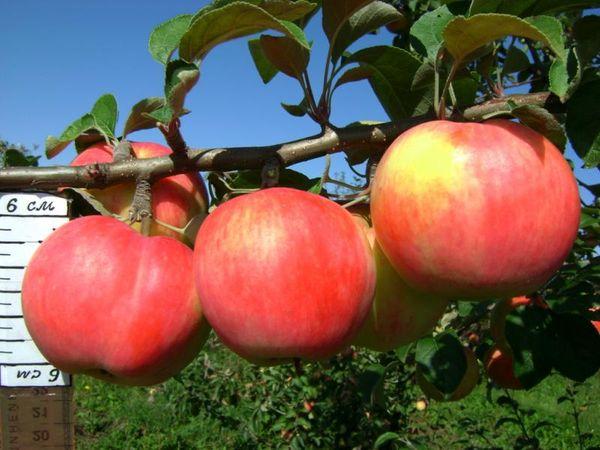
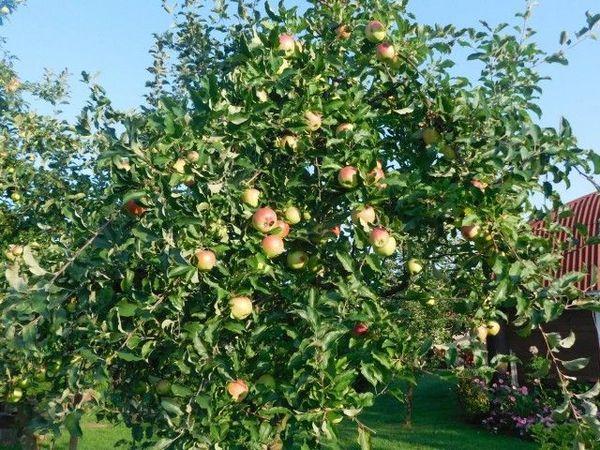
Trees of this variety are considered low-growing, rarely exceeding three meters in height. However, they can sometimes reach four to five meters. The plant's crown is characterized by a rounded shape and numerous lateral shoots.
Shoot-forming ability
People planning to grow seedlings in their gardens are interested in their tendency to form shoots. This variety, like many other plants, has dense branches. Therefore, experts recommend regularly pruning them to ensure that the growth and ripening of the crop does not stop.
Fruiting
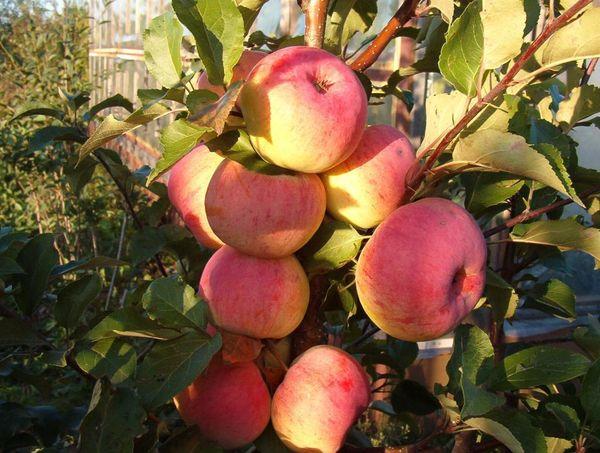
The fruiting of Uslada has some peculiarities that need to be understood.
Flowering and pollinators
The seedling begins to bloom in the second half of spring. At this time, the branches are covered with fragrant flowers, which fall by mid-June.
This variety is considered self-sterile and requires additional pollinators. The following varieties are used as pollinators: Bogatyr, Orlik, or Grushovka.
Ripening time and harvest
The harvest begins in late July and the first half of August. Therefore, it's essential to harvest ripe fruit during this period. However, sometimes slightly unripe apples are needed. In this case, the fruit will need to be harvested in early July.
Tasting evaluation and yield
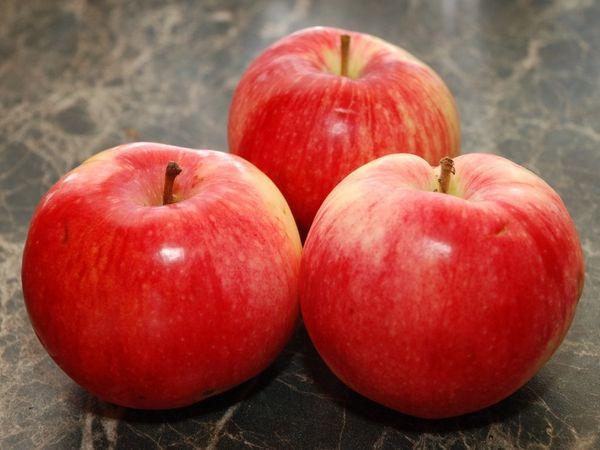
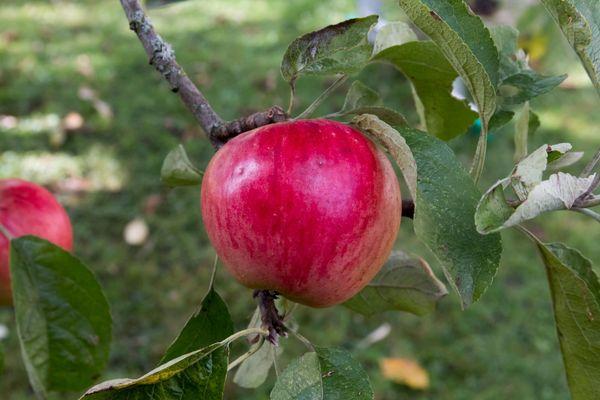
With proper care, a mature tree can produce over eighty kilograms of fruit. One of Uslada's advantages is the taste of its harvest. Ripe apples are quite juicy, sweet, and not sour.
Resistance to low temperatures
This variety is considered frost-hardy, surviving winters in temperate climates without issue. Uslada is also resistant to sudden temperature fluctuations. However, the tree does not tolerate drought as well, so it needs regular watering during the summer to prevent the soil from drying out.
Immunity to diseases
Uslada is a variety known not only for its pleasant flavor but also for its excellent disease resistance. Seedlings are immune to common fungal diseases. However, this variety is particularly resistant to scab. Therefore, some gardeners skip the preventative treatments on their seedlings.
Soil and climate requirements
Uslada grows best in central regions with a temperate climate. However, the variety's winter hardiness allows it to be grown in northern regions with cool temperatures as well. The soil in which the tree will grow should be fertile and contain sufficient nutrients.

Varieties and subspecies
There are three varieties of fruit that you need to be familiar with in advance.
Columnar
The main characteristic of columnar apple trees is their need for constant care. From the moment they are planted, the crown must be constantly shaped and the shoots pruned. For this reason, many gardeners avoid growing columnar apples.
On a dwarf rootstock
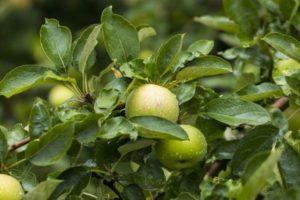
Some gardeners grow Uslada on dwarf rootstocks. This is done to accelerate fruiting and allow the harvest to ripen earlier. This growing method also increases the seedling's resistance to scab and low temperatures.
On clonal rootstock
People who want to grow apples with specific qualities grow them on clonal rootstock.
Planting technology
There are certain recommendations that will help you plant Uslada correctly in your garden.
Preparing the site and seedlings
Before planting, all seedlings are prepared in advance. Experienced gardeners recommend soaking them in special rooting solutions, which will help strengthen the seedling's root system. After rooting, the site is prepared. It is dug, fertilized, and watered.
Apple tree planting patterns
It's crucial that apple trees are properly spaced. They shouldn't be planted too close together, as they will interfere with each other. Therefore, each sapling should be spaced 80-95 centimeters apart to prevent branches from shading each other in the future.
Disembarkation times and rules
Uslada is planted in the first half of September, while the weather is still warm. A hole about 80-90 centimeters deep is dug. Fertilizer mixed with soil is added. The seedling is then planted, covered with soil, and watered.
What to plant next to it?
Any plants can be planted near Uslada, but it's best to plant other apple trees nearby. They can act as pollinators, which will significantly increase the tree's yield.
How to care for the variety
To ensure that a planted apple tree bears fruit better, it is necessary to ensure proper care.
Watering
The plant requires regular watering to keep the soil moist. It's recommended to moisten the soil at least once a week. If the summer is extremely dry, you'll need to water the tree twice every seven days. Pour one and a half buckets of water under each tree.
Top dressing
Without fertilizer, apple trees will not bear fruit well, so regular fertilization is necessary. Both mineral and organic fertilizers are used. Each year, five kilograms of manure, 900 grams of poultry manure, and ten kilograms of compost are added to the soil under the trees.

Loosening and mulching the soil
Mulching the soil provides additional protection for the root system before winter. Fallen leaves, fresh grass, or hay are used as mulch. Some people mix the mulch with fertilizer to enrich the soil with nutrients.

Formative pruning
All unnecessary stems that don't produce fruit are trimmed from the seedling. However, untreated cut areas should be avoided, so they are pre-treated with garden pitch. Pruning should be done with disinfected garden tools to avoid damaging the plant.
Preventive treatments
It's recommended to treat the seedlings periodically to prevent infestations. This procedure should be carried out immediately after the buds open. Uslada should be sprayed with insecticidal solutions.

Shelter for the winter
Despite its frost resistance, Uslada is recommended to be covered for the winter. Roofing felt, mesh, tar paper, and even pine branches can be used as covering material.
Gardeners' reviews of the variety
Natalia, 31: "I've been growing apples for many years, and I can say that Uslada is my favorite variety. These apples turned out to be the most delicious and juicy of any I've ever tasted."
Anton, 40: "I'd been trying to grow apple trees in my garden for a long time, but none of the varieties had taken root until I planted Uslada. They're excellent apples that are easy to grow because they don't require any special care."
Conclusion
Uslada is considered a popular variety grown by many gardeners. Before planting this plant, it's important to understand its advantages, disadvantages, and planting tips.
Related posts:
 Description and characteristics of the best seeds of pea varieties and types
 Description of blight-resistant tomato varieties for open ground and greenhouses
 80 Best Eggplant Varieties for Different Regions with Descriptions and Characteristics
 How to propagate and grow peas, cultivation technology, and care in open ground
 How to choose a tomato variety for growing in Ukraine and when to plant seedlings
 Description and characteristics of the 22 best apple tree varieties for the Moscow region, to plant in your dacha
 Description of the best potato varieties of domestic and foreign selection
 How to treat grapes for mildew, the best control measures and treatment rules