
- Characteristics of the codling moth
- Appearance and life cycle
- Reasons for insect appearance in the garden
- Signs of parasitism on apple trees
- What danger does it pose to the tree and the crop?
- How to get rid of a parasite on an apple tree
- Drugs and traps
- Chemical and biological agents
- Fitoverm
- Mixed insecticides
- Organophosphorus insecticides
- Mechanical methods of control
- Modern pesticides for pest control
- Folk methods
- Timing and technology of wood processing
- In the spring
- After flowering
- During the period of fruit ripening
- In the fall
- Frequency of tree spraying
- How to avoid reinfection
- Preventive treatments
- We plant resistant varieties
Gardeners who grow large quantities of apples sooner or later face pest attacks. Among the insects common in Russia, the oriental and codling moths pose a particular threat. Despite their name, these insects destroy not only apples but also foliage and shoots. If the pests are left to reproduce freely, the tree can eventually die entirely. There are various ways to prevent codling moth infestations on apple trees, as well as methods for controlling larvae and adult insects.
Characteristics of the codling moth
The term "codling moth" or "apple moth" usually refers to two related species of moths—the apple moth and the peach leaf roller. Both types of insects damage apple fruit during the larval stage.
During the annual growing season, trees become home to two or even three generations of caterpillars. The pest prefers a humid climate and dies during prolonged periods of drought. Adult moths are primarily nocturnal.
Appearance and life cycle
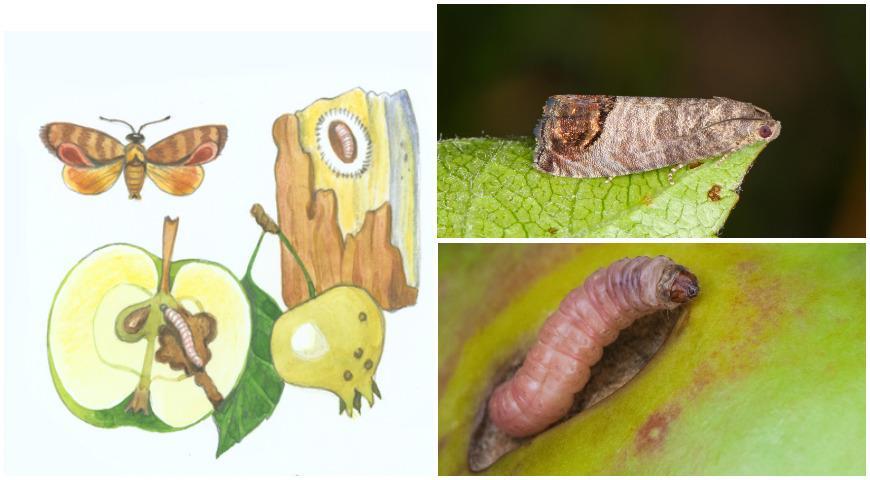
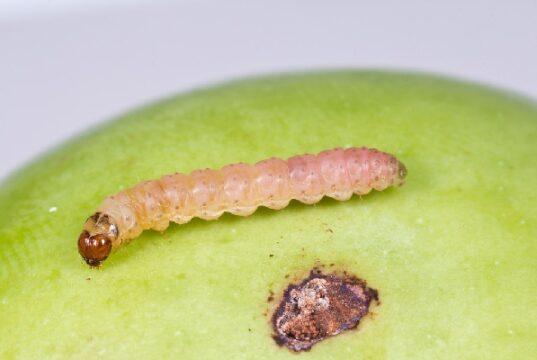
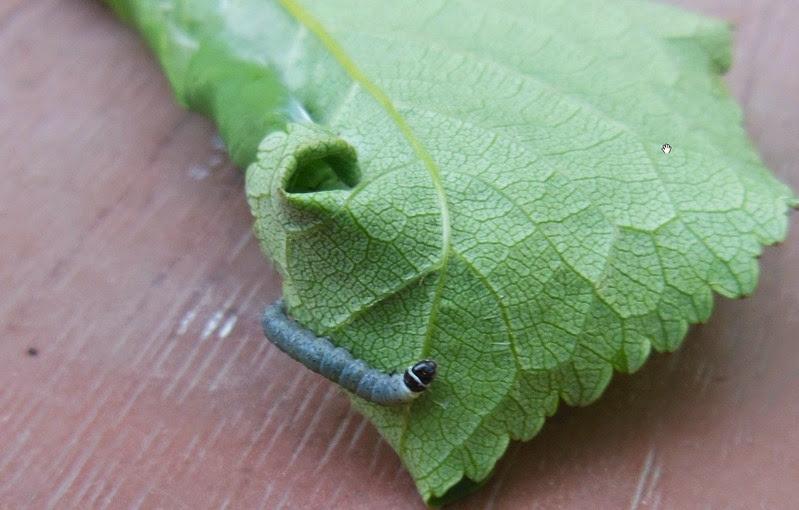
It has a brownish or grayish tint. The insect is quite large, about 2 cm. During the breeding season, the pest lays up to 120 eggs, which hatch into pinkish caterpillars with dark-colored heads.
The complete life cycle of the codling moth consists of the following stages:
- Flight and mating of adult moths.
- Laying eggs on the shoots of garden trees.
- Birth of caterpillars.
- Nutrition and growth inside fruits.
- Pupation outside the apples.
- The emergence of moths from cocoons.
Reasons for insect appearance in the garden
Among the main reasons for the appearance of a large number of codling moths are:
- high humidity;
- weakening of trees due to frost;
- excess nitrogen in the soil;
- absence of natural enemies;
- old gardens with peeling but not removed bark;
- lack of prevention.
Signs of parasitism on apple trees
It is not difficult to detect an apple tree infestation with codling moths; simply check for the following symptoms:
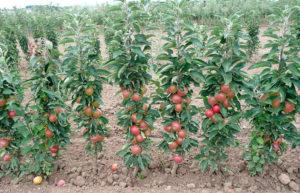
- Abundance of moths around fruit trees 2 weeks after flowering.
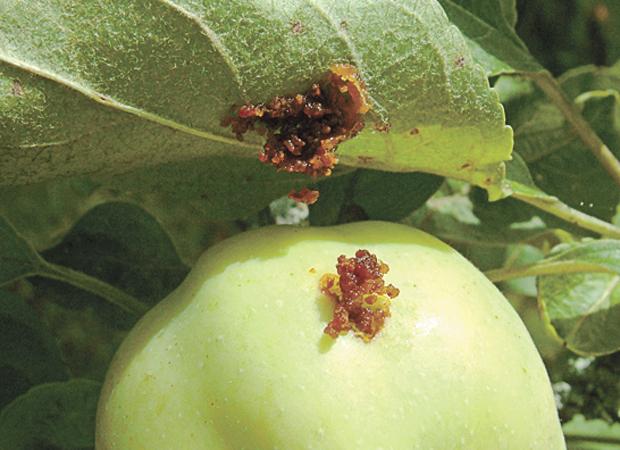
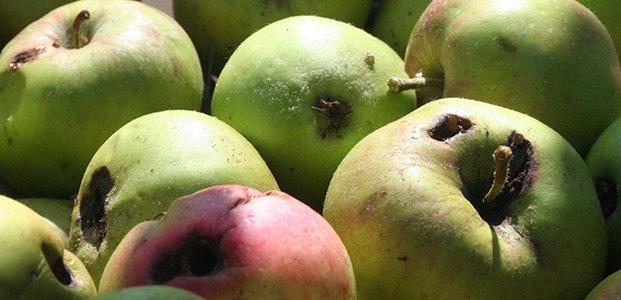
- The appearance of 1-5 small holes on the ovaries, similar to black dots.
- Small apples are falling off, and the seed chamber inside the fruit is destroyed.
What danger does it pose to the tree and the crop?
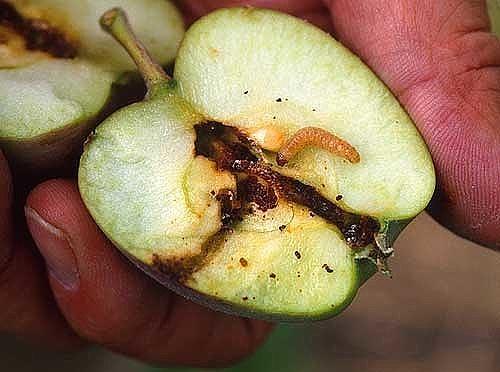
Codling moths cause irreparable damage not only to apple trees and their fruit. The insects also attack plums, pears, quince, peaches, apricots, and walnuts. Each caterpillar destroys up to three apples during its life cycle. It eats the core of the fruit, filling it with waste, which leads to premature fruit drop. The seeds are prevented from ripening, and in addition to the loss of the harvest, the plant's reproduction is impaired. The moths fill crevices in the bark with eggs, further damaging the underlying tree surface.
How to get rid of a parasite on an apple tree
There are several ways to combat codling moth in the garden:
- chemical, using insecticides;
- mechanical;
- biological;
- agrotechnical.
 To destroy caterpillars, folk remedies are often used and constant preventive measures are carried out.
Drugs and traps
Elimination of the codling moth is possible using environmentally friendly biological products:
- Fermo-Virin YAP;
- "Lepidocid".
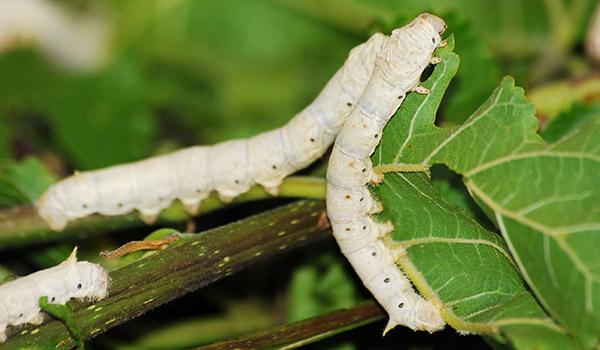
Adhesive trapping belts are also used to combat pests. To make them, fabric is soaked in an adhesive solution and wrapped around the trunk of each tree.
The structure should be inspected weekly and any stuck insects removed. This helps prevent caterpillar migration, but does not protect against butterflies.
To combat moths, it's best to use special pheromone traps. You can buy ready-made devices or make your own. Synthetic pheromones attract the insects, and the special design prevents the moths from escaping.
Chemical and biological agents
In case of a severe pest infestation, apple trees should be treated with highly effective chemical and biological pesticides. Milder pest control methods are not capable of eliminating these dangerous insects quickly.
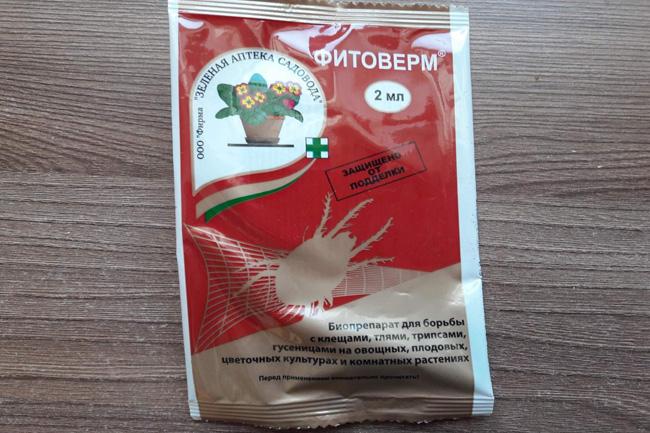
Fitoverm
The product is a complex-action avermectin-C. The poison enters the caterpillars' bodies through:
- absorbed inside when it hits the surface of an insect when sprayed;
- comes with food treated with poison.
The product affects the pest's nervous system, ensuring its death. It has a long-lasting effect, but should not be used during fruit ripening.
Mixed insecticides
It's worth using multiple insecticides simultaneously in gardens where preventative measures haven't been taken for several years. This also becomes necessary if a single, ineffective pesticide has been used for a long time. The following combinations have shown good results:
- imidacloprid with λ-cyhalothrin;
- thiamethoxam with chlorantraniliptol.
Organophosphorus insecticides
Chemical preparations based on organophosphorus compounds are considered the most stable and fast-acting. Popular names include:
- "Karbofos";
- Fufanon;
- "Dichlorvos";
- "Phosalon".
Mechanical methods of control
Manual methods of getting rid of codling moths are used in organic gardening to ensure a clean harvest without chemicals. Mechanical pest control involves:
- removal of dead bark, as well as eggs and caterpillars underneath;
- sealing cracks and damage to trees;
- constant inspection of fruits and destruction of damaged ones;
- collection and removal of leaf litter;
- preventing weed overgrowth;
- installation of trapping belts that limit the movement of caterpillars.
Modern pesticides for pest control
Pesticides are widely used in modern gardening and are constantly being refined to target only insects. However, pyrethroid pesticides should not be used 30 days before fruit ripening or later. The chemical compounds remain in the green parts of the plant, providing a long-lasting insecticidal effect. Apple trees can be treated with the following systemic products:
- "Ram";
- Confidor;
- "Tanrek";
- "Fastak";
- Talstar.
Folk methods
Many gardeners prefer traditional methods of pest control. Proven methods:
- spraying with infusions of tansy, wormwood and burdock;
- use of tobacco decoction;
- red pepper decoction solution;
- infusion of the green part of tomatoes.
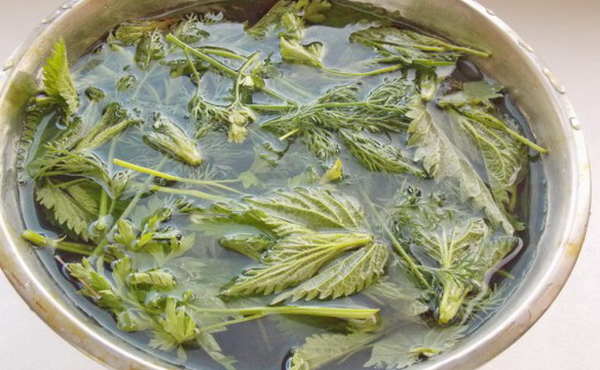 Traditional methods are simple and inexpensive, but they are less effective, making them unsuitable for controlling codling moth infestations.
Timing and technology of wood processing
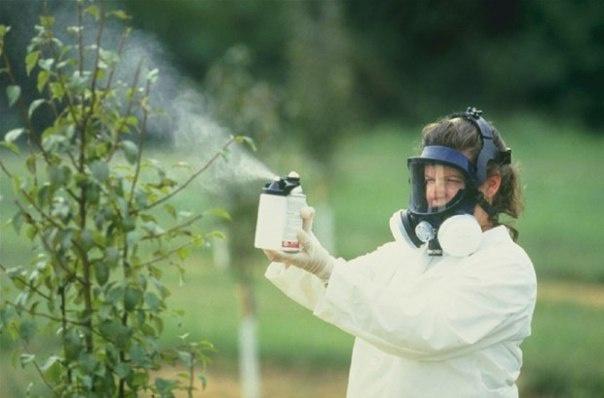
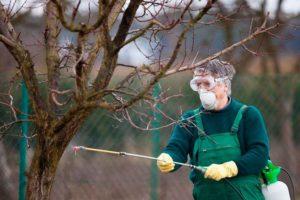
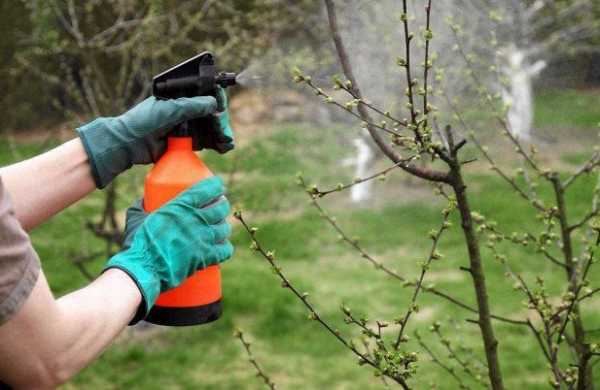
To achieve good results, choosing the right product isn't enough; it's also important to consider the timing and application technique. It's important to read the instructions, prepare the necessary equipment, and observe safety precautions. Spray trees only in cloudy weather with low wind speeds.
In the spring
The first spraying of the season should be done in the spring, starting from the moment the caterpillars hatch and before the small apples begin to form. At this time, apple trees should be sprayed with organophosphates such as Pirinex, Zolon, Admiral, Calypso, and similar products.
After flowering
After flowering and in summer before fruit set, it's recommended to use insecticides. Dimilin, Harold, and Insegar have shown good results. If pest activity is increased, a mixture of chemicals, such as chlorantraniliprole and thiamethoxam, should be used.
During the period of fruit ripening
The latest possible treatment before apples ripen is in July, in the first half of the month. However, it's still advisable to spray in June to avoid chemical buildup in the apples. Dimethoate or Actellic can be used, but organic formulations are preferred.
In the fall
The last spraying of the year is done in the fall, after the leaves have fallen and fallen leaves have been removed. First, the trees are prepared for winter, their surfaces are cleaned, and then they are sprayed. Any type of insecticide can be used during this period.
Frequency of tree spraying
To calculate the required frequency of tree treatments, it's important to consider the climate zone. If the codling moth produces up to two generations of caterpillars, four sprays per season are sufficient. In warmer climates, the number of offspring produced increases, therefore, the frequency of spraying increases, up to seven treatments per year.
How to avoid reinfection
To protect apple trees from the return of the codling moth after spraying, it is necessary to follow the following rules:
- Constantly collect and destroy fallen fruit.
- Don't leave harvested apples near an orchard overnight. Caterpillars may leave the fruit and infest nearby trees.
- The container for harvesting must have a smooth surface.
- After processing apples, dishes must be washed and disinfected.
Preventive treatments
To protect against codling moth, it is important to carry out timely and regular preventative measures:
- Dead tree bark should be removed before and after the growing season.
- During the ripening process, apple trees should be shaken occasionally to remove any spoiled apples, which should be collected and destroyed.
- You can plant fragrant flowers or tomatoes near the trees.
- Loosen and mulch the root circle.
- Conduct sanitary pruning of the crown.
- Paint tree trunks.
We plant resistant varieties
Late-ripening varieties are among the most resistant to codling moth infestation. The pests prefer apple trees with soft, not too firm flesh. Hard winter apples, as well as those grown for juice, are not particularly attractive to caterpillars. Varieties less susceptible to codling moth attack include Vinnoe, Renet Simirenko, Funtovka, Arkad, and Mironovka.
Related posts:
 Methods of dealing with caterpillars on apple trees, how to treat them correctly and what is the best way to do it
 The best eggplant varieties for growing in a polycarbonate greenhouse: planting and care
 Description of the plum codling moth pest, control methods and treatment
 What is the best way to treat cabbage from caterpillars and butterflies, folk remedies
 80 Best Eggplant Varieties for Different Regions with Descriptions and Characteristics
 How to control carrot flies with medications and folk remedies
 Effective methods for controlling grape leaf rollers
 Description and treatment of potato diseases, methods of control using folk and chemical means