
- History of selection
- Advantages and disadvantages of the columnar apple tree President
- Characteristics of the apple tree
- Height, crown size
- Fruiting
- Columnar apple pollen and pollinators
- Taste qualities and description of the fruits of the President apple tree
- The ripening period of the apple tree President
- Scope of apple tree application
- Harvest frequency
- Resistance to frost and drought
- Resistance to diseases and harmful insects
- Planting in open ground
- Optimal timing
- In the fall
- In the spring
- Preparing the site and planting hole
- Planting a columnar apple tree seedling
- Proper care
- Irrigation, fertilization
- Pruning a columnar apple tree
- Wintering of the President apple tree
- We fight diseases and parasites
The columnar apple tree variety "President" is popular among experienced gardeners and novices alike due to its compact size and abundant yield. This variety produces large fruits and is resistant to diseases and beetles. The apples are sweet and tart and are grown for sale or personal consumption. It's worth familiarizing yourself with all the tree's characteristics before planting.
History of selection
The President is an improved, promising variety of columnar apple tree bred domestically. It was developed by horticulturist V. Kichina, an employee of the All-Russian University of Horticulture, in 1974. The apple tree was created by crossing the Vozhak and Obilny varieties. It has been listed in the state register since 2002.
The variety is grown in the south of Russia and in the middle latitudes, as well as in Ukraine, Belarus, and Moldova.
Advantages and disadvantages of the columnar apple tree President
Columnar apple trees have positive and negative sides.
| Pros | Cons |
| Absence of lateral branching | Average winter hardiness |
| Early fruiting of apple trees | Short shelf life of apples |
| Decorativeness, compactness of the tree | Small height of trees |
| Ease of fruit collection | High price of seedlings |
| Successful adaptation to a new location | |
| High yield, excellent taste of apples | |
| Resistance to diseases and pests |
Characteristics of the apple tree
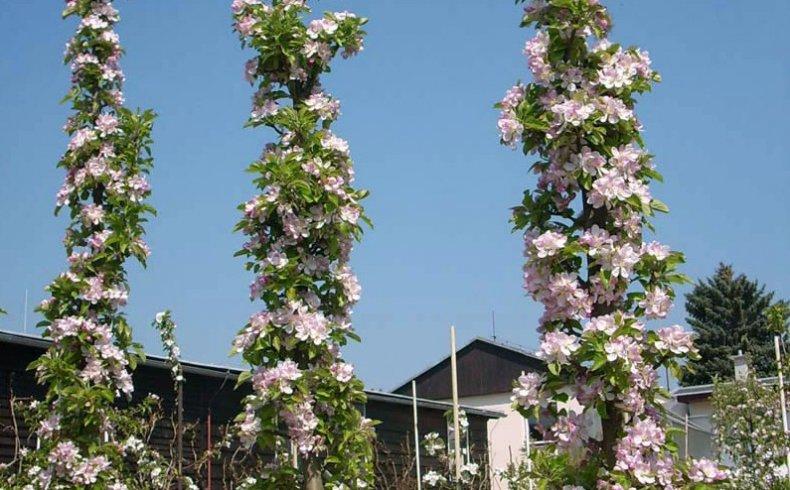
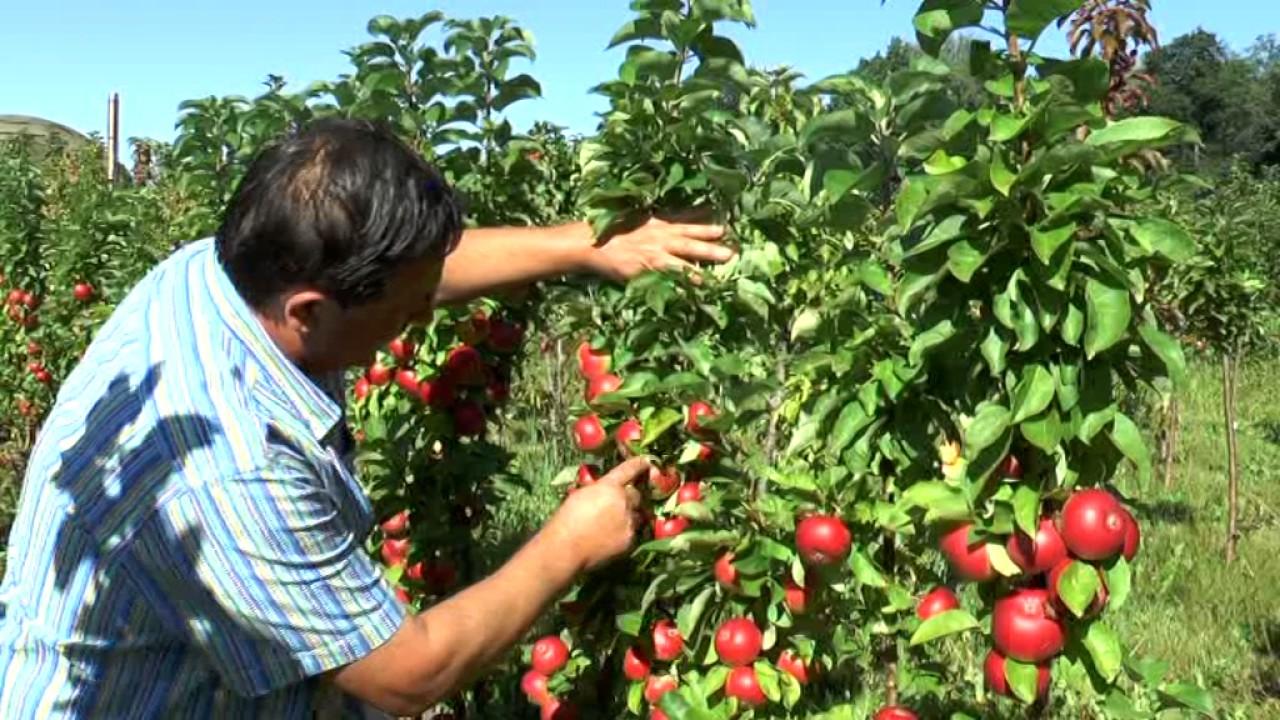
Columnar trees are semi-dwarf varieties. The apples ripen early due to the early maturity of the species. The trunk is columnar in shape, generously strewn with fruiting branches that act as rings or spears.
According to the characteristics, the shoots are quite hard, which prevents them from bending even under an impressive number of fruits.
The apple tree's lifespan is approximately 15 years. Its dense rhizome facilitates successful adaptation to new environments. The apple tree differs from other species by having a single trunk covered with short fruiting shoots.
Height, crown size
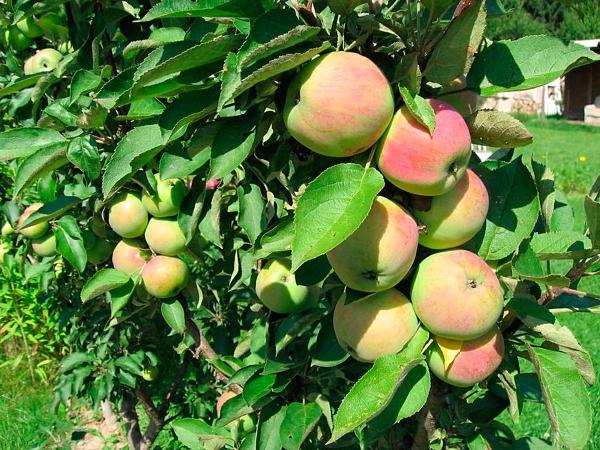
Columnar apple trees reach 2 meters in height. They have shortened internodes, allowing the leaves to grow close together, forming a green column. Because the lateral branches emerge from the trunk at an acute angle, the clump forms a compact size, extending 15-20 cm from the trunk. Annual growth, depending on conditions and care, is 7-8 cm.
Fruiting
Apple trees produce a regular harvest, though it can fluctuate from year to year. A single tree can yield an average of 8-10 kg of fruit. With favorable soil conditions, the yield can reach 12 kg. With consistent cultivation practices, the yield can reach up to 16 kg per tree.
Columnar apple pollen and pollinators
Pollinators should be grown near the apple tree. These include pears and other nearby apple trees. In a plot of 10 square meters per plot containing the President apple tree, 15-20 are planted.
Taste qualities and description of the fruits of the President apple tree
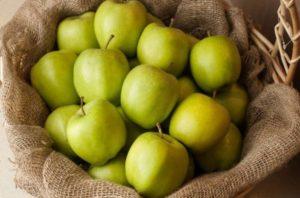
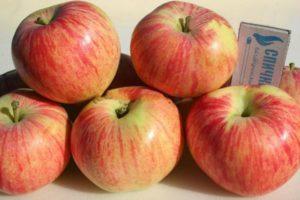
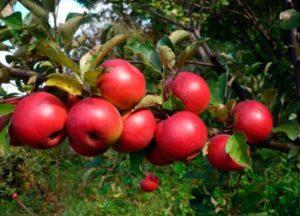
The apples are large, weighing 200 grams each, and have a round, flattened shape reminiscent of a turnip. The fruits are yellow-white with a pinkish blush and thin, shiny skin. The flesh is creamy and has a dessert-like flavor; tasters rated the apples 4.8-5 stars. The variety is renowned for its rich aroma and beautiful inflorescences.
The ripening period of the apple tree President
Flowers form in the first year after planting, but it is recommended to remove the buds. The appearance of leaves and flowers depends on climate conditions. They form in late March. Flowering occurs in late April or early May, lasting about 10 days. The harvest is in late August, or early to mid-September in colder regions.
Scope of apple tree application
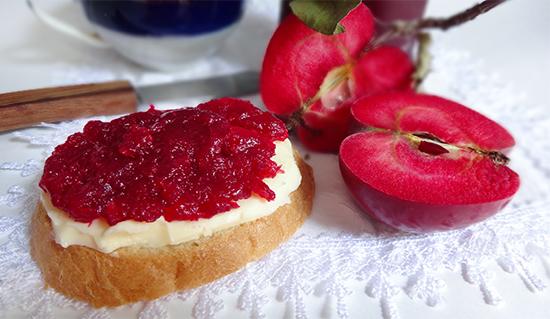
President apples are used to make jams, preserves, and are eaten fresh. They can be used to decorate desserts and preserves for the winter. They are also used to make compotes and fresh juices. Their uses are versatile.
Harvest frequency
The President apple tree begins to bear fruit after two years. Maximum fruiting occurs in the fifth year after planting. By the age of 15, the tree stops producing fruit.
Resistance to frost and drought
The President apple tree is frost-resistant, just like the Antonovka and Melba varieties. This variety is winter-hardy, but young trees require shelter. It tolerates short-lived dry spells well.
Resistance to diseases and harmful insects
With proper care, the President apple tree is highly resistant to disease and beetle attacks. However, if cultivation practices are improper, the tree's immunity may be weakened.
Planting in open ground
Before planting, determine the soil characteristics and groundwater level. Neutral, well-drained soil is ideal for growing columnar apple trees. If the soil is acidic, it can be reduced by adding dolomite flour. Avoid planting apple trees in areas with high groundwater levels. Elevated, sunny locations protected from strong winds are ideal. The tree tolerates light shade.
Optimal timing
The ideal time for planting depends on the region's climate. It's important for the soil to be warm and there's no risk of nighttime frost. Young apple trees may not develop and may freeze. The optimal temperature is 10-15 degrees Celsius.
In the fall
Autumn planting begins when the leaves begin to fall. Light frosts won't prevent the tree from re-establishing itself in its new location. A dry autumn poses a risk.
When there is no rain, the seedling needs to be watered every 3 days.
In the spring
Spring planting of the President apple tree begins after the thaw has ended and there is no snow. This is usually mid-April or late March in the South.
Preparing the site and planting hole
The size of the hole depends on the soil composition. If it's black soil, the hole should be 60 cm deep and wide. On poor loam or clay soil, the hole can be shallower, about 45 cm, but the width should be 0.5 meters, allowing the rhizome to expand freely in the dense soil. Sandy soil should be 1 meter deep, with compacted clay placed at the bottom to retain moisture.
Planting a columnar apple tree seedling
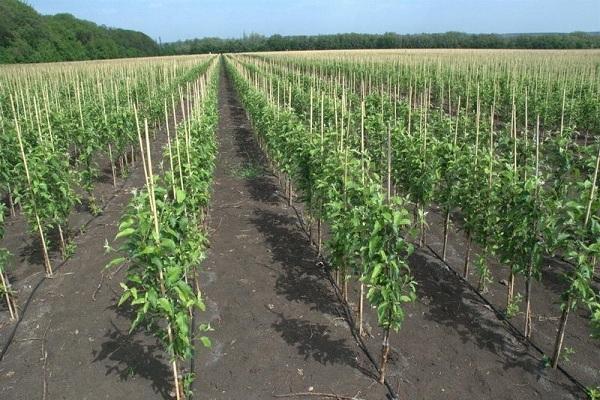
Two weeks before planting, dig the selected area to a depth of a spade. Dig the holes 50 cm deep. Young President apple trees should be planted 0.5 meters apart. Increase the spacing between rows to 1 meter.
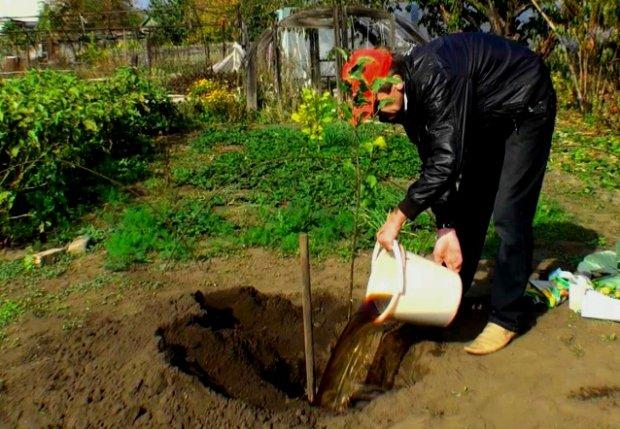
Combine the excavated soil with mineral fertilizer. Sprinkle a small amount of the resulting mixture onto the planting site. Insert a 1.5-meter stake into the hole along with the seedling. Cover the rhizome with the remaining soil and fill any air pockets as well. Create a ditch around the tree and add 5 liters of water.
Proper care
Caring for a columnar apple tree is not difficult; all it requires is timely watering, fertilizing, pruning, and winter protection. Periodic treatments for pests and diseases are also necessary.
Irrigation, fertilization
The President apple tree should be watered regularly, preferably by drip irrigation. If this is not possible, water the roots twice a week. One bucket of settled water is required per tree. Avoid crusting the soil or allowing water to stagnate. Cover the area around the trunk with a layer of mulch to conserve moisture. In the second year, this area can be planted with fragrant perennials or grasses. These will protect the soil from drying out and weeds.
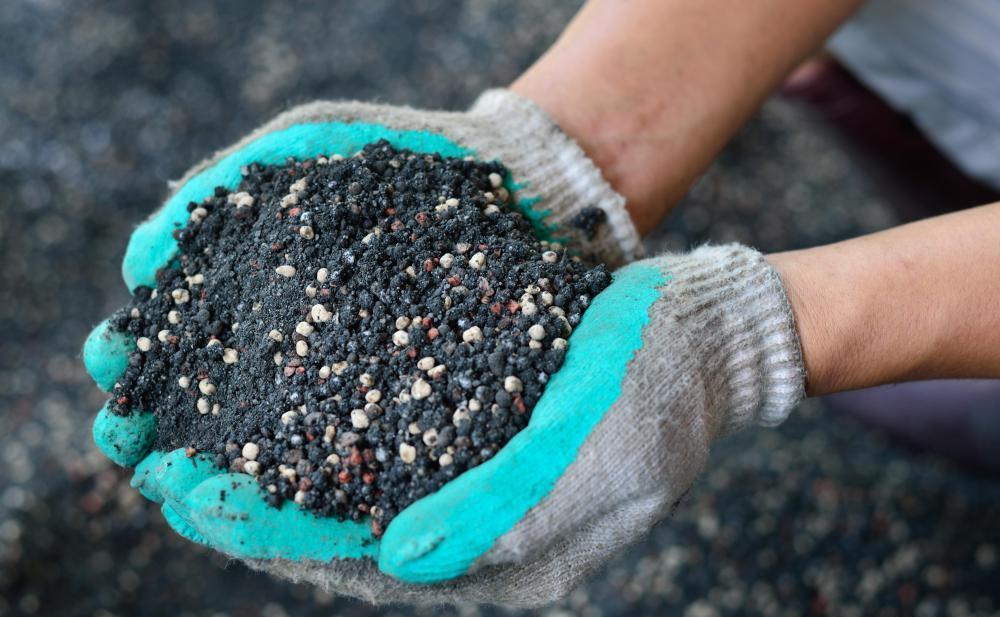
Fertilizers are applied according to the scheme below.
- During spring plowing, add a bucket of rotted manure, 80 g of superphosphate, 30 g of potassium chloride, and 25 g of urea.
- From May 10 to 20, add 10 liters of diluted chicken manure infusion and the same amount of other substances listed in the first feeding.
- After 21 days, the manipulation is repeated using the same substances.
Urea is applied as a foliar fertilizer at a rate of 10 g per 2 liters of water per tree. Fertilizer is applied by spraying.
Pruning a columnar apple tree
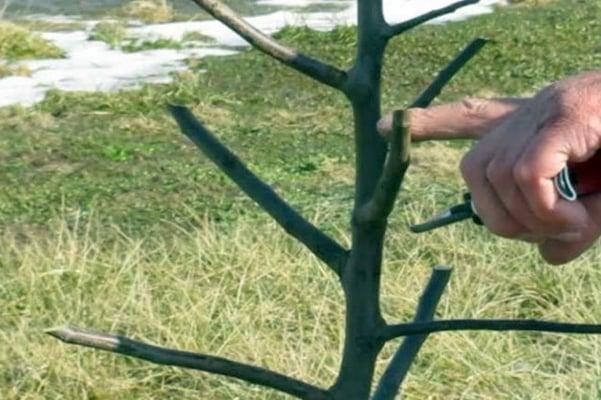
Prune the bush before the sap begins to flow in spring or in October, after the leaves have fallen. When new lateral branches form, they should be shortened by 2-3 buds. Their length should not exceed 10 cm. Fruiting branches are pruned back to 2 buds each year. If the top of the apple tree freezes, several new shoots will grow; the strongest is selected and the others are removed.
Wintering of the President apple tree
It is recommended to cover young and mature apple trees before the onset of cold weather if winters are cold in the region. Insulation will help prevent frost cracks and branch dieback. The trunk is wrapped with agronomic fiber, and the root area is filled with 2-3 buckets of compost. In colder areas, spruce branches or straw are placed on top of the non-woven material. Snow around the apple trees is compacted 2-3 times to prevent rodent attacks. It is also advisable to sprinkle treated grain around the tree.
We fight diseases and parasites
The columnar apple tree "President" is sometimes attacked by harmful bugs and diseases. Each case requires a specific approach.
- Scab. Gray-green spots are appearing on the fruits and leaves of the President apple tree; they are falling off, and the fruit does not store well. To prevent this, treat the tree three times during the growing season with Zircon and Fitosporin. Once scab has developed, spray the tree with Agat-25K, Fundazol, and Bordeaux mixture.
- Black canker. Sunken, brownish-brown spots form on the roots, and the damaged areas are covered with circles of black tubercles. The tree bark cracks, falls off, and crumbles. 2-mm triangular holes are visible on the fruit. The apples shrivel and dry out. Dry branches and diseased areas of bark are removed and treated with copper sulfate and a paste of sorrel leaves. Severely affected apple trees are uprooted and burned.
- Red spider mite. To eradicate this pest from the President apple tree, unconventional methods and protective measures are used. Complex insecticides such as Zircon, Karbofos, and Ecoberin have shown excellent results.
- Aphids. These insects congregate on the undersides of apple tree leaves, sucking out the sap, causing the branch tips to dry out and become deformed. To eliminate the beetle, use a combination of wood ash, tobacco tincture, and laundry soap. Spray the tree with the mixture. If the infestation is severe, use Inta-Vir or Nitrofen.
- Apple leafhopper. This pest reduces apple tree yields; the larval excrement glues together leaves and buds. The insect is controlled with an infusion of wood ash and dried tobacco.
- Rodents. To protect the pole, paint it 50 cm above the ground with a mixture of 2.5 kg of slaked lime, 1 kg of clay, 0.5 kg of copper sulfate, and 100 g of office glue. The whitewash imparts a bitter taste to the bark, which repels rodents, beetles, and hares.
- Powdery mildew. It attacks foliage, buds, young branches, and bark. The mycelium is frost-resistant, and the spores can survive the winter. Spray the apple tree with Topaz 3-4 times during the season.
To prevent the development of diseases and attacks by parasites, President apple trees are sprayed in March and October with biological preparations such as Agravertin and Fitoverm.
Related posts:
 Description and pruning group of clematis President, cultivation and care
 Description of the President tomato variety, cultivation and care features
 Description of the President plum variety, growing and care instructions
 Signs and treatment of apple tree cancer, varieties resistant to the disease
 Description and planting of the Dream apple tree variety, care and propagation
 Description and varieties of the Sinap apple tree, planting and care rules
 Description of the Chudnoe apple variety, planting and caring for a dwarf tree
 Description of the ornamental Nedzvetsky apple tree, cultivation technology