
- Causes of the disease
- Types of diseases
- Black
- Ordinary
- Root
- Bacterial
- Signs of black cancer development on apple trees
- Trunk
- Leaves
- Fruit
- Bark
- Is the disease dangerous?
- For wood
- For a person
- Is it possible to cure an apple tree?
- Tree rescue measures
- Cleaning the affected areas
- Disinfection and isolation of the wound
- Apple tree and orchard treatment
- Operations on the bark of the apple tree trunk and skeletal branches
- Traditional methods of treatment
- We use garden soil
- A mixture of clay and mullein
- A product made from rosin, wax and nigrol
- We use antibiotics
- Stem injections
- Specialized means for the destruction of black cancer
- Copper-containing drugs
- Antifungal medications
- How long does it take for the disease to be cured?
- Prevention
- Timely processing of apple trees
- Selecting disease-resistant varieties
Apple canker, or fungal disease, is a disease that can lead to the death of the tree. The infection penetrates through cracks and wounds in the bark. In a moist, nutrient-rich environment, the fungus quickly develops and penetrates deeper into the tree. Canker can only be noticed when the bark peels back slightly, brown spots appear on the trunk, or the affected area turns black. Once the disease is detected, treatment should be started immediately.
Causes of the disease
Apple tree canker is a disease of the trunk and branches (rarely, flowers, leaves, fruits, and roots). It is accompanied by the appearance of deep ulcers and darkening, rotting of the bark and wood. Canker is caused by various types of fungi or bacteria. It develops when the bark is mechanically damaged and wounds form on the trunk. Sudden temperature changes, cool or rainy weather, and other factors can trigger canker.
The wounds are often invaded by spores of parasitic fungi, which prevents the ulcers from healing. Branches become covered with brown spots or a black coating. The tree's bark dies and peels off. Cancerous tumors (burrs) or deep cracks appear at the wound sites. Infected branches dry out and break, and within 2-3 years, the fungus can destroy the entire tree.
Old apple trees are more susceptible to canker than young saplings. Fungal spores penetrate bark cracks and pruning wounds. The tree can also become infected through frost cracks and sunburn. Canker most often affects weakened apple trees that lack the nutrients needed for normal development. Insect pests can also introduce fungal spores into the wounds.
Types of diseases
There are several varieties of apple tree canker. The infection affects trees with damaged bark, fresh cuts, or wounds.
Black
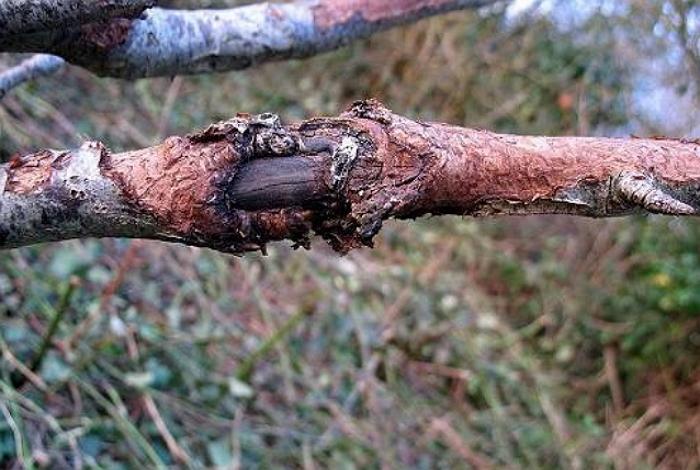
Apple tree cancer develops when the fungus Sphaeropsis malorum gets into cracks and wounds in the bark. It reproduces by spores that are carried by the wind. The cancer most often affects branches and the trunk. Brown spots appear on the affected area, which over time darken and expand. The bark swells and falls off. The infection can penetrate the trunk, making it impossible to save the apple tree.
The leaves of a tree infected with the disease become covered with reddish-brown spots with black dots inside. Dark spots appear on the apples, and the fruit begins to rot and turn black, mummifying right on the branch.
Ordinary
The disease is caused by the fungus Nectria galligena. This canker is known as European apple tree canker. The infection affects the trunks and branches of apple trees. Brown spots appear on the tree. Over time, the bark dies, and a growth (burl) or deep crack appears at the site of the wound.
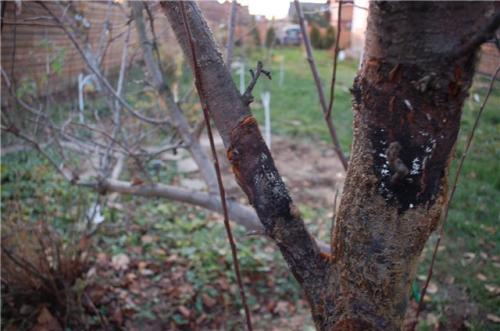
Common canker has two forms: open and closed. The infection penetrates cracks and cuts. In the closed form, the cancerous growths completely cover the wound, leaving only a crevice filled with rotten material. Old or weakened trees are most often affected. In the open form, deep, non-healing wounds form. The wood rots at the site of the infection.
Root
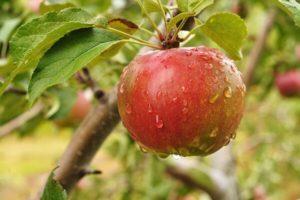
The disease is caused by the bacterium Agrobacterium tumefaciens stevens. The disease is difficult to spot because it develops underground. Numerous pea-like growths form on the roots. The bacteria penetrate the roots through cracks. Over time, the tumors reach large sizes (10-12 centimeters). Apple trees affected by root canker initially grow rapidly, but then their growth slows.
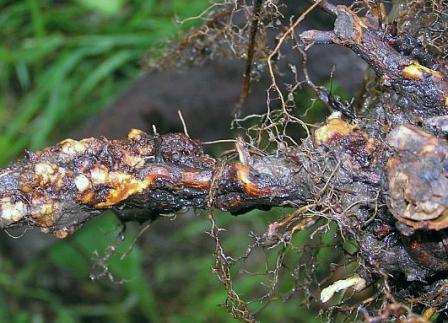
A tree infected with canker produces poor fruit and develops poorly because the bacteria rob it of nutrients. The disease does not progress above the root system. The bacteria survive for a long time in neutral or slightly alkaline soil where apple trees have been planted for many years.
Bacterial
Bacteria attack the blossoms, fruits, branches, and trunk of the apple tree. A characteristic sign of bacterial canker is the oozing of a sticky, orange-tinted substance from a crack in the bark. The affected wood becomes dark, soft, and moist. Brown spots appear on the leaves, and less commonly on the fruits, but these remain attached to the branches. The canker infection is most active in rainy and warm weather.
Signs of black cancer development on apple trees
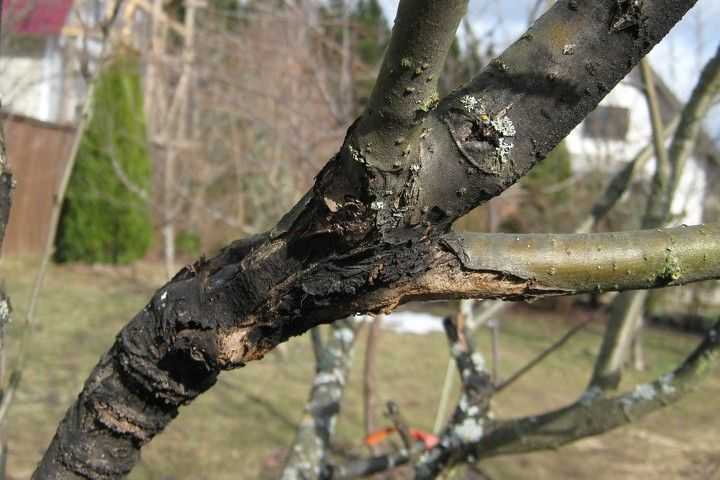
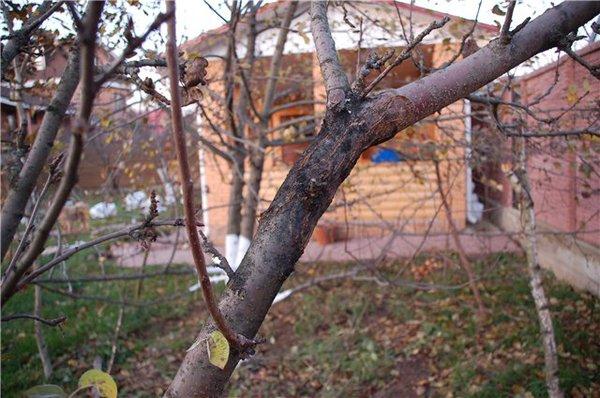
The disease can be detected visually. The affected tree becomes covered in brownish spots. Subsequently, the bark at the affected area turns black, swells, and then falls off. The wood darkens and rots. Deep cracks are visible on the trunk and branches.
The tree is covered with small twisted leaves covered with round dark spots and rotten apples.
Trunk
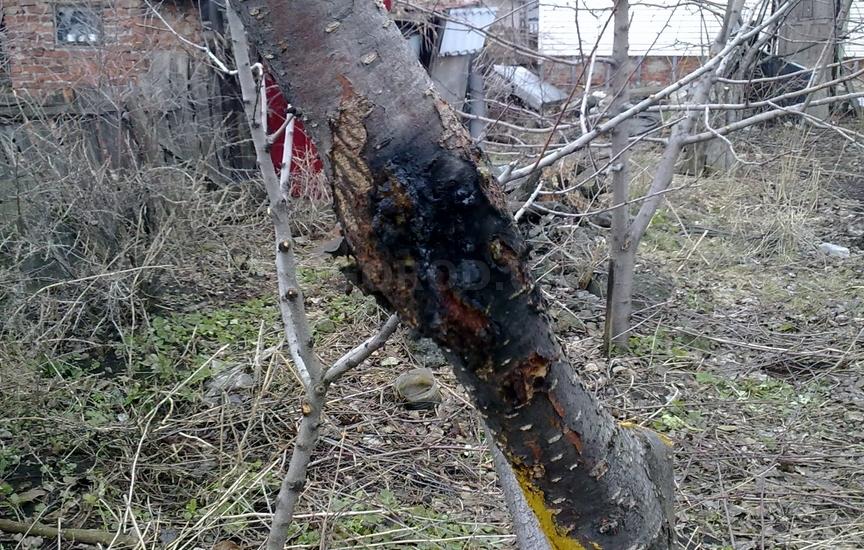
A trunk infected with fungus becomes covered with brownish spots. Gradually, these darken and form rings around the tree. Sooty molds colonize the affected areas. The affected bark turns black and falls off. The affected area cracks and twists, and the wood becomes exposed, deformed, and darkens. In the very final stages of the canker, the tree dries up and dies.
Leaves
A tree with canker develops smaller leaves. The leaf blades become covered with round, brown spots. These spots eventually grow larger and merge. The leaves curl up and dry out without falling off.
Fruit
Apples become infected as they ripen. A brown spot appears on the affected fruit. It grows. The apple begins to rot and mummify, but remains hanging on the tree. The fruit's surface becomes rough and brown.
Bark
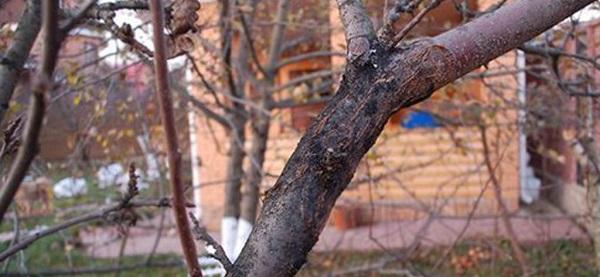
Brownish spots appear on the trunk of an apple tree infected with canker. The affected bark darkens, becomes coated with a black film, swells, cracks, and falls off.
Is the disease dangerous?
The areas of the tree affected by cancer cannot be restored. However, the spread of the infection can be halted in its early stages. Tree cancer is dangerous only to the apple tree itself.
For wood
Apple tree canker can be caused by summer leaf fall. In this case, the tree will lose all its foliage long before the cold weather sets in. Without foliage, the apple tree will be unable to accumulate nutrients for the winter. The tree may die from frost in winter.
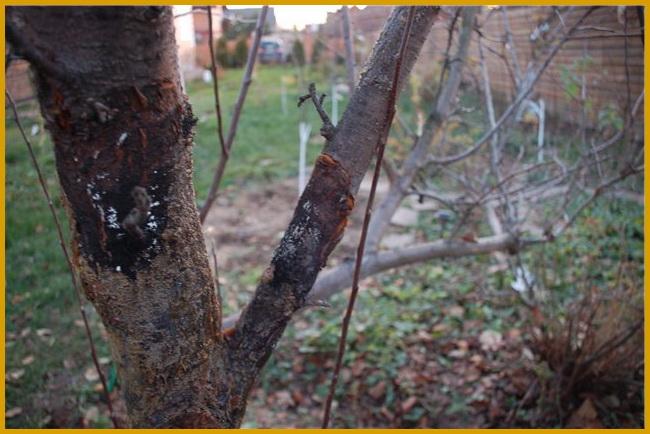
Branches affected by canker dry out, break, and fall to the ground. Deep rotten cracks form on the infected sections of the trunk, and the tree above the affected area dies out. This disease is dangerous for apple trees, as canker can kill the tree.
For a person
Apple tree canker is caused by fungi or bacteria that parasitize the tree. These microorganisms do not pose a health risk to humans and do not penetrate the body. However, eating rotten fruit is not recommended. If apples do not have rotten spots, they are safe to eat.
Is it possible to cure an apple tree?
A tree affected by cancer can be cured. Modern chemical treatments can destroy fungal colonies and stop the spread of the infection.
The key is to detect the tree disease early. After all, no treatment for apple tree cancer will be successful in the later stages.
Tree rescue measures
Apple tree cancer treatment requires a comprehensive approach. Saving the tree is possible if you know what to do and in what order.
Cleaning the affected areas
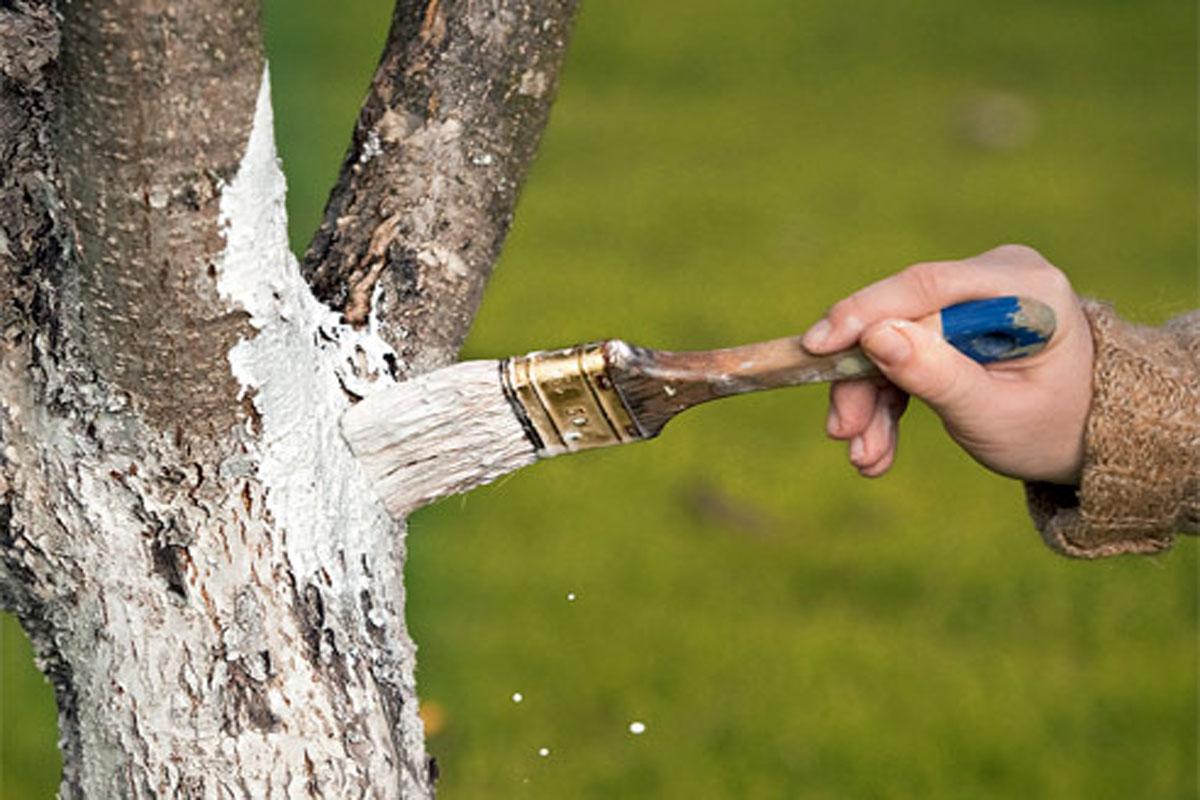
First, you need to prune or saw off infected thin branches, remove affected leaves and fruit, and trim away any protruding bark. The affected area on the trunk or skeletal branches should be cleaned with a sharp tool, scraping out all the rot down to completely healthy wood. All fungus-infected apples, leaves, and branches should be burned in a bonfire outside the garden.
Disinfection and isolation of the wound
Immediately after removing branches, treat the cuts with an antiseptic. The cleaned wound on the trunk should also be disinfected with copper-containing products. Suitable antiseptics include HOM, potassium permanganate, brilliant green, iron sulfate, or copper sulfate. After the cut or wound has dried, the exposed wood can be sealed with garden pitch, a special putty, or oil paint.
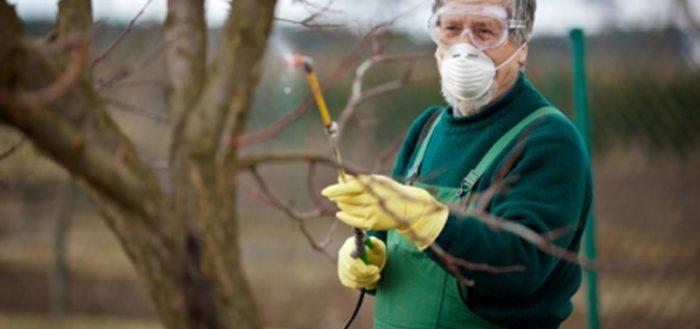
A very deep wound is treated with copper-containing preparations for 1-2 weeks, and only then is the wound covered with paint to isolate the area from water and air.
Apple tree and orchard treatment
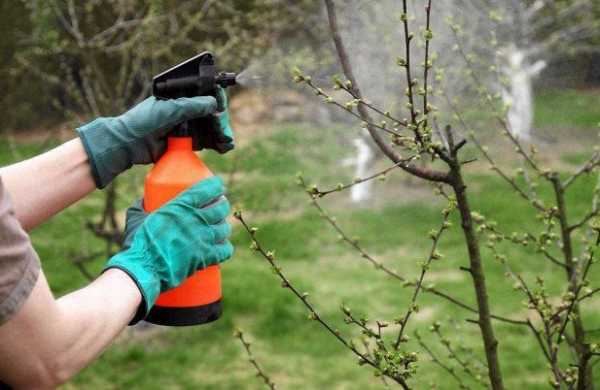
After removing diseased shoots and cleaning the wounds, wash the entire tree with a solution of potassium permanganate, copper sulfate, and a fungicide. For apple trees, prepare a medium-strength mixture. Spray the leaves, and wash (soak) the trunk and branches with a sponge. Once the tree is dry, whitewash it with lime and copper sulfate.
It's recommended to treat not only the affected apple tree but the entire orchard for fungus. All fallen leaves, fruit, dry branches, and weeds should be removed from the area. Neighboring trees should be sprayed with fungicides and whitewashed with lime. The soil should be watered with an antifungal solution.
Operations on the bark of the apple tree trunk and skeletal branches
The affected areas are cleared of rot. The bark is removed, and the softened wood is trimmed down to healthy tissue. It is recommended to remove 1 centimeter of healthy wood during the cleaning process. The fresh, cleaned wound is then treated with a copper-containing preparation and sealed with paint or garden varnish.
Traditional methods of treatment
Many gardeners use time-tested folk remedies to combat apple tree canker. After all, the infection can be fought not only with chemicals but also with natural remedies.
We use garden soil
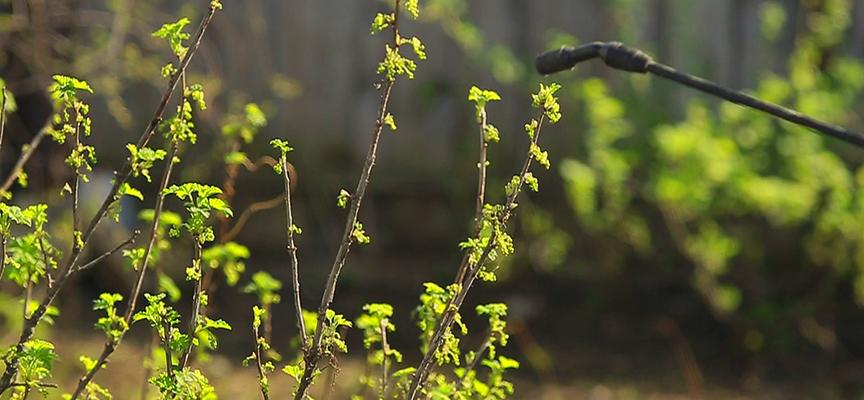
First, treat the soil with a fungicide solution. Apply a thick layer of moist soil to the affected area and allow it to dry.
A mixture of clay and mullein
Mix the soaked clay with mullein in equal proportions and apply the mixture to the area cleared of fungus. The area is bandaged and treated again with the putty. Apply at least 10 centimeters of the mixture to the affected area. In summer, the putty can be periodically moistened with water or a Heteroauxin solution.
A product made from rosin, wax and nigrol
Each ingredient is taken in equal proportions and used to prepare a viscous mixture. The putty is applied to the areas cleared of mold. The mixture is applied in 2-3 layers.
We use antibiotics
Antibiotics, rather than copper-free medications, are used to treat apple canker in Europe. Trees are treated with streptomycin or tetracycline. The wounds are cleaned of rot and treated with an aqueous antibiotic solution. One gram of the solution is dissolved in 3-5 liters of water. The apple tree is then completely irrigated.
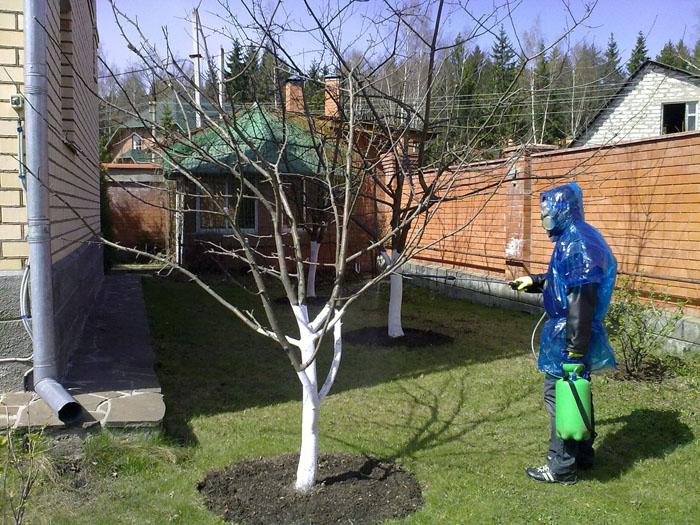
An infected tree requires 2-3 treatments, spaced 10-14 days apart. It is recommended to spray apple trees first with a streptomycin solution, followed by tetracycline. For severe infestations, the dosage can be increased (dilute 1 gram of the solution in 3 liters of water).
Stem injections
Apple tree canker can be treated with stem injections. Treatment requires the antibiotic streptomycin. A 4% aqueous solution is prepared and injected into a pre-drilled hole in the trunk or skeletal branches. After the injection, the hole is plugged to prevent the medication from leaking out. Stem injections are repeated weekly for a month. The injection site should be at least 1 meter from the ground.
Specialized means for the destruction of black cancer
All drugs used against cancer are divided into 3 groups:
- disinfecting wounds;
- fungus-killing;
- tree immunity boosters.
Copper-containing drugs
Copper-containing products are used for disinfection. These include Bordeaux mixture, HOM, copper sulfate, Oxychom, Kuprokstat, Abiga-Peak, and Tsikhom. Copper inhibits fungal growth. Aqueous solutions of these products can be sprayed on apple tree foliage. Copper is used as a fertilizer to boost the tree's immunity. It is a universal remedy for treating canker of apple trees.
Antifungal medications
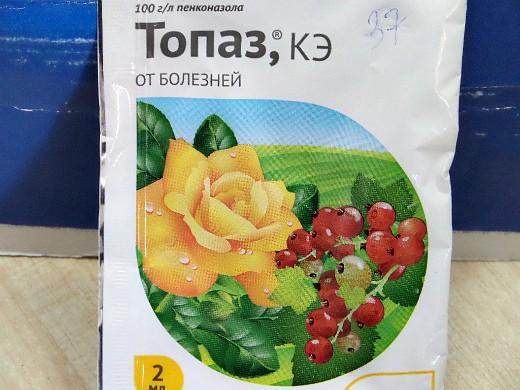
Fungal infections should be treated with fungicides, or antifungal agents. The following medications are used to treat canker: Fitosporin, Funaben, Skor, Topaz, Fundazol, Horus, Gamair, and Strike. Aqueous solutions of these medications are sprayed on the crown and soil. Along with canker, fungicides also treat scab, cytosporosis, and powdery mildew.
How long does it take for the disease to be cured?
Canker should be treated at the first sign of the disease. The best time to treat is early spring or fall after leaf fall, when sap flow slows. This is usually the time for sanitary pruning of branches.
If several trees in the garden are affected by cancer, it is better not to do formative pruning.
It's best not to cause unnecessary damage to branches. If diseased trees are discovered, clean the affected areas, disinfect, and cover the wounds. The disease typically resolves within one month.
Prevention
An apple tree won't get sick if you treat it carefully, avoid damaging the trunk and branches, and don't peel off the bark. In spring and summer, the tree should be fed with urea, potassium nitrate, and superphosphate. In the fall, it's advisable to fertilize the tree with organic matter (rotted manure or compost). A healthy tree is less likely to develop canker.
Timely processing of apple trees
In early spring, trees should be whitewashed with Bordeaux mixture or lime mixed with copper sulfate. The soil can be disinfected with a formalin solution. When the buds open, the foliage should be sprayed with a fungicide (Fitosporin M). It is recommended to remove fallen branches, leaves, fruit, and weeds from around the tree. The area around the trunk should always be kept clean.
Selecting disease-resistant varieties
Apple tree varieties have been bred for each region, each with a range of beneficial properties (cold resistance, resistance to various diseases). It's best to plant local trees in your own garden. These apple trees are less susceptible to disease than varieties imported from Europe.
There are no trees resistant to canker. However, cultivars that rarely develop canker have been developed: Bely Naliv, Alva, Borovinka, Osennaya Radost, Pamyat Pashkevicha, Stoikoe, and Jonathan.
Related posts:
 How to plant walnuts, care for them, and grow them at home
 Description and subtleties of growing the Sverdlovsk Beauty apple tree variety
 Description of the Red Early apple tree variety, agricultural technology and specific care
 Description of the Chudnoe apple variety, planting and caring for a dwarf tree
 Peach tree care and agricultural secrets, pest control
 Description of the ornamental Nedzvetsky apple tree, cultivation technology
 Description and varieties of the Sinap apple tree, planting and care rules
 Descriptions of the 20 best cherry varieties for the Moscow region, their planting and care