
- History of the Mutsu apple tree breeding
- Pros and cons
- Characteristics and description
- Tree dimensions
- Annual growth
- Fruiting
- Flowering and pollination
- Ripening time and yield
- Taste qualities and scope of application of apples
- Immunity to diseases
- Frost and drought resistance
- Planting and caring for the crop
- Deadlines
- Site preparation
- Distance and depth of the hole
- Planting technology
- Watering mode
- Fertilization
- Caring for the tree trunk circle
- Forming the crown
- Seasonal treatments
- Preparing for the winter period
- Methods of reproduction
- Gardeners' reviews
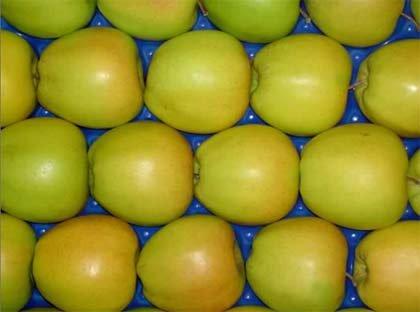
Mutsu apples are rarely grown commercially; trees are typically found only in home gardens. The variety is suitable for planting in southern and temperate climates. This hybrid has many advantages over other varieties, making it a favorite among gardeners.
History of the Mutsu apple tree breeding
The Mutsu variety, or Mutsu, was developed in the Japanese province of the same name. The new hybrid was created by crossing varieties Golden Delicious apples and Indo in 1930. The new variety was first brought to Europe and from there to Russia.
Pros and cons
The advantages of the hybrid include:
- High tree productivity.
- Early ripening of fruits.
- Taste and appearance of apples.
- The fruits tolerate long-distance transportation well, making them suitable for sale.
- Good resistance to fruit tree diseases.
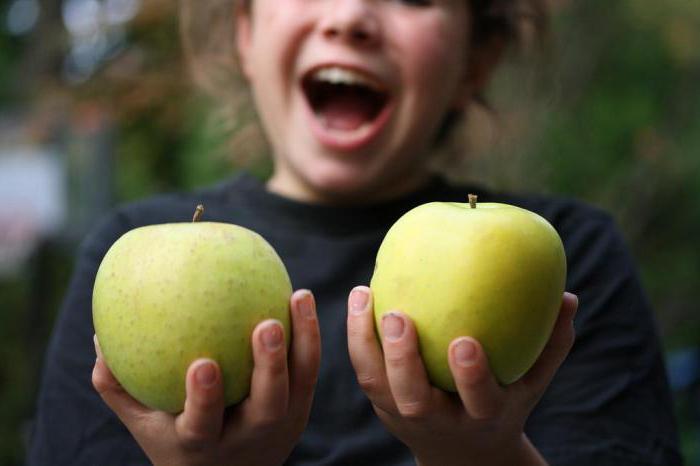 One of the tree's drawbacks is that fruiting may be intermittent. Apple trees don't produce abundant fruit every year.
Characteristics and description
Before purchasing the Crispin apple variety, you need to study all the characteristics of the tree to get a general idea of the hybrid.
Tree dimensions
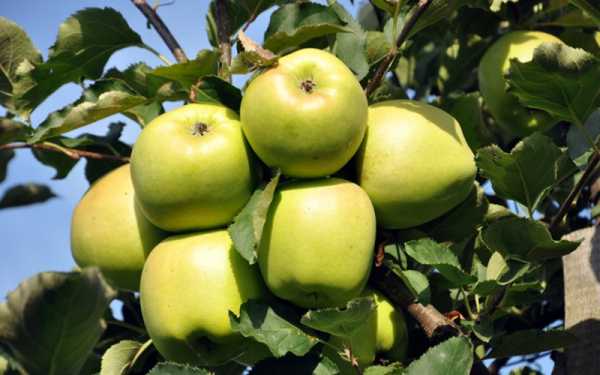
On seedling rootstock, the apple tree grows to a height of 3-4 m; on dwarf rootstocks, it does not exceed 2.5 m. The crown is pyramidal, moderately spreading, and has medium foliage. The skeletal branches are strong, growing upward at a right angle from the trunk.
Annual growth
Annual growth is average, usually the crown increases by 5-9 cm per year.
Fruiting
The Mutsu variety begins bearing fruit in the fourth or fifth year after the young tree is planted in open ground. Fruit buds form primarily on the previous year's shoots. The only drawback is that fruiting is irregular. Every five or six years, the apple tree "rests," and very few fruits appear on the tree.
Flowering and pollination
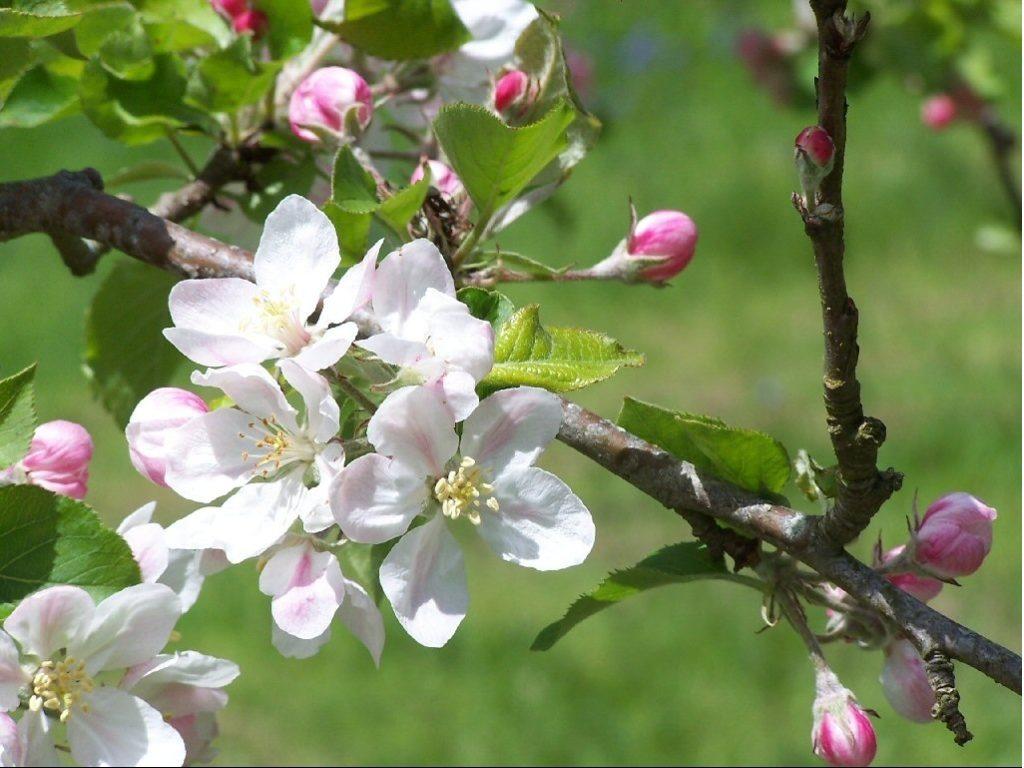
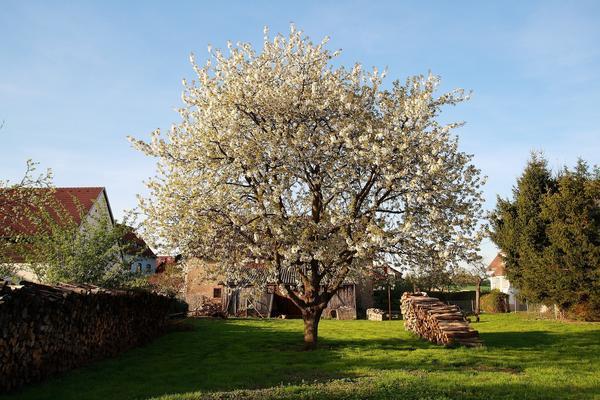
The tree blooms in early May. The flowers are milky-white and medium-sized. The apple tree is self-sterile; other apple varieties must be planted nearby for pollination. No more than 7% of fruit set is self-pollinated.
For pollination, Jonathan, Gloucester, and Champion varieties are planted nearby.
Ripening time and yield
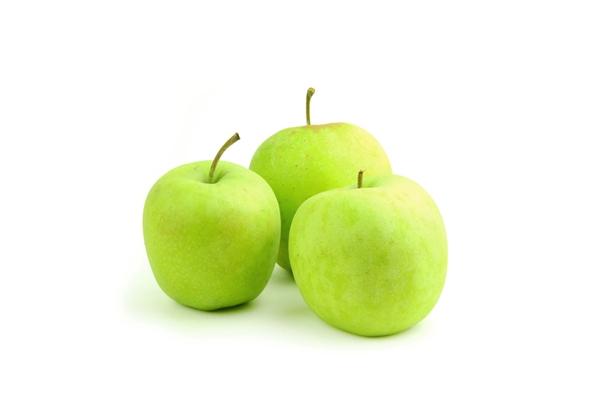
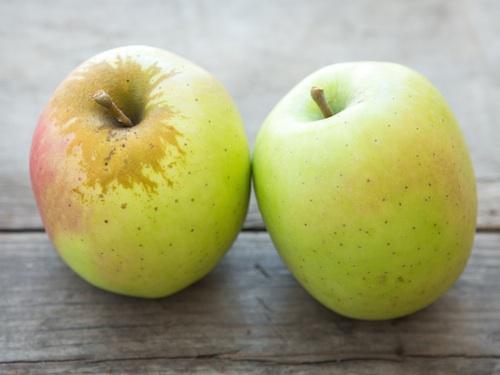
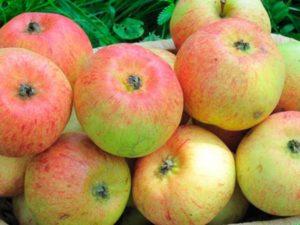
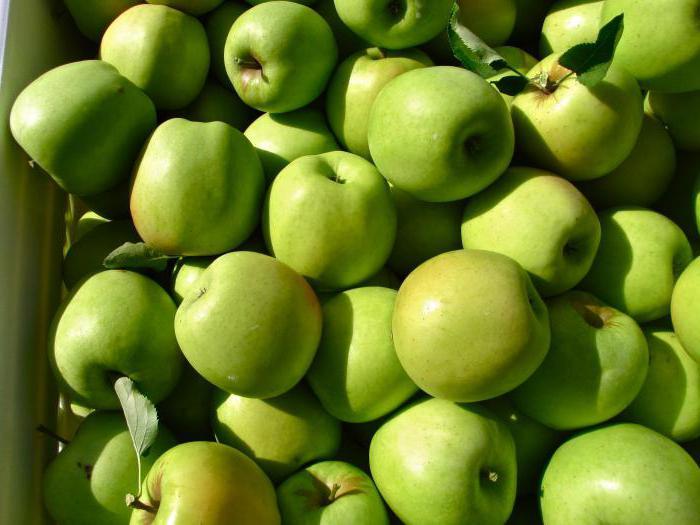
The Mutsu apple variety is a winter-fruiting variety, harvested around mid-September, depending on the growing region. The apples ripen around December and become delicious and aromatic. The yield is abundant, with up to 30 kg of fruit harvested from a single tree. The apples are not very large, weighing around 200 g.
Taste qualities and scope of application of apples
The fruit's flavor only develops after it's been stored and ripened. The tasting score is 4.5 out of 5. The flesh is firm, as is the skin.
Apples are suitable for eating after they've been stored and ripened. They're also used for canning and baking.
Immunity to diseases
The tree's resistance to disease is average. If care and preventative measures are not taken, it may become susceptible to disease.
Frost and drought resistance
Frost resistance is average; the tree is prepared before the onset of cold weather.
It tolerates drought well, if it is not prolonged.
Planting and caring for the crop
The tree's future yield depends on how well the planting was done. Before planting a seedling, you first need to choose a favorable time and prepare the soil.
Deadlines
Apple tree seedlings are planted in spring or fall. In regions with frosty winters and cool springs, spring planting is suitable. The seedling is planted when the soil has warmed and the weather has become warm. Over the summer, the seedling will have time to establish roots before winter. In the south, planting can be delayed until fall.
Site preparation
Preparing the plot for spring planting begins in the fall. The soil is dug as deeply as possible, all weeds are pulled out, and manure is added or the soil is watered with a solution of bird droppings.
In the spring, dig the soil again, and if any weeds appear, pull them out. Then, you can apply a complex mineral fertilizer.
Distance and depth of the hole
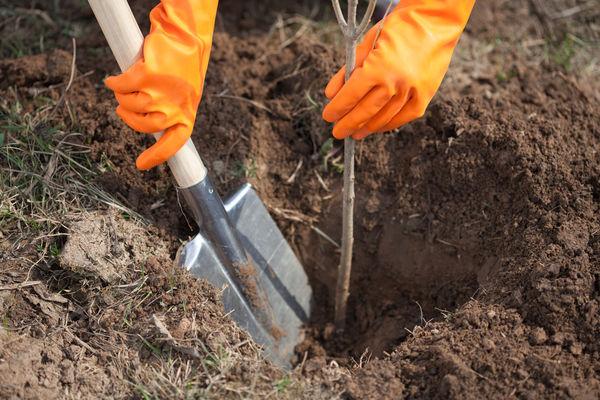
When planting, leave a distance of up to 4 m between seedlings and other fruit trees. Dig a hole for the seedling to a depth of about 1 m. The optimal width is 90 cm.
Planting technology
The process of planting a seedling:
- Prepare the ground.
- Dig a hole.
- You can add some fine drainage material to the bottom.
- Drive a strong wooden stake into the center of the hole.
- Place the seedling and bury it.
- Compact the soil around the trunk.
At the end of planting, tie the seedling to a stake and water it generously with warm water.
Watering mode
The Mutsu apple tree doesn't require frequent watering. The tree is first watered in early spring, before bud break. Then, during flowering and fruit set, the tree requires 50-60 liters of water. Warm water is used for soil irrigation.

Fertilization
The first fertilizer application is made in early spring. At this time, the tree needs nitrogen for active growth. During fruit formation, potassium and phosphorus are added to the soil, such as superphosphate, potassium salt, and rock phosphate.
In addition to mineral fertilizers, organic matter is added to the soil. Organic fertilizers (manure, bird droppings, compost, wood ash) can be added several times per season. Fertilizing apple trees too frequently is not recommended. Excess nutrients negatively affect fruit set.
Caring for the tree trunk circle
Several times a month, preferably before watering, weed the soil and remove all weeds. Avoid deep loosening to avoid damaging the root system.
Forming the crown
The crown is formed immediately after planting the seedling.
Crown formation:
- In the year of planting, the top is cut off.
- In the second year, all branches are pruned, leaving 3-4 of the largest ones, and their tops are removed.
- In the third year, some young, weak branches are pruned. The tops of overgrown branches are removed.
By the fourth year, the crown will be formed. When pruning, use sharp tools to avoid creases in the cuts. After each cut, coat the area with garden pitch and wipe the area with alcohol. These measures will help prevent many diseases.
Seasonal treatments
In early spring, before the sap begins to flow, the apple tree is treated with Bordeaux mixture or copper sulfate. In the fall, after the harvest, all the leaves are raked up and the soil is dug over. Sanitary pruning is performed, and all dead branches are cut off.
In summer, if the crown is very dense, thinning pruning is performed. It is not necessary to do this every year.
Preparing for the winter period
Before winter, the soil around the tree's trunk is dug over and mixed with manure. It is then mulched. The lower part of the trunk is wrapped in burlap to prevent mice from gnawing the bark during the winter. In winter, if snowfall is light, it can be raked closer to the trunk to protect the tree from frost.
Methods of reproduction
There are several ways to propagate apple trees:
- seedlings;
- cuttings;
- seeds;
- young growth.
The easiest way is to buy a ready-made seedling from a nursery and plant it. The apple tree will begin bearing fruit in the fourth or fifth year. This is the fastest way to grow an apple tree.
For cuttings, material is collected in the fall. It is stored in a cool place until February. Towards the end of February, the seedlings are removed and planted in the ground indoors. They will have time to root before the onset of warm weather. In the spring, the cuttings are transplanted outdoors.
Propagation by seed takes a very long time. First, you need to germinate the seeds, then grow the seedlings for several months. It's best to plant the seedlings in open ground a year after sowing the seeds. In the south, seedlings can be planted in the fall. It will take approximately 5-6 years for the apple tree to begin bearing fruit. Furthermore, there's no guarantee that all the seedlings will survive.
Another method is to dig up young shoots growing from an adult tree. The bushes are separated from the mother plant and replanted separately. The downside of this method is that not all the new shoots retain the characteristics of the mother tree.
Gardeners' reviews
Valeria, 37: "An excellent, productive variety. True, it doesn't produce a lot of fruit every year. The apples ripen late, but they don't spoil until almost spring. Freshly picked fruits are a bit tough and not as tasty; if you wait a couple of months, the flavor will be excellent; the apples are very aromatic and juicy."
Anastasia, 56: "I really like this variety. The apples are large and delicious when ripe. The tree is compact, but we prune it regularly to keep the crown from becoming too dense. The harvest is usually abundant; we haven't had a bad year yet, even though the tree is still young."
Related posts:
 Description of the Chudnoe apple variety, planting and caring for a dwarf tree
 Signs and treatment of apple tree cancer, varieties resistant to the disease
 Description and subtleties of growing the Sverdlovsk Beauty apple tree variety
 Description of the Red Early apple tree variety, agricultural technology and specific care
 Description of the ornamental Nedzvetsky apple tree, cultivation technology
 Description and characteristics of the Orlovim apple variety, cultivation nuances
 Description and characteristics of the Spartan apple variety, cultivation tips
 How to plant walnuts, care for them, and grow them at home