
- What types of caterpillars live on apple trees?
- Apple glasswing caterpillar
- Codling moth caterpillars
- Yellow
- Whites
- Greens
- Gray
- Black
- Signs of tree infestation
- Web
- Larvae under the bark
- Deformation and appearance of holes in the buds
- How to fight the pest: preparations and means
- Chemicals
- Karbofos
- Fufanon
- Tanrek
- Intavir
- Biopreparations
- Folk methods
- Wormwood herb
- Soda solution
- Soap solution with birch tar
- Tomato tops
- Terms and conditions of processing
- Before the sap starts to flow
- Before and during flowering
- After the color falls
- During and after fruiting
- Preventive measures
If caterpillars appear on an apple tree, how can they be dealt with? This question concerns many gardeners. These pests cause significant damage to the plant and can negatively impact yield. To ensure successful fruit tree cultivation, it's important to treat the crop promptly. This can be accomplished with chemicals, biological treatments, or homemade remedies.
What types of caterpillars live on apple trees?
Today, many species of caterpillars are known to attack apple trees. They negatively impact the tree's development and reduce yield.
Apple glasswing caterpillar
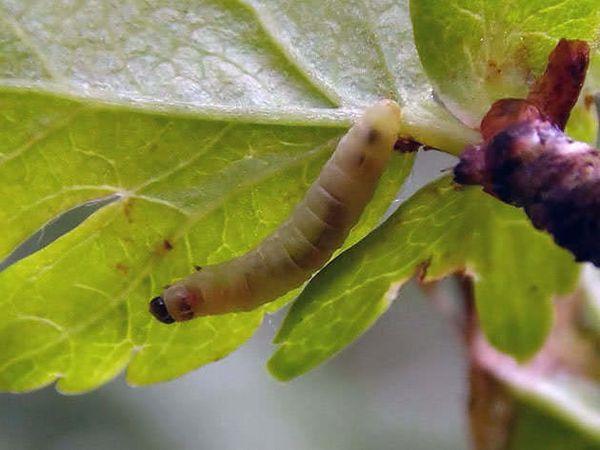
It is a white-yellow specimen (2.5 centimeters long). This parasite attacks only apple trees. When attacking a tree, it tunnels into the trunk and shoots. Eventually, the affected branches die.
Glasswing attacks are caused by cracks and frost cracks in the bark. To prevent this, it is recommended to whitewash the trunk in the fall and treat the wounds promptly. With the arrival of spring, it is permissible to use special treatments, such as Fitoverm.
Codling moth caterpillars
This pest is dangerous to trees. It overwinters in the bark or soil, forming a dense cocoon. After flowering The codling moth lays eggs on the apple tree foliage and in the structure of the ovaries. Eventually, the caterpillars enter the apples and make holes in them.
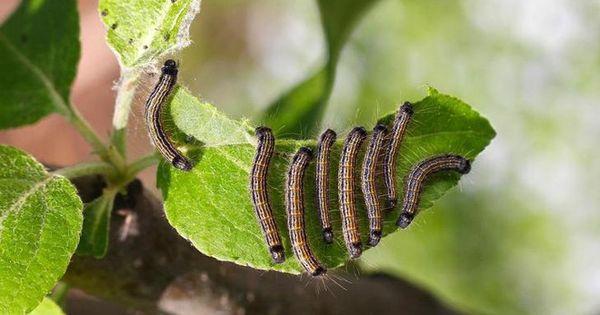
Codling moths can be controlled with trapping belts attached to tree trunks. Insecticide spraying also helps eliminate the pests. This procedure is repeated several times during the season.
Yellow
This is the coloration of the hawthorn moth. These caterpillars have black longitudinal stripes and reach 4.5 centimeters in length. Uneaten veins can be seen on affected leaves.
This color is typical of the small caterpillars of the apple moth. They have black spots along their bodies. These parasites pose a threat exclusively to apple trees.
Whites
Trees often suffer from attacks by white caterpillars. The most common caterpillars found on apple trees are the glassworm and the codling moth. Recently, the woodworm and fruit moth have become common. The plant can also be attacked by the oriental codling moth.
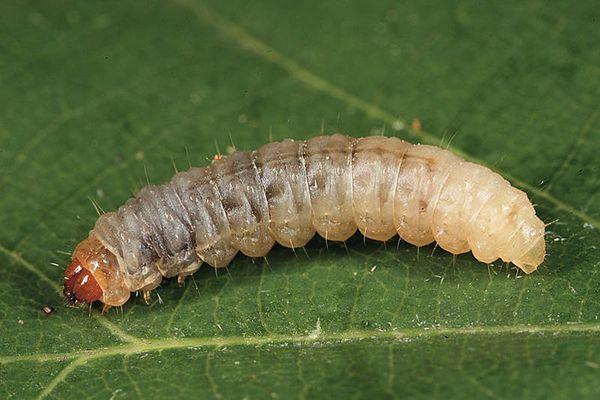
To deal with the parasites, it's recommended to find their nest. This is a hole in the bark. It's recommended to open the nest and remove any traces of the parasites' activity. Then, treat the area with an insecticide and copper sulfate. Finally, seal the damaged area with garden pitch.
Greens
Green caterpillars are typical of the winter moth. They reach 3 centimeters in size. When moving, the pests arch their bodies. They infest various parts of trees. The parasites lay eggs in the bark, the caterpillars accumulate in the crown, and the pupae remain on the ground.
These small insects attack buds, flowers, and leaves. During their life cycle, the pests form webs. Mechanical methods are used to control winter moths. For this purpose, adhesive belts are installed to trap and destroy the parasites.
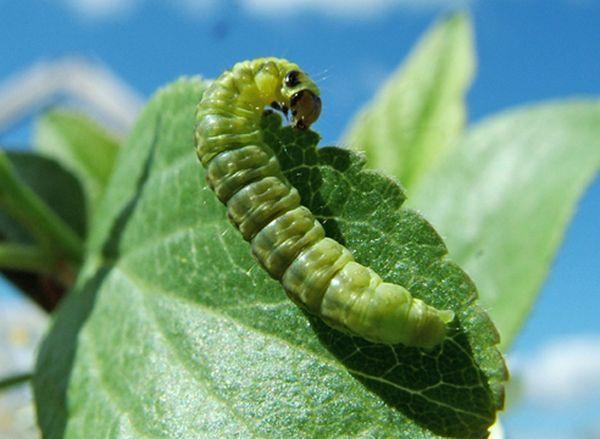
Natural remedies can also be used to treat the tree. A yarrow decoction is suitable for this purpose. A tobacco infusion is considered equally effective. The area around the tree trunk should be dug up.
In spring, leaf rollers can be seen on trees. These are green caterpillars, no more than 2 centimeters long. These parasites attack leaves, buds, and flower buds. In mid-July, curled leaves with visible webbing help identify the pests.
Gray
The apple tree can be damaged by the ringed silkworm, a grey caterpillar with blue stripes.
If there are only a small number of pests, treatment with a herbal decoction is sufficient.
In advanced cases, chemical treatments are essential. In this case, a single application of Karbofos (Carbophos) is sufficient. This should be done before flowering. If temperatures are above 15 degrees Celsius, Lepidocide or Bitoxibacillin can be used.
Black
Apple trees can be damaged by several species of black caterpillars. These include the gypsy moth, a large, hairy caterpillar reaching 7 centimeters in length. This parasite damages leaves, flowers, and fruit buds.
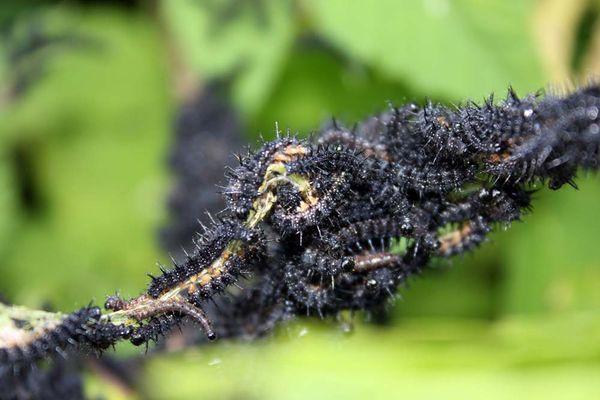
Silkworm cocoons form in June. By July, the moths emerge, laying over 1,000 eggs in the foliage. If a clutch is discovered, it should be removed. Before budding, spraying the tree with Nitrafen is recommended. Malathion-based insecticides are used before flowering.
Signs of tree infestation
There are a number of symptoms that can help you identify caterpillars on an apple tree.
Web
The key symptom of crop infestation is the presence of webs containing larvae. Common parasites that cause webs include hawthorn moths and silkworms. Geometrid moths and ermine moths can also cause problems.
Larvae under the bark
Caterpillar infestations of the trunk and branches beneath the bark remain asymptomatic for a long time. During this time, the parasites chew numerous tunnels into the trunk. This increases the risk of damage to the tree by bacteria and fungi. Such a tree quickly dries up and dies.
Deformation and appearance of holes in the buds
Caterpillars often damage buds and flowers. This significantly reduces the tree's yield. Flowers attacked by caterpillars fall off. As a result, the affected tree fails to produce fruit. If fruit does form, it too suffers from the caterpillars.
Hawthorn moth and codling moth can cause holes in buds and flower buds. Leaf rollers are also a common cause of these problems.
How to fight the pest: preparations and means
To deal with parasites, you need to choose an effective method in a timely manner.
Chemicals
The most effective means of pest control are chemicals. It is recommended to use them according to the instructions:
- It is recommended to treat trees several times during the season;
- It is essential to use protective equipment;
- Spraying should be carried out in damp, windless weather – this will prevent the active substances from evaporating quickly and make the procedure more effective.
Karbofos
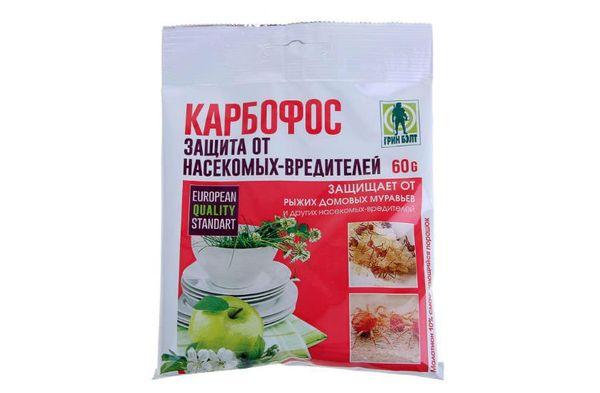
This product is an organophosphorus insecticide. It contains a high concentration of malathion. It is available in several forms: tablets, powder, and granules. The product is only active upon contact with pests.
The substance causes rapid death of parasites. The drug's effect lasts up to 10 days.
To make a medicinal solution, it is recommended to take 60 grams of the product and mix it with 6-8 liters of water. A young tree will require 2 liters of the solution. A mature tree requires 10 liters of the solution.
When carrying out treatments, it is worth considering the basic rules:
- It is prohibited to use the product during the flowering period;
- do not perform more than 3 treatments;
- During the spraying period, it is worth using protective equipment;
- The last treatment is carried out 3 weeks before the apples ripen.
Fufanon
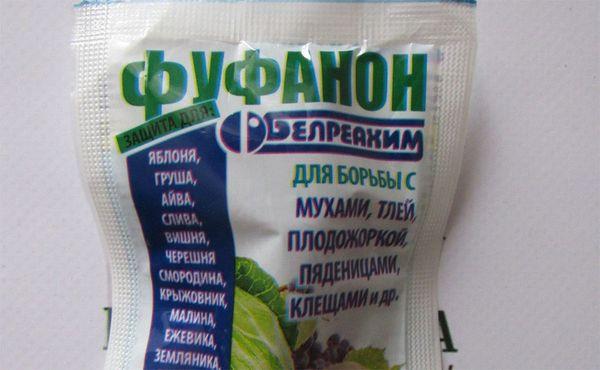
This product is an organophosphorus insecticide. Its active ingredient is malathion. It is produced as a concentrated emulsion. Its mechanism of action is through contact and intestinal action. The product causes acute intoxication of the parasite, which dies within 24 hours.

The product's effectiveness lasts up to 10 days. Unlike other insecticides, it has virtually no unpleasant odor. To prepare a useful solution, dissolve 10 milliliters of the emulsion in a bucket of water. You'll need 2-5 liters of solution per tree.
When working with the drug, the following features should be taken into account:
- use protective equipment;
- Do not use during flowering and fruit ripening, as the product is toxic to bees.
The product is applied during the growing season. It is recommended to stop spraying at least three weeks before harvest. The plant should be sprayed a maximum of twice per season.
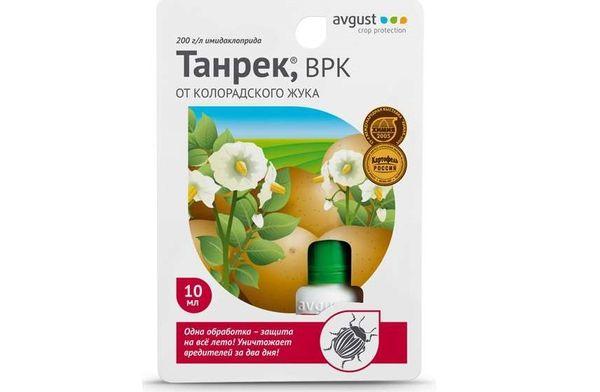
Tanrek
This product is considered a neonicotinoid. It is an organic, systemic insecticide. Its active ingredient is imidacloprid. It is produced as a liquid concentrate that dissolves in water.
The compound acts on the tree tissue, through which it penetrates the caterpillars' bodies. The chemical paralyzes the parasites, resulting in their death. The product is equally effective against larvae and adults. Furthermore, the compound is safe for fish.
After one treatment, the product remains effective for 3 weeks. The solution is resistant to precipitation. To prepare the solution, it is recommended to use 3 milliliters of the product per bucket of water. One apple tree will require 2.5 liters of solution.
When using the substance, it is worth considering a number of features:
- use protective equipment;
- Avoid using the substance during flowering and fruiting.
It is recommended to spray apple trees once per season. When using a codling moth control product, apply it at least one week before harvest. It is important to note that this product can cause tolerance. Therefore, it is recommended to alternate it with other insecticides.
Intavir
The composition is a synthetic insecticide classified as a second-generation pyrethroid. The active ingredient is cypermethrin. It affects the parasites' nervous system, causing paralysis of their organs. The composition is available in powder and tablet form.
To make the solution, dissolve one tablet in a bucket of water. For one apple tree, use 10 liters of the solution. The solution should only be used fresh. Spray the tree a maximum of three times. Be sure to use protective equipment while applying the solution.
Biopreparations
These medications are considered less toxic. They should be used for small parasite infestations and when more powerful treatments are not possible.
Fitoverm is considered an effective biological agent. It can be used after flowering begins. To prepare a solution, use one ampoule per 2.5 liters of water.
Folk methods
These products contain only natural ingredients, making them suitable for use throughout the growing season.
Wormwood herb
This plant effectively combats any caterpillars. To prepare the mixture, mix 1 kilogram of dry material with 1 liter of water and simmer for 15 minutes. Add the mixture to a bucket of water and spray the plant.
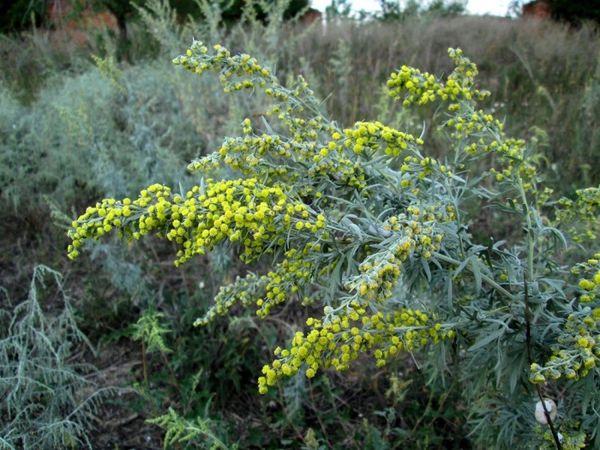
An infusion of fresh herbs is also effective. To do this, take half a bucket of the herb and add 10 liters of water. Let it steep for 24 hours and then simmer for 30 minutes. Mix equal parts with water.
For the herbal infusion or decoction to be beneficial, it's best to treat the tree 3-4 times. This is usually done at 7-day intervals.
Soda solution
To use this product, simply mix 3 tablespoons of the product with a bucket of water. Then, apply the mixture to the apple trees. Baking soda can also be used to dust the trees. To do this, mix the product with flour or ash.
For best results, it's recommended to prepare any baking soda-based products in a glass container. Use within 3 hours. Avoid exposing the product to direct sunlight.
Soap solution with birch tar
To make this remedy, take 10 grams of tar and half a bar of laundry soap. To combat codling moths, pour the solution into plastic containers and hang them on the apple tree.
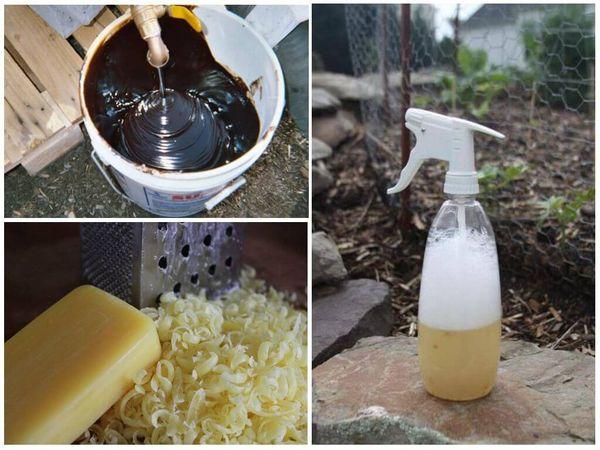
To kill hawthorn, it's recommended to pick off the pest's dry cocoons and then spray them with a solution. This should be done at the beginning of flowering. Treating the area around the tree trunk is also important.
Tomato tops
The mixture is used to kill various caterpillars. To prepare it, take 1 kilogram of the raw material and add a bucket of water. Let it steep for 4-5 hours, then simmer for 3 hours. Dilute the mixture with water in a ratio of 1:2.5.
Terms and conditions of processing
To get rid of caterpillars, it is important to treat the plant correctly, taking into account the seasonal factor.
Before the sap starts to flow
Even before the buds open, the trees should be carefully inspected and any traces of parasites removed.
Before and during flowering
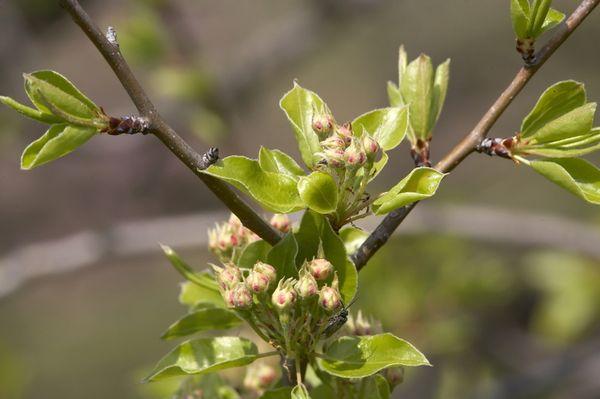
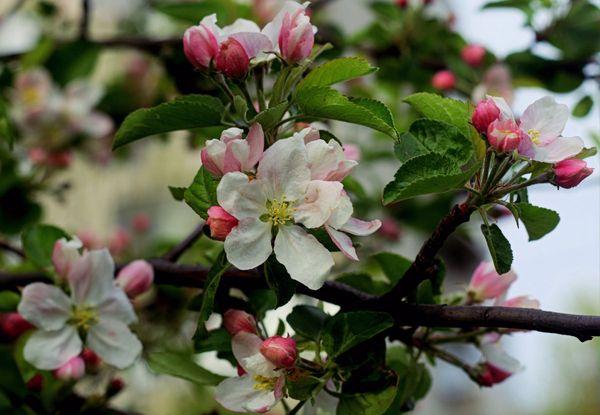
Apple trees should be treated promptly between bud break and before flowering. Insecticides and copper sulfate are used for this purpose. Otherwise, there is a risk of damaging ovaries and flowers. Avoid spraying once flowering begins. During this time, it is permissible to collect caterpillars by hand. Bordeaux mixture can also be used.
After the color falls
After flowering, the tree is treated again. During this period, folk remedies and insecticides are permitted. At least one month should pass between this period and fruit ripening.
During and after fruiting
During the fruiting period, the use of chemicals is strictly prohibited. To kill caterpillars, it is recommended to collect them by hand.
After harvesting, it's time to prepare your apple trees for winter. At this time, it's recommended to collect and burn fallen leaves and till the soil. Insecticides can then be applied. Also during this period, perform sanitary pruning of apple trees and treat affected areas. Tree trunks should be whitewashed.
Preventive measures
To avoid the appearance of caterpillars, it is worth paying attention to prevention:
- Regularly inspect the bark and look for holes. These usually contain evidence of insect activity.
- At the first signs of apple tree damage, fight pests.
- Destroy the caterpillars mechanically. To do this, shake them off the apple tree and onto plastic film. This method is especially effective against small black caterpillars.
- With the arrival of autumn, remove and burn fallen leaves from affected trees. It's also worth removing the affected layer of bark. It's recommended to treat the trunks with chlorophos.
- Attract birds. Birds are effective pest killers.
The appearance of caterpillars on apple trees is considered a common problem. This can result in severe damage to the tree and reduced yield. Chemicals and folk remedies can help combat the problem.
Related posts:
 Methods for planting and propagating cherries at home
 Rules for planting and caring for pears in open ground, how to grow them correctly
 The best grape varieties for growing in the Urals, planting and care rules in summer
 What to do and what is the best treatment if the leaves on a pear tree turn black?
 Conditions for growing mandarin at home and rules for caring for the tree
 The best methods for growing grapes from seeds at home
 Peach tree care and agricultural secrets, pest control
 Growing and caring for hazelnuts in open ground, rules for planting hazelnuts