
- The history of the selection of the Krasa Sverdlovsk apple tree
- Subspecies
- Creeping
- Standard
- Dwarf
- Cultivation regions
- Main advantages and disadvantages
- Characteristics and description of the variety
- Tree size and annual growth
- Lifespan
- All about fruiting
- Flowering and pollinators
- Ripening time and yield
- Tasting qualities of apples
- Fruit collection and use
- Susceptibility to diseases and pests
- Apple cancer
- Scab
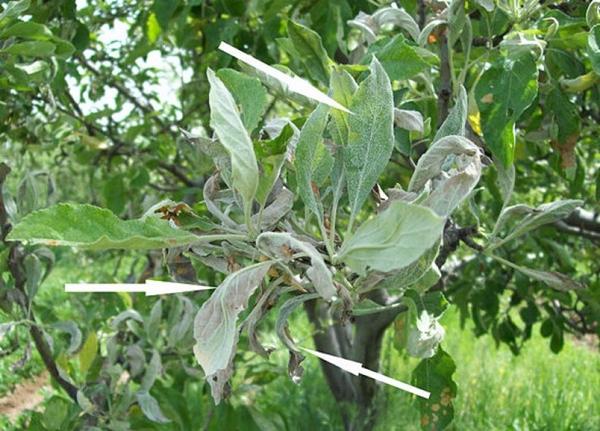
- Powdery mildew
- Moth, golden silkworm
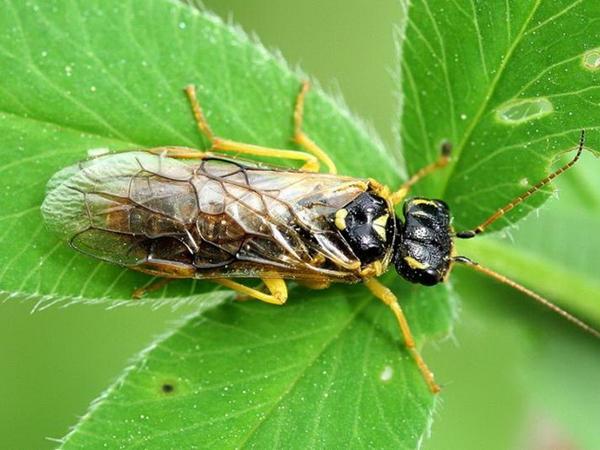
- Apple sawfly
- Resistance to adverse climatic conditions
- Specifics of planting the fruit crop Beauty of Sverdlovsk
- Deadlines
- Site selection and preparation
- Preparing seedlings
- Technological process of landing
- What can be planted nearby?
- Further care
- Watering and fertilizing
- Trimming
- Caring for the tree trunk circle
- Preventive treatments
- How to protect an apple tree from frost in winter
- Methods of propagation of the Krasa Sverdlovsk variety
- Gardeners' reviews
Any gardener who grows apple trees wants to see only the most delicious and productive varieties in their garden. Thanks to advances in breeding, hybrids with a wide variety of characteristics can be found. One popular apple variety is Krasa Sverdlovska.
The history of the selection of the Krasa Sverdlovsk apple tree
The Krasavitsa Sverdlovsk apple variety was developed by breeders L. A. Kotov, P. A. Dibrova, and L. G. Vengerov. The new variety was obtained by crossing large-fruited varieties.
Subspecies
There are several varieties of the Sverdlovsk Beauty cultivar. The differences lie primarily in the tree's characteristics. The growing region and planting site are selected depending on the cultivar.
Creeping
In the Northern Urals and Siberian regions, this tree variety is grown as a dwarf shrub. In winter, the tree is always covered with spruce branches.
Standard
This is a traditional method for cultivating the Sverdlovsk Beauty variety. When growing a standard variety, consider covering the tree for the winter. It is best planted in regions with warm or moderate winters.
Dwarf
The main advantage of the dwarf variety is the tree's compact size. Even if the plot is small, several trees can still fit without crowding each other. The tree begins bearing fruit early, in the second or third year after planting. The canopy is not dense, allowing the apples to ripen evenly, eliminating the need for thinning pruning every summer.
Cultivation regions
The Krasa Sverdlovsk apple tree is suitable for growing in most regions, regardless of climate. All varieties of the tree can be planted in the central and southern regions.
In the northern and Middle Urals, a creeping form is suitable for planting. In the Volga region, the standard apple tree form is best.
Main advantages and disadvantages
The advantages of the Krasa Sverdlovsk apple tree variety include:
- Taste qualities of ripe fruits.
- Productivity.
- Easy to care for.
- The fruits tolerate long-distance transportation well.
- The apples do not fall off even after they are fully ripe.
- Resistance to some types of diseases.
- The harvest is stored for a long time after harvesting.
Among the disadvantages, one can highlight average frost resistance.
When growing in regions with cold winters, cover is essential.
Characteristics and description of the variety
Before purchasing an apple tree seedling, it is important to study all the characteristics.
Tree size and annual growth
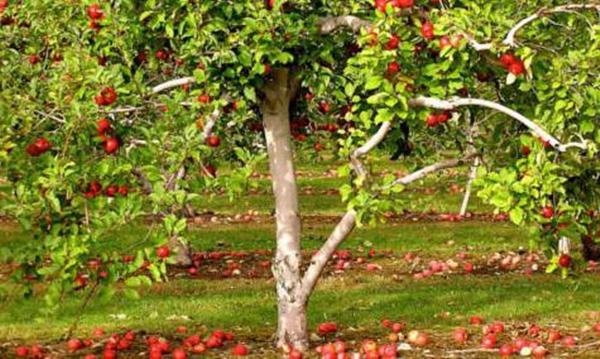
The tree is medium-sized, reaching a height of 4 to 5 meters. Its crown is spreading, reaching a width of up to 2.5 meters. The tree's size may vary depending on the growing region. Annual growth is 10-14 cm.
Lifespan
The tree's lifespan is approximately 30 years under favorable conditions. On dwarf rootstock, the lifespan is approximately 20 years. Apple tree productivity typically declines with age.
All about fruiting
It is also important to know all the information about the tree's fruiting.
Flowering and pollinators
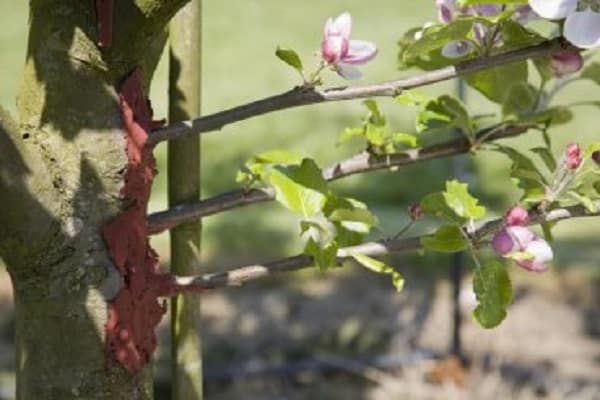
The apple tree blooms in May. The flowers are white and pink. The timing of blooming may vary depending on the growing region. In southern regions, the apple tree blooms earlier.

The Krasa Sverdlovsk variety is self-sterile. To obtain a harvest in the garden, it is necessary to plant several apple trees of other varieties, the timing of which should coincide with the flowering of the Beauty of Sverdlovsk.
Ripening time and yield
The tree begins bearing fruit in the fifth or sixth year after planting. The apples ripen around September. After harvesting, they need to be left to ripen for a few days. Freshly picked fruits are firm and not very juicy. They reach full consumer maturity in January.
The yield is good, and fruiting occurs annually. A single tree yields approximately 15 kg of fruit.
Tasting qualities of apples
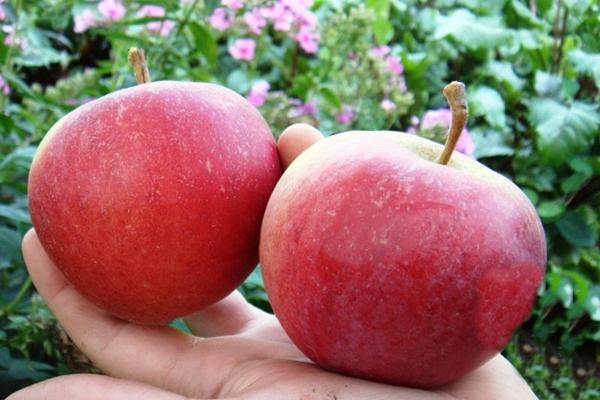
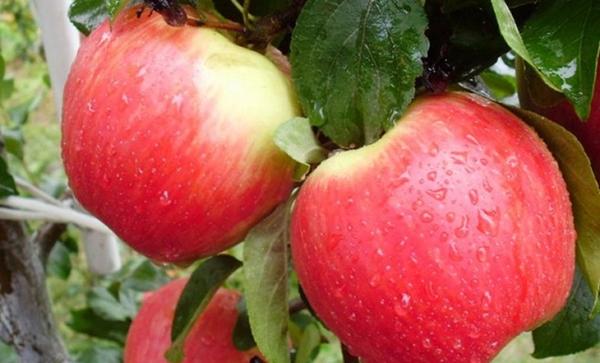
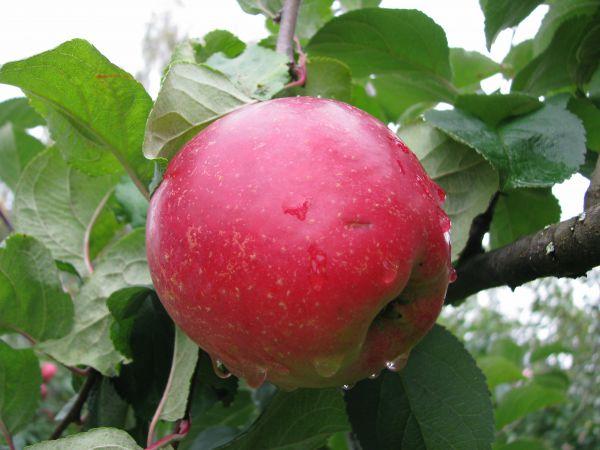
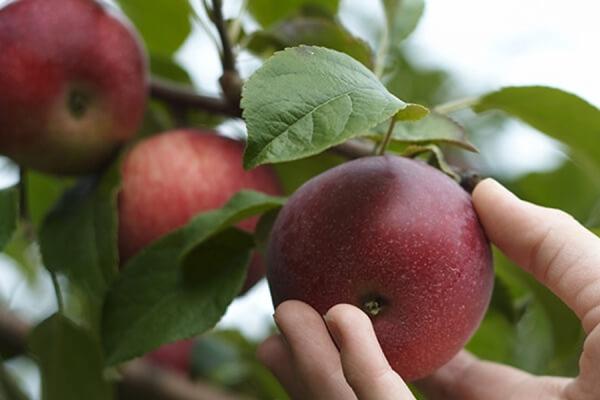
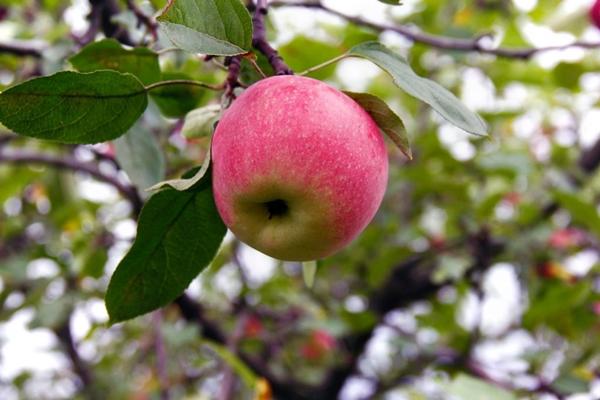
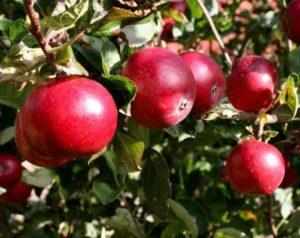
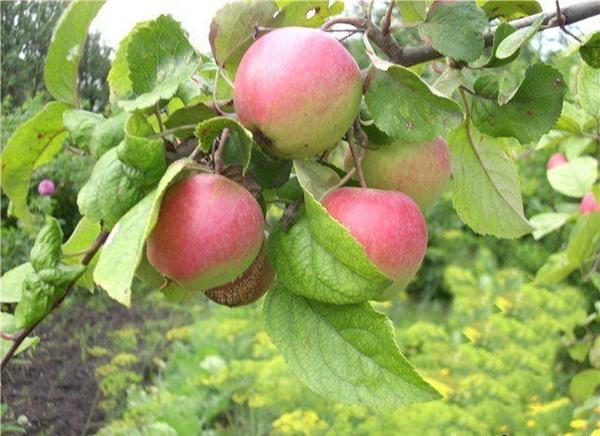
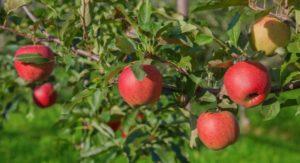
The apples are medium-sized, weighing up to 250 g, and have a regular, round shape. Some fruits have a conical top. The skin is smooth, without an oily coating, and covered with a thin waxy layer. The fruit is pinkish-red in color. The flesh is green after harvesting, then turns creamy.
The apples are delicious, but reach full ripeness closer to winter. The tasting score is 4.4 out of 5.
Fruit collection and use
The harvest is in the fall, around October. Freshly picked fruits are suitable for baking, compotes, and jam. For fresh consumption, they need to be stored for several months to reach full ripeness.
Susceptibility to diseases and pests
The Sverdlovskaya Krasa apple tree variety is characterized by good immunity to fruit tree diseases. However, if the tree is not cared for, diseases may appear.
Apple cancer
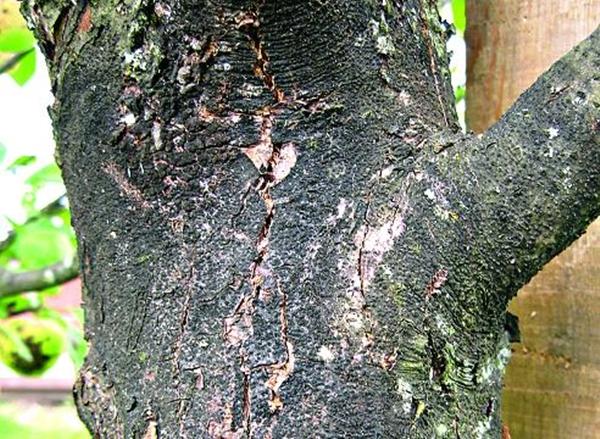
It's virtually impossible to cure the tree, except in its early stages. Affected branches must be removed, and the cuts treated. They are then coated with garden pitch. To prevent apple canker, preventative measures are necessary. These include pruning, tilling, and spraying the trees in early spring.
Scab
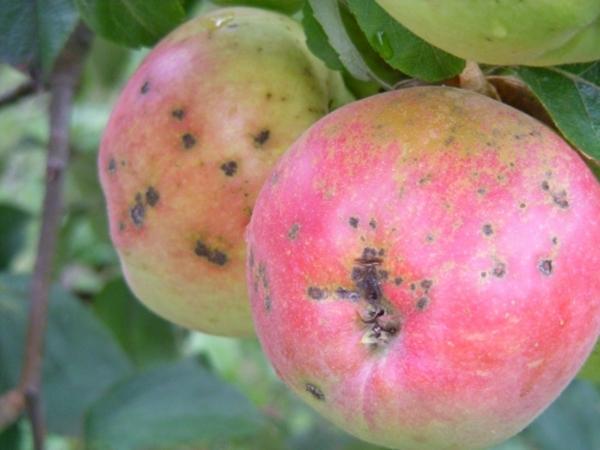
In spring and fall, the tree is treated with a urea solution. In early spring, before flowering and after fruit set, the apple tree is sprayed with copper oxychloride. If necessary, additional spraying with Bordeaux mixture can be done.
But chemicals aren't the only option. Mineral fertilizers are added to the soil and sprayed on trees. For example, ammonium sulfate, ammonium nitrate, and potassium nitrate can be used. These can be used preventatively, but only in very low concentrations.
Powdery mildew
Spraying with colloidal sulfur helps combat powdery mildew. Apply the first time when the leaves emerge, then 1-2 more times at 2-week intervals. Bordeaux mixture can be used for spraying. Topaz is also effective. Apply at 7-14 day intervals.
Moth, golden silkworm
To get rid of moths, you can manually collect nests containing eggs. Spraying with Lepidocide also helps. Dissolve 20 grams of the chemical in 10 liters of water and spray the trees. Bitoxibacillin is also effective. Dissolve 75 grams of the chemical in 10 liters of water and then apply.
Spraying with chemicals such as Entobacterin, Lepidocide, or Bitoxibacillin helps control the golden silkworm. Repeat treatment after 7 days. During the flowering period, cocoons containing caterpillars can be destroyed manually.
Apple sawfly
Fruit buds damaged by larvae can be collected by hand and destroyed. The crown is sprayed with pyrethroids or organophosphorus compounds. These treatments are carried out one week before and after flowering.
Resistance to adverse climatic conditions
The tree tolerates short-term droughts well. Frost resistance is average. When grown in northern regions without shelter, the apple tree may freeze.
Specifics of planting the fruit crop Beauty of Sverdlovsk
An important stage in growing an apple tree is planting a seedling.
Deadlines
Apple tree seedlings are usually planted in spring or fall. Spring planting is preferred in northern and central regions. In southern latitudes, trees are most often planted in fall.
Spring planting takes place after the soil has warmed up completely and the weather has become warm. This is usually mid- to late April. In the fall, planting takes place a few weeks before the cold weather sets in.
Site selection and preparation
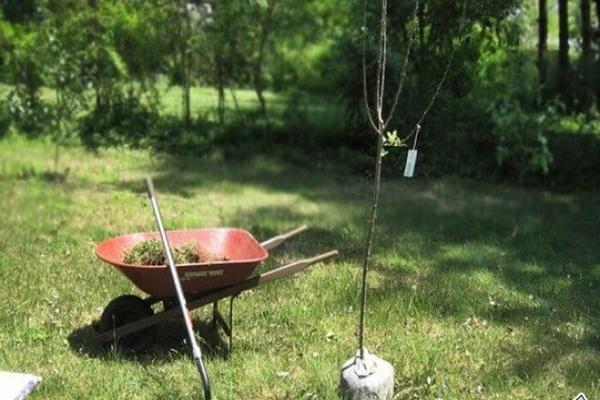
For planting apple tree saplings, it's recommended to choose open, sunny areas. They're best protected from drafts. South- and west-facing slopes are ideal.
It is not desirable to have tall trees growing nearby that will create a lot of shade.
The planting area is prepared in the fall. Leaves are raked and weeds are pulled. The soil is dug as deeply as possible. Then, complex mineral fertilizers or well-rotted compost are added. By spring, the soil will be rich in nutrients.
In the spring, loosen the soil again and remove all the weeds. After this, you can begin planting the tree.
Preparing seedlings
The day before planting, place the seedling in water. This is especially true if the rhizome has dried out during storage. If the bark and trunk have also dried out, place the entire tree in water for 1-2 days. During this time, the bark should regain its glossy, smooth appearance. If it remains wrinkled, the seedlings are not suitable for planting.
The roots are then inspected. They should all be fresh. Any damaged roots are trimmed. Once the root system is prepared, it is immersed in a growth activator for several hours. Immediately before planting, the rhizome is dipped in a liquid clay-manure solution and planted immediately before the clay dries.
Wetting the rhizome promotes better soil adhesion. Manure enriches and nourishes the roots while the seedling establishes itself in its new location.
Technological process of landing
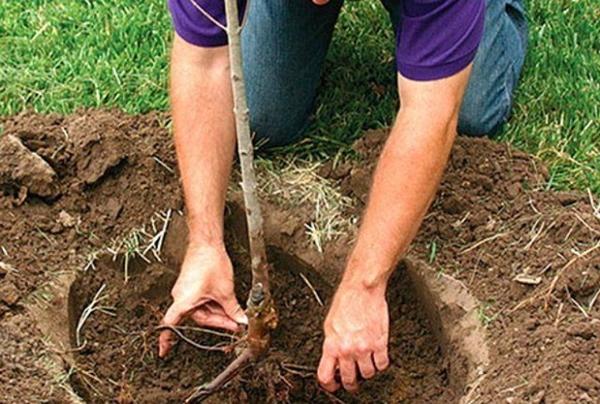
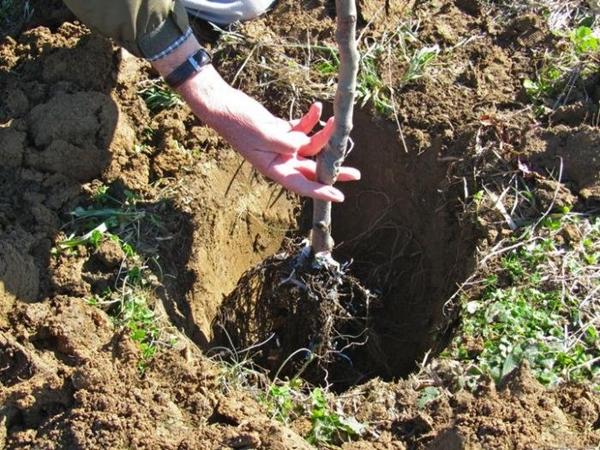
The process of planting an apple tree seedling:
- Dig a hole 1 m deep and 80 cm wide.
- You can add fine drainage material (pebbles, crushed stone or crushed eggshells) to the bottom.
- Drive a wooden stake into the center of the hole.
- Place the seedling and carefully straighten the roots.
- Cover it with soil and compact it near the trunk.
Tie the tree to a stake. Water it generously with warm water.
What can be planted nearby?
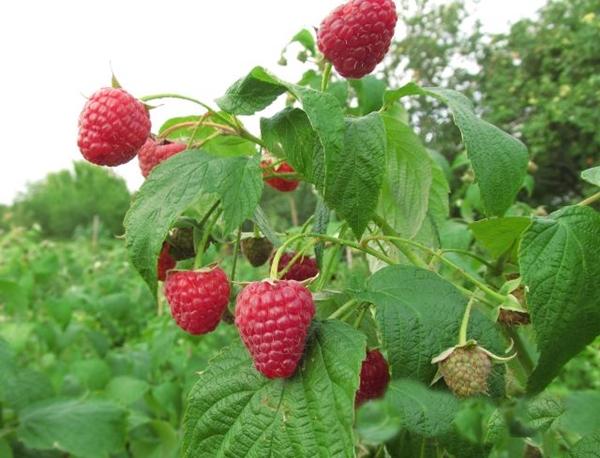
The apple tree gets along well with most fruit crops. Suitable plants include:
- other apple varieties;
- cherries;
- plum;
- apricot;
- honeysuckle;
- cherries;
- raspberries.
You can also plant herbs or flowers in the tree trunk circle.
It is not recommended to plant horse chestnut, walnut, all types of coniferous trees, and rowan nearby.
Further care
The productivity and health of an apple tree depends on how it is cared for.
Watering and fertilizing
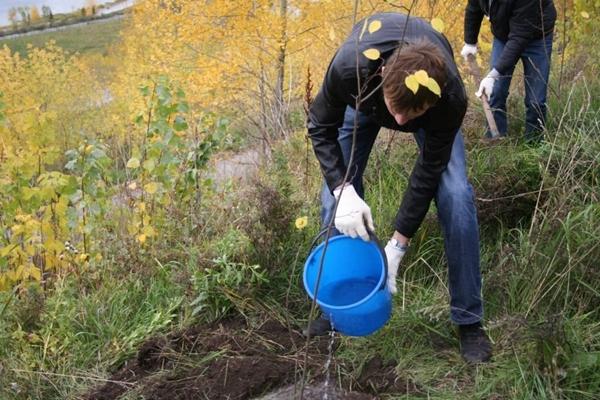
Apple trees don't require frequent watering. The first watering is done in early spring, before the buds swell. Then, the soil is watered 2-3 times a week until fruit set. After that, you can water once a week. Each tree should require approximately 40 liters of water. Use only sun-warmed water. Watering should be stopped a few weeks before the onset of cold weather.
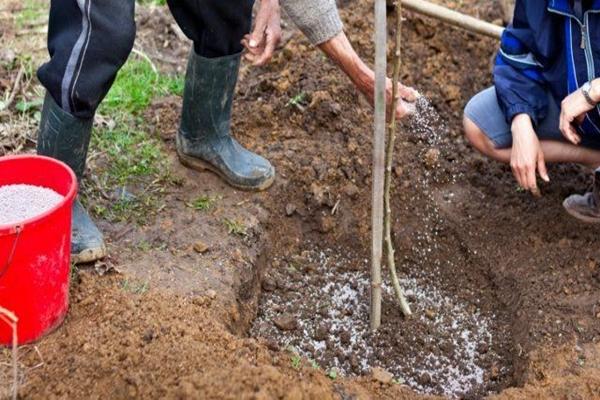
To increase yield, fertilizers are applied regularly. The first application is made after buds appear. During this period, the apple tree requires nitrogen-containing fertilizers. These include sodium nitrate, ammonium sulfate, and ammonium chloride.
In the second half of the growing season, phosphorus and potassium are added to the soil. For example, diammonium phosphate, superphosphate, and phosphate flour. Potassium-based fertilizers used include potassium magnesium sulfate, nitroammophoska, and potassium chloride.
In addition to mineral fertilizers, it's important to add organic ones as well. Once a month, water the soil with a solution of bird droppings. Before each watering, you can sprinkle the soil with wood ash. In the fall, dig the soil with rotted manure.
Trimming
Crown formation is carried out immediately after planting the seedling in open ground:
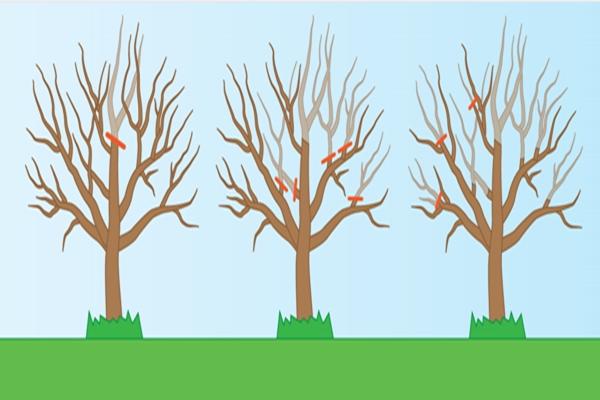
- The top of the seedling's trunk is trimmed off, leaving 3-4 large branches. Weak branches are trimmed off.
- The following year, the tops of the remaining branches are cut off, leaving 3-4 buds on them.
- In the third year, a few more large branches are left, the rest are cut off.
- By the fourth year, the apple tree crown will be fully formed.
In addition to formative pruning, sanitary and thinning pruning are also mandatory.
Thinning pruning is necessary if the tree's crown is too dense and the apples growing deep within it don't have time to ripen due to insufficient sunlight. This type of pruning is performed in midsummer. Thin, non-fruiting branches are removed.
Sanitary pruning is carried out in the fall, after the harvest. It is necessary as a preventative measure against diseases. Once the harvest is complete and all the leaves have fallen, dry and damaged branches are cut off.
For any type of pruning, use only sharp, pliable pruning shears. Wipe them with rubbing alcohol beforehand. Treat the cut areas with garden pitch.
Caring for the tree trunk circle
Several times a month, before watering, weed the soil around the tree's trunk. Loosening the soil has a positive effect on yield. Water provides the apple tree with sufficient oxygen. Weeds are also pulled regularly. It's undesirable to allow the area around the tree's trunk to become overgrown with weeds.
Preventive treatments
In early spring, trees are sprayed with Bordeaux mixture or copper sulfate. In the fall, the soil should be tilled and sanitary pruning should be performed. Throughout the summer, weeds should be pulled regularly.
How to protect an apple tree from frost in winter
The soil around the tree trunk is mulched. Straw, peat, and sawdust are used as mulch. Subsequent work to cover the tree for the winter continues in November. The lower part of the bark is wrapped in several layers of burlap. Then, 1-1.5 meters of the trunk are wrapped with spruce branches. When the first heavy snowfall occurs, rake as much snow as possible toward the tree.
Methods of propagation of the Krasa Sverdlovsk variety
There are several ways to propagate apple trees:
- seeds;
- cuttings;
- seedlings;
- young growth.
Seed propagation is the least commonly used method. Growing a seedling from seed takes a long time, and most of the resulting seedlings may die immediately after germination. Typically, only a few seedlings remain, at best.
Another method is cuttings. Cuttings are taken from two-year-old shoots. Each shoot should have 3-4 buds. The cuttings are stored in a cool place until spring. Then, they are rooted indoors. When the weather warms up, the cuttings are transplanted into the open ground.
You can also propagate young shoots growing from mature trees. The bushes are dug up, separated from the parent tree, and planted individually. However, the easiest way is to purchase a ready-made seedling from a nursery and plant it directly.
Gardeners' reviews
Antonina, 54: "We've had the 'Krasa Sverdlovsk' apple tree for a long time. It's a good variety, and we always have a harvest. We don't eat the apples right after picking; they don't taste very good. We have to let them sit for a few months. But at least we always have a supply of apples for the winter."
Maxim, 31: "A good winter apple variety. True, the tree was planted recently and has only just begun to bear fruit. The variety's main advantage is that the apples can be stored until winter. This was the main criterion for choosing the variety. Overall, the Sverdlovskaya Krasavitsa didn't disappoint."
Related posts:
 Description of the Chudnoe apple variety, planting and caring for a dwarf tree
 Signs and treatment of apple tree cancer, varieties resistant to the disease
 Description of the Red Early apple tree variety, agricultural technology and specific care
 Description and characteristics of the Spartan apple variety, cultivation tips
 Description and characteristics of the Orlovim apple variety, cultivation nuances
 Description of the Uralets apple tree variety and the rules for growing standard trees
 Description and varieties of the Sinap apple tree, planting and care rules
 Description of the ornamental Nedzvetsky apple tree, cultivation technology