
- History of selection
- Varieties
- Winter
- Late
- Description of the culture
- Tree height
- Crown width
- Branching of the root system
- Annual growth
- Flowering and pollinating varieties
- Self-fertility
- Fruiting
- Harvesting and tasting
- Resistance to low temperatures and drought
- Immunity to diseases and insects
- Lifespan of a tree
- Advantages and disadvantages: is it worth planting in the area?
- What rootstocks are used to grow
- Dwarf
- Semi-dwarf
- Columnar
- Necessary conditions for growth and fruiting
- Temperature and humidity
- Soil composition
- Illumination of the area
- Favorable and unfavorable neighbors
- Landing on the site
- Optimal timing
- Site layout plans
- Preparing the site and planting hole
- Step-by-step instructions for planting apple tree seedlings
- How to care for the crop
- Watering
- Weeding and loosening the tree trunk circle
- Fertilizers
- Formative pruning
- Prevention and control of pests and diseases
- Methods of reproduction
The Spartan apple tree, the result of Canadian breeding efforts, boasts many positive qualities, making it a favorite among Russian gardeners. It boasts high yields, excellent fruit flavor, and low maintenance. However, before planting this tree in your garden, you should familiarize yourself with all the rules and nuances of growing it, and consider the key requirements and conditions.
History of selection
The Spartan apple variety was developed in 1926 by Canadian scientists at the Summerland Experimental Station. The breeders' primary goal was to create an industrial hybrid variety with attractive marketability, good transportability, and long-term storage properties. To achieve this, they crossed two popular varieties—Yellow Pepin Newtown and McIntosh. This hybrid became known in Russia in the late 1980s and quickly gained popularity in gardens.
Varieties
There are several varieties of this cultivar.
Winter
Spartan Winter is one of the most exported Canadian apple varieties. Its popularity stems from its excellent shelf life and ability to withstand long-term storage without losing its flavor. With proper care, it can withstand temperatures as low as -35°C.
The apple tree is distinguished by its rounded crown and small leaves. The fruits are also small, weighing up to 100 grams. The fruiting period of this winter variety lasts from the last days of September until the third ten days of October.
Late
Late Spartan is a frost-hardy apple variety that produces abundant fruit and boasts excellent flavor. This variety is highly resistant to scab, powdery mildew, and other diseases.
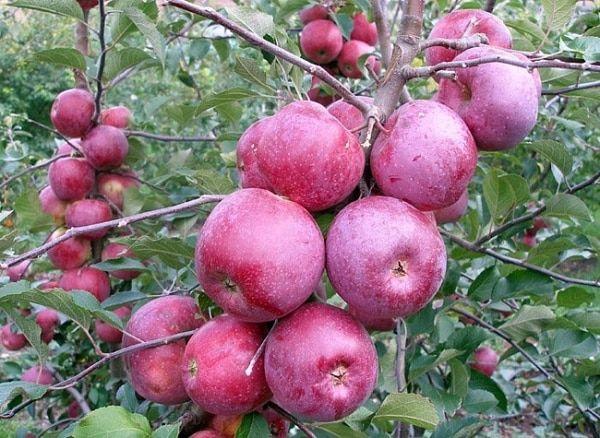
Its fruits are larger than those of the previous variety—up to 130 grams. They have a wonderful flavor, making them suitable for eating fresh or for making jams, liqueurs, and preserves.
Description of the culture
Before planting a tree, it is worth studying its description.
Tree height
This apple tree variety is considered medium-sized, reaching a height of 5-6 meters.
Crown width
The crown of the Spartan apple tree looks very lush due to the significant number of branches located at an angle of 70 degrees in relation to the trunk.

Branching of the root system
This apple tree variety has a fairly extensive root system with strong vertical and horizontal roots.
Annual growth
Every year the height of the tree of this variety increases by 15-20 centimeters.
Flowering and pollinating varieties
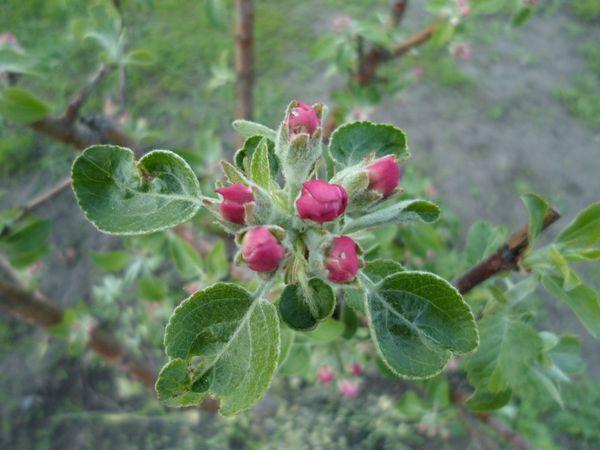
The Spartan apple tree's flowering period begins in May. This variety produces beautiful, richly fragrant white flowers that densely cover the branches.
For optimal pollination, it is recommended to plant apple varieties such as Idared, Golden Delicious, Kitayka, Melba, Jonathan, and Northern Sinap nearby. This will positively impact the yield.
Self-fertility
The Spartan apple tree is a self-fertile garden crop and can therefore be used as a pollinator for other apple varieties.
Fruiting
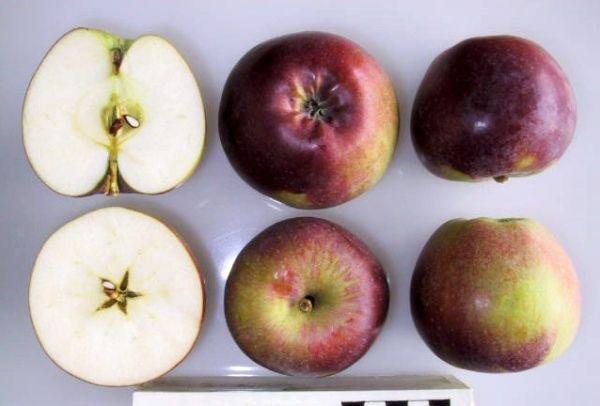
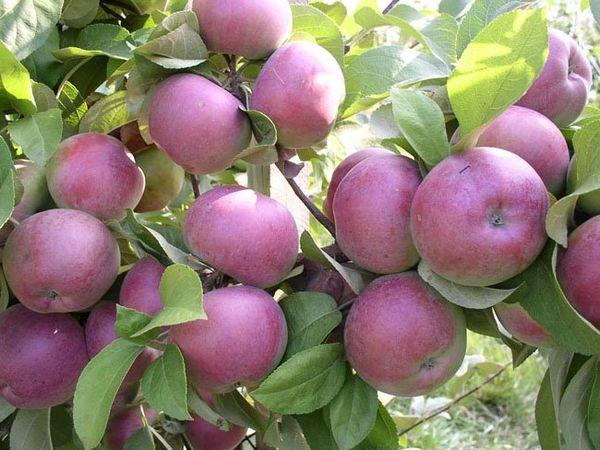
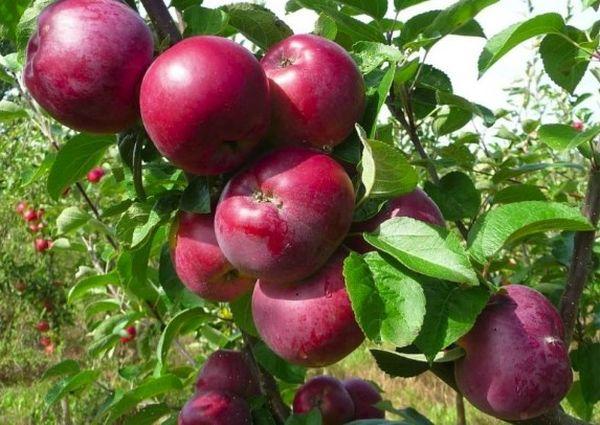
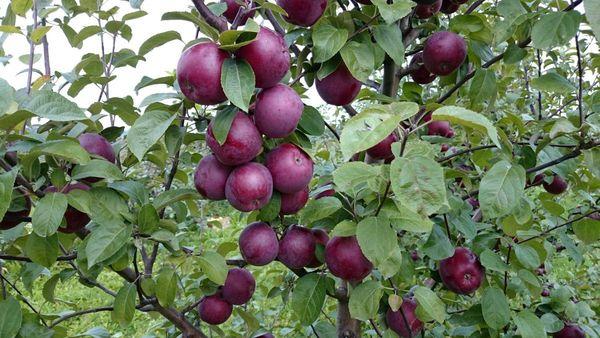
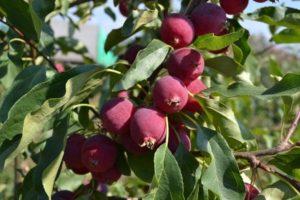
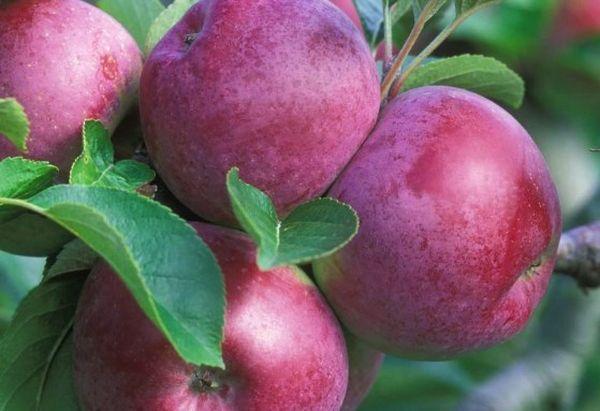
The first Spartan apple harvest ripens in the fifth year after planting. Subsequently, fruiting intensifies each year. A seven-year-old tree produces at least 35 kg of fruit, while a ten-year-old tree can yield up to 85-100 kg. The fruit is a rich, dark lilac.
Harvesting and tasting
The Spartan apple harvest season is from late September to early December. Throughout this period, the fruits become juicy and develop an excellent flavor—sweet with a slight, pleasant tartness. The apples can be stored on the tree for a long time without losing their quality.
The fruits, with their distinctive flavor, are eaten fresh. They can be stored in a cool, dark, and well-ventilated place until the following spring, after being placed in a wooden box. They are also used to make jam, preserves, and marmalade.
Resistance to low temperatures and drought
This variety is characterized by a moderate tolerance to low temperatures, although the hybrid was originally intended for cultivation in harsh climates. The apple tree does not tolerate spring frosts and freezing winters well, so additional shelter is required.
Its drought resistance is also average, and therefore requires regular watering and irrigation.
Immunity to diseases and insects
From its predecessors, this apple variety has inherited high immunity to scab, powdery mildew and other common diseases.
Lifespan of a tree
With proper care, an apple tree can live up to 80-100 years or longer.
Advantages and disadvantages: is it worth planting in the area?
The Spartan variety is characterized by the following advantages:
- early fruiting and stable yield;
- good presentation and taste;
- strong immunity to diseases, especially powdery mildew and scab;
- preservation and transportability of ripe fruits.
There are also some negative aspects:
- reduced cold-resistant properties;
- reduction in fruit size as the tree ages;
- In the absence of regular pruning, the quality of the fruit and the intensity of the harvest will decrease.
What rootstocks are used to grow
The variety can be grown on several rootstocks.

Dwarf
For growing apple trees on dwarf rootstock It is recommended to use Budagovsky's Paradise, also known as red-leaved. The tree's height of up to two meters makes care easier. The first fruiting occurs three years after grafting.
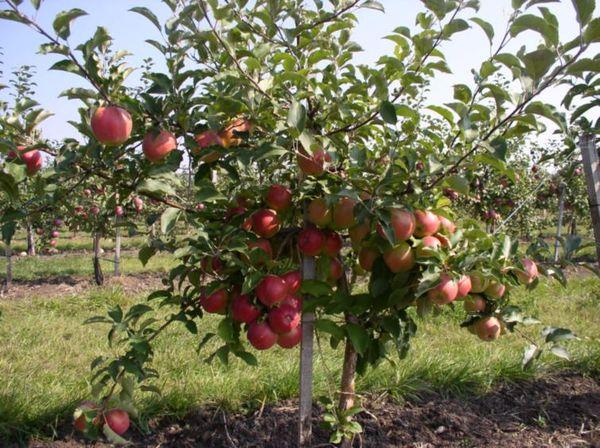
Advantages of an apple tree grown using this method:
- larger fruit size (with the addition of appropriate fertilizers);
- strong root system, capable of withstanding frosts down to -15 degrees.
Semi-dwarf
A tree grafted onto a semi-dwarf rootstock reaches three and a half meters in height and bears fruit in the fourth year after planting. It is characterized by a strong root system and abundant yields.
Columnar
Grafting onto a columnar rootstock doubles the apple tree's winter hardiness. The horizontal, upward growth of the branches eliminates the need for regular pruning, simplifying garden maintenance. This type of tree is also less susceptible to pests and diseases.
Necessary conditions for growth and fruiting
To obtain the stated yield, the tree will need to be provided with the necessary conditions.
Temperature and humidity
Apple trees need protection from temperature fluctuations. The optimal temperature range for the tree's root system is 10-25 degrees Celsius. This ensures normal flowering and fruiting. The recommended humidity is 85-95%. When this level drops to 25%, fruiting is impossible.
Soil composition
Spartan grows well on light loamy, sandy loam and chernozem soils that are loose and permeable to air.
Illumination of the area
The Spartan planting site should receive full sun throughout the day. It's important to avoid large structures nearby that could shade the young seedling.
Favorable and unfavorable neighbors
The most favorable location is next to other apple trees, pears, and plums. It is not recommended to plant walnut trees, apricots, barberries, and viburnums nearby.
Landing on the site
The survival rate of a seedling depends on compliance with planting rules.
Optimal timing
The best time to plant the Spartan apple tree is the end of April, as well as the end of September or the beginning of October.
Site layout plans
Apple tree saplings should be spaced at least four and a half to five meters apart. The width between rows should be three meters.
Preparing the site and planting hole
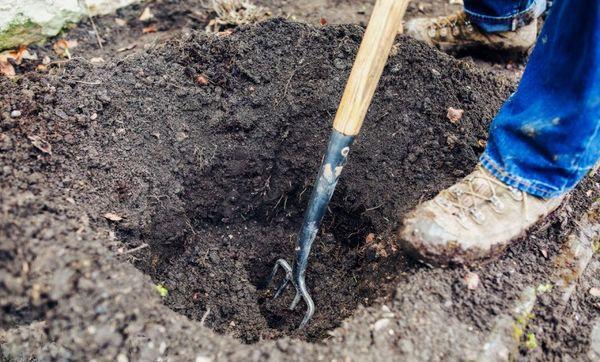
Before planting Spartan seedlings, check the selected site for groundwater levels. If the water table is too high, drainage channels will need to be dug. Dig the planting hole with allowance for the root system's development and branching. The optimal diameter is 1.2-1.5 meters, and the depth is 70-80 centimeters. Line the bottom with drainage stones.
Step-by-step instructions for planting apple tree seedlings
How to plant:
- Fill the prepared planting hole with a mound of fertile soil and fertilizers - ash, humus, superphosphate and potassium.
- Dig in a wooden stake that will serve as a support for the seedling.
- Place a seedling in the center of the mound and spread out its roots.
- Cover with a layer of fertile soil. The root collar should be 5 centimeters above the surface.
- Compact the soil and water the seedling.
- After the water has been absorbed, mulch the area around the tree trunk.
How to care for the crop
After planting, provide the tree with proper care.
Watering
It is recommended to water Spartan trees in the evening. Use approximately 30 liters of water per apple tree. In regions with hot climates, a drip irrigation system should be installed. During prolonged precipitation, watering is temporarily suspended.
Weeding and loosening the tree trunk circle
In spring and fall, weed and loosen the soil around the tree trunk. This is necessary to protect against pests and also to improve fertilizer absorption.
Fertilizers
During the growing season, the apple tree needs to be fed four times:
- urea or simple organic fertilizers during the formation of flower buds;
- at the flowering stage (a mixture of potassium sulfate, urea and superphosphate is used);
- a mixture of nitrophoska, potassium humate and water when fruiting begins;
- After harvesting, a mixture of superphosphate and potassium sulphate is scattered around the tree trunk.
Formative pruning
It's important to maintain the shape of the crown. To do this, in the tree's first year, remove the apical bud and shoots above it. In subsequent years, carefully trim the lateral branches.
Prevention and control of pests and diseases
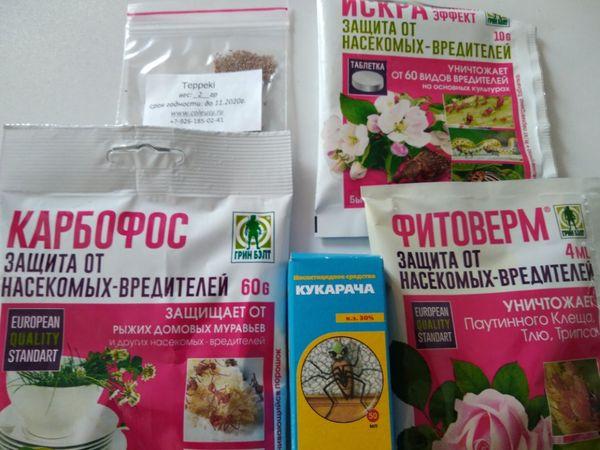
Despite the tree's high immunity to diseases and pests, preventative measures are recommended. For this purpose, treat trees with Fundazol, Tsimbush, Fastan, and other products. Severely affected branches should be removed.
Methods of reproduction
The Spartan apple tree is propagated by cuttings and seeds. To grow healthy, high-quality seedlings from seeds, you need to:
- Extract large, uniformly dark brown seeds from the ripe fruit.
- Rinse in warm water several times.
- Place the plants in water for three days to allow them to swell. On the third day, add a root growth stimulator to the water.
- Place in the refrigerator for 90 days, after mixing with sawdust and sand.
- After hardening, plant the seeds in a pot or plastic container.
Add expanded clay or pebbles to the bottom of the container for drainage. Then add black soil, which is rich in all the nutrients a young seedling needs. Plant the seeds 3 cm apart, with at least 15 cm between rows. After planting, water thoroughly. Sorting the seedlings can begin after the second pair of leaves has formed.
Related posts:
 Description and subtleties of growing the Spartan blueberry variety
 Description of the Chudnoe apple variety, planting and caring for a dwarf tree
 Description of the Red Early apple tree variety, agricultural technology and specific care
 Signs and treatment of apple tree cancer, varieties resistant to the disease
 Description and subtleties of growing the Sverdlovsk Beauty apple tree variety
 Description and characteristics of the Orlovim apple variety, cultivation nuances
 Description and varieties of the Sinap apple tree, planting and care rules
 Description of the ornamental Nedzvetsky apple tree, cultivation technology