
- Description and Features
- History of selection
- Characteristics of the variety
- Berries
- Flowering period
- Ripening time
- Applications of berries
- Resistance to diseases and pests
- Taste and medicinal properties
- Advantages and disadvantages of the variety
- How to plant correctly
- Recommendations for choosing deadlines
- Site and soil requirements
- Site selection and preparation
- How to select and prepare planting material
- Planting diagram
- Care instructions
- Watering mode
- Mulching
- Top dressing
- Trimming
- Preparing for winter
- Diseases and pests
- Powdery mildew
- Rust
- Aphid
- Kidney mite
- Harvesting and storage
- Tips and recommendations
The Spartan blueberry variety is grown not only by gardeners but also by professional farmers throughout the CIS. It's an undemanding plant and produces a bountiful harvest of delicious and juicy berries. However, to obtain these berries, you need to first familiarize yourself with the specifics of growing and caring for the shrub.
Description and Features
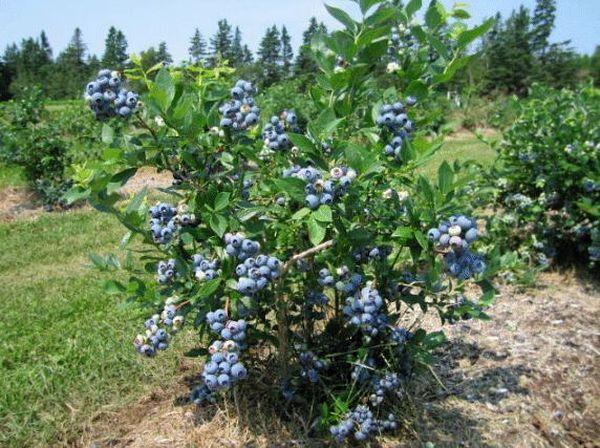
The Spartan blueberry is a perennial shrub reaching 2 meters in height. Its shoots grow upward. In autumn, the leaves turn red, giving the plant a decorative appearance. This variety's flowers form at the tips of the branches, while the flower buds are located along their entire length. Each bud produces 5 to 10 flowers.
History of selection
The Spartan blueberry was developed in the United States. It has been known to gardeners since 1977. During the development of this variety, scientists used wild varieties of the plant that grow in North American marshy areas.
Characteristics of the variety
The characteristics of the Spartan blueberry allow farmers and gardeners to identify the positive and negative aspects of this variety in advance, as well as learn about the specific agricultural practices of this plant.
Berries
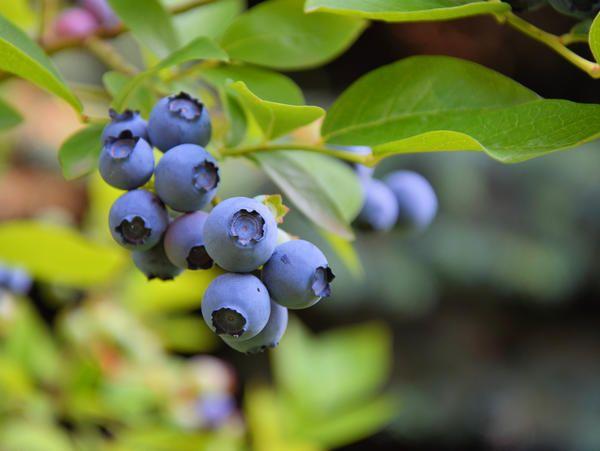
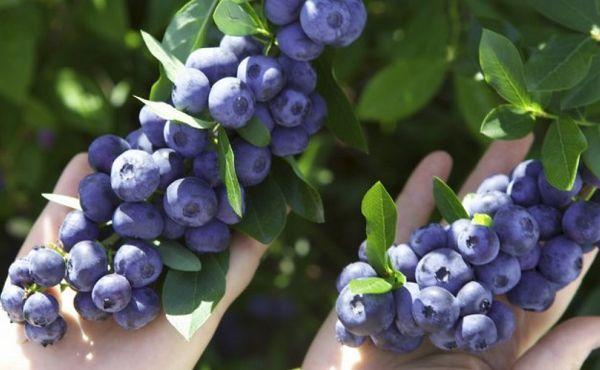
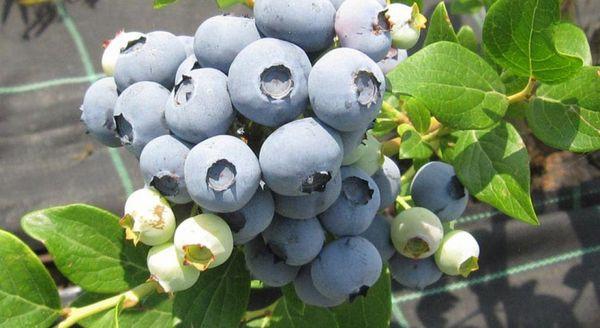
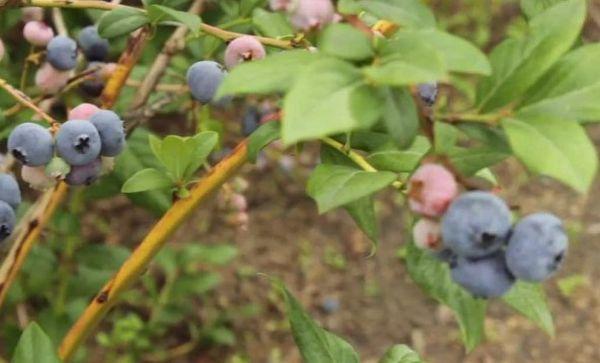
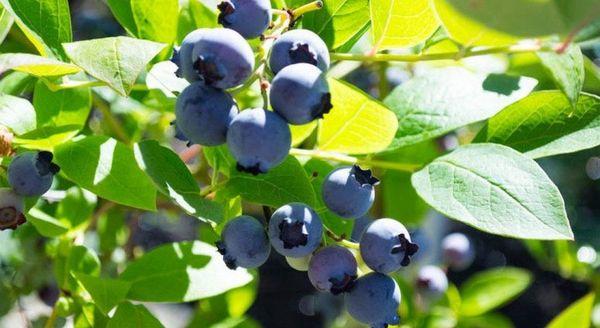
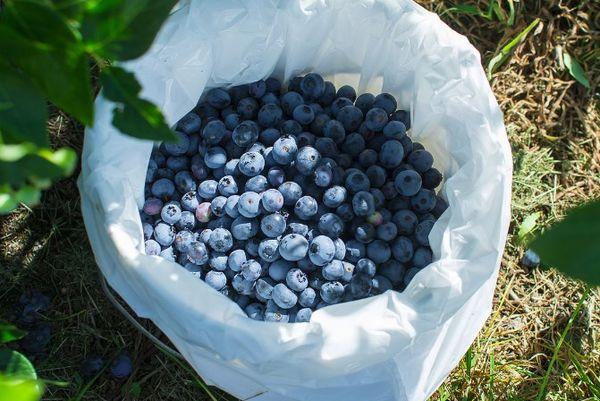
The berries are round and light blue when ripe. They average 1.5 g in weight and 15 mm in size. The pulp is characterized by density, pleasant balanced taste, juiciness and a pronounced aroma. Tasters rated their quality at 4.3 points.
Flowering period
The timing of blueberry bloom depends heavily on the climate of the region where it's grown. Typically, it begins in early to mid-June, which helps prevent the buds from being damaged by spring frosts.
Ripening time
Since Spartan is a mid-season variety, the harvest ripens at the end of July or the beginning of August.
Applications of berries
The fruits of the Spartan blueberry variety are suitable for:
- fresh consumption;
- preparation of vitamin tea;
- cake and dessert decorations;
- preparation of fruit assortment;
- drying and freezing;
- preparations of jam, compote, marmalade, juice.
Resistance to diseases and pests
Spartan has average resistance to pests and increased immunity to the following diseases:
- moniliosis;
- dying off of shoots;
- mummification of berries.
Taste and medicinal properties
Spartan blueberries have a balanced, sweet and sour flavor. This flavor is retained even after freezing or cooking. The fruits contain many beneficial substances, which is why they are used in the treatment and prevention of diseases. Specifically, they include:
- flavonoids;
- phenolic acids;
- organic acids;
- phytoestrogens;
- carotenoids;
- folic acid;
- tannins;
- calcium, copper, and iron salts;
- pectins;
- anthocyanins;
- fiber.
Such a rich composition allows the berries to be used as:
- cardiotonic agent;
- a drug that improves the urinary system;
- a product that has a positive effect on the visual organs;
- a remedy that has a positive effect on bowel function;
- antitumor drug;
- immunostimulant;
- antipyretic agent.
Advantages and disadvantages of the variety
Spartan blueberry has the following benefits:
- excellent taste characteristics;
- suitability of the crop for long-term transportation;
- self-fertility;
- high immunity to common diseases.
Among the disadvantages, gardeners note:
- sensitivity to excess moisture;
- requires constant acidification of the soil;
- it takes quite a long time to begin bearing fruit.
How to plant correctly
Spartan blueberries have specific planting requirements, and compliance with these requirements will determine future yields and how soon you can enjoy the first fruits.
Recommendations for choosing deadlines
Blueberry bushes are planted in spring or fall. Spring planting is preferred, especially in cool climates. The growing season will allow the plants time to establish roots and become strong.
The seedlings need to be planted before the buds swell.
Site and soil requirements
Blueberries should be planted in a well-lit area, protected from drafts and cold winds on all sides. Adequate sun exposure will increase yields. The soil in the chosen area should be acidic. Stagnant water is not allowed in areas where shrubs are grown.
Site selection and preparation
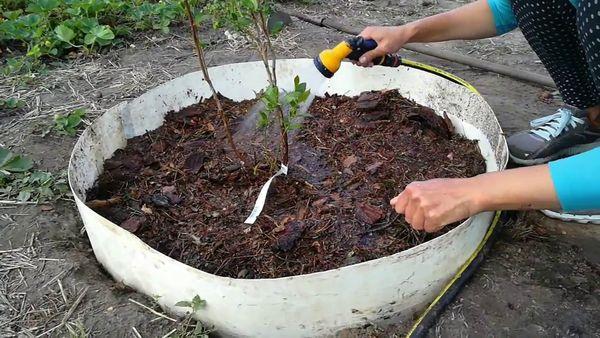
Before planting blueberries, ensure the soil pH is 4-5. A nutrient-rich soil mixture is prepared by mixing the following ingredients:
- peat;
- sand;
- needles;
- sawdust.
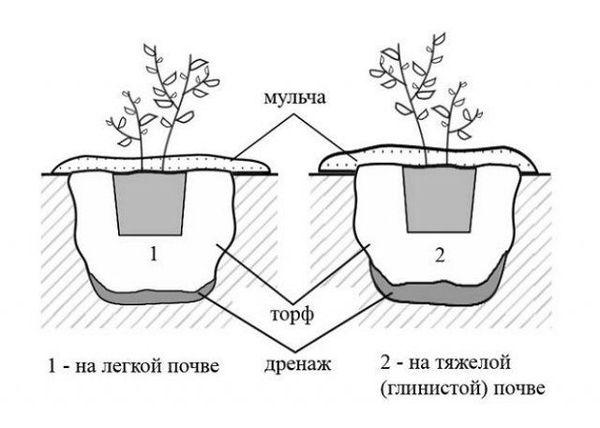
On clay soils, a drainage layer is laid first.
How to select and prepare planting material
It's preferable to purchase Spartan blueberry seedlings from nurseries or reputable retailers. It's best to choose plants with closed root systems for planting. If seedlings are purchased with bare roots, they should be soaked in a rooting stimulant solution before planting.
Young bushes should not show signs of any diseases or mechanical damage.
Planting diagram
To plant Spartan blueberries, dig a hole 0.5 m deep and 0.6 m in diameter. Leave at least 1 m between adjacent bushes.
Care instructions
It's important not only to plant blueberries correctly, but also to care for them properly so that they provide a steady harvest of delicious and healthy berries year after year.
Watering mode
Blueberries are considered moisture-loving plants, so don't allow the soil to dry out excessively. This is especially important in the summer, when the berries ripen and flower buds form for the future harvest. A lack of moisture significantly reduces yields. Irrigate 1-2 times a week, depending on weather conditions. Use one bucket of water per mature bush.
Mulching
To prevent excessive moisture evaporation from the soil, the area around the blueberry tree trunk is mulched. The mulch layer should be 2 to 10 cm thick. Spruce branches, sawdust, rotted leaves, or straw are all suitable for this purpose.
Top dressing
The Spartan blueberry variety grows and bears fruit even in poor soils. However, to improve the quality and quantity of the harvest, as well as its decorative appearance, periodic mineral fertilizers should be applied. Ready-made fertilizers for conifers, heathers, and rhododendrons are available for purchase at the store.
Fertilizers are applied in early spring, before the buds have swollen.
Trimming
Blueberry bushes less than four years old require regular sanitary pruning. Subsequent pruning is done to shape the bush and give it a neat appearance. This is done to encourage as many axial branches as possible. Less pruning will result in more berries, but these will be smaller.
Light pruning involves removing dead and damaged shoots, as well as old branches that no longer bear fruit. Shoots close to the ground are also pruned. Furthermore, promptly removing damaged or old branches prevents the shrub from becoming overgrown.
Preparing for winter
With proper care and planting, Spartan blueberries will survive cold weather well. In the Moscow region, the shrub requires additional shelter and protection. In the fall, superphosphate is applied to the plants, followed by covering them with pine needles or agrofibre. A thick layer of snow is then added over the covering.
Diseases and pests
If cultivation practices are not met, Spartan blueberries are susceptible to disease and pest attacks. It's important to detect the first signs of these problems early and take treatment and preventative measures.
Take a look Also
Powdery mildew
Signs of the disease include yellowish spots on the leaf blades. Over time, the leaves become wrinkled. The disease can be controlled by spraying with Fundazol or Topaz. Preventive measures include rationing watering and timely pruning. In spring and fall, spray with Bordeaux mixture or a similar fungicide.
Rust
Brown spots on the leaf blades indicate the disease. The foliage also turns yellow prematurely and falls off. Bordeaux mixture or Abiga-Peak are used to treat blueberries. Prevention is the same as for powdery mildew.
Aphid
Due to the negative impact of aphids, blueberries lose their size and their leaves curl. To protect the plants, treat them with Aktara. As a preventative measure, dig the soil seasonally and burn fallen leaves. Insecticide treatments are also recommended in spring and fall.
Kidney mite
This pest is dangerous because it eats blueberry buds and sucks the sap from young foliage. It can be controlled by spraying with Nitrafen. Treatments with ferrous sulfate are also effective.
Harvesting and storage
The Spartan blueberry variety is harvested both manually and using mechanical means. The fruits are frozen, dried, or processed into preserves. The berries have very thick skins, allowing them to remain fresh for a long time in the refrigerator.
Tips and recommendations
Spartan blueberries thrive in acidic soil. To maintain the desired pH, it's recommended to water the soil around the trunk each spring with a 9% vinegar solution (approximately 700 g per bucket of water).
Due to insufficient light, the bush's fruits become deformed and ripen poorly. Experienced gardeners recommend planting blueberries only in sunny areas.
To prevent the appearance of diseases and pests, preventative spraying of shrubs with Bordeaux mixture and iron sulfate should be carried out every autumn and spring.
Related posts:
 Description and rules for growing the Northland blueberry variety
 Description and characteristics of 45 of the best varieties of garden blueberries
 Description and characteristics of the Spartan apple variety, cultivation tips
 Description and characteristics of the Elizabeth blueberry variety, planting and care
 Blueberry recipes for the winter, including freezing or blending with sugar to preserve all the vitamins
 How to feed and what fertilizers are best for blueberries, soil acidification
 Description of the Denis Blue blueberry variety and the subtleties of growing it
 Description and characteristics of the Toro blueberry variety, growing rules