
- Description and Features
- History of selection
- Characteristics of the variety
- Berries
- Flowering period
- Ripening time
- Applications of berries
- Resistance to diseases and pests
- Taste and medicinal properties
- Transportability
- Advantages and disadvantages of the variety
- How to plant correctly
- Recommendations for choosing deadlines
- Site and soil requirements
- Site selection and preparation
- How to select and prepare planting material
- Planting diagram
- Care instructions
- Watering mode
- Mulching
- Preparing for winter
- Diseases and pests
- Tracheomycotic wilt
- Cytosporosis
- Phyllosticta leaf spot
- Septoria leaf spot
- Red spot
- Flat leaf roller
- Blueberry moth
- Peat yellow
- Heather arrowhead
- Methods of reproduction
- Seminal
- Vegetative
- Harvesting and storage
- Common mistakes when growing
- Tips and recommendations
The Elizabeth blueberry variety is a common sight in the gardens of many bush berry lovers. This variety is considered a hybrid due to its biological characteristics, which are similar to those of blueberries and grapes. This is why the berries have such a bright blue pollination and juicy flesh. This blueberry variety used to grow wild, but after domestication, it began to be cultivated in garden plots.
Description and Features
The Elizabeth variety is a shrub tree that reaches a height of 1.5 to 1.8 meters. Its structure is distinguished by green-red shoots and a dense, well-formed crown. During the growing season, dark green leaves appear on the shoots, which are quite dense in texture. These physiological characteristics confirm that Blueberry Elizabeth is a late variety. ripening and has high winter hardiness rates.
History of selection
The berry plant was discovered in North America, and for a long time, people collected its fruits in the wild. Blueberries were prized primarily for their nutritional properties, but the fruits were not used in cooking due to their astringent taste. In 1906, botanical researcher Frederick Vernon Coville contributed to the domestication of the plant, after which breeders conducted a series of crosses, and by crossing two varieties, "Catherine" and "Jersey," a new variety, "Elizabeth," was born.
Characteristics of the variety
The Elizabeth blueberry has unique characteristics that define it in various ways. Its strengths can be determined by its fertility, its application, and its tolerance to climate fluctuations.
Berries
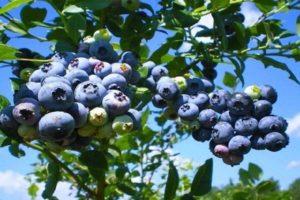
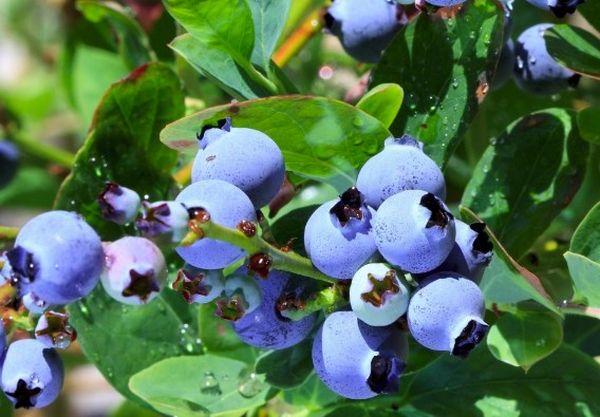
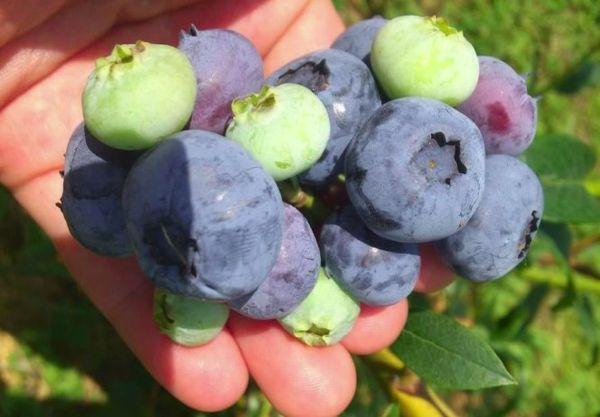
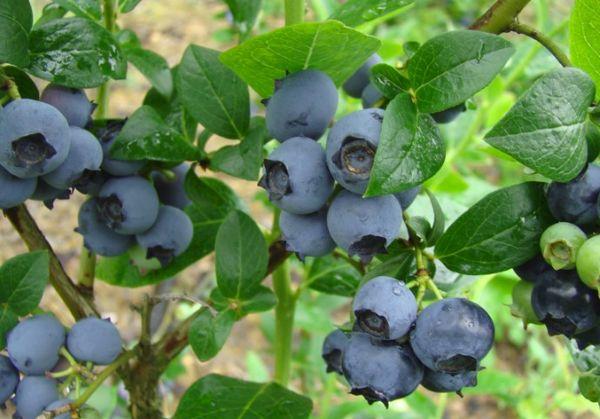
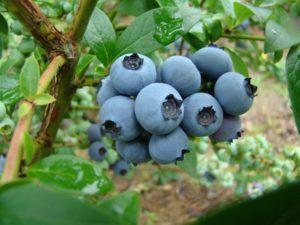
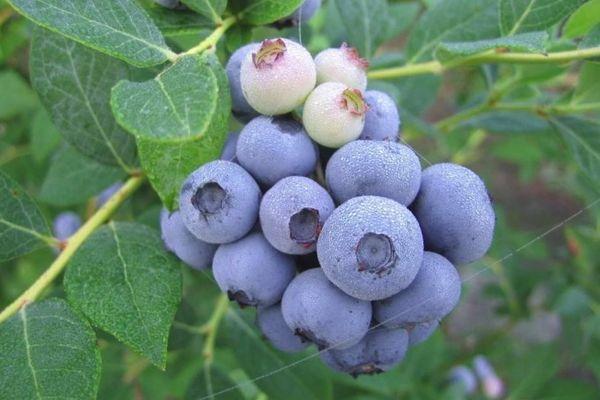
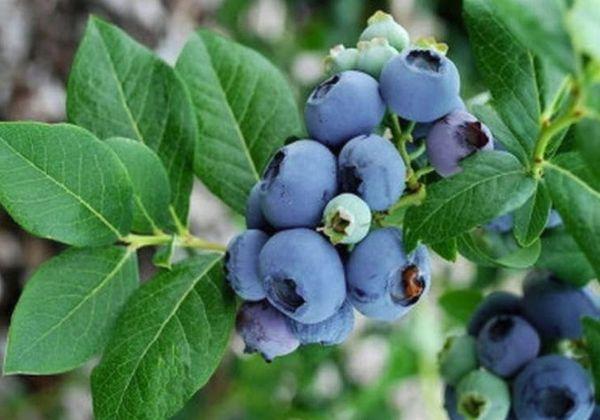
According to the description of the variety Elizabeth The variety produces tasty, round berries that are slightly flattened at the top. The fruits are bright blue, with a predominantly bloomy appearance. Each berry measures 20 mm, with yields reaching 22 mm in the best years. The berry cluster is neat, below average in size.

Flowering period
A warm spring precedes early flowering; by mid-May, the entire crown is covered with clusters of white bell-shaped flowers. The white flowers have pinkish veins. In the central and northern regions, flowering is delayed by a month, occurring in the first ten days or mid-June.
Ripening time
Fruit bearing begins in the 5th or 6th year, gradually increasing the number of fruiting shoots. The first fruits appear in August and continue to ripen actively throughout the month.
Applications of berries
Due to its appealing flavor, the Elizabeth blueberry is widely used in cooking. It is often eaten fresh, but it is also used in various preserves. These include jam, preserves, mousse, compote, kvass, wine, and pastila. In baking, blueberries are used as fillings for pies, muffins, and cakes, or as decorations.

Resistance to diseases and pests
The Elizabeth blueberry shrub is considered to have a strong immune system and can withstand a variety of fungal diseases. The most vulnerable areas are the root system, stems, and leaves. Due to high humidity, the plant is susceptible to late blight and leaf spot. Common pests include insects such as butterflies, caterpillars, and worms.
Taste and medicinal properties
Fully ripened Elizabeth blueberries guarantee a vibrant flavor with notes of bilberry, grape, and currant. According to gardeners, the berry is renowned for its sweetness, moderate acidity, and pleasant aftertaste. Elizabeth blueberries have long been popular in medicine, cosmetology, and among traditional healers. The berries contain vitamins P, E, A, C, and B, as well as beneficial minerals and salts.
Its main medicinal properties are expressed in increasing concentration, relieving inflammation, lowering body temperature, and strengthening capillaries.
Transportability
Elizabeth blueberries are easy to pick from the bunch, preventing damage to the skin and flesh. They are easy to transport, but their fresh shelf life is relatively short.
Advantages and disadvantages of the variety
The positive and negative aspects of the Elizabeth variety will help shrub lovers understand how to properly care for the plant. Key advantages:
- one of the best varieties in terms of taste;
- comparatively fast fruiting, depends on agricultural measures;
- uniform ripening of fruits;
- high frost resistance down to -30 degrees;
- culture is not afraid of sudden changes;
- resistance to fungal diseases;
- good transportability;
- use of berries in cooking, medicine, cosmetology;
- stable stalk, fruits do not fall off during the harvest period.
The reverse side of the Elizabeth variety shows:
- low yield figures;
- susceptibility to recurrent frosts during the flowering period;
- In the northern regions, with short summers, the berries do not have time to ripen;
- the storage period is short.
How to plant correctly
The Elizabeth blueberry's roots are originally wild, indicating its ease of cultivation. However, there are still some distinguishing features, including planting, soil, and selection of planting material.
Recommendations for choosing deadlines
The Elizabeth blueberry variety is planted in late April or late September, depending on the region and the quality of the young plant.
If the seedling is still fragile, it is planted in the spring to allow the roots to strengthen over the summer. If the plant is strong and vigorous, then in the fall.
Site and soil requirements
The Elizabeth blueberry variety thrives in warm, sunny conditions. Avoid strong winds and excessive shade. Choose a site at an elevated location, and it's important that tall trees nearby don't block the sun's rays. Elizabeth blueberries are self-pollinating, so they pair well with shrubs in the garden, such as currants, gooseberries, and ornamental cherries.
Site selection and preparation
For Elizabeth blueberries, select a soil site with sufficient acidity, moisture, and good aeration. The soil is thoroughly tilled, and peat, river sand, and soil from coniferous plants are added.

How to select and prepare planting material
You can purchase planting material at specialty stores, nurseries, and garden centers. This will help avoid product mix-ups. Seedlings are typically sold with closed root systems, planted in containers. Pay attention to the soil in the container: if it's fertile and moist, the roots are productive.
Externally, inspect the shoots and leaves for damage. Also, evaluate the color saturation, which indicates the health of the Elizabeth seedling.
Planting diagram
To plant the Elizabeth blueberry variety, dig a hole 60 cm deep, 10 cm in circumference, and space the trees 2 m apart. Line the bottom of the hole with a layer of crushed rock, pebbles, and brick fragments. If the seedling is in a container, add water before carefully removing it. Next, place it in the hole and fill with prepared soil, to which mineral fertilizer has been added. Compact the soil, create a ring around the trunk, and water with room-temperature water.
Care instructions
Care is no less important for Elizabeth blueberries, including watering, mulching, and winterization. Gardeners share their proven preventative and horticultural care plans.
Watering mode
During the growing season, the Elizabeth variety requires ample watering; moisture is essential for all parts of the fruitful plant. Water the seedling twice a week, one bucket in the morning before sunrise, and the second in the evening after 6 PM. The main thing is to monitor the moisture level; if it's too low, skip the next watering.
Mulching
Mulching protects trees from weeds, moisture loss, and soil erosion. The most proven materials are used: straw, bark, sawdust, and wood chips.
Preparing for winter
During the first few years, young Elizabeth shrubs require additional winter care. It's important to insulate the root system by weeding, watering, and applying a new layer of mulch. Also, before severe frosts, cover the plant with several layers of agrofibre and tie it up.
Diseases and pests
The Elizabeth blueberry variety, although resistant to diseases, can become diseased or be attacked by insects.
Tracheomycotic wilt
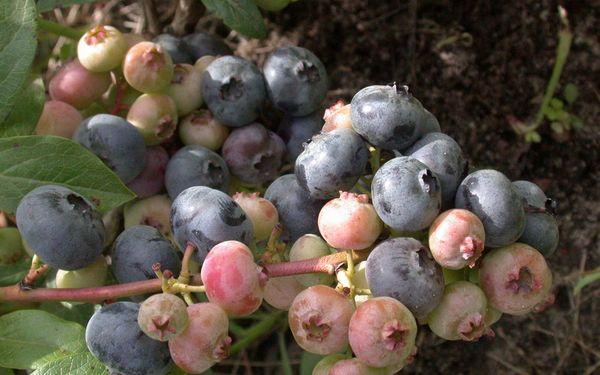
This is one of the most common blueberry diseases. Fungi enter the soil and cause infection throughout the plant. The root system dies, and leaves and stems wilt. Control measures include a thorough inspection of the seedling, treating the area, and removing residue from previous crops. Early symptoms are treated with Fitosporin-M.
Cytosporosis
Cytosporosis primarily affects the trunk and branches of the Elizabeth variety. Reddish-brown spots appear, which then dry out. Warm and rainy climates favor the disease. Damaged parts are removed from the tree, the trunk and thick branches are whitewashed. The soil is fertilized and loosened.
Phyllosticta leaf spot
The appearance of brown pigments on blueberry leaves indicates this disease. The foliage begins to rapidly turn yellow and fall prematurely; it's important to remove it from the soil immediately. Spray the plant with solutions such as "Abiga-Peak" or "HOM."
Septoria leaf spot
The main causes of septoria leaf spot are untimely leaf removal, soil contamination, and climate change. Elizabeth blueberry leaves develop reddish spots, which begin to wilt and eventually fall off. Treatment is with a 1% Bordeaux mixture.
Red spot
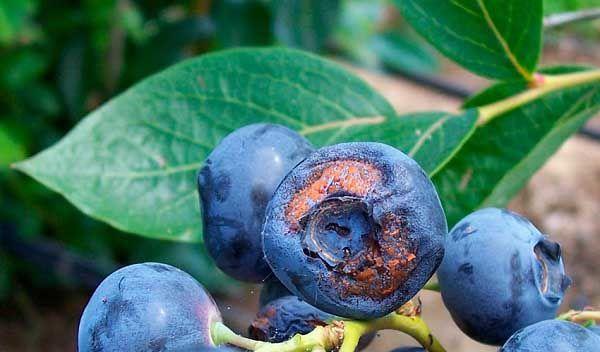
This virus is transmitted by a nematode, causing red spots to form on the leaf surface near the veins. These spots then cause the leaves to turn yellow and die. Particular attention should be paid to cleaning the area and selecting high-quality planting material.
Flat leaf roller
A light green caterpillar with two stripes eats the green parts of Elizabeth blueberries. They are removed mechanically from curled leaves and sprayed with Kemifos or Fufanon in the spring.
Blueberry moth
The geometer moth is a lemon-colored caterpillar with abdominal legs, spotted with black, or a butterfly of the same hue. They feed on stems and leaves in May. Mechanical traps are set for them.
Peat yellow
Another species of caterpillar, green with yellow iridescence and hairs, is regularly inspected on Elizabeth blueberry trees, removing any insects found.
Heather arrowhead
This is a caterpillar or butterfly with black and white speckles. Kemifos is effective in controlling this pest.
Methods of reproduction
Methods of blueberry propagation Elizabeth varieties come in both seed and vegetative varieties. The latter is the most productive for shrub cultivation.
Seminal
This method is rarely used in practice due to the complexity of the procedure. It's possible to sow and grow seedlings yourself. To do this, buy seeds, soak them in water, and consider any that settle to be suitable. They are then dried and stored until spring. In early spring, the seeds are sown in containers, germinated, and then planted outdoors.
Vegetative
Vegetative propagation methods include cuttings, layering, and division. This method involves selecting healthy blueberry branches and planting them near the main plant.
Harvesting and storage
The Elizabeth variety ripens in August, yielding 6-8 kg of blueberries per bush. During this period, the fruits have a uniform color and a pleasant blueberry-grape aroma. They can be stored in a cool place for up to 10 days.
Common mistakes when growing
A common mistake is to assume that a young Elizabeth tree likes abundant fertilizer.
When forming the soil, a sufficient amount of mineral fertilizers was added, which will be enough for the first years of growth.
Also, don't neglect cleaning up fallen leaves and weeds that contaminate the soil and all plants in the area.
Tips and recommendations
Growing a fruit tree of the Elizabeth variety requires using high-quality, disease-free seedlings. Don't skimp on products from trusted brands or garden centers. These specialists grow the plants using horticultural care.
Related posts:
 Description and rules for growing the Northland blueberry variety
 Description and characteristics of 45 of the best varieties of garden blueberries
 Blueberry recipes for the winter, including freezing or blending with sugar to preserve all the vitamins
 How to feed and what fertilizers are best for blueberries, soil acidification
 Description of the Denis Blue blueberry variety and the subtleties of growing it
 Description and subtleties of growing the Spartan blueberry variety
 Description and growing guidelines for the Reka blueberry variety
 Description of the Early Blue blueberry variety, planting and care