
- Patriot blueberry selection
- Botanical description
- Bush
- Flowering and fruiting
- Taste qualities of fruits and scope of application
- Characteristics of the variety
- Winter hardiness and drought resistance
- Immunity to diseases
- Planting and caring for Patriot blueberries
- Preparing the site and planting hole
- Timing and technology of planting seedlings
- Favorable and unfavorable neighbors
- Watering and fertilizing
- Mulching and loosening
- Trimming
- Prevention and treatment of diseases
- Preparing for winter
- Reproduction
- Gardeners' reviews
Blueberries have appeared in our gardens relatively recently, but many have already fallen in love with this berry for its exquisite flavor, easy storage, and abundance of vitamins and essential micronutrients. Patriot blueberries, a popular variety with large berries and excellent flavor, are a favorite among gardeners, used as hedges and enjoying excellent harvests.
Patriot blueberry selection
The Patriot variety, like most blueberry varieties, is an American selection, developed in Maryland and officially named in 1976. This year marked the 200th anniversary of the US Declaration of Independence, and the variety received its resonant name to commemorate the occasion. Initially, the bushes were used as ornamentals, but the berries' flavor and nutritional value were later appreciated.
The straight, tall bushes can be a great addition to any garden, and the variety is also highly productive and resistant to frost and disease.
Garden blueberries have become popular due to their similar health benefits to the wild berry, the bilberry. Regular consumption of blueberries can strengthen the immune system, improve vision, and is very beneficial for those trying to lose weight. Bilberries don't grow in gardens, so blueberries are an excellent and nutritious substitute.
Botanical description
Blueberries are deciduous shrubs of the Heather family.
Bush
It's tall (1.5-1.9 meters), upright, and not overly branched. The bushes are very decorative and can beautify a garden. With proper care, the Patriot highbush blueberry variety can yield up to 9 kilograms of berries per plant.
Flowering and fruiting
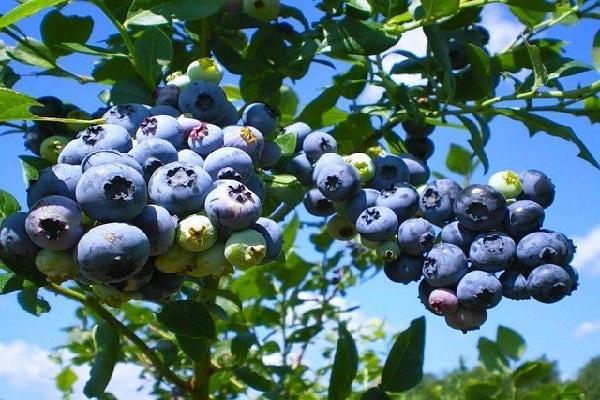
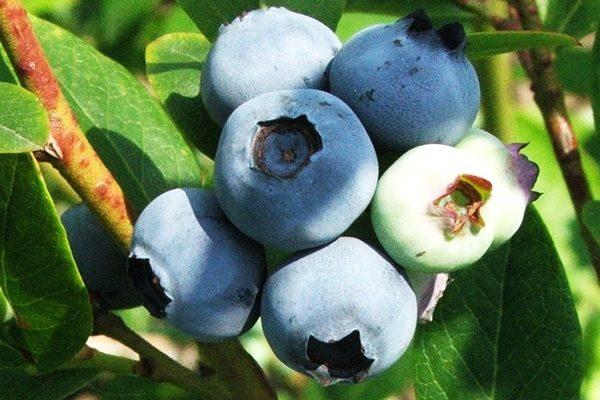
Patriot is a mid-early variety, with beautiful white flowers covering the bushes from mid-May; fruiting lasts over 1.5 months (45-50 days). The plant is self-fertile, but to increase the yield and improve fruiting, it's best to plant several bushes nearby. The berries ripen gradually. The harvest period is from late July to early September. The fruits are large, up to 2 centimeters in diameter, slightly flattened on the sides, and arranged in clusters.
Take a look Also
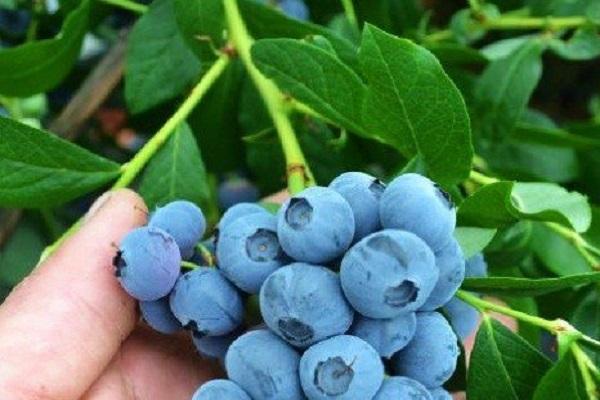
The fruits are light blue, covered in a waxy coating, with a firm, elastic skin and greenish, juicy flesh. Once ripe, they can remain on the vine for up to 1.5 weeks, developing their sweetness and aroma without falling off.
Important: blueberries do not stain the tongue or teeth; you can eat them without fear of developing an unnatural color in your mouth.
Taste qualities of fruits and scope of application
Blueberries are juicy, sweet, and aromatic; they withstand transportation well and can be kept fresh for up to two weeks. They freeze well and are used to make jams and preserves.
Characteristics of the variety
Patriot is one of the best varieties of garden blueberries.
Winter hardiness and drought resistance
Blueberries tolerate snowy, frosty winters very well; according to breeders, they can withstand temperatures down to -30 and even -40°C.
But don't be fooled - in our winter conditions, bushes often suffer from frost and need additional cover.
Patriot can withstand short-term drought, but it should be remembered that blueberries love water, but do not tolerate excess moisture.
Immunity to diseases
Patriot is resistant to powdery mildew, root rot, and berry mummification.
Planting and caring for Patriot blueberries
Growing blueberries is challenging, but a very rewarding experience. Here are some key points to keep in mind for gardeners new to this berry:
- it grows well and produces a harvest only on acidic soils with a pH of 3.5 to 5;
- the plant does not tolerate organic fertilizers and their proximity;
- The soil under berry bushes should always be kept slightly moist.
Under these conditions, blueberries will grow well and bear fruit abundantly.
Preparing the site and planting hole
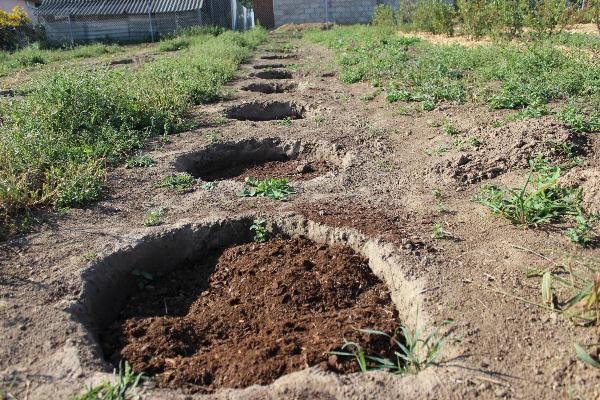
The area allocated for blueberries should be dug over and cleared of weeds. You can acidify the soil with citric or acetic acid. Mix 30 grams of dry citric acid in 8 liters of water or 100 milliliters of table vinegar per 10-liter bucket and water the soil.
Holes 50 centimeters deep are dug 1-1.2 meters apart. A sunny, moist area is chosen.
Timing and technology of planting seedlings
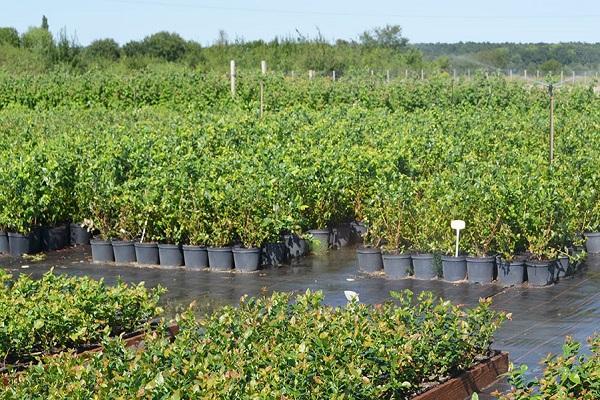
Varietal seedlings with closed root systems (sold in buckets of soil) can be planted throughout the gardening season, but the best time to plant is mid-April. Over the spring and summer, the plants will establish themselves and grow stronger.
To avoid damaging the roots, place the potted plant in water and then carefully remove it from the container. Fill the hole with a 1:1 mixture of peat and sand. You can also use rotted pine needles instead of peat. Place the seedling on top of the mound of soil mixture, gently spread the roots, and then fill the hole with soil and compact it well. After this, water the plant.
Favorable and unfavorable neighbors
Raspberries, viburnum, sorrel, and greens—all these plants, like blueberries, prefer acidic soil, so they won't be harmed by such a neighborhood. They won't grow near manure-fertilized beds or in areas where cabbage or beets thrive.
Important: You can check the acidity of the soil using litmus strips, which are easily found in gardening stores.
The soil under berry bushes should be acidified periodically.
Watering and fertilizing
Blueberries can tolerate short-term drought, but the bushes thrive on abundant watering, so the soil beneath them is mulched (preferably with pine needles) and kept slightly moist. Depending on weather conditions, water the plants 1-3 times a week, using 2 large buckets of water per bush.
The berries are fed three times per season, using exclusively mineral fertilizers. The first feeding is necessary immediately after the snow melts. Nitrogen fertilizers are used. The second is carried out during berry setting. Potassium compounds are used.
The final fertilizer, a phosphorus-potassium fertilizer, is applied in the fall, after harvest. With these additional nutrients, the plants overwinter better and produce fruit the following year.
Fertilize after watering, on moist soil. Sprinkle dry fertilizer under each bush or prepare a solution according to the manufacturer's recommendations.
Mulching and loosening
It's essential to remove weeds from under the bushes, carefully loosen the soil to avoid damaging the roots, and mulch with conifer bark or pine needles. This mulch retains moisture well and provides additional fertilizer for blueberries.
Trimming
There's no point in pruning a very young blueberry bush. After the leaves have fallen, remove them from under the bush, along with any damaged or dead branches. In the spring, re-inspect the bush and, if necessary, perform sanitary pruning.
For 3-4-year-old bushes, if necessary, remove lower branches and thin the plantings slightly, removing old branches and inward-growing branches. A bush that's too dense is more susceptible to disease, and its berries will be smaller and less flavorful.
Prevention and treatment of diseases
Blueberries most often suffer from fungal diseases. To prevent these, clear the soil of fallen leaves and old branches, which harbor fungal spores. The plant itself is treated with Bordeaux mixture. The same treatment is carried out in early spring, before the buds swell.
If fungal diseases appear (for example, gray mold), it is necessary to adjust watering and treat the plant with a suitable fungicide (Skor, Topaz).

Preparing for winter
In regions prone to severe and prolonged frosts, blueberries need to be covered for the winter. The branches are carefully tied, bent to the ground, and covered with burlap and spruce branches. Spunbond or agrofibre are convenient options. Of course, this method is suitable if you only have a few bushes in your garden.
Reproduction
Patriot blueberry seedlings should be purchased from reputable producers. They can be propagated by layering or dividing the bush during replanting.
When dividing a bush, it is carefully cut into 2-3 parts, each of which should have a developed root system.
To obtain layering, bend the lower branch to the ground, secure it with a staple, and earth it up. After sprouts appear, earth up the planting again. Separate the layering in the second year after planting by simply cutting the young plant from the mother plant.
Gardeners' reviews
Anna, 37 years old.
"I planted Patriot blueberries in my garden five years ago. Last year we had a small harvest, but this year there are significantly more berries. I'm very happy; my friends' plants didn't thrive at all."
Egor, 59 years old.
"I've had Patriot blueberries in my garden for a long time now. The kids love them—they eat them fresh and freeze them. To ensure they grow well, the soil needs to be acidified and tested for acidity every year."
Related posts:
 Description and characteristics of 45 of the best varieties of garden blueberries
 Description and rules for growing the Northland blueberry variety
 Description of the Denis Blue blueberry variety and the subtleties of growing it
 Description of the Early Blue blueberry variety, planting and care
 Blueberry recipes for the winter, including freezing or blending with sugar to preserve all the vitamins
 Description and characteristics of the Elizabeth blueberry variety, planting and care
 Description and characteristics of the Toro blueberry variety, growing rules
 Description and subtleties of growing the Spartan blueberry variety