
Pruning viburnum bushes and trees is done using different methods. In the wild, viburnum grows as a tall shrub. Modern gardeners try to cultivate it into an ornamental tree. This is possible with proper pruning. Shrub pruning varies and is divided by season. The procedure is performed in summer, fall, and spring. Each season has its own specific techniques.
Necessity of the procedure
Viburnum has always been a wild plant. Although it has long been cultivated in private gardens, the plant retains the characteristics of a wild tree. It produces numerous basal shoots. Its branches grow upward, thus thickening the crown.
Because of this, the lower branches remain in constant shade. This creates a moist environment suitable for the growth of harmful fungi and bacteria. Without pruning, the viburnum bush will become a dead tree within 3-5 years.
A dense crown also allows little light and air to pass through. Aerobic conditions are created inside, allowing fungi to thrive.
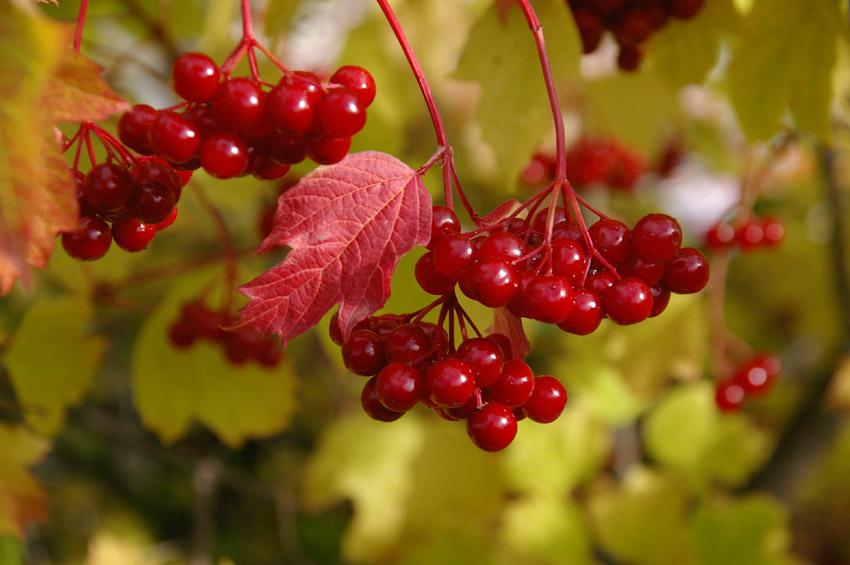
If you cut the berry in half, you'll find a heart-shaped seed inside. This is nature's hint about the fruit's medicinal properties. Viburnum stimulates the heart and lowers blood pressure.
Recommendations for choosing deadlines
Three different pruning cycles are performed in autumn, spring, and summer. Each period requires its own specific method. Large cuts should be avoided during this time, as no one can predict what the winter will bring.
If you cut off too many branches, the bush may not recover after winter and may freeze completely.
In the spring, formative and rejuvenating pruning is performed. The viburnum's crown develops over the first 3-4 years. After that, gardeners simply maintain the crown. To do this, they prune away any diseased inward-growing branches, suckers, and weak shoots.
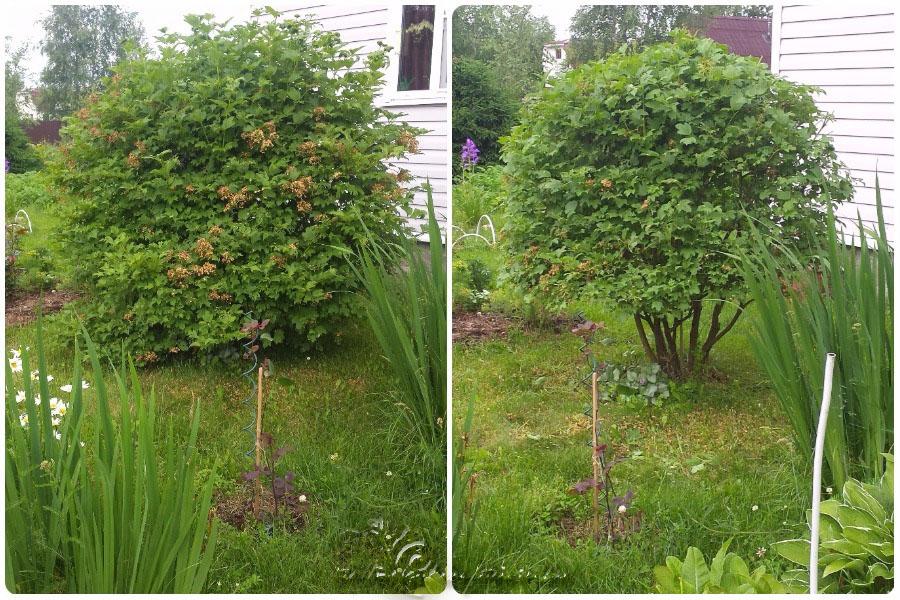
Summer is a great time for thinning the crown. At this time, dense areas that require attention are clearly visible.
Varieties
Viburnum pruning is carried out in several ways: formative, thinning, sanitary, and rejuvenating.
Formative
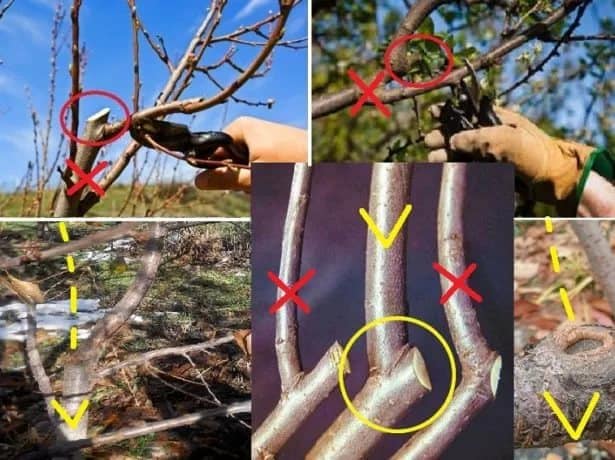
The plant's appearance is shaped during the first 3-4 years after planting outdoors. Viburnum can grow as a bush or a tree. The choice depends on the gardener's personal preference, available garden space, and the plant's location.
In the form of a bush
In the wild, viburnum grows as a large, wide bush, reaching 2-3 meters in height. This form is often found in forests. This appearance is achieved if you don't prune it, but leave it as is.
Gardeners typically select 6-7 strong shoots and prune out the rest. The bush is supported by an outstretched arm.
In subsequent years, ensure the shrub doesn't produce too many basal shoots, removing them annually. Also, monitor the growth of the top. If it exceeds the desired size, trim the excess length.
Important! When pruning, remember that fruiting shoots are one-year-old shoots.
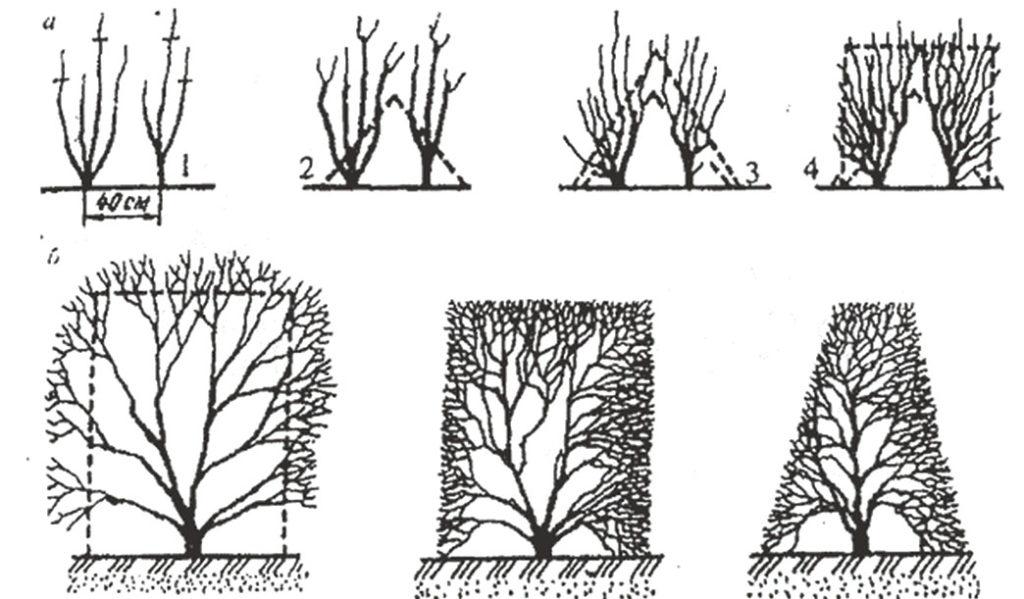
In the shape of a tree
Many gardeners note that viburnum trees often break due to their fragile trunks. They also often grow crooked. To support the heavy weight, they use stakes. It's also noted that viburnum tree yields are much lower than bush viburnums.
A single strong shoot is selected and formed into a tree, while the remaining branches are removed. This is the principle by which tree formation is based.
Currently, varieties have been developed that initially grow on a single trunk and have the shape of a tree.
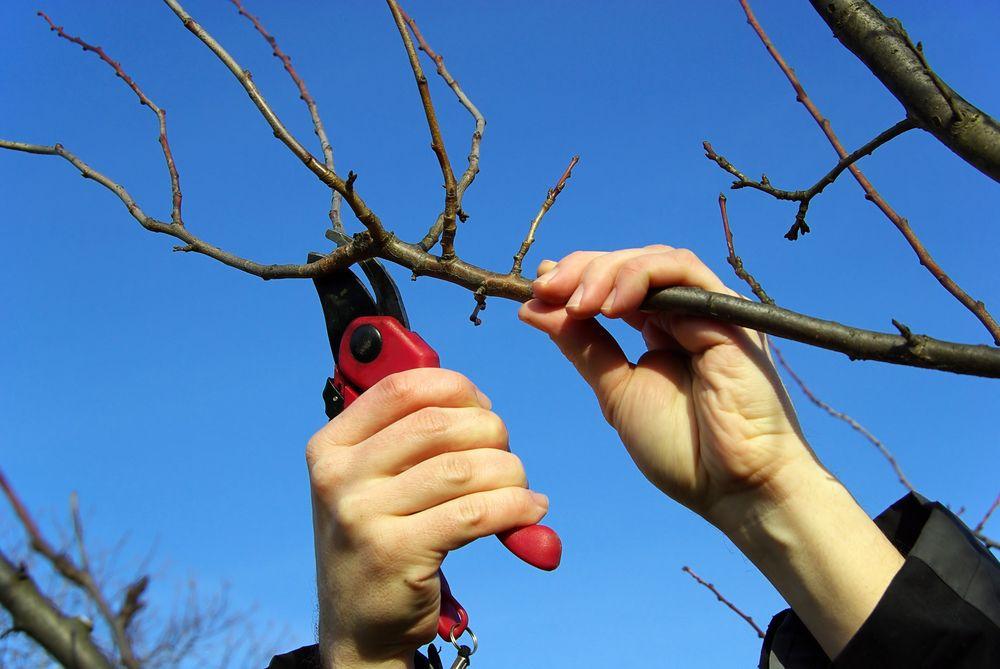
Thinning
Thinning is carried out annually in the summer. The best time is after the leaves have emerged but before fruit sets. Visually inspect the bush, identify any dense areas, and remove some branches. These branches most often grow inward, are water sprouts, and are located too close to each other.
Sanitary
This type of pruning is done only after the fall harvest. At this time, the viburnum should have completely shed its leaves. Next, the gardener inspects the plant and removes everything:
- broken branches;
- diseased shoots;
- dry and broken areas;
- remains of bunches.
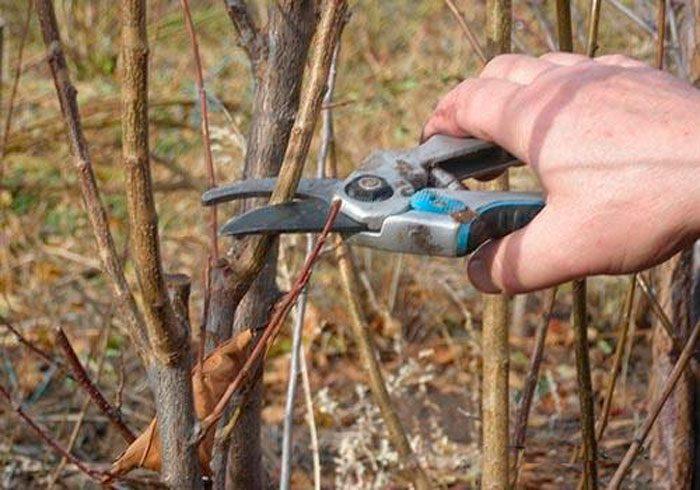
Avoid pruning large numbers of branches before winter. This will lead to frost damage if the winter is too severe. Any pruning of branches is seriously stressful for the plant.
Rejuvenating
There's no point in pruning branches to rejuvenate them. After about 5-6 years, viburnum shoots begin to bear fruit less effectively, the berries on the branches become smaller, and it's time to replace them. To do this, in early spring, remove 1-2 old shoots from the base of the bush and leave the same amount of basal shoots. This way, the bush will recover within 2-3 years.
If the exact age of the plant is unknown, it is best to completely cut off all shoots and wait until new ones grow.
If it continues to produce such small fruits, the viburnum is already over 25 years old. This means it's beyond repair. The only option is to uproot the bush and plant a new one elsewhere.
Take a look Also
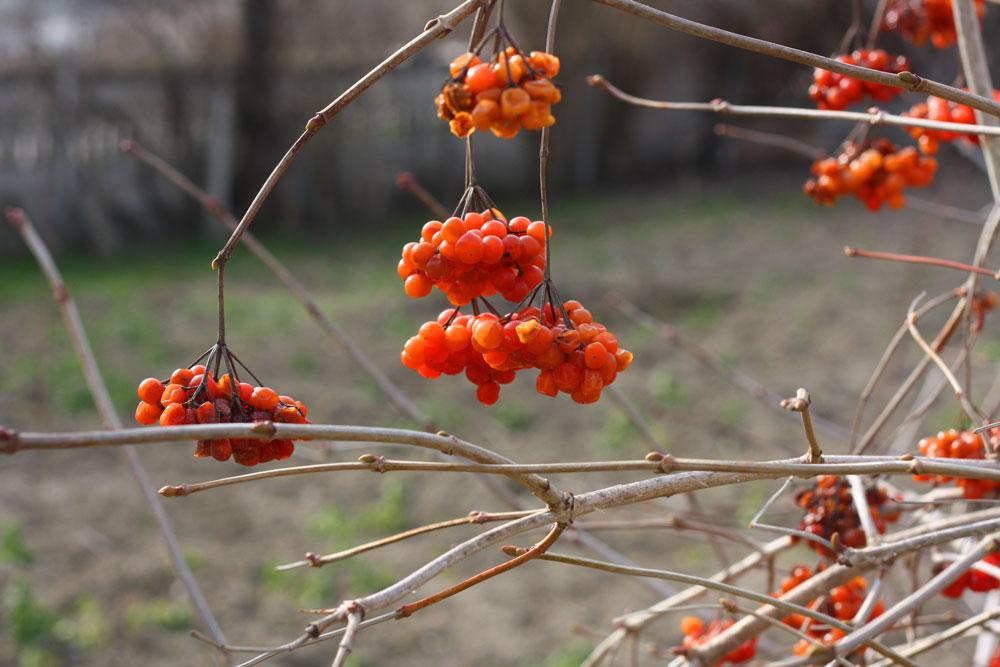
If the viburnum grows as a tree, it can only be rejuvenated by cutting it down completely and leaving a basal shoot to form. In this case, you'll have to shape the crown and nurture the tree from the very beginning.
Methods of formation
Viburnum crowns can be shaped in a variety of ways. They can be bush-shaped, small trees, standard trees, or even ornamental.
Bush
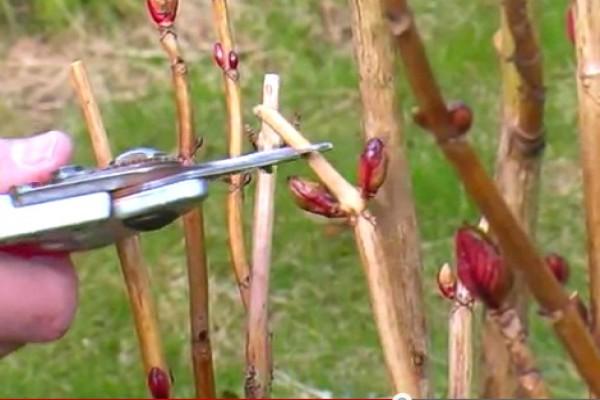
The process of bush formation occurs as follows:
- After planting, remove all above-ground shoots, leaving 2-3 buds on each.
- The following year, several more shoots will grow from each bud. Once they reach 30 cm in height, they are pinched.
- After which the bush will begin to recover and produce root shoots.
- New shoots are left until there are 7 of them.
- The top is left to grow until it reaches the desired height.
This is the most optimal crown option for viburnum, since in its natural environment it grows as a tall bush.
tree
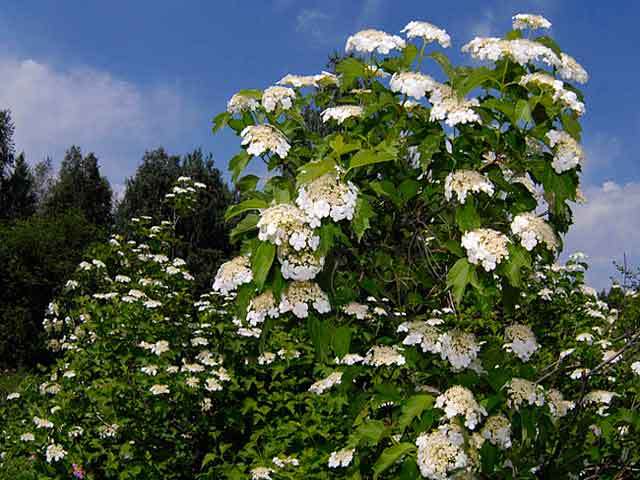
Growing a viburnum tree is much more difficult than growing a bush. Certain steps are required:
- After planting, the young seedling is left for 2 years without formative pruning.
- In the third year, the strongest shoot is selected and all the others are removed.
- In the fourth year, when its height reaches 1.5 m, the future trunk of the tree is shortened by 30 cm.
- In subsequent years, viburnum is formed in any convenient way.
Important! For more successful viburnum tree cultivation, it is recommended to select varieties adapted for this purpose.
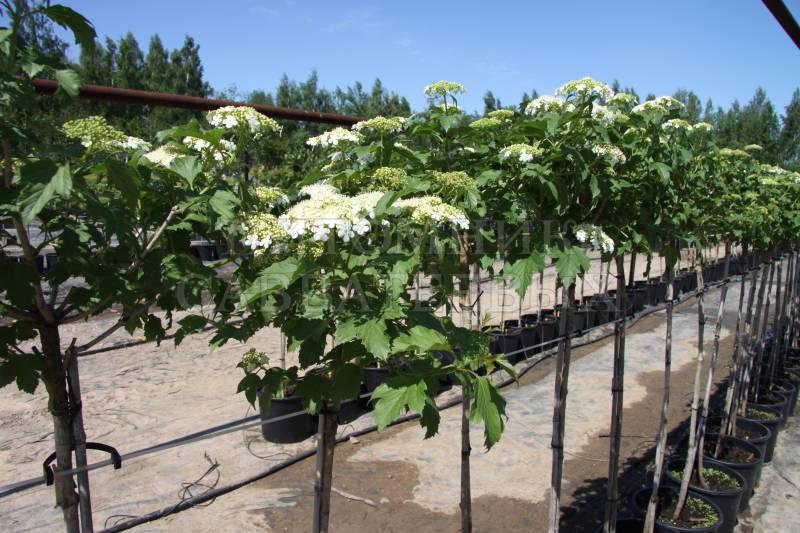
Standard tree
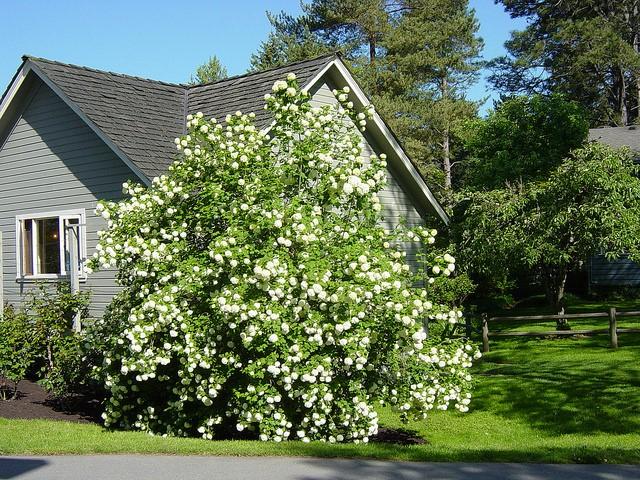
The pruning process for a standard tree is virtually identical to that for a regular tree. Here, you need to carefully monitor the emergence of basal shoots. This is typical for viburnums, as it protects itself from complete extinction. Select the strongest shoot and encourage its growth, then prune off any remaining side shoots.
When it reaches 1 meter in height, the crown begins to form into a spherical shape. In the first year, the central shoot is shortened by 30 cm.
In the second year, the fork of the two branches is pruned so that two more branches appear on each. In the third year, the procedure is repeated, leaving four main branches. By the fourth year of growth, the tree will be fully formed. In subsequent years, its growth is maintained and the crown is kept dense.

Decorative
Viburnum can be shaped into a beautiful hedge or spherical bush. However, the plant's branches tend to quickly become woody and sprout new leaves. If the crown is artistically shaped, the bush will grow back in a couple of weeks. Therefore, viburnum is rarely used as a masterpiece. Maintaining a sparse and healthy plant appearance will enhance any garden.
Varietal characteristics of Buldenezh
Viburnum Buldenezh has its own unique characteristics. It is a tall shrub descended from honeysuckle. Without regular pruning, it can reach a height of 3.5 meters. This variety is sterile; after flowering, the plant does not produce fruit. Unlike the common viburnum, Buldenezh blooms with fluffy white inflorescences. They are so beautiful that they make you forget the lack of berries.
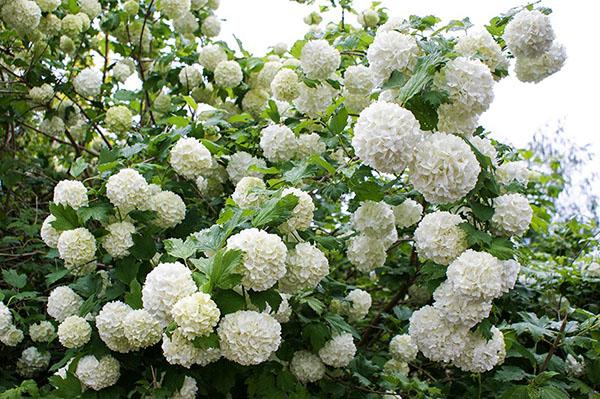
Viburnum Buldenezh makes a wonderful addition to a hedge or a garden plot. Its crown can be trained into a bush or a small tree.
Tips from experienced gardeners for beginners
Experienced gardeners who have been growing viburnum for years know almost everything about pruning and caring for it. Beginner gardeners should heed these helpful tips:
- Pruning can be done during the period when sap is not flowing through the trunk. This occurs in early spring before bud break and after the leaves have fallen.
- Formative pruning is done only in spring, since at other times of the year the bush may not have time to recover.
- Viburnum is a shrub by nature. It's not always possible to train it into an ornamental tree.
- Rejuvenation of shoots is done every 5 years.
- Crown thinning begins in the summer. This procedure helps prevent overcrowding, improves air circulation within the foliage, and prevents the entry and growth of bacteria and fungi.
- Every fall, remove diseased, dry, and brittle branches. This is necessary for better development and increased yield.
Related posts:
 24 Best Viburnum Varieties with Descriptions and Characteristics, Growing
 Top 10 ways to preserve viburnum for the winter at home
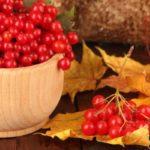 Medicinal properties and contraindications of viburnum, useful recipes
 21 Best Homemade Viburnum Recipes for Winter
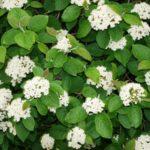 Description of the Gordovina viburnum variety, planting and care instructions
 How to propagate and grow peas, cultivation technology, and care in open ground
 The best grape varieties for growing in the Urals, planting and care rules in summer
 80 Best Eggplant Varieties for Different Regions with Descriptions and Characteristics