
Gardeners who have a bountiful harvest of viburnum berries in their gardens often wonder how to store them for the winter at home. Viburnum berries are known to have beneficial and healing properties for humans. No one wants such a precious fruit to remain on the branches and be wasted. There are many popular storage options.
Rules for choosing berries
Viburnum is harvested in late autumn, after the first frost. By this time, the berries have lost their bitterness and accumulated sugars. To ensure a juicy and sweet harvest, the fruits are cut into clusters. They are stored in this form until processing. The fruits can be harvested in any container; the skins are quite thick, so crushing them will not occur.
At home, viburnum berries are stored in a cool, ventilated area. The box or other container is left open to allow air to circulate. The clusters can also be hung on a rope in the cellar. If keeping the berries cool is not possible, they can be left indoors. This will not significantly shorten their shelf life.
Viburnum is removed from the bunches only before consumption, as it loses juice.
Storage methods
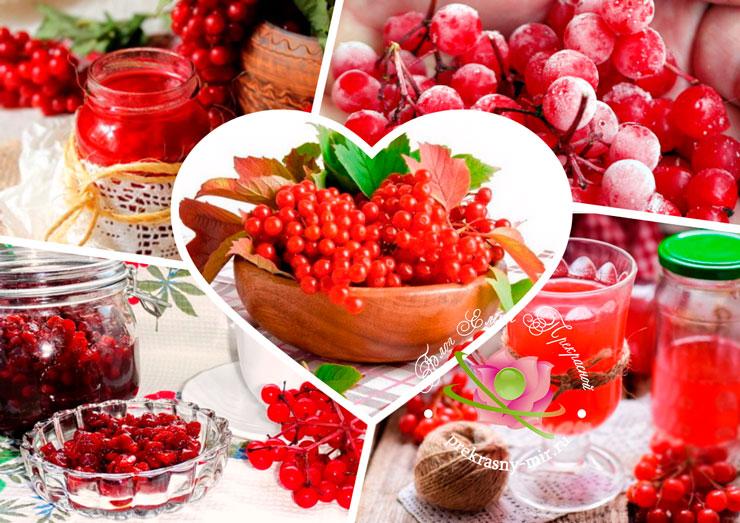
There are many ways to preserve viburnum berries for the winter. Each gardener chooses the most convenient option for themselves. This method ensures that the berries retain virtually all of their nutrients and beneficial microelements.
Freezing
To freeze viburnum, you need to follow a few simple rules:
- Separate the berries from the bunch, removing the stems.
- Distribute the berries into cellophane bags or plastic containers.
- Label the package with the harvest date.
- Place in the freezer.
The fruit's shelf life under these conditions is one year. The berries retain their nutritional value. Viburnum is a frost-resistant crop; its clusters survive even the harshest frosts. The dense skin prevents damage to the flesh and the integrity of the viburnum.
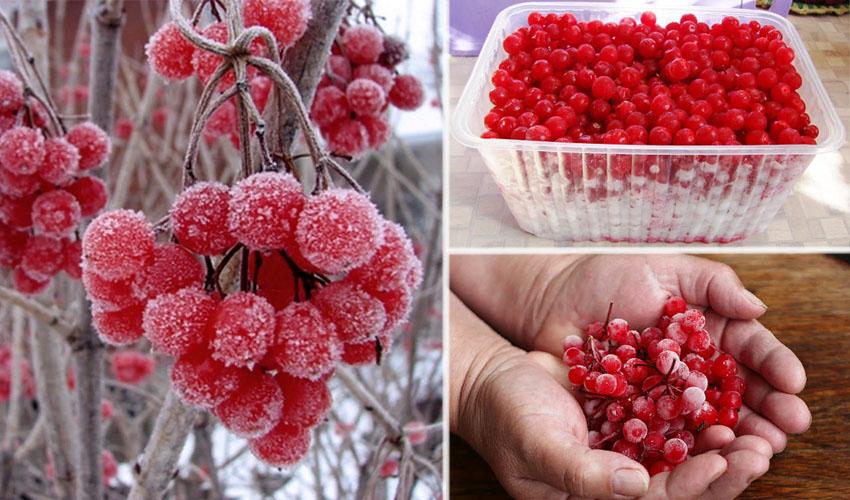
The frozen harvest is used to make compotes, jelly, juices, decoctions, and for fresh consumption.
Important! Viburnum should be frozen unwashed. This should only be done just before consumption.
Drying
Viburnum drying follows a common principle. Various equipment can be used for this purpose:
- Oven. At 100°C for 6-8 hours.
- Microwave oven. 600W mode for 15 minutes.
- Electric fruit and vegetable dryer. 4 hours at 80°C.
- In the fresh air. 3-4 days, provided the weather is sunny.

Before drying, thoroughly wash the harvest, removing dirt, dust, stems, and leaves. For drying in an oven, microwave, or electric dehydrator, line a baking sheet or other flat container with permanent paper, then spread the berries out in an even layer. Dry using the appropriate setting for your appliance.
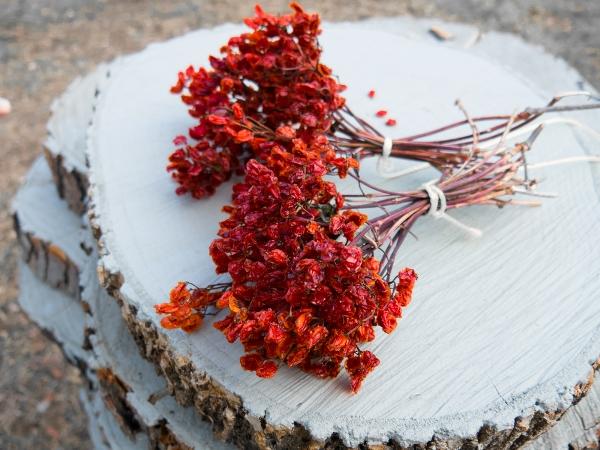
When drying outdoors, spread newspapers on the surface in 3-4 layers, then cover the entire surface with a breathable cloth. Spread the viburnums in an even layer and leave them in the open air. Stir the dried fruits every morning and evening.
When dried, the fruits retain all their beneficial vitamins and nutrients. They can be stored for up to two years in a glass jar with a tight lid, anywhere in the kitchen.
Rubbing with sugar
You can preserve viburnum by puréeing it with sugar. Here's how:
- The harvest is sorted and washed with water.
- Place in a deep bowl.
- Add sugar at a rate of 0.5 kg per 1 liter of berries. More sugar can be added.
- Using a blender or a blender stick, chop the fruits.
- The resulting mixture is poured into jars.
- Close with a nylon lid.
The pureed product can be stored in the freezer. It will keep until the next season. If the mixture is stored on the bottom shelf of the refrigerator, it is recommended to use it within 7 days, as mold will develop later, making the viburnum unfit for consumption.
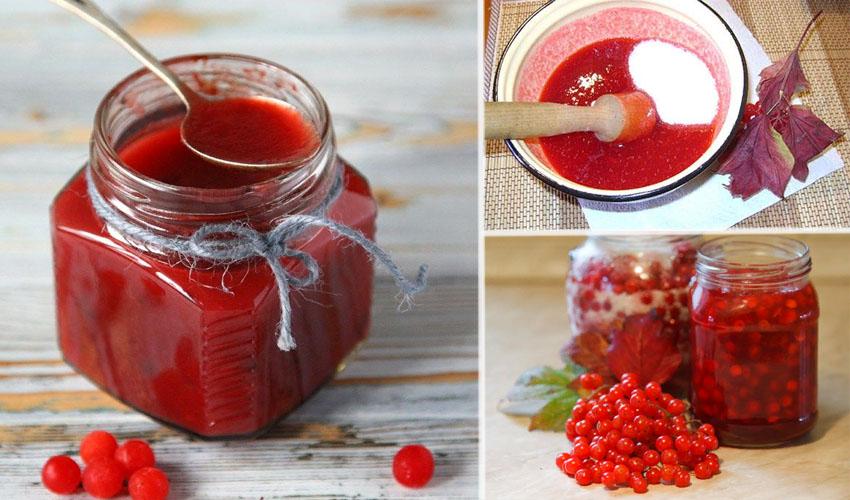 Important! When mixed with sugar, some of the nutrients are lost along with the released juice.
Juice
Viburnum juice has a high concentration of vitamin C and other beneficial micronutrients. It's quite easy to prepare. To make it, you'll need:
- juicer;
- water;
- honey or sugar;
- glass jars;
- nylon caps.
The cooking process is as follows:
- The berries are cleaned and washed under water.
- Leave in a colander for 10-15 minutes to drain the water.
- The product is processed through a juicer.
- Mix the juice with sugar or honey in a 1:1 ratio.
- Add 1 glass of water.
- The liquid is poured into jars and covered with a lid.
The juice can be stored in this form only in the refrigerator for no longer than 5 days. If desired, it can be sealed in glass jars. However, the sterilization process destroys some of the vitamins and minerals.
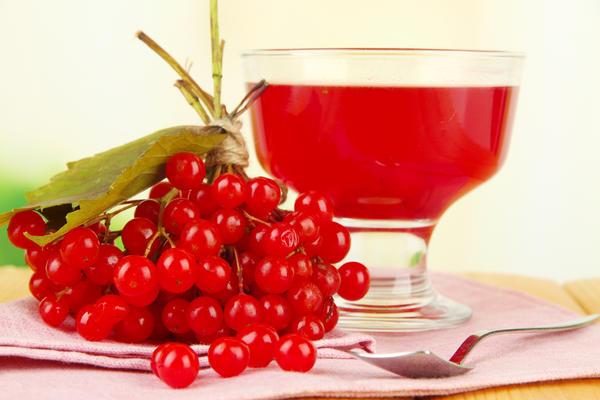
If you don't have a juicer, you can squeeze it out by hand through cheesecloth. However, this is a very labor-intensive and difficult process.
Liqueur
The liqueur is made from squeezed juice or fresh berries. To prepare, you will need:
- 500 ml of vodka;
- 200 ml of water;
- 100 ml of viburnum juice or 200 g of berries;
- 1 cup or more sugar.
Take a look Also
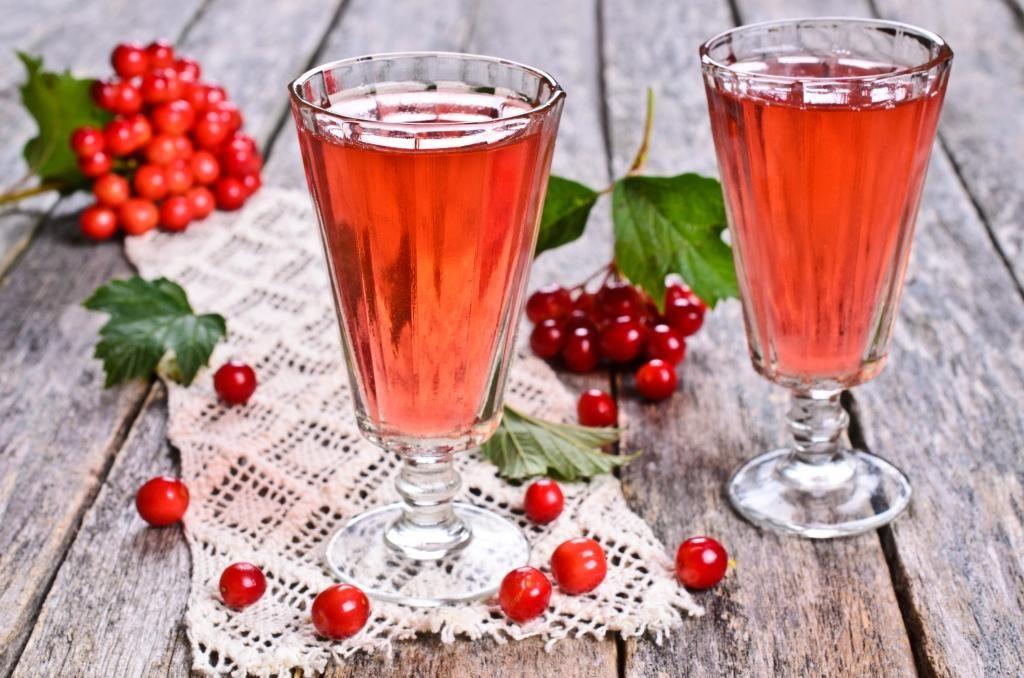
Mix all the ingredients together. Then cork the bottle tightly. Let it sit for 2-3 days at room temperature. Then the liqueur is ready to drink. This mixture makes an excellent storage option for viburnum, makes a great holiday treat for guests, and also plays a therapeutic role when taken correctly.
Jam, jelly, pastille
You can also use this healthy berry to prepare various sweets for the winter, which will always lift your spirits during the cold winter.
Jam
To make jam, you need to prepare glass jars, sugar, lids, and a seaming machine in advance. Then, follow these steps:
- The berries are cleaned of small debris, leaves, and stems.
- Rinse under running warm water.
- Place in a large saucepan.
- For each kilogram of fruit, add 300 ml of water and 1.3 kg of sugar.
- Bring to a boil.
- Cook over low heat, skim off the foam.
- Cool and cook again.
- Pour into sterile jars and seal with lids.
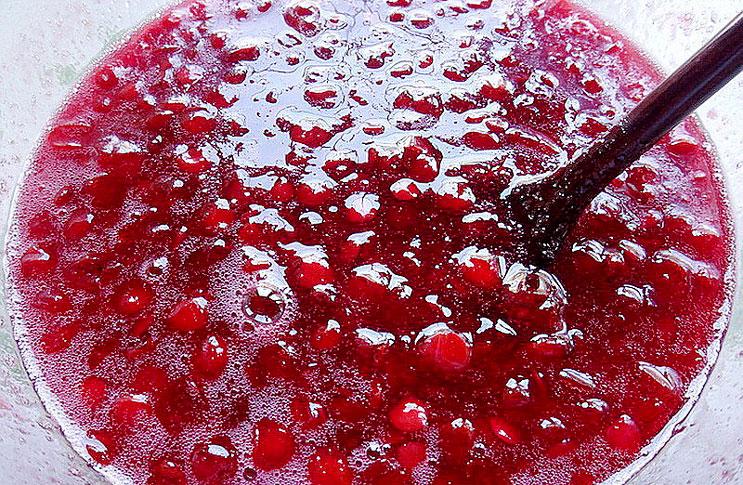
When preparing jam, you need to stir it constantly so that it does not burn to the bottom.
Jelly
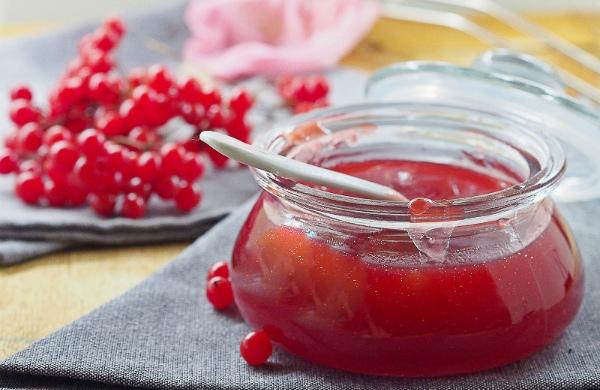
To prepare viburnum jelly, pour 1 kg of berries into 2 cups of water and add 1 kg of sugar. Immediately simmer the berries in the water for 15 minutes.
Then add sugar. Let it simmer on low heat for another 45 minutes.
When the mixture becomes jelly-like, cool slightly and roll up. Viburnum can be stored in this form for 2-3 years. This delicacy is perfect for homemade baked goods or eaten on its own. It's a favorite among both children and adults.
Paste
This sweet treat is hard to distinguish from store-bought. Its pleasantly sweet taste makes you want to eat more and more pieces. Here's how to make it:
- Fresh berries are washed under water and cleaned of dirt and debris.
- Place in a large saucepan.
- Each 1 kg of fruit is poured with 1 glass of water.
- Cook until the viburnum becomes soft.
- The resulting mixture is cooled and rubbed through a sieve.
- The pureed berries are mixed with sugar. 1 kg of sugar per liter.
- The resulting mass is spread on wooden baking sheets and dried in the oven for 20-30 minutes.
- Take the treat out of the oven and cut into squares.
Viburnum doesn't last long on the table in this form. This sweet treat is quickly eaten. However, if it sits on the table for too long, it won't spoil.
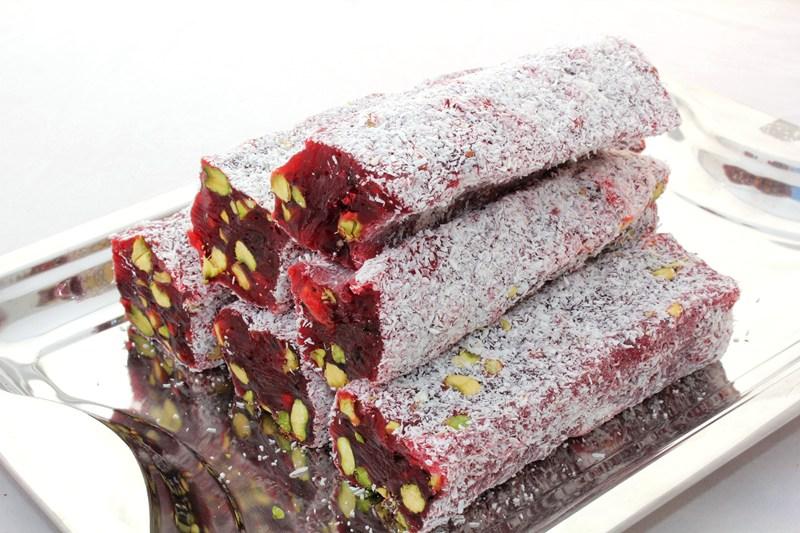
Making pastila is a good way to get your child to eat healthy and medicinal berries.
Viburnum oil
The properties of this mixture have been forgotten in recent years. However, its healing qualities are no less than those of sea buckthorn oil. It's quite simple to prepare:
- Take the remainder from the preparation of viburnum juice.
- Pour in vegetable or olive oil in a ratio of 1:4 (4 parts oil).
- Cover with a lid and keep in a dark place for 3 weeks.
- The liquid is then filtered and stored at room temperature.
The shelf life of this oil is one year. It is recommended to prepare a new batch for the following year. It can be taken several tablespoons daily. This healing mixture is also used in salad dressings, cooking, and baking.
Vinegar
Viburnum vinegar has the same properties as apple cider vinegar. To prepare it, follow these steps:
- Place 500 g of viburnum in a three-liter jar.
- Add 1 glass of sugar.
- Pour in two liters of water.
- If desired, add currant or cherry leaves for aroma.
- The jar is closed with a tight lid.
- Leave at room temperature in a dark place for 2 months.
The vinegar is ready when the liquid in the jar becomes clear. Then strain and drain.
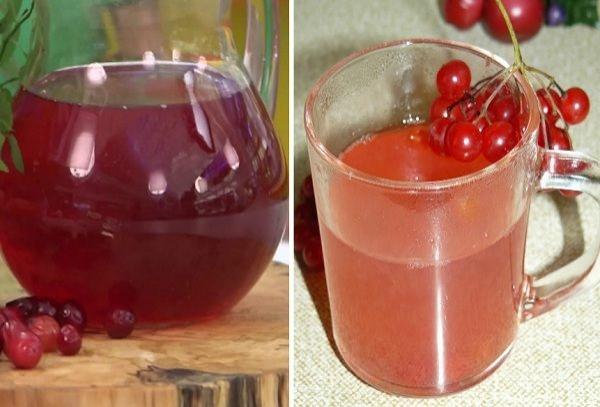
Once a week the contents of the jar are stirred.
Tips and recommendations
When processing viburnum, it is recommended to follow the advice and recommendations of experienced gardeners:
- Fruits stay fresh longer if left on the vine. This will allow you to gain some time to work with the entire harvest;
- While the berries are fresh, you can eat a small amount. This will enrich your body with beneficial vitamins before winter and protect you from colds;
- Do not wash the berries before freezing. They are peeled and washed only just before eating.
- Viburnum is quite sour, so a large amount of sugar is used for its processing;
- Compotes made from such fruits are very sour, so they are rarely prepared.
Related posts:
 Description of 36 of the best sweet and large varieties of gooseberries
 Beginner's Guide to Growing Grapes in Open Ground in Central Russia
 Descriptions of the 20 best cherry varieties for the Moscow region, their planting and care
 Top 6 ways to properly preserve strawberries for the entire winter
 6 best ways to preserve strawberries for the winter without cooking
 The best grape varieties for growing in the Urals, planting and care rules in summer
 TOP 20 ways to preserve fresh gooseberries for the winter
 The best eggplant varieties for growing in a polycarbonate greenhouse: planting and care