
- The key to long-term storage is fresh berries
- How to quickly and effortlessly sort berries
- Don't wash all the berries at once.
- Can vinegar be used?
- How to store fresh strawberries: shelf life and storage conditions
- We make preparations for the winter
- Refrigerator storage
- Freezing whole
- Berry puree in the freezer
- Defrosting correctly
- In sugar syrup
- With pectin syrup
- Drying
How can you preserve strawberries for the winter? This question interests any homemaker who has had a bumper harvest. It's not always possible to process all the fruit, so storage options are developed to help extend their life. Storage life can be extended up to 10 days when fresh and up to a year when frozen. If space allows, frozen strawberries are always a delight during the winter.
The key to long-term storage is fresh berries
After purchasing or harvesting strawberries, it's not always possible to eat them all or process them right away. So how can you prolong their shelf life? First, store them in a cool place. Modern refrigerators have compartments that maintain a temperature of no more than 2°C. These compartments are located at the bottom of a drawer that closes off the top shelf.
Strawberries can be stored in these conditions for about 7 days. Any longer will cause the berries to turn mush and develop a moldy smell. Cellars, basements, and cool balconies are also suitable for storage.
Important! Be sure to check the berries for spoiled ones, as rot can quickly spread to neighboring fruits.
How to quickly and effortlessly sort berries
Sorting strawberries is a labor-intensive and time-consuming task. Several options have been developed:
- Sepal cleaner. This tweezers-like device grabs the stems and removes them.
- A kitchen knife for peeling potatoes. The tip of the knife is used to cut out the sepals.
- A straw. It is used to push the stem upward from the bottom of the strawberry.
Don't wash all the berries at once.
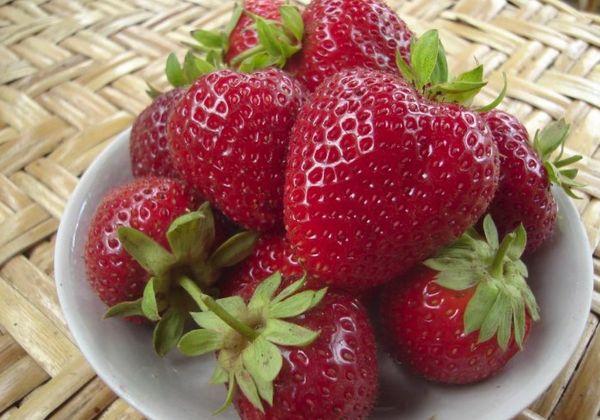
There's no need to wash all the berries at once unless you plan to process them all. Each strawberry contains its own microflora, which prevents rapid rotting and rot.

Wash as many berries as you can eat. If you put washed berries in the refrigerator, they will quickly release juice and spoil.
Can vinegar be used?
A solution of vinegar and water is used to disinfect the harvest. This helps the berries last longer. Prepare a 1:3 solution, one part vinegar. Pour it into a spray bottle and then spray the harvest. This will extend the life of the fruit by several days. If treated and stored in a cool place, the fruit can be stored for 10 to 12 days.
How to store fresh strawberries: shelf life and storage conditions
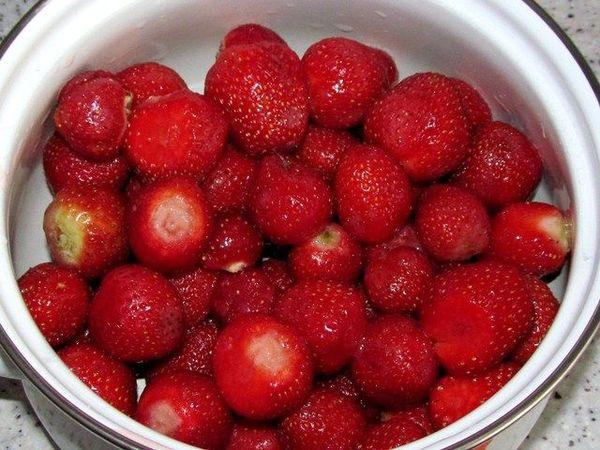
Keeping strawberries fresh isn't easy. It's difficult to determine their freshness when buying them at the store. To extend their shelf life by a few days, it's recommended to follow these helpful tips:
- Carefully inspect the berries before purchasing; if you find bruised or rotten fruit, refuse to purchase.
- Regularly sort through the berries, discarding any damaged ones or those with unusual spots.
- Avoid washing strawberries in large quantities, as this will reduce their shelf life.
- To increase the shelf life, you can spray the berries with a vinegar solution.
The optimal temperature for storing fresh strawberries is 0–2°C. Find a place where they can be kept at a consistent level. The bottom shelf of the refrigerator, used for vegetables, is typically used for this purpose.
The shelf life under these conditions is 7 days. When combined with vinegar spraying, it lasts 12 days. At room temperature, it lasts 1-2 days. In a cellar or basement, it lasts 5-6 days.
We make preparations for the winter
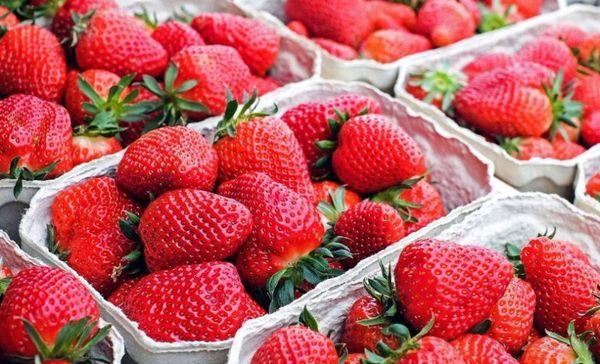
It's not always possible to eat or process the entire strawberry harvest. So what to do with the leftovers? You can freeze them. Frozen strawberries retain their nutritional value and micronutrients. The key is to find room in the freezer, and the rest will be easy.
Refrigerator storage
The filling is easy to prepare. The key is to choose the right container. A breathable material, such as translucent cardboard, is suitable for strawberries. The berries are arranged in layers. Each layer is covered with a dry napkin, and the layer of fruit is repeated. It is not recommended to make more than three layers of filling.

 Important! The fruits can be stored in this form for a maximum of 2 weeks, provided that any rotten berries are regularly removed.
Freezing whole
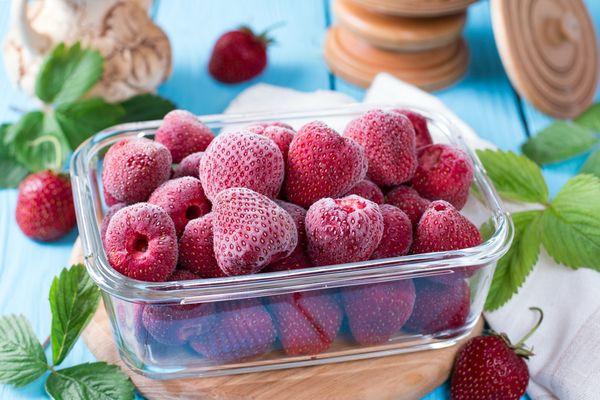
Before freezing, sort the strawberries, remove the stems, and rinse under running water. Then, place them in plastic bags. You can also use several layers of cling film.
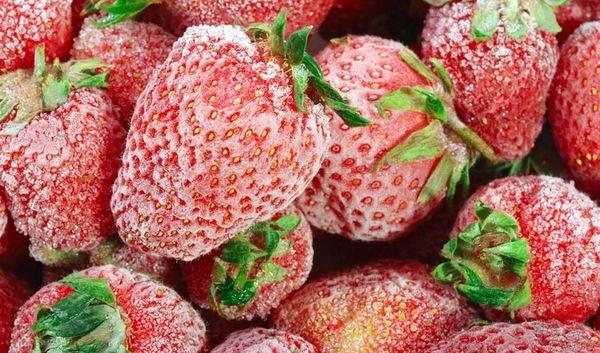
A piece of paper labeled "strawberry" and the harvest year is included in the package. This makes it easier to find your favorite berries when you're craving them. Strawberries stored in this form have a shelf life of no more than one year. After their shelf life has passed, discard them and prepare new ones.
Berry puree in the freezer
If berries have been refrigerated for too long and have begun to lose their appearance, it's best to puree them and then freeze them. In this form, strawberries can be used in smoothies or as a topping for pancakes or crepes. Some cooks add sugar to the puree.

It is very easy to prepare such a composition:
- The strawberries are sorted, the stems are removed, and any spoiled berries are discarded.
- Rinse thoroughly under running water using a colander.
- Place the fruits in a blender container.
- They process immediately at maximum speed, then at medium speed.
- If desired, add sugar and stir.
- Pour into transparent jars with lids.
- On the back or on the lid, make a mark with the name of the berry and the year of harvest.
- Place in the freezer.
Important! The puree has the same shelf life as frozen whole strawberries. Adding sugar extends the shelf life by 6 months.

Defrosting correctly
It's recommended to defrost the fruit naturally. Avoid using a microwave or warm water. It's best to move the container from the freezer to the top shelf and allow it to defrost naturally.
In sugar syrup
One way to extend the life of strawberries. It's similar to jam. Use 500 g of sugar per 1 kg of berries. Preparation involves several steps:
- The berries are washed and cleaned.
- Place in boiling water for 30–60 seconds.
- Sterilize the jars.
- Prepare syrup from water and sugar.
- The fruits are distributed into jars.
- Pour syrup over it.
- Banks are closing.

Stored this way, the jars will last 5-6 months. It's best to store them in a cool place.
With pectin syrup
Pectin syrup is made from pectin extracted from apples. It's sold in dry form. Instructions for preparation and use are provided on the packaging. Each manufacturer has its own procedure.

Pectin syrup isn't very sweet, and it perfectly preserves the berries and their flavor. The berries are blanched in boiling water, distributed among sterile jars, then poured with syrup and sealed. The storage principle and shelf life are the same as for regular syrup.
Drying
One of the most unusual ways to dry strawberries. This can be done using:
- In the open air. More than 24 hours, turn over every 4-6 hours, put away at night.
- In the microwave. Dry for 15 minutes at 600 watts. Check the condition of the berries every 30 seconds to 1 minute;
- In an electric dryer. Set the temperature to 50–60°C and dry for 8 hours;
- In the oven. The procedure lasts 8 hours at a temperature of 80°C.
The principle is the same everywhere. The berries are washed, thinly sliced, then laid out on a baking sheet or other container. They are dried until all moisture is gone. In this form, the berries have the longest shelf life, over two years. They are used to make porridge, drinks, cocktails, and decorate baked goods.
Related posts:
 Description of 36 of the best sweet and large varieties of gooseberries
 6 best ways to preserve strawberries for the winter without cooking
 Beginner's Guide to Growing Grapes in Open Ground in Central Russia
 Descriptions of the 20 best cherry varieties for the Moscow region, their planting and care
 TOP 20 ways to preserve fresh gooseberries for the winter
 Description of the Kent strawberry variety, planting and care instructions
 Step-by-step instructions for planting strawberries on black covering material and growing rules
 The best grape varieties for growing in the Urals, planting and care rules in summer