
- The history of selection and regions of cultivation of the Diamant strawberry
- Pros and cons of remontant varieties
- Features and characteristics of berry crops
- Bush size
- Appearance of the leaf blade
- Flowering and pollination
- Ripening time and yield
- Taste qualities of the fruit and its further sale
- Resistance to frost and drought
- Susceptibility to diseases and parasites
- Landing specifics
- Site selection and preparation
- Selecting seedlings
- Timing and technology of planting seedlings
- What kind of care does the “precious” Diamant variety require?
- Watering
- Fertilizer
- Weeding and loosening the soil
- Mulching
- Shelter for the winter
- Preventive treatments against diseases and pests
- How to propagate berry bushes
- Seeds
- By dividing the bush
- Sockets
- Gardeners' reviews of the variety
The Diamant strawberry variety is one of the most popular crops in the world due to its flavor, large yield, and tolerance to a wide range of climatic conditions. Its main advantage is its everbearing nature, which allows it to bear fruit year-round, provided the right conditions for growth and development are maintained.
The history of selection and regions of cultivation of the Diamant strawberry
This variety was developed in 1997 by California breeders. To this day, it remains one of the most popular and widespread among gardeners. This strawberry tolerates low temperatures and does not do well in dry climates.
This crop is best planted in regions with moderate climates, where temperatures do not drop below -20°C. The most suitable conditions for this variety are a level site, protected from strong gusts of wind and drafts, with adequate sunlight and occasional shade.
Pros and cons of remontant varieties
This strawberry variety has the following characteristic advantages:
- remontancy;
- large fruits;
- average resistance to frost and dry climate;
- ease of care;
- taste qualities of berries;
- the possibility of long-term transportation and storage of fruits.
The following disadvantages should be noted:
- poor tolerance to increased soil moisture;
- crushing berries during dense crop growth.
Features and characteristics of berry crops
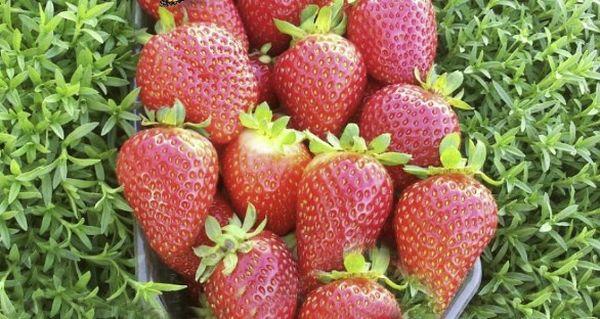
The main feature of the Diamant strawberry variety is its remontant nature, which allows the crop to bear fruit throughout the year, but only if the necessary growing environment and proper care are maintained.
Despite being a remontant variety, the berries don't become smaller with constant fruiting, but remain consistently medium-sized. Furthermore, the plant is highly productive. Under favorable conditions, a single bush can produce up to 2 kilograms of fruit.
The crop is grown not only in personal gardens, but also for the production of various products.
Bush size
The Diamant strawberry bush grows easily and can reach 30-50 centimeters in height. For this reason, the plant is often used as a decorative ornament, hanging in a pot.
Appearance of the leaf blade
Diamond's leaves are large, dark green, matte, and have slight wrinkles on the surface. The edges of the leaves have distinctive serrations.
Flowering and pollination
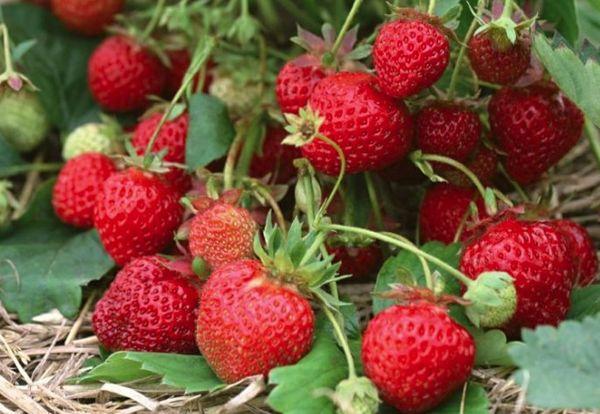
With the right amount of warmth, this variety can begin flowering in early spring and continue to bloom throughout the year if the growing conditions meet the plant's needs. Because it has bisexual flowers, it can self-pollinate without the need for other crops in the garden.
Ripening time and yield
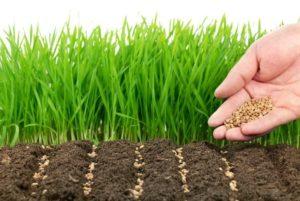
Full ripening occurs approximately 3-4 weeks after fruit formation. The Diamant variety produces high yields, reaching up to 2 kilograms per bush per season under ideal growing conditions. Since the plant is everbearing, this harvest can continue for several months, right up until the onset of frost. The average berry size is approximately 30 grams, but can reach 40-50 grams.
Taste qualities of the fruit and its further sale
Tasters rate the Diamant strawberry variety's flavor at 4.7 out of 5. The berries have a sweet taste with a slight tartness that lingers in the aftertaste. The fruit has a persistent strawberry aroma and firm flesh. A drawback is its lack of juiciness. The fruits are then used in confectionery and other dishes, baked goods, liqueurs, natural juices, and are eaten raw.
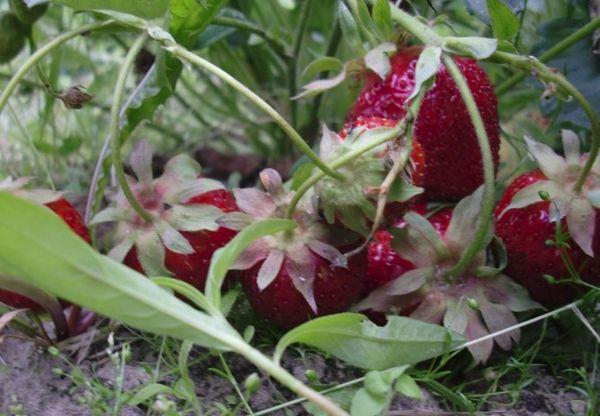 Because the berry's flesh is dense, it can be easily transported over long distances without bruising or damage. For this same reason, the berries have a long shelf life.
Resistance to frost and drought
This variety has moderate frost resistance and can withstand temperatures down to -20°C without special cover. However, when frost sets in, mulching or covering the plants is recommended to prevent them from being exposed to cold temperatures and causing disease. The Diamant strawberry is drought-sensitive and, in extreme heat or dry climates, will become diseased, dry out, and even die. The optimal temperature for this variety is around 20°C, provided the plant is regularly moistened.
Susceptibility to diseases and parasites
The Diamond strawberry has increased resistance to most diseases and pests, so the plant should only be treated for certain pests:
- strawberry mite;
- nematode;
- leaf beetle.
The culture is immune to common diseases:
- powdery mildew;
- root rot;
- Verticillium wilt.
Infection by these diseases can only occur if the plant is infected from another nearby plant.
Landing specifics
To ensure that the plant produces as much fruit as possible and is not affected by various diseases and pests, it is necessary to plant healthy seedlings, observing all the rules for caring for the crop.
Site selection and preparation
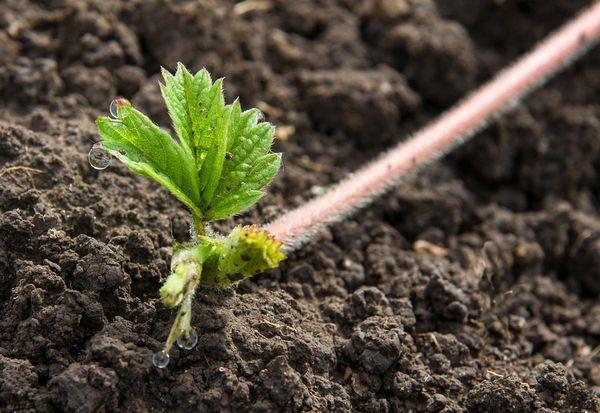
This strawberry variety is best planted in light soil with a pH no higher than 6.5. The best location for this crop is level ground with adequate sunlight. It should receive only a little bit of light to prevent the plant from burning. Therefore, choose a location with partial shade that can cover the strawberry bush briefly each day.
Before planting seedlings outdoors, dig up the soil. This should be done 15-20 days before planting. Fertilize the area. You can use organic fertilizer or specialized mineral fertilizers, which are available at any gardening store. After this, dig holes about 20-30 centimeters deep. It is recommended to plant them in even rows, spaced 60-70 centimeters apart. Leave 20-30 centimeters of space between plants.
Take a look Also

Selecting seedlings
When selecting seedlings, you should carefully check the plants for the presence of:
- spots of various colors on the leaves and stems of the crop;
- darkening;
- wilting of leaves;
- visual damage.
If damage is found on the seedlings, they should not be purchased, as the plant may die or be diseased.
When choosing seedlings, it's also worth paying attention to the soil condition they're in. If the soil is too dry or marshy, it's better to buy the seedlings from a different seller.
Timing and technology of planting seedlings
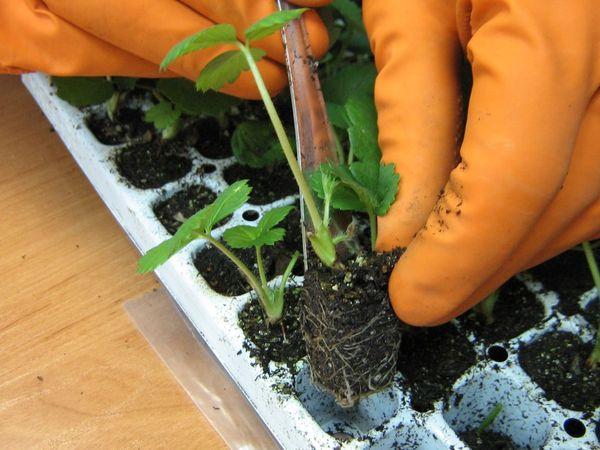
Seedlings can be planted in the spring or fall. If planting in the fall, the seedlings should be insulated before frost to prevent them from dying. Strawberries planted in the spring may not bloom until summer.
Before planting, the roots of the seedlings can be soaked in a special mineral solution for several hours, after which the seedlings should be placed in the hole.
When spreading the root system, cover it with soil and then compact it thoroughly. After planting, water the plant thoroughly with lukewarm water.
What kind of care does the “precious” Diamant variety require?
The Diamond strawberry variety is not very demanding and easily adapts to most conditions.
Watering
This variety requires regular watering. Carefully monitor the soil and its moisture level. If it's dry, water immediately. It's important not to allow the soil to become waterlogged.
This soil condition can lead to reduced fruiting. The Diamond plant is immune to root damage, so rot does not occur. If it rains during the day, you can skip watering.
It's best to water the plant by rain, so that not only the soil but also the plant itself is wet. This should only be done before the flowers appear; otherwise, they may be damaged.
Fertilizer
Fertilizing of the Diamant strawberry variety should be done 4 times a year:
- before flowering;
- during the formation of antennae;
- when fruits appear;
- during preparation of the crop for frost.
Weeding and loosening the soil
Weeding should be done if weeds or other plants appear near the strawberry plant that could interfere with its normal growth. Loosening the soil is necessary to allow water to reach the plant's roots more quickly and also to oxygenate the soil. This procedure is performed after watering, when the soil is moist.
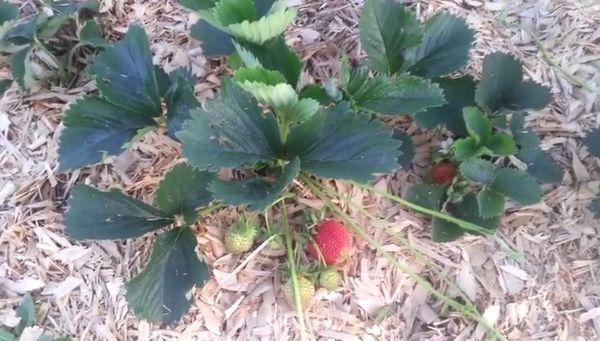
Mulching
Mulching should be done before the onset of cold weather, usually in winter or fall. The following can be used:
- dry grass;
- wood sawdust;
- special inorganic materials.
Shelter for the winter
Winter shelter should be provided if frosts are severe and exceed -20°C. Care must be taken to prevent the crop from freezing. The following can be used to cover plants:
- polyethylene film;
- insulation;
- other inorganic materials.
Preventive treatments against diseases and pests
When planting, you can plant onions or garlic next to the crop to prevent the strawberries from being attacked by pests:
- nematode;
- strawberry mite;
- leaf beetle.
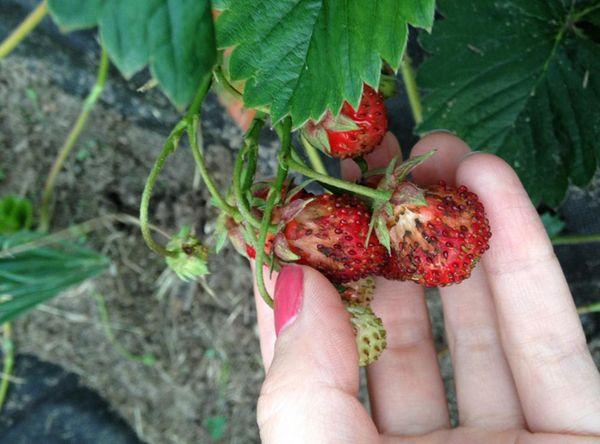
Gray mold is a common disease affecting the plant. To prevent this, carefully monitor the plant and promptly remove any organic debris around the bush to prevent it from rotting.
 You can also use a fungicide to prevent the disease from occurring; it is excellent at preventing the spread of gray mold.
How to propagate berry bushes
There are several methods for propagating strawberry bushes:
- division of culture;
- seeds;
- mustache.
Seeds
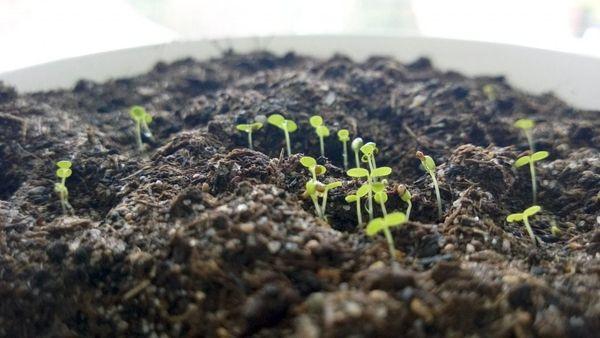
To plant from seeds, soak several berries for 2-3 weeks until they separate from the pulp through rotting. Afterwards, clean the seeds of any debris. They are now ready for planting. It's best to plant them in the fall and transplant them to the ground in early spring, after preparing them first.
By dividing the bush
The Diamant strawberry plant is rarely propagated by dividing the plant, as this requires experience with similar procedures. Another drawback of this method is the complete transfer of diseases from the original plant to the separated shoots.
Sockets
Another popular method due to its simplicity and effectiveness is propagation by runners or rosettes. This is done in the spring, when the runners appear. They are distributed among prepared containers filled with soil and wait until the root system begins to develop, after which they are separated from the parent plant.
Gardeners' reviews of the variety
Elena, 41 years old, Kaliningrad.
"We grow this variety for the family, eat it, and sometimes make preserves. The berries are large, a single bush yields a large harvest each season, and the taste is excellent."
Andrey, 38 years old, Krasnodar.
"Diamant is a 'precious' variety because it's not even a strawberry, but a wild strawberry that can bear fruit year-round under the right conditions. Moreover, the variety doesn't lose the quality of its harvest. We make jams, preserves, and eat it raw."
Related posts:
 The best grape varieties for growing in the Urals, planting and care rules in summer
 80 Best Eggplant Varieties for Different Regions with Descriptions and Characteristics
 Descriptions of the 20 best cherry varieties for the Moscow region, their planting and care
 The best eggplant varieties for growing in a polycarbonate greenhouse: planting and care
 Description of the Bryanochka cherry variety, planting and care instructions
 Description of 30 varieties and types of Muscat grapes, planting, cultivation and care
 Description of the Red Early apple tree variety, agricultural technology and specific care
 Description and cultivation of the 15 best cherry plum varieties for the Moscow region, planting and care rules