
- History of selection and growing conditions
- Characteristics of Pineapple Strawberries
- Bush and shoots
- Flowering and fruit setting
- Collection and use of berries
- Resistance of the variety to diseases and frost
- Advantages and disadvantages of culture
- Methods of planting and propagation
- Seed method
- Dividing strawberry bushes
- Rooting the bushes
- Growing specifics
- Site selection and preparation
- Scheme and timing of planting in open ground
- Watering and fertilizing
- Weeding and loosening the soil
- Weed removal and soil mulching
- Trimming
- What diseases and insects are dangerous for the variety?
- Gardeners' reviews of the variety
The Ananasnaya variety, a unique white-fruited garden strawberry, is beloved by gardeners for its unusual appearance, flavor, and ripe aroma. Ananassa is Latin for "garden," meaning it has nothing in common with pineapples. This variety was artificially bred and does not grow wild in the wild. This hybrid strawberry is easy to grow, but proper cultivation and care are required for a consistent harvest.
History of selection and growing conditions
The Pineapple strawberry is the fruit of the efforts of Dutch scientists. This dessert hybrid was developed by crossing Chilean and Virginia strawberries. Other names for the Pineapple strawberry include White Dream and White Pineapple.
This variety is undemanding in terms of growing conditions, but requires regular care. For white garden strawberry plantings, it's recommended to choose well-lit, elevated locations on the southern side of the plot.
Characteristics of Pineapple Strawberries
The pineapple variety is a dessert variety of garden strawberry. The fruit is recommended for fresh consumption and for garnishing sweet dishes.
Bush and shoots
The white pineapple forms a vigorous, spreading bush with large leaves and thick stems. The root system is extensive and shallow. The leaves are covered with short hairs and are rough to the touch.
White pineapple reproduces by runners, producing quite a lot of shoots, but pineapple strawberries do not reproduce by seeds.
Flowering and fruit setting
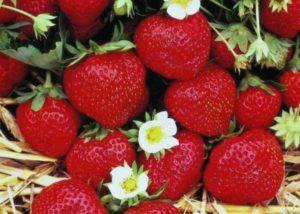
White garden strawberries bloom early; the first flowers may appear as early as late April, but the first berries don't ripen until late June. The flowers are white, gathered in clusters no more than 2 centimeters in diameter.
Note: During the budding period, it's important to treat plants against insect pests. Spraying with an infusion of onion peels can be used as a preventative treatment.
Collection and use of berries
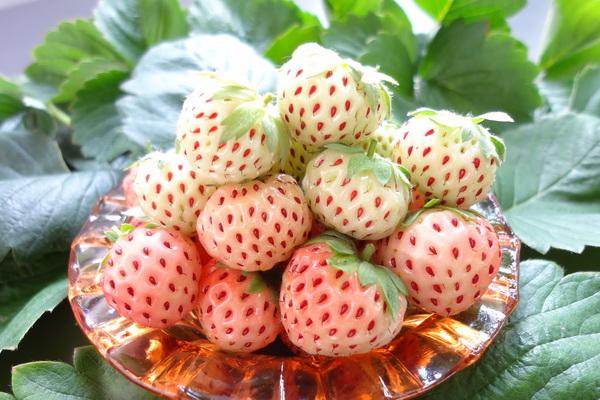
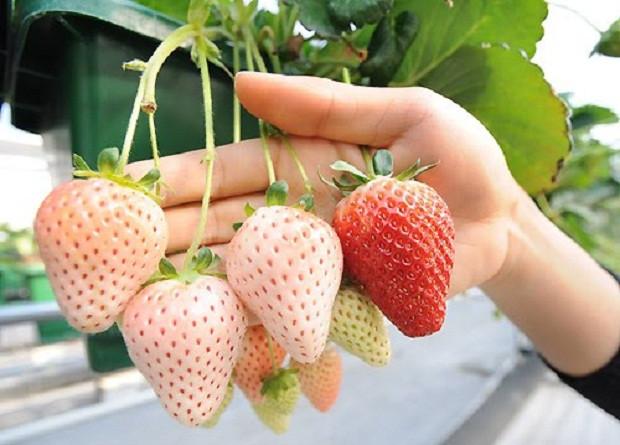
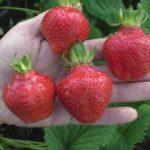
Pineapple strawberries are firm, neatly shaped, and have a distinctive color. A ripe fruit can weigh up to 80 grams. This variety is not suitable for long-term transportation and storage, as the berries quickly lose their shape and appearance, and release juice.
White garden strawberries can be frozen, eaten fresh, used to decorate desserts, and used to make jams and candies.
Resistance of the variety to diseases and frost
The variety is genetically resistant to fungal diseases and insect pests. However, without regular care, plants can be attacked by aphids, weevils, and mites. Infections that pose a risk include powdery mildew, gray mold, and white spot.
Average winter hardiness. Can withstand winters with average temperatures no lower than -20°C. S. It's important to have snowy winters, otherwise the bushes risk freezing. Pineapple strawberries are recommended for growing in the southern or central regions of our country.
Advantages and disadvantages of culture
The main advantages of pineapple strawberries include:
- Immunity to fungal diseases.
- The pineapple variety of garden strawberry does not cross-pollinate.
- Not susceptible to bird attacks.
- High taste qualities and original appearance.
- Large-fruited.
- Easy to propagate.
The disadvantages of the variety include:
- It is impossible to store and transport berries for a long time.
- Does not tolerate temperature changes and rainy, cloudy summers well.
- Relatively low yield.
- Requires winter shelter; there is a high risk of bushes freezing in winters with little snow.
Pineapple strawberry bushes can grow in one place for more than 5 years, and frequent rejuvenation of plantings is not required.
Methods of planting and propagation
White strawberries are planted in the same way as all red-fruited varieties. A distance of 30 centimeters between plants is recommended. Plant the plants in staggered rows.
The optimal method of propagating Pineapple Strawberry is rooting the shoots-whiskers.
Seed method
White Pineapple is a hybrid variety, so propagating it from seeds at home is not possible. Hand-collected seeds produce strawberry bushes that lack all the benefits of the variety.
Dividing strawberry bushes
This method can be used to propagate Pineapple Strawberries. However, since the plants can grow in the same location for five years without losing yield, this method is neither productive nor justified.
Rooting the bushes
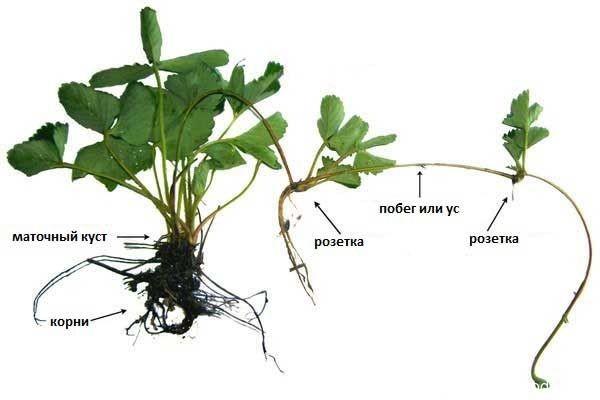
Rooting shoots is the optimal and most convenient method for propagating white-fruited strawberries. The runners are buried near the mother plants. After a while, the stem is pruned, and the young plant is transplanted to its permanent location. To increase the number of shoots, it is recommended to feed the strawberries with nitrogen fertilizers in the second half of summer.
Growing specifics
There are no specific growing requirements for Pineapple strawberries. It's important to note that this Dutch hybrid is sensitive to light levels, is heat-loving, and prefers to grow in fertile soil.
Site selection and preparation
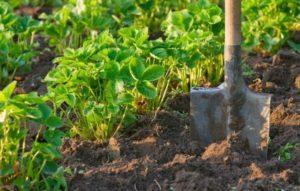
Before planting the plants in their permanent location, preparatory work is carried out. The beds are dug to the depth of one spade, thoroughly loosened, and weeded. Then, holes are marked and fertilizer is applied under each plant. Last year's compost mixed with wood ash works well.
Before planting, the soil is disinfected: it is poured with boiling water or a solution of potassium permanganate.
A sunny, elevated, south-facing site is chosen for strawberry plantings. Shaded areas are not recommended for pineapple strawberries.
Scheme and timing of planting in open ground
The best time to plant young bushes in open ground is late May or mid-August. Pineapple strawberry plants develop into quite vigorous and spreading bushes. Avoid overcrowding. The distance between bushes should be at least 30 centimeters, and the width between rows should be 50 centimeters.
Watering and fertilizing
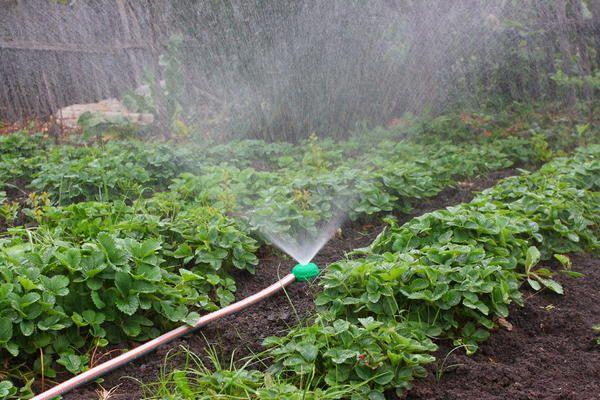
Drip irrigation is the optimal method for watering rows of white strawberries. You can also water the strawberries manually with a watering can. It's important to do this in the evening or early morning, when the sun is strongest, to prevent any drips of water from remaining on the leaves.
It is recommended to water with warm water.
As for fertilizer, it's recommended to water the bushes twice a season with an infusion of cow dung or bird droppings. Avoid dripping the fertilizer onto the leaves. Liquid complex fertilizers are preferred for mineral fertilizers.
Weeding and loosening the soil
Removing weeds and regularly loosening the beds are important steps in caring for Pineapple Strawberries. An abundance of weeds often leads to outbreaks of infectious diseases, and the cultivated plants are deprived of nutrients and moisture.
The strawberry root system is superficial, loosening is carried out with care, after the procedure the beds are mulched.
Weed removal and soil mulching
A 1:2 mixture of humus and sand is used as mulch. To prevent fruit rot, the spaces between rows are often lined with straw or a special covering material to prevent ripe fruit from coming into contact with the soil and moisture.
Trimming
To prevent the spread of fungal diseases, perform sanitary pruning of bushes in early spring and fall. Yellow and curled leaves should be promptly removed. Dead vegetation should not accumulate at the base of the bush, as this can serve as a breeding ground for fungi and bacteria.
Take a look Also
What diseases and insects are dangerous for the variety?
The most dangerous fungal diseases for Pineapple strawberries are:
- gray mold;
- Verticillium wilt.
Treating affected bushes for verticillium wilt is futile. The plants are dug up along with the root ball and burned. The soil is disinfected with a solution of iodine or potassium permanganate.
Aphids and spider mites are dangerous pests. It's recommended to plant marigolds and calendula near strawberry rows. The pungent scent of these flowers repels pests.
Don't plant white strawberries in soil infected with nematodes. The entire planting may die. Once or twice a season, it's recommended to combine watering with spraying the bushes with a solution of brilliant green or potassium permanganate.
Gardeners' reviews of the variety
Petr Borisovich Solodovnikov, 56, Krasnodar: "My wife and I have been growing pineapple strawberries at our dacha for three years. The bushes haven't degenerated, and the berries haven't gotten any smaller. This type of garden strawberry perfectly complements red-fruited varieties, looks very decorative, and doesn't cross-pollinate. White garden strawberries are great for fruit salads and cake decorations. This variety is easy to grow; it grows as you plant it. To avoid overcrowding, thin the rows and remove any runners promptly. The aroma of ripe berries is amazing; I highly recommend it."
Maria Stepanovna Konysheva, 45, Nizhny Novgorod: "I planted Pineapple Strawberries in my garden because I was delighted with the aroma and appearance of the white strawberries. They're easy to grow, but I always cover them with straw and add compost for the winter. The yield wasn't impressive; red varieties produce much more berries."
Related posts:
 Description of the Florence strawberry variety, planting and care features
 How to grow strawberries at home
 Description of the everbearing strawberry variety Selva and cultivation technology
 Description and characteristics of the Vima Zanta strawberry variety, planting and care scheme
 Description and characteristics of the Zenga Zengana strawberry variety, planting and care
 The best varieties and cultivation of everbearing strawberries, fertilizing and propagation
 Description of the Holiday strawberry variety, cultivation and propagation methods
 Signs of disease and pest attacks on strawberries, treatment methods