
- History of selection and growing region
- General information about the Sonata strawberry
- Pros and cons of garden strawberries
- Nuances of growing the variety
- Planting dates
- Selection of seedlings
- Landing site
- Planting technology
- Further care of the plant
- Watering and fertilizing
- Features of weeding and loosening
- Preparing for the winter period
- Protecting crops from diseases and pests
- Cultivation of the variety
- Harvesting and storage of crops
The Sonata strawberry variety is a favorite among many gardeners. Its berries are large, juicy, and sweet. With proper cultivation, the plant is virtually disease-free and produces over 1 kilogram of fruit per bush. The berries ripen in early June and finish fruiting by the end of July. Sonata strawberries tolerate short-term droughts and mild frosts well, adapting well to any weather conditions.
History of selection and growing region
The Sonata strawberry is a mid-early variety developed by Dutch breeders in the 1990s. This non-everbearing crop produces a harvest only once a year—from mid-June to late July. Unlike other varieties, the Sonata strawberry has a longer fruiting period.
This Dutch variety thrives in temperate continental climates. It tolerates frosty winters and dry, hot summers well.
The hybrid was obtained from crossing strawberries Elsanta and PolkaSonata inherited its parents' ability to adapt to any weather conditions, resistance to common strawberry diseases, and high yields. One mature bush can yield up to 1 kilogram of berries. Research on this new variety took nearly 14 years. Fresh Forward is the copyright holder for the Sonata strawberry.
General information about the Sonata strawberry
Description of the variety:
- The bushes are low (up to 45 centimeters), compact, and sparsely foliated.
- The leaves are long-petiolate, trifoliate, dark green, and wrinkled. Sometimes 4- and 5-lobed leaves are found.
- The flower stalks are strong, grow at the same level as the leaves, and can support large berries.
- The flowers are bisexual, with white petals and a yellow center. The inflorescences produce a huge amount of pollen, which facilitates good pollination even without insects.
- The root system is fibrous and poorly developed.
- Whisker formation is average, sometimes low, which can make it difficult to propagate by rosettes.
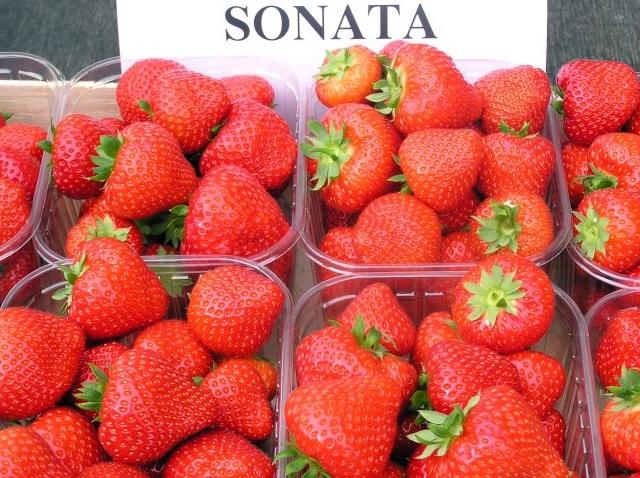
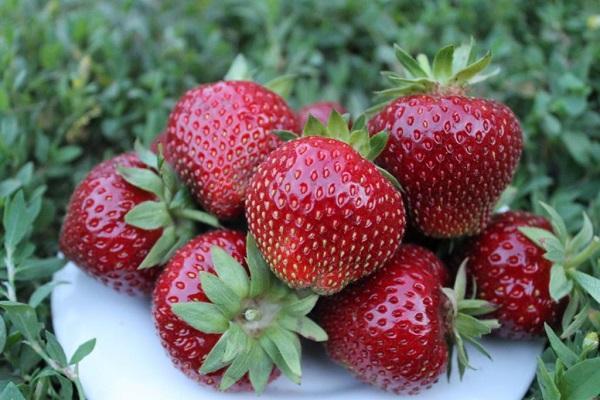
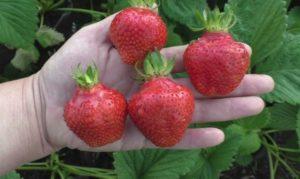
- The berries are large, resembling convex, spherical hearts. Each berry weighs 20-45 grams. The diameter is 3.5 centimeters. The color is deep red. The taste is sweetish, with a subtle tartness. The flesh is soft pink, dense, and juicy. There are no hollows inside. The berries have no neck; the sepals are deeply embedded in the flesh.
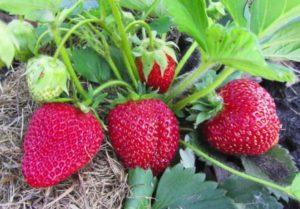
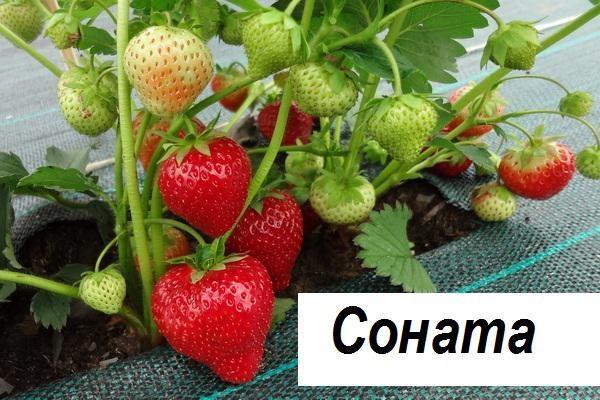
The Sonata strawberry variety is smaller than its parents in berry size, but produces more fruits per bush. This hybrid produces a high yield of over 1 kilogram. Under favorable weather conditions and proper care, a single bush can yield almost 1.5 kilograms of berries.
The Sonata strawberry grows well in southern regions. It tolerates prolonged drought and intense heat well. In warm climates, this variety can be grown uncovered for the winter. The hybrid can also be grown in northern regions. This early-ripening variety produces a good harvest of berries before the onset of cold weather. However, the bushes should be insulated for the winter.
In the central part of the country, berries begin to turn red as early as early June. The peak yield occurs in the middle of the first month of summer. Fruiting lasts for almost 45-55 days. After the active ripening period ends, the berries ripen in smaller quantities for almost another four weeks.
Sonata strawberries are suitable for both home and commercial cultivation. The berries have excellent marketability and flavor. They can be grown in open beds or under plastic.
Strawberries bear fruit well during the first 5 years, after which it is recommended to renew the plantings.
Pros and cons of garden strawberries
Advantages of Sonata strawberries:
- consistently high yields;
- long fruiting period;
- excellent taste and commercial qualities of berries;
- cold resistance;
- drought resistance;
- excellent adaptation to any weather conditions.
Disadvantages of the variety:
- weak whisker formation;
- low frost resistance.
Nuances of growing the variety
Gardeners have been growing Sonata strawberries in their gardens for many years. They purchase seedlings for planting. If strawberries of this variety are already growing in the garden, they propagate them using the young rosettes that appear on the runners in summer.
Planting dates
Purchased seedlings are planted in the garden in spring (May) or summer (early August). The rosettes that emerge from the runners in summer are first pinned to the ground next to the mother plant and then transplanted to their permanent location. Transplanting is done no later than August, allowing the plants time to adapt to their new environment before the onset of cold weather.
Selection of seedlings
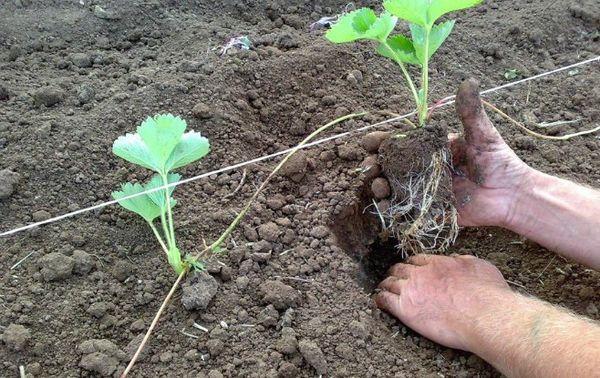
When purchasing seedlings, pay attention to their appearance. They should be healthy and firm, with 3-5 intact, undamaged leaves and at least one rhizome. It's best to purchase seedlings in plastic or peat cups. This will ensure a smooth transplant: transfer the seedling, complete with soil, to a pre-dug hole.
Landing site
Sonata strawberries can be planted in sandy loam soil. Excessively clayey soil should be amended with peat and sand before planting. Poor soil should be fertilized with organic and mineral matter. For every square meter of soil, add a bucket of compost and 100 grams each of urea, superphosphate, and potassium sulfate. For overly acidic soil, add a little lime or wood ash.
The soil is prepared several months before planting. The soil is dug, leveled, and fertilized. The crop produces well in sunny areas.
In the shade, the berries grow small and sour. For planting, build raised beds of soil, usually covered with agrofibre. You can plant the crop on level ground. The main thing is to avoid excessive flooding during rainfall. Waterlogged soil will cause the plant to become diseased and rot.
Planting technology
Sonata strawberries are planted in rows. The bushes are placed opposite each other or staggered. Each bed should contain 2-4 rows of strawberries. A wide aisle is left between the beds. The distance between rows should be 40 centimeters. At least 25-30 centimeters of clear space should be left between adjacent crops in the same row.
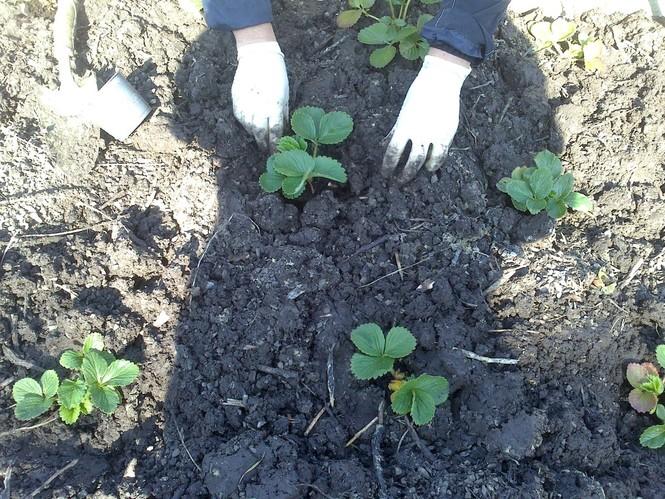
Holes are prepared for planting. They are dug to the depth of the seedling's root system. The seedlings are buried in the soil up to the flower bud. The flower bud and the rosette of leaves should be above the soil surface. Only the roots are covered with soil. After planting, the soil is watered generously.
Further care of the plant
Sonata strawberries, like any garden crop, require regular care. Fertilize the plants in the spring, water and weed them in the summer, and cover them with insulation for the winter. Proper agricultural practices extend the fruiting period and increase yield.
Watering and fertilizing
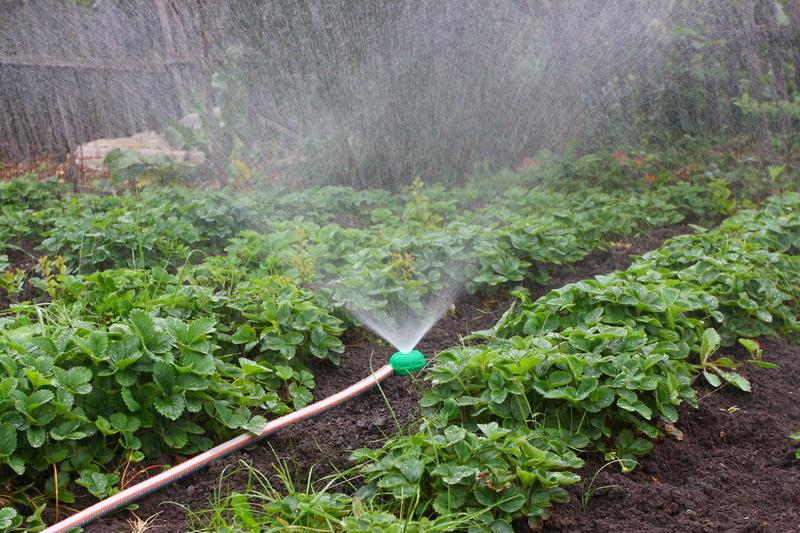
During the first week after planting, the plant is watered almost daily. Subsequently, watering is reduced to twice a week. Mature bushes are watered only during dry periods. Watering is essential during flowering and berry ripening. Two weeks before harvesting, water the bushes as little as possible to prevent the fruit from becoming too waterlogged. Add 0.5-1 liter of settled, preferably rainwater, to the area under the bush.
Sonata strawberries are fertilized only in the second year after planting. During the first season, the plants should receive sufficient fertilizer applied to the soil. Mature plants are fed with nitrogen-containing additives (compost, nitroammophoska) in early spring.
Before flowering, add a little potassium and phosphorus to the soil. Complex fertilizers can also be used.
In summer, plants are fed with wood ash. Ash dust, scattered over the beds, will protect the bushes from many diseases and pests. In winter, plants are fertilized with potassium sulfate and superphosphate.
Features of weeding and loosening
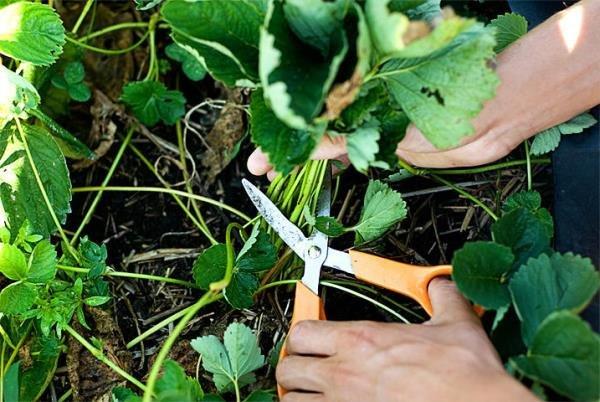
After watering, the soil should be loosened, the soil crust broken up, and weeds removed. Weeding should be done at least three times per season. You can cover the soil with agrofibre or film. This mulch will retain moisture in the soil and prevent weeds from growing.

Preparing for the winter period
Strawberries grown in warmer regions are not protected for the winter. In September, the plants are simply fertilized, and the soil is treated with fungicides. In temperate climates, it is recommended to insulate strawberry beds before the onset of frost. The plants are covered with hay, straw, chopped corn stalks, and agrofibre. In winter, more snow is added to the beds to help protect the plants from severe frosts.
Protecting crops from diseases and pests
Sonata strawberries have a good immunity and rarely get sick. However, if not properly cared for, plants growing in nutrient-poor soil can become infected. Rainy and warm weather can trigger the disease.
Common diseases of the hybrid include white and gray mold, root rot, fusarium wilt and bush drying, white or brown leaf spot, and verticillium wilt. Prevention is better than cure.
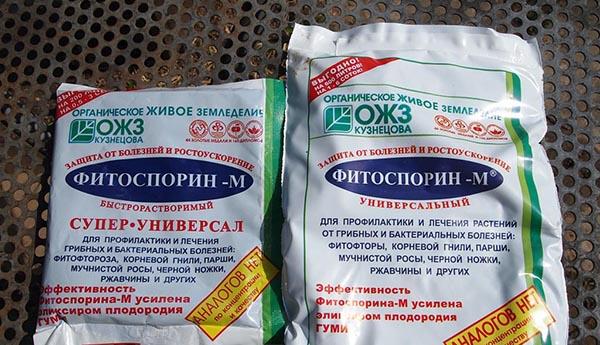
As a preventative measure in the spring, before flowering, plants are sprayed with fungicides (Fitosporin-M, Fundazol, Skor, Maxim). The soil can be treated with a solution of copper sulfate or Bordeaux mixture.
Cultivation of the variety
Sonata strawberries can be propagated using the rosettes that appear on the runners. Flowers are removed from the bushes intended for propagation in the spring.
The rosettes that grow on the runners are pinned to the soil next to the mother plant and allowed to root. In August, the runners are trimmed, and the young plant, along with the root ball, is transferred to a new bed.
Harvesting and storage of crops
The berries are picked as they ripen. Fruiting peaks in mid-June. The berries are picked along with the green bracts. They are carefully placed in boxes or plastic containers. The harvested crop is stored in a cool place at a temperature of 0-2 degrees Celsius. Strawberries are used to make jams, preserves, and juices. The berries are used in desserts and baked goods, eaten fresh, or frozen.
Related posts:
 Description of 36 of the best sweet and large varieties of gooseberries
 Description and technical characteristics of the Sonata hybrid tomato variety
 Beginner's Guide to Growing Grapes in Open Ground in Central Russia
 Which tomato varieties are best for open ground?
 When and how to properly pick gooseberries with your own hands to avoid getting pricked
 Descriptions of the 20 best cherry varieties for the Moscow region, their planting and care
 Characteristics and description of the Golubka currant variety, planting and care
 What varieties of tomatoes are best to plant in a polycarbonate greenhouse?