
- Description and Features
- History of selection
- Characteristics of the variety
- Berries
- Flowering period
- Ripening time
- Applications of berries
- Resistance to diseases and pests
- Taste and medicinal properties
- Advantages and disadvantages of the variety
- How to plant correctly
- Recommendations for choosing deadlines
- Site and soil requirements
- Site selection and preparation
- How to select and prepare planting material?
- Planting diagram
- Care instructions
- Watering mode
- Mulching
- Top dressing
- Trimming
- Young bushes
- Mature shrubs
- Preparing for winter
- Prevention of diseases and pests
- Harvesting and storage
- Tips and recommendations
The average person thinks of blueberries as a forest crop. This isn't entirely true. Thanks to the efforts of breeders, gardeners have now been able to grow this forest beauty in their own gardens, and garden blueberry varieties have been developed. The Denis Blue garden blueberry is an early-ripening variety bred in New Zealand. Its early ripening period makes it suitable for growing in most regions of our country.
Description and Features
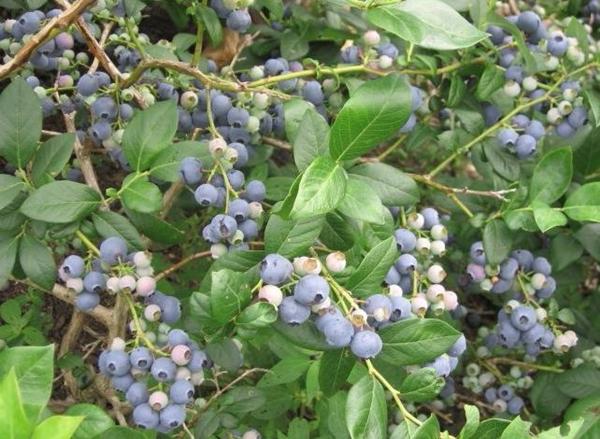
Denis Blue blueberry, native to North America, is a perennial deciduous shrub. The plant has successfully established itself in all regions of our country, as it can withstand harsh winters with temperatures as low as -40°C. Garden blueberries are grown in the Urals, Siberia, the Leningrad region, and the Moscow region. The shrub is used in landscape design.
The plant's distinctive feature is its underdeveloped fibrous root system. It receives a full range of essential nutrients through symbiosis with the fungal mycelium.
Important! The shrub prefers acidic soil, which is also necessary for the fungus to thrive.
History of selection
The garden blueberry bush is native to North America. In the early 20th century, the United States experienced a veritable "blueberry craze," with the plant in high demand. Garden varieties were developed from wild North American blueberries. A little later, these beautiful bushes of this healthy berry gained popularity in Europe, and then in Russia.
Characteristics of the variety
The Denis Blue garden blueberry variety is suitable for both home and commercial cultivation. Variety characteristics:
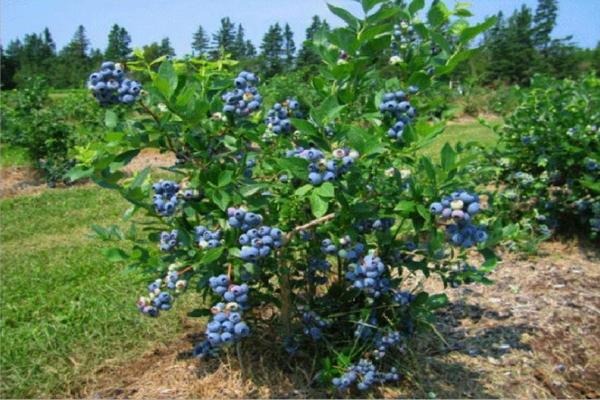
- A spreading perennial shrub up to 1.5 meters high.
- Late, early ripening variety.
- It has a sweet berry taste with a slight sourness.
- Frost resistance (up to -40 WITH).
- Long fruiting, uniform ripening.
- Pruning and shaping of the bush is necessary.
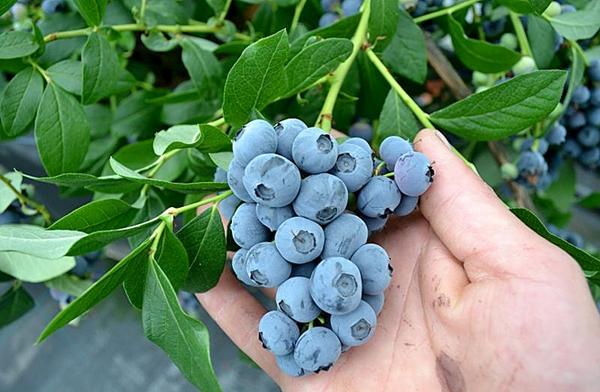
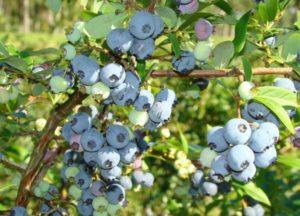
- The color of the fruit when fully ripe is matte blue.
- The average weight of a berry is 2 grams.
Due to the fact that the variety blooms quite late, it tolerates spring frosts well.
Berries
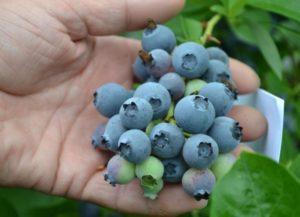
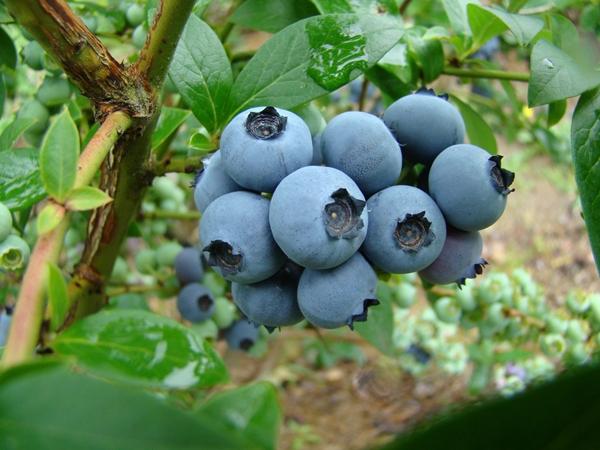
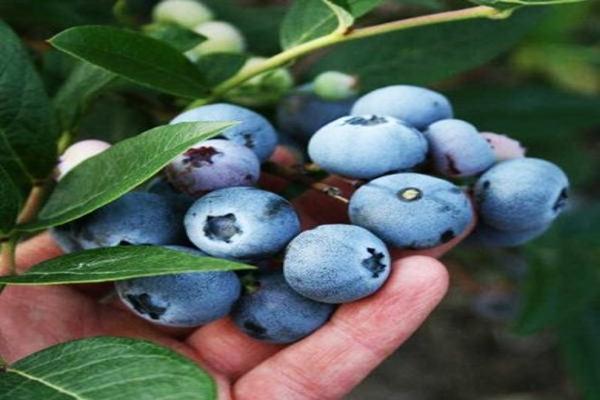
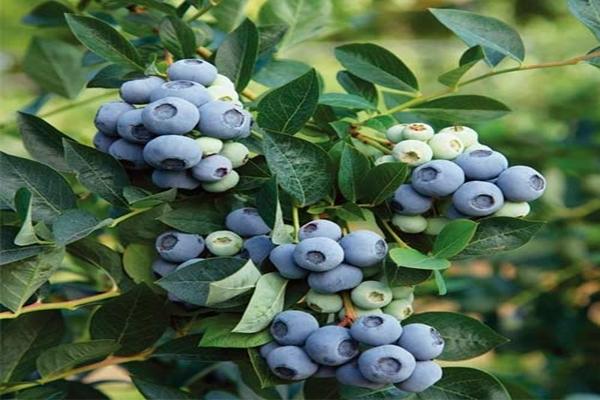
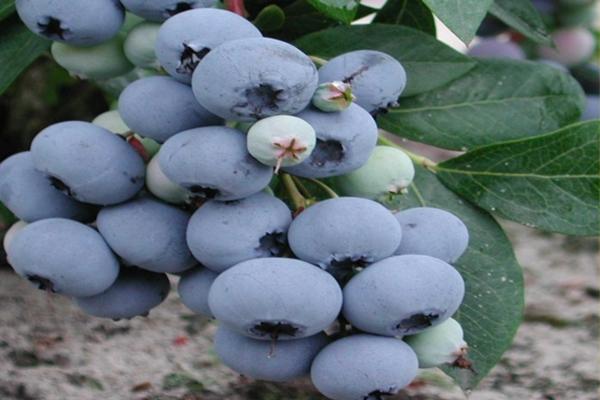
Denis Blue is considered a large-fruited variety, with a single berry weighing up to 2 grams and measuring 20 millimeters in diameter. The yield is 6-7 kilograms per bush. When fully ripe, the berries are blue with a waxy coating, sweet in flavor, low in acidity, and rounded with a serrated denticle.
Flowering period
Blueberry bushes bloom in the second half of May, a period considered late. This is advantageous because the risk of spring frosts is low during this period, preventing the buds from freezing.
Ripening time
The berries reach full ripeness by early August. Ripe fruits do not fall off and can remain on the bush for about two weeks. Ripening is uniform. Blueberries begin to bear fruit for the first time in their fifth year.
Applications of berries
Blueberries have a versatile use. They are eaten fresh, frozen, and used to make juices, compotes, jams, and wine. Blueberries are indispensable in desserts. They are easy to transport; when chilled, they are shipped in refrigerated trucks.
Resistance to diseases and pests
The shrub's immunity to fungal diseases is above average. With regular care, proper pruning, and preventative treatments, blueberry bushes are virtually disease-free. Excessive moisture and water stagnation at the roots can trigger outbreaks of infectious diseases.
Preventative spraying with Bordeaux mixture is carried out in early spring, before bud formation. Fungicide treatments are carried out in the fall.
Taste and medicinal properties
Blueberries are a dessert berry. Their pleasant sweet and sour aroma is combined with tender flesh and thin skin. The fruit is 90% water and contains essential amino acids and vitamins. Blueberries are a natural antioxidant, and their phytoestrogens prevent heart disease and improve thyroid function.
Blueberries are considered a feminine berry because they stabilize hormonal balance, and the folic acid they contain prevents uterine diseases and has a beneficial effect on pregnancy and fetal development.
Blueberry leaves are used in the treatment of diabetes or as a mild laxative.
Advantages and disadvantages of the variety
Denis Blue is an easy-to-grow garden blueberry. The variety's advantages include:
- Possibility of using the shrub for decorative purposes.
- Easy to care for.
- The buds do not freeze due to the late flowering period.
- Winter hardiness (up to -40 WITH).
- Pleasant dessert taste of berries.
- Compactness of the bush.
- Large fruits and uniform ripening of fruits.
According to experienced gardeners, the variety has virtually no drawbacks. The following are noted as disadvantages:
- Regular pruning and shaping of the bush is necessary.
- Demanding to soil acidity.
- Complex and slow propagation of the shrub.
- The first harvest is collected only in the fifth year.
With proper agricultural practices and regular pruning, blueberries won't cause any problems in your garden. On the contrary, this compact bush will enhance the landscape and provide healing berries.
How to plant correctly
The key to successful blueberry cultivation is choosing the right site and soil, observing the timing, and healthy planting material.
Recommendations for choosing deadlines
Denis Blue can be planted in both spring and fall. If the gardener decides to plant the bushes in spring, the optimal time is late April or early May, depending on the growing region.
If you plan to plant blueberries in the fall, the best time is September, about a month before the first frost.
Site and soil requirements
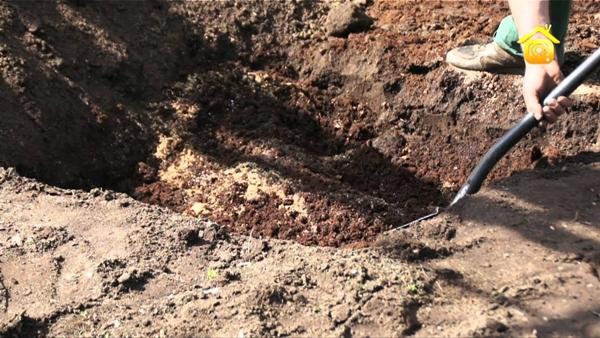
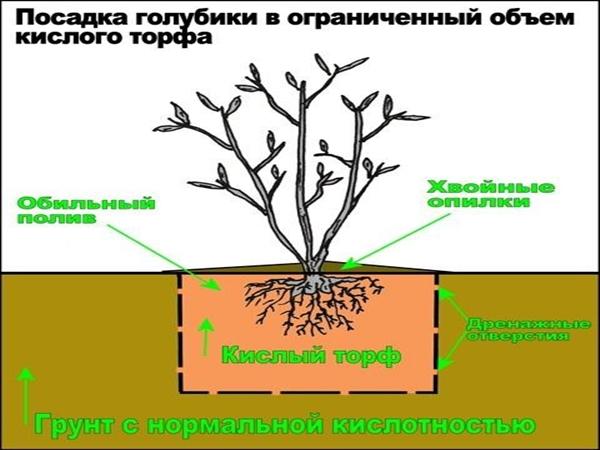
The site for planting garden blueberries should be well-lit, with a south or southwest exposure being ideal. Blueberries do not tolerate drafts well, and the bush does not grow in marshy areas. The primary soil requirement is high acidity. The plant receives a full range of essential nutrients through symbiosis with the fungal mycelium.
Site selection and preparation
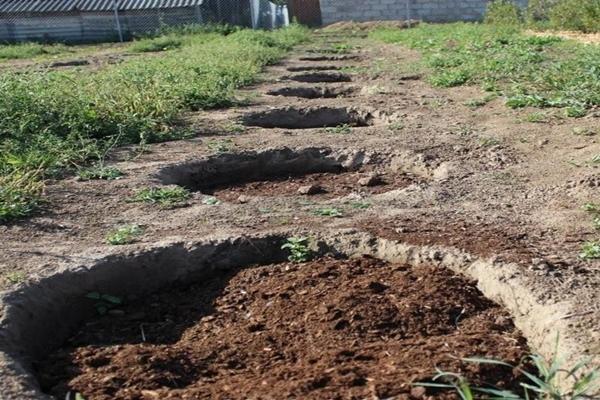
The plot for planting garden blueberries is prepared in advance. The soil is dug, weeded, loosened, and fertilized. When choosing a location, it's important to consider shade; in shade or partial shade, blueberry yields are reduced by half.
How to select and prepare planting material?
When choosing planting material, pay attention to the root system of the seedlings. It should be well developed, with no signs of rot or mechanical damage. Seedlings are purchased from agricultural nurseries and certified stores.
Planting diagram
Although Denis Blue forms a fairly compact bush, when planting in groups, it's important to maintain a distance of at least one meter between plants and at least 1.5 meters between rows. The planting hole should be 60 centimeters deep and 70 centimeters in diameter.
Care instructions
Denis Blue is one of the most easy-to-grow garden blueberry varieties. For this reason, this New Zealand variety is ubiquitous in orchards. However, to achieve maximum yield from the bushes, it's recommended to follow proper cultivation practices and pay attention to the subtleties of plant care.
Watering mode
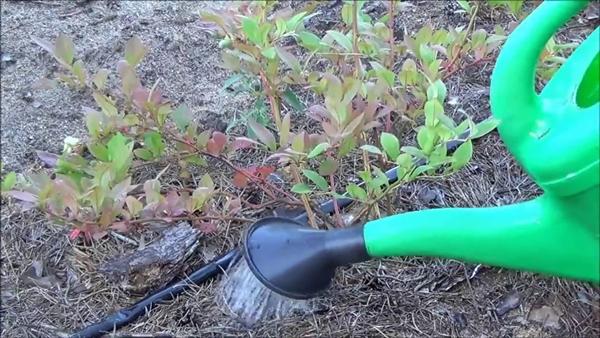
Overwatering can be harmful to blueberries. Supplemental irrigation is recommended during dry periods and during the budding stage. For each mature tree, use up to 15 liters of warm water per watering.
Mulching
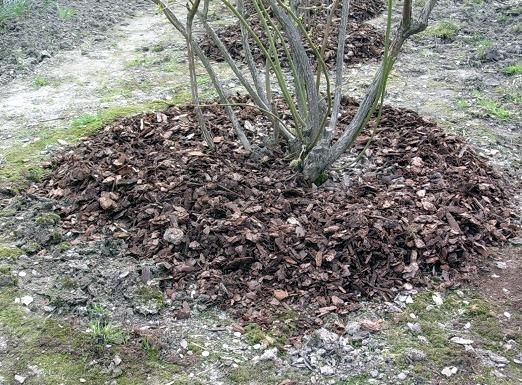
To maintain soil moisture, Denis Blue bushes are mulched with wood chips, straw, or freshly cut grass. This procedure is performed after watering and loosening the soil around the tree trunk.
Top dressing
Blueberries don't require additional organic fertilizer; organic fertilizers can be harmful. Denis Blue is fed with complex liquid mineral fertilizers for heathers. Nitrogen fertilizers are applied in ammonium form. Fertilizers are evenly distributed and applied three times per season.
Trimming
Sanitary and formative pruning are the main plant care activities. Regular The yield of garden blueberries depends on pruning.
Young bushes
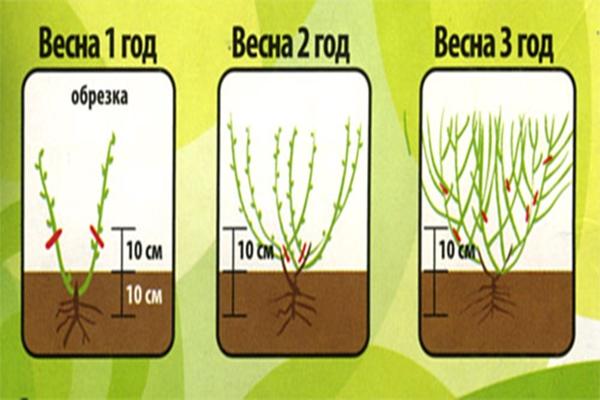
Saplings under three years old do not require shaping pruning. Simply remove dried and damaged branches in spring and fall.
Mature shrubs
At three years of age, pruning begins, with all shoots shortened by 30% in the spring. At the same time, sanitary pruning and thinning of the bush are carried out. If this procedure is not carried out, the bush becomes overgrown, significantly reducing yield.
Preparing for winter
Additional winter protection for blueberries is only required in regions with prolonged frosts and low snowfall. Spruce branches, hay, and special agrofibre are used for protection.
Prevention of diseases and pests
Preventive measures against fungal diseases and pests include the following:
- Sanitary pruning in spring and autumn.
- Spraying bushes in early spring, before the buds swell, with Bordeaux mixture.
- Fungicide treatment in autumn.
- Regular loosening of the tree trunk circle.
In general, the shrub's immunity to fungal diseases is above average. With regular care, proper pruning and preventative treatment of blueberry plantings, blueberries are almost never susceptible to diseases.
Harvesting and storage
The garden blueberry harvest begins in early August. Denis Blue berries are easy to transport and do not crack during picking. Fresh fruits are stored in the refrigerator and transported chilled in a refrigerated truck.
Tips and recommendations
If you're looking to enhance your garden with beautiful, easy-to-care-for perennial shrubs that produce a bountiful harvest, there's no doubt the Denis Blue garden blueberry is a great choice. To reduce the labor involved in maintaining the shrub, follow these recommendations from experienced gardeners:
- Choose a sunny, windless place for growing blueberries.
- Avoid shady and partially shaded areas.
- Formative pruning is carried out from the age of three years of the plant.
- Don't overdo it with organic fertilizers.
- Spray the plants with fungicides in spring and autumn.
With simple care instructions, this beautiful shrub will delight you with a bountiful harvest of healing berries, enhance and diversify the landscape, and pleasantly surprise your neighbors.
Related posts:
 Description and characteristics of 45 of the best varieties of garden blueberries
 Description and rules for growing the Northland blueberry variety
 Blueberry recipes for the winter, including freezing or blending with sugar to preserve all the vitamins
 Description of the Early Blue blueberry variety, planting and care
 Description and characteristics of the Elizabeth blueberry variety, planting and care
 Description and characteristics of the Toro blueberry variety, growing rules
 Description and subtleties of growing the Spartan blueberry variety
 Blueberry planting and care guidelines in the Moscow region, including the best varieties