
- Selecting and preparing blueberries
- What can you make from blueberries for the winter?
- Dried blueberries
- Frozen blueberries
- Jam
- Jam in 5 minutes
- Blueberry jam with honey
- Blueberry and raspberry jam
- Blueberries in their own juice
- Compote
- Blueberry and blackberry compote
- Paste
- Pastila with sugar
- Blueberry juice with pulp
- Liquor
- Wine
- Confiture
- Jelly
- Blueberries, pureed with sugar without cooking
- Storage Features
Blueberries and their juice are considered dietary products that boost metabolism, help lower blood sugar, strengthen blood vessels, and normalize heart and digestive function. Blueberries are eaten raw and used to make preserves for the winter: jam, compotes, preserves, jellies, and wine. They are often blended with berries with a more pronounced flavor (lingonberries, cranberries).
Selecting and preparing blueberries
Choose dry, firm, unbruised berries with a uniform blue bloom. Blueberries should be clean, free of mold and damage. It's best to sort through the berries, discarding any unripe or bruised ones. To freeze, rinse them with cold water and dry them on a flat surface.
What can you make from blueberries for the winter?
There are countless blueberry recipes for long-term storage. Besides freezing, they can be dried and cooked with sugar.
Dried blueberries
To preserve their nutritional value, blueberries can be dried by spreading them thinly on trays. Place them in the sun to dry, then in the shade until completely dry. Turn the blueberries several times during this time.
The berries are also dried in the oven—spread them out on baking sheets, set the oven to 40 degrees Celsius, and slightly open the door. Stir the berries occasionally. Leaves can be dried in a similar manner. The dried berries can be used to make a pie or brewed into tea.
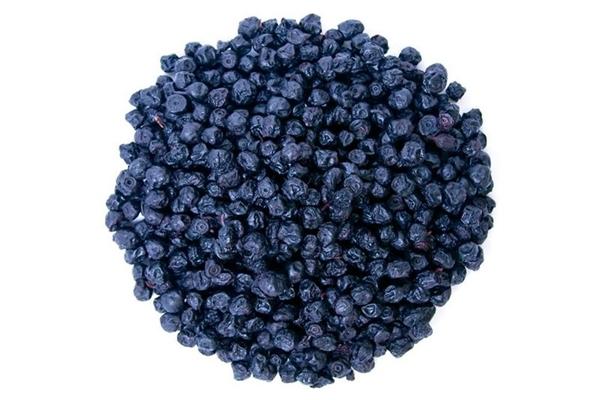
Frozen blueberries
Prepared fresh berries are packaged into bags and placed in the freezer.
You can freeze the blueberries loosely on a tray first, then transfer them to a bag and store them in the refrigerator at sub-zero temperatures. This will prevent the berries from freezing together in a lump, but rather keep them crispy.
You can freeze not only whole fruits, but also those chopped in a blender with sugar (in equal parts).
Jam
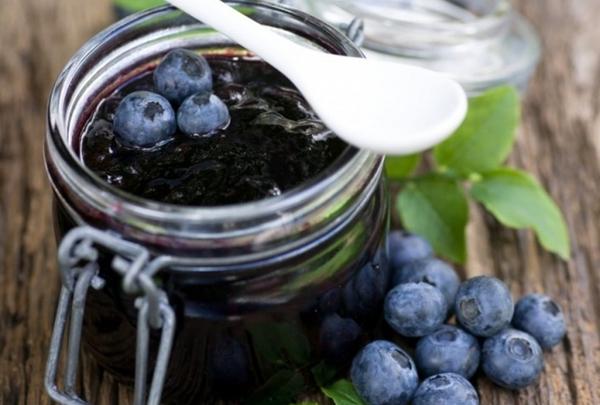
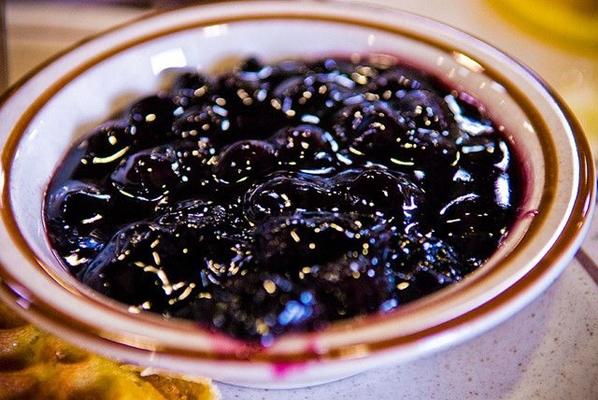
To prevent all the vitamins from being destroyed during cooking, it's best to cook the jam for a short time—5-10 minutes. It's best to do this in a copper or enamel bowl. Its shape allows for quick heating of all the berries. For a better flavor, you can replace some of the blueberries with bilberries, or add sea buckthorn or wild strawberries. To prepare, you'll need:
- blueberries - 1 kg;
- granulated sugar - 800 g;
- cold water - 200 ml.
Sort the berries, rinse, and drain. Then make syrup. Pour the boiling mixture over the berries and let it sit for 30-40 minutes. Then place the bowl on the stove and simmer for 12-14 minutes. Pour the hot jam into jars. Seal with scalded lids and turn the jars upside down until completely cool.
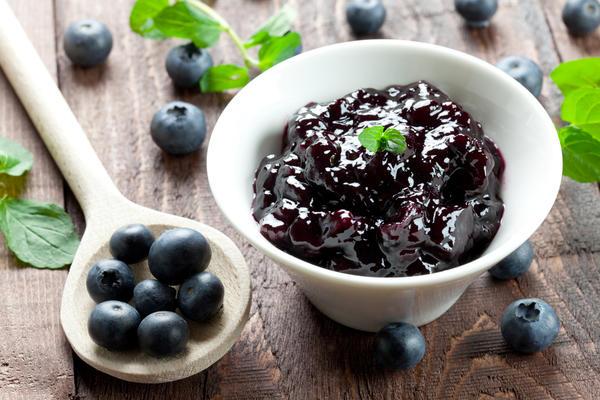
Jam in 5 minutes
For this dessert take:
- blueberries - 1 kg;
- granulated sugar - 1 kg.
Cover the berries with sand and leave for a few hours to release juice and partially or completely dissolve the sugar. Then place the mixture on the stove and cook for five minutes from the moment it starts boiling over medium heat. Then set the pan aside for three hours and bring the mixture to a boil again. While hot, pour into jars and seal with pre-scalded lids.
Blueberry jam with honey
For this recipe you need to take:
- blueberries - 1 kg;
- honey - 200 ml;
- rum - 30 ml.
Heat the berries over medium heat until they release their juices. Melt the honey and add it to the berries. Bring to a boil and simmer for 5 minutes. Add the rum, stir, and remove from heat. Pour the hot jam into jars, turn them upside down, and let cool.
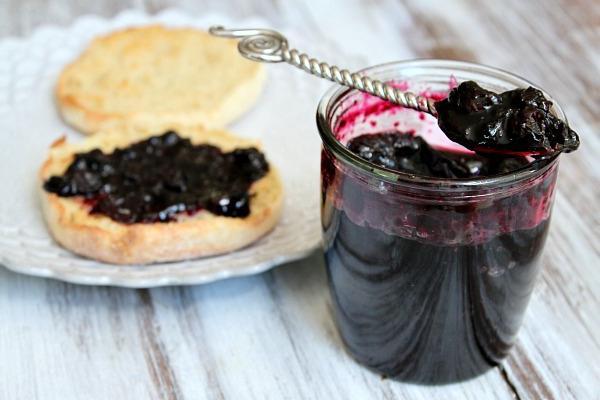
Blueberry and raspberry jam
The ingredients you will need are:
- blueberries - 250 g;
- raspberries - 750 g;
- sugar - 1.2 kg.
First, prepare a syrup from sugar and 0.5 liters of water. Pour it over the berries and let it cool completely. Then bring to a boil and simmer for 5-7 minutes. Ladle the jam into jars, sterilize, and seal hermetically.
Blueberries in their own juice
To make this dessert, take a liter jar of berries and the same amount of granulated sugar. Once the blueberries release their juice, stir them periodically until the sugar is completely dissolved. After 24 hours, pour the mixture into pasteurized jars and store in a cool place.
With this method, all the vitamins are preserved, unlike jam.
Compote
For a three-liter jar take:
- blueberries - 1 l;
- sugar - 250 g;
- water - 2 l.
Place the berries in a jar, pour hot syrup over them, and seal. Turn the jar upside down, cool, and store in the refrigerator or cellar.
Blueberry and blackberry compote
For a three-liter jar take:
- blueberries - 1 kg;
- blackberries - 0.5 kg;
- sugar - 1.5 cups;
- citric acid - 10 g;
- water - until the jar is full.
Hot water is poured into the jar containing the berries, then poured into a saucepan, sugar and citric acid are added, and the syrup is boiled. The hot water is poured over the berries and pasteurized for 20 minutes. The jar is sealed and stored at room temperature.
Paste
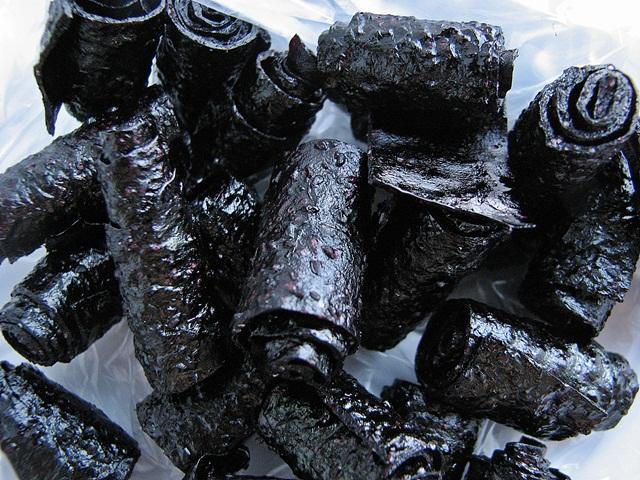
Pastila can be made with or without sugar. The latter recipe simply requires grinding the berries in a blender or meat grinder, spreading the mixture on a tray lined with waxed paper, smoothing it out, and placing it in the sun. Once it sets, you can flip it over. The dried pastila can be hung up until completely dry.
If this isn't possible, you can dry the paste in the oven at 90 degrees Celsius with the door slightly ajar. While still warm, roll the finished pastila into a tube and sprinkle with powdered sugar. If it sticks to the paper, spray the paper with water to make it easier to remove.
The finished pastila is stored in a jar with a lid in the refrigerator for no more than a month or frozen.
Pastila with sugar
To prepare this pastila you will need:
- sugar - 200 g;
- blueberries - 1 kg.
The berries are pureed in a blender or meat grinder, sugar is added, mixed until it is completely dissolved and sent to dry.
Blueberry juice with pulp
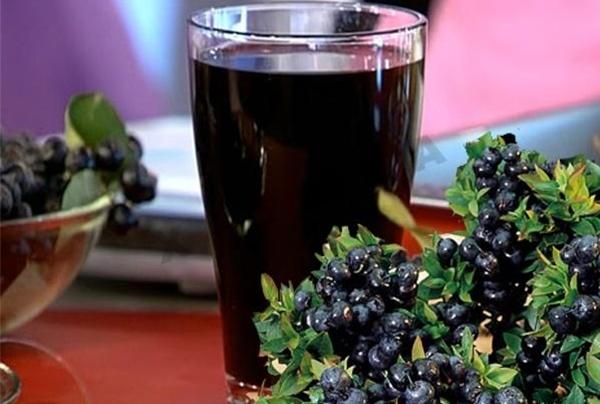
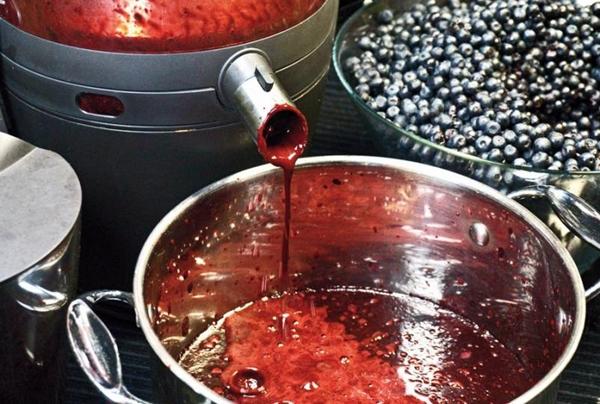
Ripe blueberries are sorted, washed, and crushed. The remaining pulp is pressed. The pulp is lightly doused with boiling water and pressed again. The juices from both pressings are combined and heated to 65-75 degrees Celsius. Then the syrup is added:
- sugar (400 g);
- water (600 ml).
Heat the juice a second time to 85 degrees Celsius and pour into dry, clean bottles or jars. Pasteurize for 20 minutes. If you want pulp-free juice, filter it through three layers of cheesecloth.
Another recipe involves mincing or pressing the berries, draining the juice and simmering for 10 minutes, adding syrup, and simmering for another 10 minutes. Then, pour into bottles or jars, sterilize, seal, and refrigerate. This juice can be stored at room temperature.
Liquor
For the liqueur you will need:
- sugar - 400 g;
- vodka - 500 g;
- berries - 500 g.
The berries, blended or ground, are placed in a glass container and covered with vodka. After 4-5 days, the mixture is filtered, sugar is added, and the mixture is heated without boiling until the sugar is completely dissolved. The blueberry liqueur is then bottled and corked.
Wine
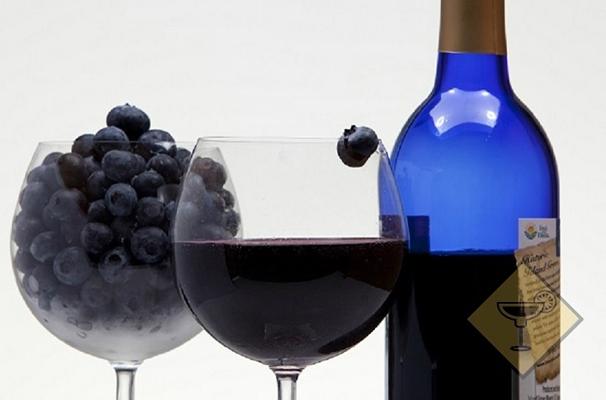
The wine is prepared using natural fermentation. Unwashed berries are crushed with sugar and left to ferment for 3-4 days at room temperature, stirring once a day. When foam and a sour smell appear, a water seal is inserted into the bottle and the wine is left for another 30-35 days in a dark place. When the foaming process subsides, it is filtered, bottled, and hermetically sealed. It is then aged in a cool place for another 3-6 months.
Another recipe consists of the following ingredients:
- blueberries - 5 kg;
- unwashed raisins - 100 g;
- citric acid - 20 g;
- sugar - 2 kg;
- water - 5 l.
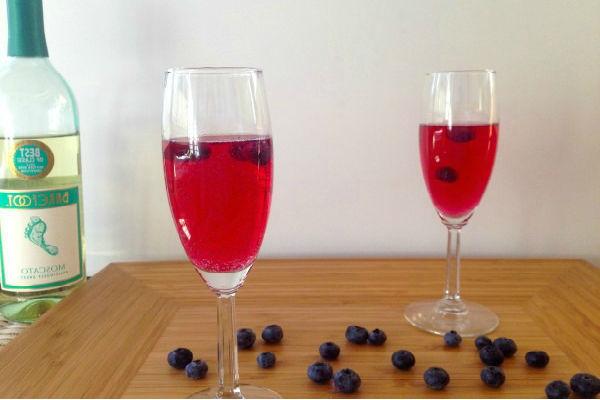
Raisins are used as a safety net in cases where the blueberries lack wild yeast, perhaps washed away by rain. Citric acid promotes fermentation, maintaining the acidity of the wort and further storage.
Unwashed, mashed berries are mixed with 500 g of sugar and the remaining ingredients in a wide-mouthed container. After 3-4 days, the liquid is filtered into a fermentation vessel, leaving at least a quarter of the volume empty. Discard the pulp. Add 500 g of sugar, stir, install an airlock, and leave at room temperature.

After 4-5 days, drain a glass of liquid from the container, dissolve 500 g of sugar in it, and pour it back. After another 4-5 days, repeat the procedure. When fermentation is complete (after 40-60 days), the wine becomes clear, and sediment forms at the bottom. Drain the liquid using a tube, leaving the sediment intact.
If after 60 days the wine is still fermenting, it should be drained from the sediment and left under a water seal at the same temperature.
At this stage, the wine is tasted, and sugar and alcohol are added if necessary. The wine is aged in the refrigerator (cellar) for another 3-6 months. The finished wine yields 5 liters, with an ABV of 10-12%.
Confiture
To prepare it you will need:
- frozen or fresh blueberries - 600 g;
- lemon - ½;
- sugar - 200 g;
- pectin - 20 g.
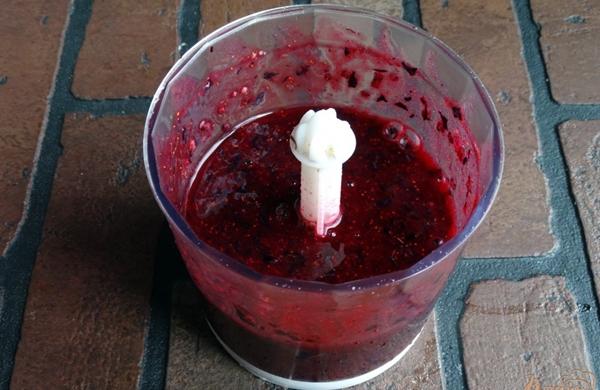
Mix the berries with sugar, squeeze half a lemon, and add pectin. After 30 minutes, stir and bake in a bread machine for 1 hour on the appropriate setting. If you don't have a bread machine, boil the berries with a small amount of water for 10 minutes. Then press through a sieve.
Jelly
For jelly take:
- water - 1 l;
- sugar - 1 tbsp.;
- gelatin - 2 des. l.;
- blueberry juice - 1 tbsp.
Soak the gelatin in cold water. Then boil the syrup, add the juice and gelatin, pour into bowls, and refrigerate for 4-5 hours.
Blueberries, pureed with sugar without cooking
For this recipe take:
- berries - 1 l;
- sugar - 1 l.
Grind the berries in a blender or meat grinder, add sugar, mix, and let sit for 2 hours, stirring occasionally until the sugar dissolves. Pour the mixture into clean, dry jars and store in the refrigerator.
Storage Features
Jars with preserves are best stored in cellars or refrigerators. If the jam has become sour or mold has appeared, it should be carefully removed and the jam re-boiled with the addition of sugar. If it has fermented, it can be used to make wine.
Related posts:
 Description and rules for growing the Northland blueberry variety
 Description and characteristics of 45 of the best varieties of garden blueberries
 Top 40 DIY New Year's Baking Recipes for 2020
 27 Best Homemade Pear Jam Recipes for the Winter
 Simple step-by-step recipes for making lingonberry jam for the winter
 Description and characteristics of the Elizabeth blueberry variety, planting and care
 13 Best Cherry Jam Recipes for Winter
 21 step-by-step recipes for making zucchini jam for the winter