
- The intricacies of making pear jam for the winter
- How to choose and prepare the main ingredients correctly
- Rules for preparing containers
- How long to cook
- Why does jam become candied?
- How to make pear jam at home
- The simplest recipe
- Thick jam
- Without sterilization
- Recipe from wild mushrooms
- From whole pears
- Lemon variant
- With cinnamon
- With bananas
- With plums
- With ginger
- Sugar free
- With pumpkin
- With mint
- With lingonberries
- With cranberries and figs
- With orange
- With rowan
- With coffee
- With cherry plum
- With gooseberries
- With grapes
- With milk
- With apples
- From whole pears with stems in sugar syrup
- A multicooker version with poppy seeds and lemon
- Further storage
On a cold winter evening, it's a delight to open a jar of amber-colored jam made from ripe pears—a treasure trove of good mood and vitamins. With cinnamon, ginger, bananas, and even coffee and poppy seeds, every gourmet will appreciate the taste of original pear delicacies. Making this pear delicacy at home is not at all difficult, following the advice of experienced chefs.
The intricacies of making pear jam for the winter
A jar of aromatic pear jam is a delicious dessert and a winter cold remedy. To preserve the vitamins, it's important to properly prepare the fruit and minimize heat treatment. At the same time, the jam should be prepared in a sterile environment. The jars must be sterilized, and the pears should be free of bruises and any traces of insect infestation. Secrets to delicious jam:
- The fruits for jam must be fresh, picked from your own garden.
- Throughout the cooking process, the jam must be stirred to prevent the sugar from burning.
- Do not use cookware made of copper or aluminum.
- To ensure that the fruit slices retain their shape, the skin is not peeled off the fruit.
- To obtain a thick syrup, the delicacy is boiled several times.
Note! To preserve pear jam for a long time, add citric acid to it.
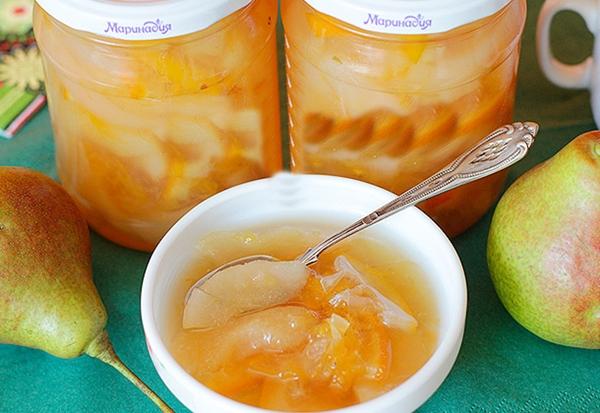
How to choose and prepare the main ingredients correctly
The thickness and color of the syrup, as well as the final consistency and aroma of the dessert, depend on the variety and degree of ripeness of the fruit.
The best fruits to use are those that are not overripe, firm, without dents, rot, or traces of caterpillar activity.
Many pear jam recipes allow for the skin to remain on the fruit, which can be left on. The pits can also be removed if desired. White cane or beet sugar is used for this dessert. Fructose-based pear treats have become particularly popular.
Note! For jam made in wedges, buy mid- or late-ripening pears. They are firmer, hold their shape well, and produce a clear syrup.
Rules for preparing containers
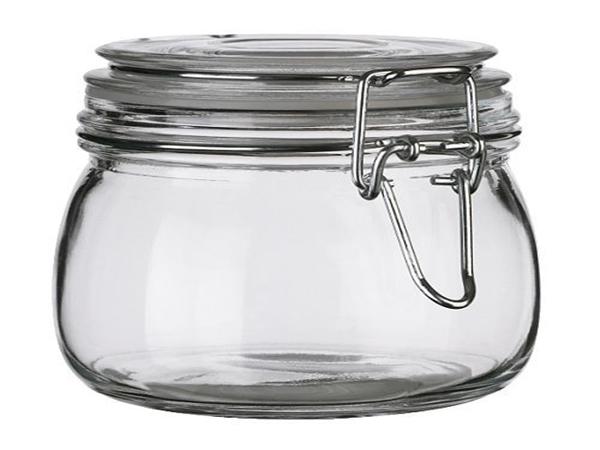
Prepare cooking vessels in advance. Avoid aluminum and copper cookware, as they are unhealthy. The pot should be stable and wide, with a capacity of at least 5 liters.
A slotted spoon and wooden spatula will also be useful in the cooking process—stirring the syrup and lifting the fruit. As the jam boils, a white foam forms on the fruit, which must be removed promptly with a spoon. Glass jars are preferred for storage, and the containers are sterilized with their lids.
How long to cook
The shelf life of the finished product depends on how the treat is cooked. But this doesn't mean you should avoid five-minute recipes. To extend the shelf life of pear desserts, a preservative such as citric acid or malic acid is added to the jam.
Five-minute recipes call for boiling pears for about 7-10 minutes. Classic cooking methods call for cooking pear jam for half an hour.
Why does jam become candied?
The amount of sugar affects the shelf life of the finished dessert: the more sweetener added, the longer the shelf life of pear jam prepared for the winter. The basic ratio most often used by housewives is 1 kilogram of sugar per 1 kilogram of peeled fruit.
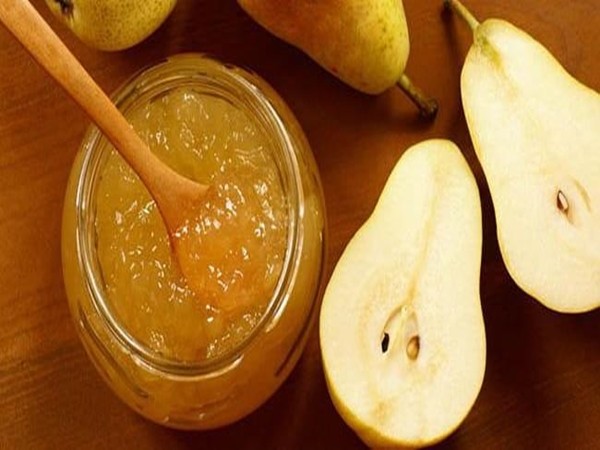
How to make pear jam at home
Creating a fragrant pear masterpiece at home is not difficult. Beginners should follow the recipe step by step, while experienced cooks will eventually develop their own secrets for preparing this amber-colored delicacy.
The simplest recipe
A beginner's recipe for amber-colored pear jam. You'll need:
- Pears.
- White cane sugar.
- A small amount of citric acid.
- Water.
First, peel and core the pears and cut them into quarters. Pour sugar into a prepared container and cover with water, adding citric acid. The ratio of sugar to pears is 1:1. Make a sugar syrup. Combine the sugar and water over low heat, stirring constantly. Once the sugar has dissolved, immerse the pear slices in the syrup. Cook for 35 minutes, skimming off any foam.
Thick jam
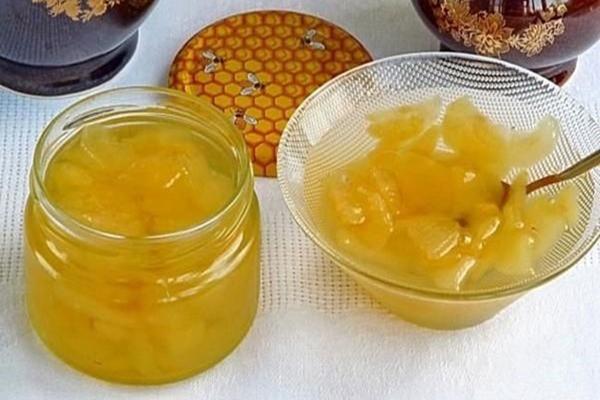
Fragrant, thick pear jam is a self-sufficient dessert to go with tea on a cold winter evening.
An important detail: to create a thick amber syrup, the delicacy is boiled three times.
After the first five minutes of simmering, allow the syrup with pear slices to cool, then bring it back to a boil and simmer for another 10 minutes. Cool and simmer for another 5 minutes. This method produces a thick, clear, amber-colored syrup.
Without sterilization
This recipe preserves maximum vitamins in the finished dessert. The pears are boiled for just 5 minutes. The sugar ratio is classic: 1:1. The fruit is core-removed, cut into small cubes, and either minced or blended. The resulting mixture is sprinkled with sugar and mixed thoroughly.
Place the pan with the aromatic treat on the stove, bring to a boil, and simmer for 5 minutes. Delicious pear jam without sterilization is ready.
Recipe from wild mushrooms
A special feature of this jam is that the wild pears must be boiled several times. More sugar is needed: 1.5-2 kilograms of sugar per 1 kilogram of wild pears.
Wash small pears, cut them in half, and remove the cores and seeds. Place a saucepan of water on the stove and add citric acid. Bring to a boil, then drop in the pear halves. Simmer for 10 minutes, then remove them from the saucepan with a slotted spoon and place them on a plate to cool.
Strain the remaining water, add sugar, and boil for 5 minutes. Add the cooled fruit to the boiling sugar syrup and continue cooking for another 10 minutes. Then remove the container from the stove, cover with a lid, and place it on the windowsill until morning.
The next day, bring the jam back to a boil and simmer for 20 minutes. Pour the finished dessert into sterilized jars.
From whole pears
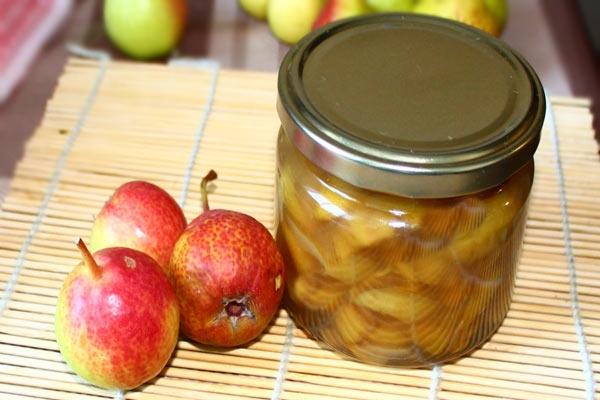
Perhaps one of the most beautiful recipes, familiar from childhood. Among the people jam from whole pears They're called duchesse pears. For this type of jam, small or medium-sized pears are chosen.
Before cooking, wash the fruit thoroughly and trim off the stems. Using a paper clip or toothpick, make small but deep punctures in the pears.
Bring water to a boil in a saucepan, add the fruit, and simmer for 15 minutes. Repeat this process twice. Then drain the liquid. In a separate container, prepare sugar syrup with citric acid. Add the cooked fruit, and simmer for another 20 minutes. Cool and bring to a boil again. The exquisite treat is ready.
Lemon variant
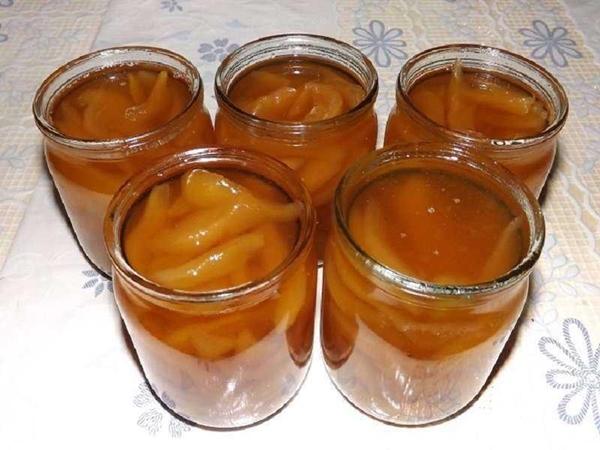
Lemon-pear dessert is the best preventative against acute respiratory viral infections during cold season, a storehouse of vitamins and microelements.
Don't peel the pears; cut them in half and remove the seeds. Zest the lemons by finely grating the citrus peel.
Place the fruit halves in a thin layer in a saucepan, sprinkle the zest on top, and sprinkle sugar over the entire contents. The fruit should release its juice, which will take about 6 hours. Then place the jam on the stove and simmer for 40 minutes. Remove any foam from the fruit promptly.
With cinnamon
You can add variety to the flavor of pear jam with cinnamon. You can use ground cinnamon or cinnamon sticks. Add the aromatic ground spice to the jam 10 minutes before the end of cooking. If using cinnamon sticks, add them at the very beginning of the cooking process and remove them before pouring into sterilized glass jars.
With bananas
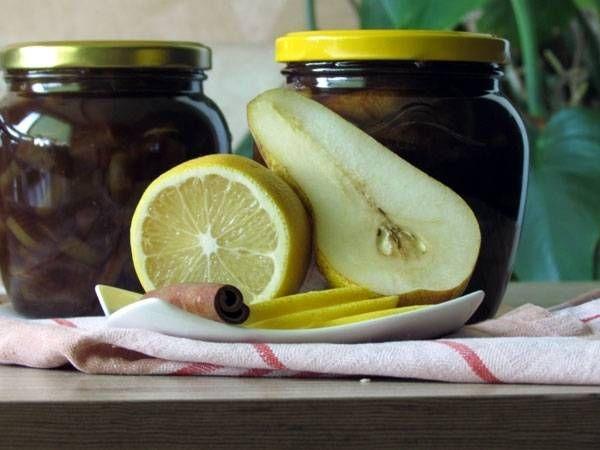
Bananas will thicken the jam, but the syrup will lose its clarity. Banana-pear jam is a unique filling for pies and cakes. When preserving this dessert for the winter, add citric acid, and the bananas should be slightly underripe.
The pears are sliced and boiled for 15 minutes in water with citric acid, while simultaneously preparing the sugar syrup. The bananas are sliced immediately before adding them to the jam. Cooking the bananas and pears together takes about 20 minutes.
With plums
Plums must be pitted. Pear and plum are used in equal proportions; peeling is optional. For every kilogram of fruit mixture, use 1 kilogram of sugar. The peeled fruit is covered with sugar and left to soak for 4 hours.
Then place the fruit mixture on the stove, bring to a boil, cook for 10 minutes, and let cool. This process is repeated four times. Citric acid is optional; plums are a natural preservative.
With ginger
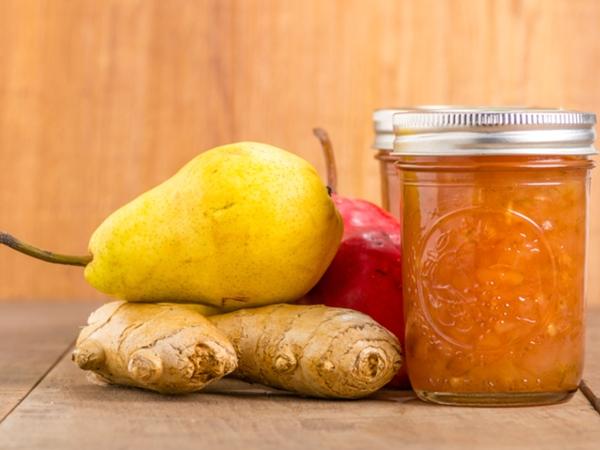
A delicious, aromatic dessert for colds and ailments. Cut the pears into wedges, removing the pits. Thinly slice the ginger root. Prepare a sugar syrup and pour it over the peeled fruit, adding the ginger shavings.
The jam is simmered over low heat for about an hour. The fresh, piquant aroma of ginger-pear jam will delight any gourmet.
Sugar free
Dessert and winter preserve recipes using fructose are becoming increasingly popular in modern cookbooks. Sugar can also be replaced with honey or stevia tablets. These dishes are suitable for diabetics and those on a low-calorie diet.
With pumpkin
The savory combination of pumpkin and pears makes for unique fillings for baked goods. This jam is also a standalone treat and goes well with tea. Use firm pears, and peel the pumpkin. The pumpkin to pear ratio is 1:2. Add sugar to taste. Cook for 1 hour over low heat.
With mint
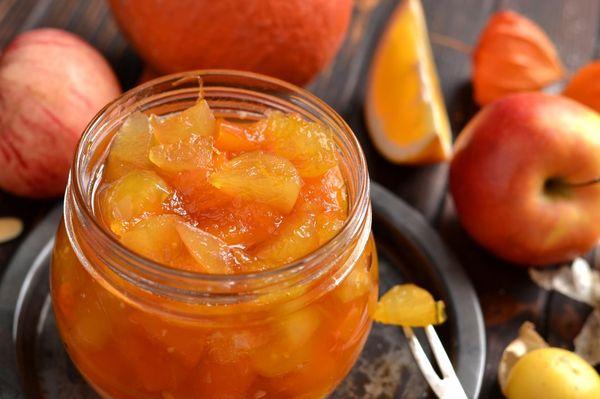
Mint adds a fresh flavor to pear jam. A unique combination is mint, pear, and lime. These ingredients are added to the jam 15 minutes before the end of cooking. Add the mint sprigs, and zest the lime and squeeze out the juice.
With lingonberries
For every 1 kilogram of peeled pears, use 800 grams of lingonberries. Cinnamon, lime, and cloves are excellent spices for this dessert. Before adding to the jam, rinse the lingonberries and soak them in boiling water for 5 minutes to remove the bitterness. Peel and core the pears, then cut them into small wedges.
Mix all ingredients, add sugar and water, and simmer for 5 minutes. Skim off any foam, then let the jam sit for 6-8 hours. Cook for another 30 minutes before jarring.
With cranberries and figs
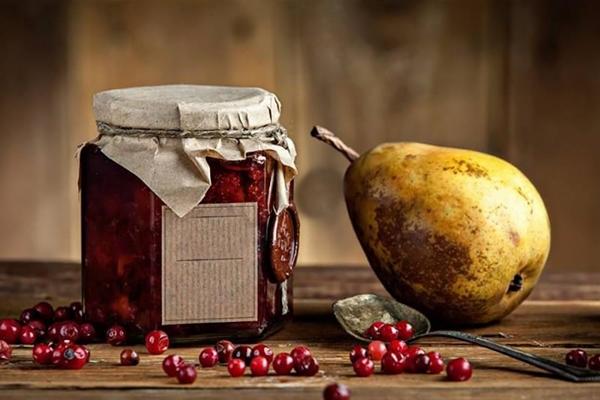
This original pear jam is enhanced with hints of ginger root, vanilla, and cinnamon. Dried figs can be used. For 1 kilogram of pears, 15 figs and 400 grams of cranberries are sufficient. The proportions of the ingredients can be adjusted to suit your taste.
After mixing all the ingredients, bring the treat to a boil and simmer for 5 minutes. Then let the dessert steep for 6-8 hours and simmer for 40 minutes. Citric acid should be added for long-term storage.
With orange
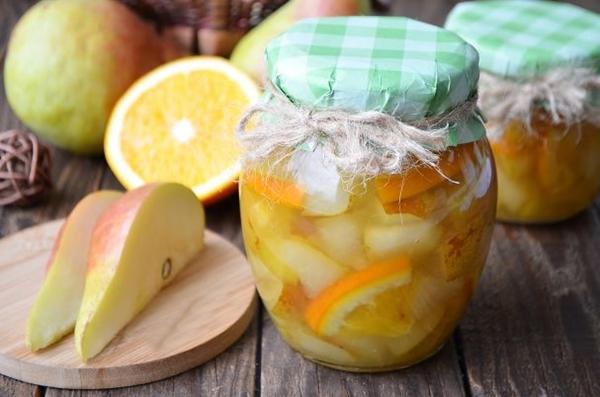
The unrivaled aroma of this pear-orange dessert will amaze guests. It's easy to prepare. For 1 kilogram of peeled fruit, use 1 kilogram of sugar and 1 orange. Peel the pears, cut into wedges, mix with sugar, and leave to soak for 3 hours. Finely grate the zest from the citrus. Squeeze the juice and strain it through a sieve. Mix the zest with the juice and add it to the jam. The final cooking time is 50-60 minutes.
Take a look Also
With rowan
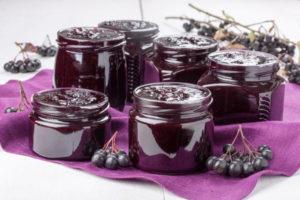
Rowan berries are the main ingredient in this original recipe. For every 1 kilogram of red berries, use 400 grams of pears and 1.5 kilograms of white cane sugar. The pears are sliced. This jam can be stored in the refrigerator.
With coffee
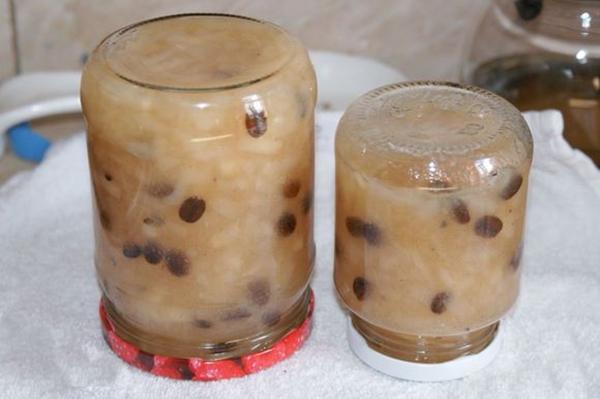
Coffee beans will add a unique flavor to the pear jam. Cinnamon will add a piquant note. The pears must be completely pitted and peeled. Cooking is done in four stages. Mint will add a fresh taste and enhance the appearance of the preserves.
With cherry plum
The recipe is similar to making plum-pear jam. The washed and peeled fruit is covered with sugar and left to soak for 6 hours.
Then place the fruit mixture on the stove, bring to a boil, cook for 10 minutes, and let cool. This process is repeated four times.
With gooseberries
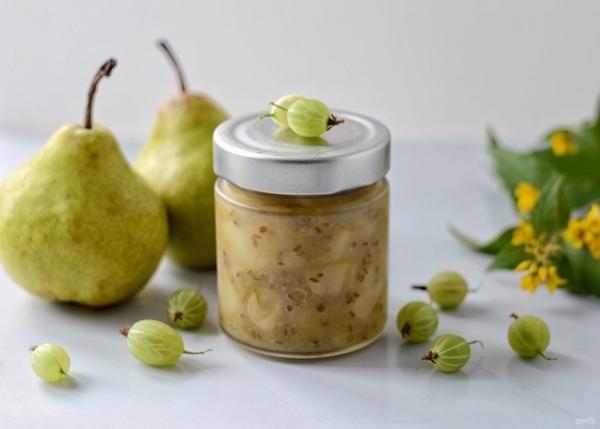
The ratio of pears to gooseberries is 1:2.5. The pears should be soft, pitted, and peeled. Before cooking, let the fruit mixture sit with sugar for at least 4 hours. The "five-minute" method can be used.
With grapes
A true delicacy, popular in the southern regions of our country. The fruits ripen at the same time and combine perfectly in jam.
You can cook this delicacy in "five-minute jars," but then the cooking time will take up to a day. It's easier to peel the fruit, sprinkle it with sugar, and let the mixture steep overnight. Cooking begins in the morning, lasting at least an hour. It's important to skim off any foam promptly and prevent the sugar from burning.
With milk
A quick-serve dessert that won't keep for more than 60 days without a preservative. Peel the pears and grind them in a meat grinder to create a puree. Add sugar and 1 tablespoon of baking soda. Milk is then added, and the mixture is left to steep for 2 hours, followed by an 8-hour simmer.
With apples
Pears and apples can be preserved as puree or slices in sugar syrup. The fruit is pitted and cored. You can use the "five-minute" method or a long simmer.
From whole pears with stems in sugar syrup
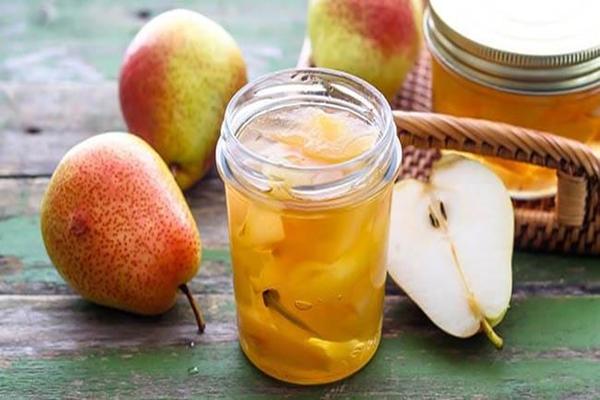
You can give this delicacy a unique twist by using a unique form of canned pears. In this case, the stems and skins are left on, and the seeds are not removed. The pears are pierced with a toothpick and boiled in water, bringing the liquid to a boil several times.
Sugar syrup is prepared separately.
A multicooker version with poppy seeds and lemon
Cut the pears into medium-sized wedges, remove the core, place them in a multicooker, and sprinkle with sugar. The optimal cooking mode is stewing—rather than 5 hours on the stovetop, the pears will cook in 60 minutes.
Let the jam cool, then evaporate any excess liquid using the steam setting in three passes. Once the jam has thickened, add the poppy seeds and lemon juice.
Further storage
The optimal place to store winter preserves is a cellar. Storage time depends on the amount of sugar and preservatives added. The more sugar, the longer the storage period.
The finished jam is sealed in glass jars with metal lids. It's important to skim off any foam during cooking, as if the white film remains in the finished product, mold will grow on it, ruining the jam.
Related posts:
 13 Best Severianka Pear Jam Recipes for the Winter
 14 Best Step-by-Step Recipes for Making Apricot Jam for the Winter
 Description and full characteristics of the Yakovlev Memory pear variety, planting and care
 23 of the most delicious orange jam recipes for the winter
 5 Best Recipes for Making Soft Pear Jam for the Winter
 12 Best Recipes for Making Amber Pear Jam with Slices for the Winter
 Top 7 recipes for making pear jam with cinnamon for the winter
 13 Best Cherry Jam Recipes for Winter